
Best Bessey Clamps of 2026: Which Type Should You Buy?
Disclosure: We may earn a commission when you buy through links on this page, at no extra cost to you. As an Amazon Associate I earn from qualifying purchases. Learn more

Sort the best Bessey clamps by family: parallel jaw, bar, spring, and specialty clamps explained so you can build the right set for your work.
Bessey has made clamps in Germany for well over a century, and its catalog is wide enough to confuse anyone: parallel jaw clamps, several families of bar clamps, spring clamps, strap clamps, and specialty tools for edges and angles. The name on the handle tells you the threads will be smooth and the steel honest, but it does not tell you which family fits your work. Choosing the best Bessey clamps means sorting the families first, then the sizes.
This guide walks the lineup family by family, explains what each does best, and shows a sensible order for building a set. The product table shows clamps from several families, and the general best clamps overview shows how Bessey sits among other brands and styles.






Who Should Buy Which Bessey Clamps?
Woodworkers Building a Parallel Clamp Set
If panels and casework are your main work, Bessey's parallel jaw family is the heart of the brand for you. The large jaws clamp square, spread pressure across a wide face, and sit flat on the bench as a reference surface during glue ups. Start with a pair of 24 inch and a pair of 36 inch clamps and grow from there. Our best parallel clamps guide compares this family with its rivals in depth.
Budget Minded Buyers Starting With Bar Clamps
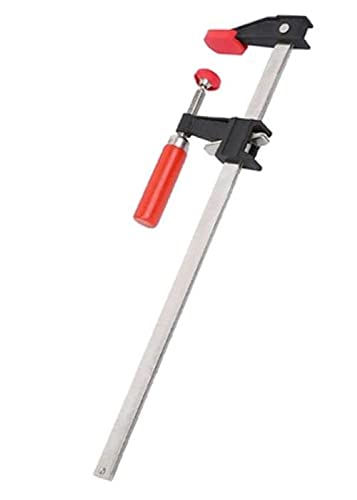
Bessey's F style bar clamps deliver the brand's thread quality and stiff rails at a far lower price per clamp than the parallel line. They handle glue ups of modest panels, bench hold down work, and general clamping for years without complaint. A starter wall of 12 and 24 inch bar clamps covers most builds, and the best clamps for woodworking guide shows how they share duty with parallel clamps as your shop matures.
Shops Needing Specialty Clamps for Edges and Angles
Bessey's depth shows in its specialty families: strap clamps that pull picture frames and boxes together evenly, angle clamps that hold true 90 degree joints for welding and assembly, and edge clamps that press edging onto panels where no regular clamp reaches. If your projects keep inventing clamping puzzles, one or two of these solve problems that general clamps only approximate. The best corner clamps guide is the natural companion read.
Key Features to Compare
The Clamp Families in the Lineup
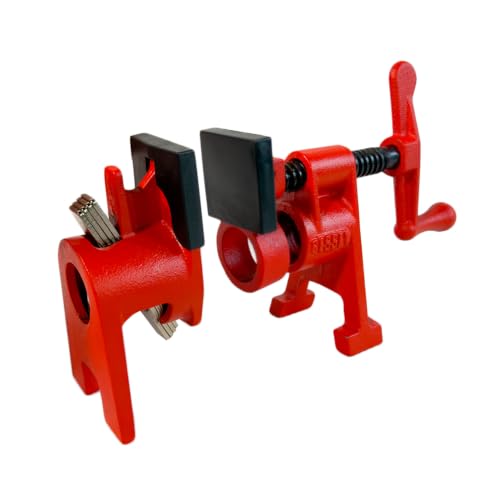
The catalog divides into clear families. Parallel jaw clamps are the premium woodworking line, built for flat, square glue ups. Bar clamps in the F style come in light, medium, and heavy duty series, trading force and rail stiffness against price. Spring clamps and trigger style quick clamps cover fast, light holding. Then come the specialties: strap, angle, edge, and flooring clamps that each exist for one recurring job. Identifying the family first narrows every later choice.
Rail and Jaw Construction
Across the bar clamp families, Bessey rails use a ribbed profile that resists the bowing cheaper flat bars suffer under load, and the sliding jaws run on clutch plates that lock without slipping back. Parallel clamps add large, flat jaw faces with removable pads, engineered to stay parallel under pressure so panels do not creep. Castings are consistently clean and heavy for their class. These build details are the quiet reason the brand's clamps feel a generation older in design yet a class smoother in the hand.
Clamping Force by Family
Force climbs with the family. Spring clamps hold with a few pounds of grip, trigger clamps deliver around 100 to 300 pounds, bar clamps reach roughly 600 to 1,300 pounds depending on series, and parallel clamps apply their slightly lower peak force across a much wider jaw, which is what panels actually need. Match the family to the force your joints require rather than chasing the biggest number, because excess force on a glue joint squeezes out the glue that makes it strong.
Handles, Threads, and Pads
Bessey's wooden handles and two component grips are shaped for long glue up sessions, and its Acme style threads run fast and stay smooth because the thread form shrugs off glue and grit. Tommy bar handles appear on the heavy series for maximum torque in metal work. Pads deserve a look too: the parallel line's pads are replaceable and stay put, and bar clamp pads are widely stocked. When a brand sells you the wear parts cheaply, the clamp becomes a decade long tool instead of a disposable.
Price Tiers Across the Catalog
Expect to pay the least for spring clamps, modest prices for light and medium bar clamps, and a clear premium for parallel and heavy duty models. The sensible spending pattern is to buy your everyday sizes in the better series, since those clamps work weekly, and let rare long sizes come from the lighter series. Bessey also sells sets that bundle common sizes below the per clamp price, which is often the cheapest honest way to start a wall.
Building a Bessey Collection: Where to Start
Start where your projects live. For most woodworkers that means four bar clamps, two each in 12 and 24 inch, then two parallel clamps in 24 or 31 inch when panel work becomes regular. Add a handful of spring clamps for pennies, because they hold trim, templates, and glue blocks constantly. From there, let projects nominate the next purchase, whether that is a strap clamp for frames or a long pair for a tabletop.
Resist buying every family at once. Clamps earn wall space by solving a job you actually repeated, and a small set you understand beats a full catalog you fumble with. Because the families share sizing logic and pad styles, each addition slots into the habits you already have, which is part of the appeal of committing to one maker's system.
Common Mistakes to Avoid
- Buying parallel clamps for rough work like welding and metal fitting, where spatter and abuse punish their precision jaws.
- Choosing the lightest bar clamp series for wide panel glue ups, then watching the rails bow and the panel cup.
- Skipping spring clamps because they seem trivial, and lacking a quick third hand on the next ten small jobs.
- Mixing sizes randomly instead of buying pairs, when nearly every clamping task needs two of the same reach.
- Overtightening parallel clamps on thin panels, bowing the work upward between the jaws instead of keeping it flat.
How to Make Your Bessey Clamps Last Longer
Keep rails waxed so glue releases with a flick of a scraper and the sliding jaws glide instead of grinding. Brush threads clean and add a drop of oil occasionally, because that smoothness is the brand's signature and worth preserving. Store parallel clamps with jaws aligned and unloaded, hanging or racked, so the long faces stay true.
Replace pads when they split rather than letting bare jaw faces mark work, and keep a few spares since they are the cheapest part on the tool. Wipe down clamps that worked near a welder before spatter bonds to the rail. A Bessey clamp treated this way is a buy it for life tool, and the used market prices for old ones prove how well they age.
FAQ
Is Bessey a good clamp brand?
Yes, Bessey is one of the reference brands in clamping, known for stiff rails, smooth threads, and honest force ratings across its families. The parallel jaw line is a benchmark other makers design against. Prices sit above bargain brands, but wear parts like pads are stocked and cheap, and the clamps routinely serve for decades. For woodworkers especially, it is a safe brand to build a collection around.
Which Bessey clamps should I buy first?
Start with bar clamps in 12 and 24 inch pairs, which cover the widest range of everyday work for the least money. Add parallel clamps in your most used panel size once glue ups become a regular job, and a few spring clamps whenever you see them, since they cost little and help constantly. Buy specialty families only when a project demands them, and your wall will never hold a clamp you do not use.
How long do Bessey clamps last?
Decades is the normal expectation. The wear points are pads, and on bar clamps the clutch plates and thread, all of which tolerate years of use before needing attention. Glue neglect shortens life more than work does, by freezing jaws to rails. Kept waxed and clean, Bessey clamps are routinely passed down or resold in working order, which few tool categories can claim.
Are expensive Bessey clamps worth it?
The parallel family earns its premium for panel work, because square, even pressure across a wide jaw prevents the creep and cupping that cheaper clamps allow. For general clamping, the mid series bar clamps deliver most of the benefit for much less. The poor value is the top heavy series bought for light work you will never do. Match the series to the job and the price makes sense.
How do you clean Bessey clamps?
Scrape glue from rails while it is still soft, or pop it off a waxed rail after curing with a putty knife. Brush threads and clutch plates clean, wipe with a lightly oiled cloth, and check pads for splits. Avoid grinding dried glue off with power tools, which scars the rail finish. A clamp cleaned at the end of a glue up takes a minute; one neglected for a year takes an afternoon.
Final Thoughts
Sort the families first, then buy pairs in the sizes your projects actually use, starting with bar clamps and adding parallel clamps as panel work grows. The product table lines several families up for comparison. Build around the best Bessey clamps for your work, keep the rails waxed, and you will own a clamp wall that quietly outlives several generations of projects.


