
Best Bosch Jigsaws of 2026: A Complete Buying Guide
Disclosure: We may earn a commission when you buy through links on this page, at no extra cost to you. As an Amazon Associate I earn from qualifying purchases. Learn more

Compare the best Bosch jigsaw types by grip style, power source and precision features, and learn which Bosch saw fits your woodworking or site work best.
Bosch has built jigsaws longer than most brands have existed, and its range now stretches from a simple corded saw for the home shop to precision barrel grip tools for cabinet work. Finding the best Bosch jigsaw means sorting that range by grip style, power source and the accuracy features your work actually needs.
This guide explains how the Bosch lineup is organized without reviewing individual models. The product table lists the main specs, and the following sections cover who each type suits, the features that protect cut accuracy and the mistakes buyers make when shopping on brand reputation alone.
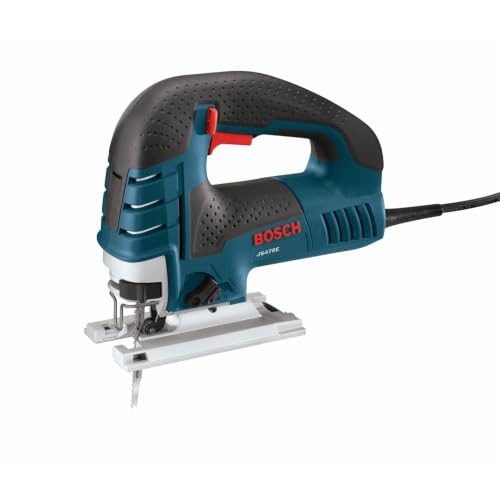
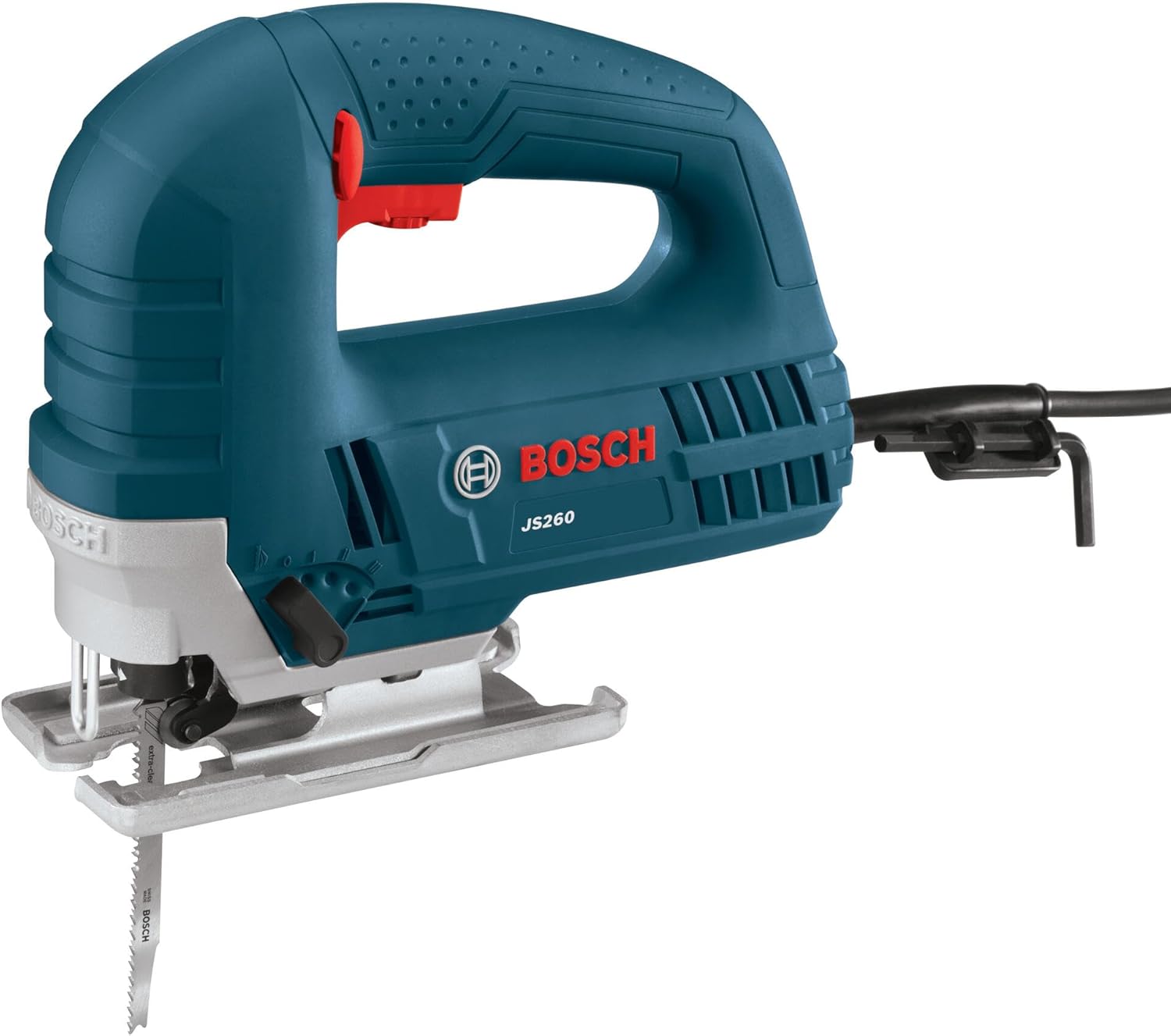


Who Should Buy Which Bosch Jigsaw?
Woodworkers Who Prize a Guided, Accurate Blade
Bosch built its name in this category on cutting precision, including blade guidance systems that support the blade close to the work. If you cut curves in hardwood, follow templates or fit parts that must meet cleanly, aim at the upper corded tier or the better cordless models. Your money buys squarer cuts in thick stock, which saves sanding and fitting time on every project, as the projects in our best jigsaw for woodworking guide demand.
Corded Buyers Who Cut All Day at the Bench
If your jigsaw lives in the shop and sessions run long, a corded Bosch saw gives constant power with no battery rotation and no runtime math. The mid and upper corded models carry the strongest motors in the range and the full set of precision features. You also avoid buying into a battery family just for one tool, which keeps the total cost of a high accuracy saw surprisingly reasonable.
Bosch 18V Owners Expanding Their Kit
Owners of Bosch 18 volt batteries can add a cordless jigsaw as a bare tool and gain a capable site saw for cutouts, flooring and fitting work. It will not out pace the top corded models in thick hardwood, but for the mixed cutting most renovators do, the convenience wins. Choose the brushless tier if the saw will see weekly use, and the standard tier for occasional jobs.
Key Features to Compare
Grip Formats: Top Handle and Barrel
Bosch offers both grip shapes across its range, and it is one of the brands most associated with the barrel format. The top handle models use a trigger for speed and feel familiar to anyone moving up from a basic saw. The barrel models put your hand low behind the blade for fine steering, which suits template and curve work. Neither is an upgrade over the other; the right pick is the one matching how you guide a saw, so read our best barrel grip jigsaw guide if you are unsure.
Blade Guidance and Cutting Precision
Precision is where Bosch saws earn their premium. Better models guide the blade with support elements near the shoe that limit sideways flex, so cuts stay closer to square in thick stock. Combined with a stiff blade, this is the difference between a curve you can glue up and one you must sand back to the line. If your work is rough cutting only, entry models without the full guidance package are fine, but furniture and cabinet work justifies the step up.
Power Tiers: Corded Amps and Cordless Volts
Corded Bosch saws range from about 6 amps in home models to around 7.5 amps at the top, and the stronger motors hold speed better in dense hardwood. The cordless line runs on the 18 volt platform, with a compact 12 volt option for light work. Match power to your thickest regular material: sheet goods and softwood ask little, while 2 inch hardwood tabletops expose a weak motor quickly. More power also adds weight, so balance the two against your typical session length.
Orbital Action and Speed Range
Bosch saws provide multiple orbital settings, typically four, so you can move from a clean, straight stroke for finish work to aggressive settings for fast rough cuts. Variable speed spans from a few hundred strokes per minute for metal and plastic up to around 3,000 for softwood. A constant speed feature on upper models holds the set pace under load, which keeps cut quality even through knots and grain changes. Beginners should note that the gentle low end makes these saws easier to learn on than their pro image suggests.
Dust Extraction and Blade Change Systems
Dust control is a Bosch strength: many models include an extraction port shaped for a vacuum hose and a dust channel that keeps the cut line readable. In finished interiors that port is worth real money. Blade changes are tool free across the current range with T shank clamps, and some models eject the blade with a lever so you never touch a hot blade. Check how the clamp feels in person if you can, since you will operate it on every project.
Reading the Bosch Lineup in Three Tiers
Think of the range as three shelves. The entry shelf holds simple corded and compact cordless saws for home users, with basic orbital control and dust blowing only. The middle shelf adds stronger motors, vacuum ports and smoother speed control, and covers most serious home workshops. The top shelf is the precision tier: the best blade guidance, the strongest corded motors, and fit and finish meant for daily trade use.
Price rises with each shelf, roughly from under $100 at the entry level to about $150 to $250 at the top, with cordless kits priced by the batteries included. Most buyers should shop the middle shelf and step up only if thick hardwood curves are a weekly task. If you are cross shopping plug in models from every brand, our best corded jigsaw roundup puts the Bosch approach in context.
Common Mistakes to Avoid
- Paying for the precision tier to cut only rough framing and sheet goods, which wastes money on guidance you never use.
- Buying the entry cordless saw for thick hardwood work, which leaves the motor straining and the cuts wandering.
- Ignoring the vacuum port size and assuming any hose fits, which leaves dust extraction unused in a drawer.
- Judging the brand by its cheapest saw, which shares little with the precision models that built the reputation.
- Forgetting blade quality while chasing saw specs, which caps the accuracy of even the best guided saw.
How to Make Your Bosch Jigsaw Last Longer
Keep the blade clamp and the lower guide area clean, because packed dust and resin let blades seat at a slight angle and slowly wear the guide parts. Vacuum or blow out the vents after dusty sessions, and store the saw in a case so the shoe is not knocked out of square in a crowded toolbox. On cordless models, keep batteries indoors and avoid running packs completely flat in thick cuts day after day.
Inspect the power cord on corded models for nicks near the strain relief, and replace a damaged cord rather than taping it. Check the shoe screws and guide rollers a few times a year, and replace worn rollers before they let the blade drift. Keep the receipt and register the tool for warranty coverage. Bosch saws are built to be serviced rather than discarded, so a worn part is usually a repair, not a replacement.
FAQ
What is the best Bosch jigsaw?
For accuracy focused woodworking, the best Bosch jigsaw is a top tier corded model with full blade guidance, because it holds cuts square in thick stock better than anything else in the range. For site work and mixed renovations, the 18 volt cordless models are the smarter buy. The honest answer depends on where the saw will work, and both ends of the range are strong at their own job.
Is Bosch a good brand for jigsaws?
Yes, and this category is one of its historic strengths. Bosch helped popularize the modern jigsaw, and its blade guidance and dust extraction designs are widely copied. The range covers home users to cabinet shops under one brand, with parts and service widely available. Prices sit above DIY brands but below the most exotic pro labels, which is why the middle of the range is such a popular buy.
Which Bosch jigsaw should I buy?
Decide the power source first: corded for shop based accuracy work, 18 volt cordless for site flexibility, 12 volt only for light tasks. Then pick the grip shape you steer best, and finally the tier that matches your material thickness and weekly hours. A middle tier corded saw in your preferred grip is the safe default for a home workshop, while pros cutting hardwood curves should budget for the precision tier.
Do Bosch jigsaws take T shank and U shank blades?
Current Bosch jigsaws use T shank blades in tool free clamps, and that is the blade type to buy. Older Bosch models used U shank blades, and some multipacks still include them, so check the shank shape before you stock up. T shank blades from every major blade brand fit the current saws, and the clamp design holds them firmly without tools, which makes frequent blade changes painless.
Can a Bosch jigsaw connect to a shop vacuum?
Most mid and upper Bosch models can, through an extraction port at the back of the shoe area, and some include the adapter in the box. Extraction keeps the pencil line visible and pulls fine dust out of the room air, which matters most on long sessions and indoor fitting work. Check the port diameter against your hose before buying, and note that using extraction slightly changes how the saw feels, since the hose adds a gentle pull.
Final Thoughts
The product table shows the numbers, but Bosch rewards buyers who shop by tier and task rather than by logo. Decide how much accuracy your work demands, pick corded or cordless to match your space, and the best Bosch jigsaw for your bench becomes an easy call. For the full category picture across brands, our best jigsaw guide is the place to compare before you spend.


