
Best Camping Hatchets for Splitting Wood (2026): A Buying Guide
Disclosure: We may earn a commission when you buy through links on this page, at no extra cost to you. As an Amazon Associate I earn from qualifying purchases. Learn more

Choose the best camping hatchet for splitting wood by head weight, wedge profile and handle length, plus technique tips for clean and safe splits.
Splitting is the one camp job where a hatchet stops being a trimmer and starts being a wedge with a handle. The best camping hatchet for splitting wood is not simply the sharpest or the lightest; it is the one whose head weight, wedge profile, and handle length turn your swing into clean splits instead of stuck edges and aching shoulders. A chopping hatchet asked to split will disappoint you by the third round.
This guide explains the geometry and the technique together. The comparison table below shows the classes that split well, and the sections after it cover head weight, cheek shape, steel hardness, and handle choices, plus the splitting method that lets a short tool punch above its size, so you can judge any hatchet by how it will behave on the stump.
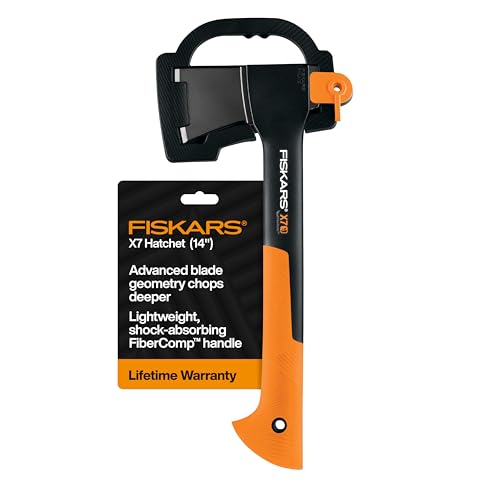
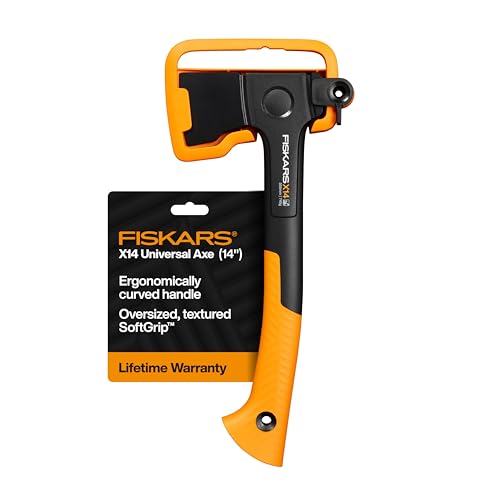
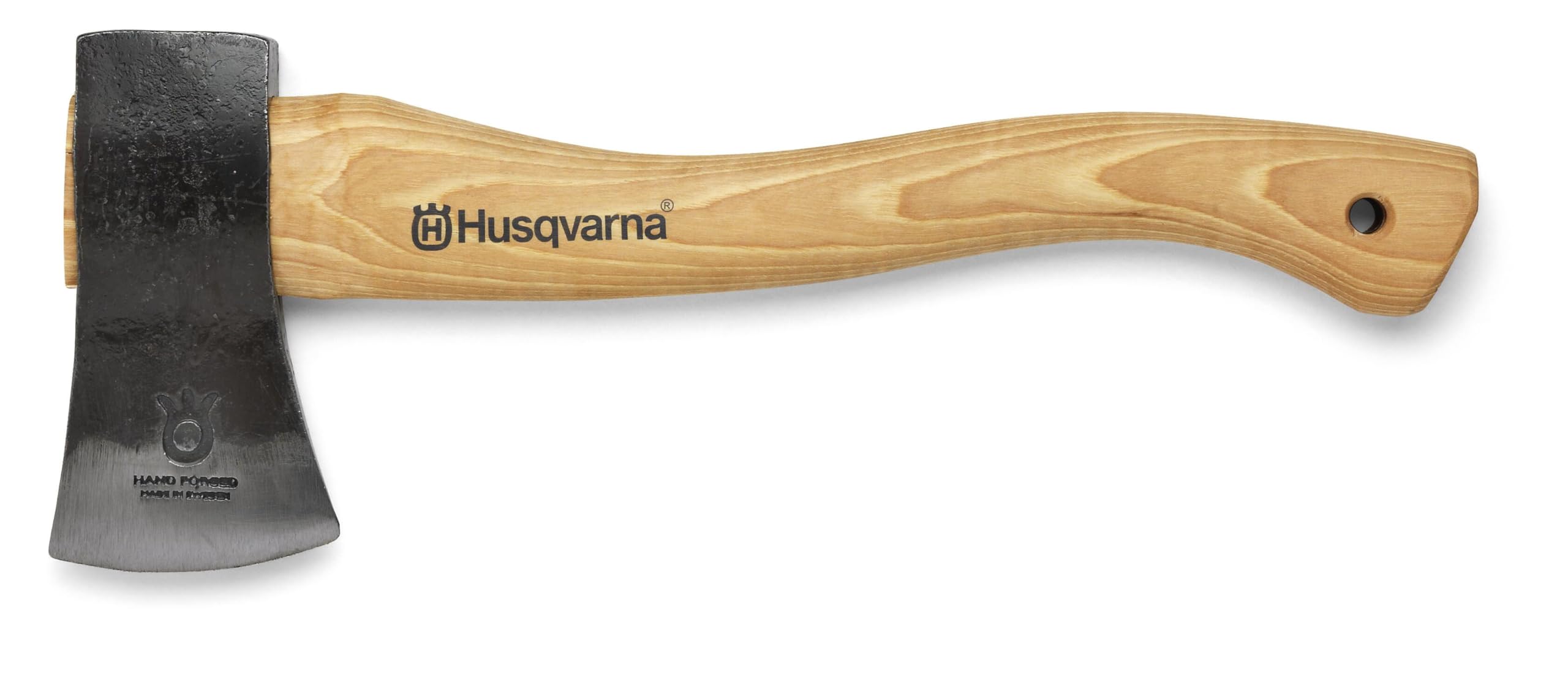
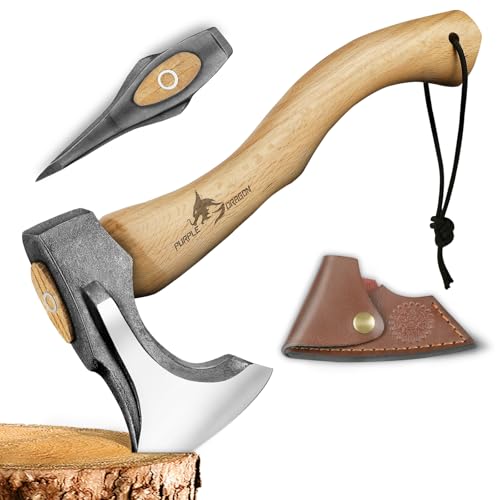


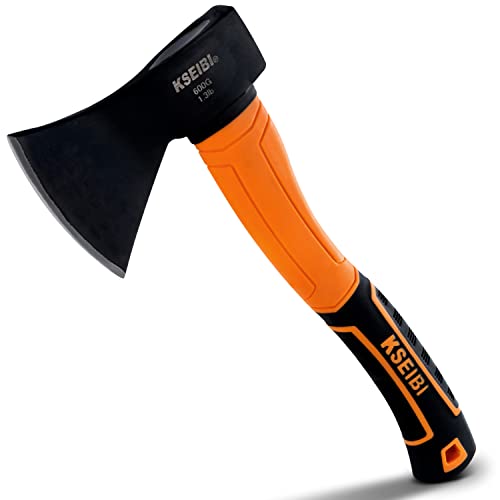
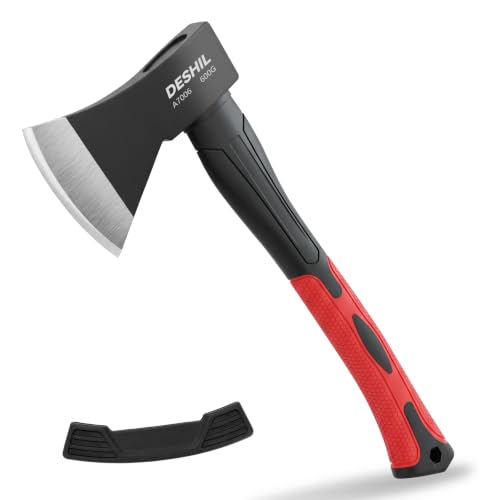

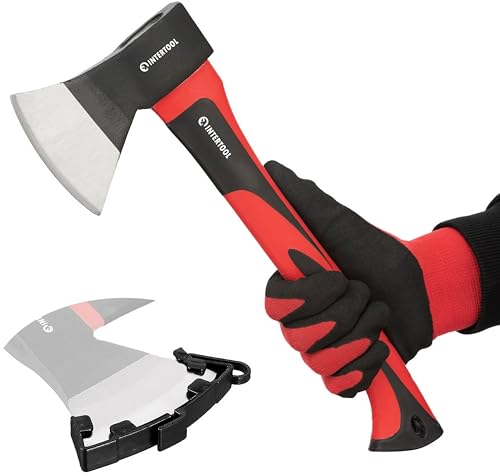
Who Should Buy a Camping Hatchet for Splitting Wood?
Car Campers Splitting Bundled Firewood at the Site
Campground firewood arrives as mixed rounds, some easy pine, some stubborn oak, and a splitting profile hatchet turns that bundle into kindling and stove lengths at the picnic table. Car campers can afford the heavier end of the hatchet class, since the tool rides in the vehicle, and the extra head weight pays back on every knotty round. This is the user the class is built for, and our wider best camping hatchet roundup shows how splitting models sit within the general camp hatchet family.
Cabin and Off Grid Users Processing Kindling Daily
A cabin wood stove eats kindling every single day, and the splitting hatchet that lives by the wood box earns its keep in short, frequent sessions. Daily users should favor a head that resists chipping and a handle that absorbs shock, because repetition exposes weak tools quickly. A splitting hatchet also re splits stove wood that arrived too large, the most common real world task at a cabin after kindling itself.
Fire Pit and Backyard Burners With a Woodpile
Home fire pit owners split a few rounds at a time, often from delivered wood of mixed quality, and store the tool in a garage or shed between weekends. A splitting hatchet handles that rhythm well and doubles for trimming branches off the pile. If your splitting is occasional and your carry distance is long, the lighter classes in our best lightweight camping hatchet guide trade some splitting force for far easier handling, a trade worth weighing before you buy heavy.
Key Features to Compare
Head Weight: The Engine of the Split
Splitting is physics before it is sharpness: a heavier head carries more energy into the round and keeps moving as the wedge opens the grain. Hatchets that split well usually carry heads from about 1.25 to 2 pounds, while lighter heads stall in tough wood and demand extra swings that tire you and raise the chance of a bad hit. Within the camping class, choose the heaviest head you can swing accurately for a full session, because accuracy fades as arms tire and a lighter head swung well beats a heavy one swung wildly.
Wedge Profile and Cheek Geometry
The head's cross section decides whether it slices or splits. Splitting profiles flare quickly behind the edge, with wide cheeks that push the wood apart as the head drives in, so the round opens with a crack instead of hugging the steel. Thin chopping profiles slide deep and stick, which is why a hatchet can be razor sharp and still bad at splitting. Some heads add a slight twist or textured cheeks to shed the round. Run a thumb along the head: you should feel the flare begin close behind the edge.
Handle Length and Swing Leverage
Handles from about 13 to 16 inches suit splitting at a stump, giving two handed or long one handed swings with real leverage while staying compact enough for camp storage. Shorter handles force you to kneel closer to the work and rob the head of speed. Longer handles add power but drift toward small axe territory and pack poorly. The handle should also place your hands clear of the round at impact height, which is one reason a proper chopping block of the right height matters as much as the tool.
Steel Hardness and Edge Toughness
A splitting edge meets knots, frozen grain, and the occasional hidden nail, so toughness beats extreme hardness in this class. Very hard edges chip on knots; softer edges roll and need constant filing. The middle ground, a medium hard carbon or alloy steel with a slightly convex edge, splits season after season and restores quickly with a file. Avoid polished thin edges marketed for carving, since the first knotty round will show you exactly what they were made for.
Handle Material and Shock Absorption
Splitting sends shock back up the handle on every hit, and overstrikes, where the handle rather than the head strikes the round, punish weak handles hard. Hickory remains the classic choice because its grain absorbs shock and a good handle survives years of work. Steel and fiberglass handles tolerate overstrikes and weather better but pass more sting into your hands and elbows. Look for a head and handle junction with some protection or a collar if you are new to splitting and expect overstrikes while you learn.
Sheath, Storage, and the Wood Box Reality
A splitting hatchet lives a rough life between the stump, the woodpile, and the shed floor, so a sturdy sheath that covers the full edge and fastens securely protects both the edge and everyone who reaches into the wood box. Leather and heavy molded covers outlast thin stitched ones in this role. Storage matters too: a hatchet left edge up in a pile of rounds dulls itself against its own work. Give it a hook, a block, or a covered spot by the door.
Splitting Technique: Getting the Most From a Short Handle
Technique closes much of the gap between a hatchet and a bigger axe. Always split on a low, wide stump or block, never on the ground, so the round sits stable and a follow through ends in wood, not toward your legs. Stand the round on its end with the flattest face down, read the checks and grain on the top face, and aim your strike near the edge closest to you rather than dead center, since rounds open from the edge inward. Strike with a controlled swing and let the head's weight work. If the head sticks, do not yank sideways; lift the round with the hatchet and tap the pair back onto the block, or twist gently to free the wedge. Work around knots instead of through them. This is also the fairest stump test of the best camping hatchet for splitting wood: two rounds, one of them knotty, will tell you more than any listing page. The classes in the product table above all reward this method, and none of them can rescue its absence.
Common Mistakes to Avoid
- Splitting rounds directly on soil or gravel, which wrecks the edge and sends glancing blows toward your feet.
- Aiming for the center of a wide round, where even a good wedge stalls, instead of working in from the edges.
- Buying a thin chopping profile for splitting duty, then blaming the steel when it sticks in every round.
- Swinging harder when the head sticks, rather than freeing it with a lift and tap or a gentle twist.
- Leaving the hatchet outdoors by the woodpile all season, so the handle loosens and the edge rusts between fires.
How to Make Your Splitting Hatchet Last Longer
File the edge back to a clean convex profile whenever it starts to glance off rounds instead of biting, using a flat file with the head secured, and finish with a stone if you like a keener bite for kindling. Check the head for movement before each session; a loose head on a wooden handle needs the wedge reseated or the handle replaced, never just ignored. Wipe the head dry after use and oil it lightly before shed storage, because splitting tools sit idle and damp for long stretches. Protect the handle's strike zone by improving your aim rather than adding tape, which hides damage until it fails. Stored dry, kept tight, and filed rather than ground, a good splitting hatchet serves for decades of fire seasons.
FAQ
What should you look for in a camping hatchet for splitting wood?
Look first at the head: a weight of about 1.25 to 2 pounds and a flared wedge profile that opens wood behind the edge. Then check for a handle around 13 to 16 inches that you can swing accurately, steel tough enough to shrug off knots, and a sheath worth using. Sharpness matters least at purchase time, because any sound edge can be filed keen in minutes at the stump.
How big a log can a camping hatchet split?
A good splitting hatchet handles rounds up to about 8 to 10 inches across in cooperative wood, working in from the edges, and kindling of any reasonable size. Straight grained softwood splits easiest, while knotty hardwood, elm, and frozen rounds set the real limits. Past that size, the honest answer is a splitting axe or a maul, tools with the mass and length the job actually needs.
Can you split wood with a hatchet instead of an axe?
Yes, within the size limits above, and for camp quantities a hatchet is often the smarter tool because it is easier to control and to store. What you give up is speed on big rounds and the two handed power that makes an axe safer on tall stumps. Many campers carry the hatchet for kindling and splitting small rounds, and simply buy or borrow pre split wood for the rest.
How do you keep a splitting hatchet from sticking in the round?
Sticking usually means the profile is thin or the strike landed dead center on a wide round. Aim near the edge, choose rounds with visible checks and strike along them, and favor heads with flared cheeks that push wood apart early. When a head does stick, lift the round with the hatchet embedded and bring both down onto the block, letting the impact drive the split through instead of prying sideways and risking the handle.
How often should you sharpen a hatchet used for splitting?
Sharpen when the edge starts glancing off end grain or needs noticeably more swing to bite, which for regular users means a light filing every few sessions and a fuller reshaping a few times a season. Splitting edges do not need a razor finish; a clean, slightly convex edge from a file and a few stone strokes splits best and resists chipping. Check for nicks after any strike that hits the block or a hidden knot.
Final Thoughts
Choose head weight and wedge shape before brand or finish, learn the edge in technique on a proper block, and the best camping hatchet for splitting wood will open rounds cleanly for years of fires. Compare the classes in the product table above against the wood you actually burn, keep the head tight and the edge filed, and let the tool's geometry do the heavy work on every swing.


