
Best Car Jack for Lowered Cars: A Buying Guide for 2026
Disclosure: We may earn a commission when you buy through links on this page, at no extra cost to you. As an Amazon Associate I earn from qualifying purchases. Learn more

For low clearance cars, fit comes first: saddle height, reach and capacity decide which jack slides under your car and lifts it safely.
Lowering a car improves its stance and handling, but it quietly breaks a tool most owners take for granted. A standard floor jack simply will not slide under a car that sits three or four inches off the ground, and forcing it can crack a side skirt or bend a pinch weld. Finding the best car jack for lowered cars starts with one honest measurement of your car, then a jack whose saddle height, reach, and lift range are built for low clearance work.
This guide walks through the numbers that matter, the user groups they serve, and the mistakes that damage cars and jacks alike. The comparison table below lines up the main styles side by side, so you can match a jack to your ride height before you spend anything.


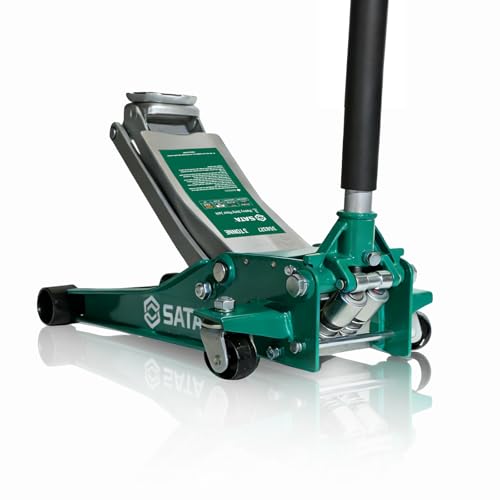


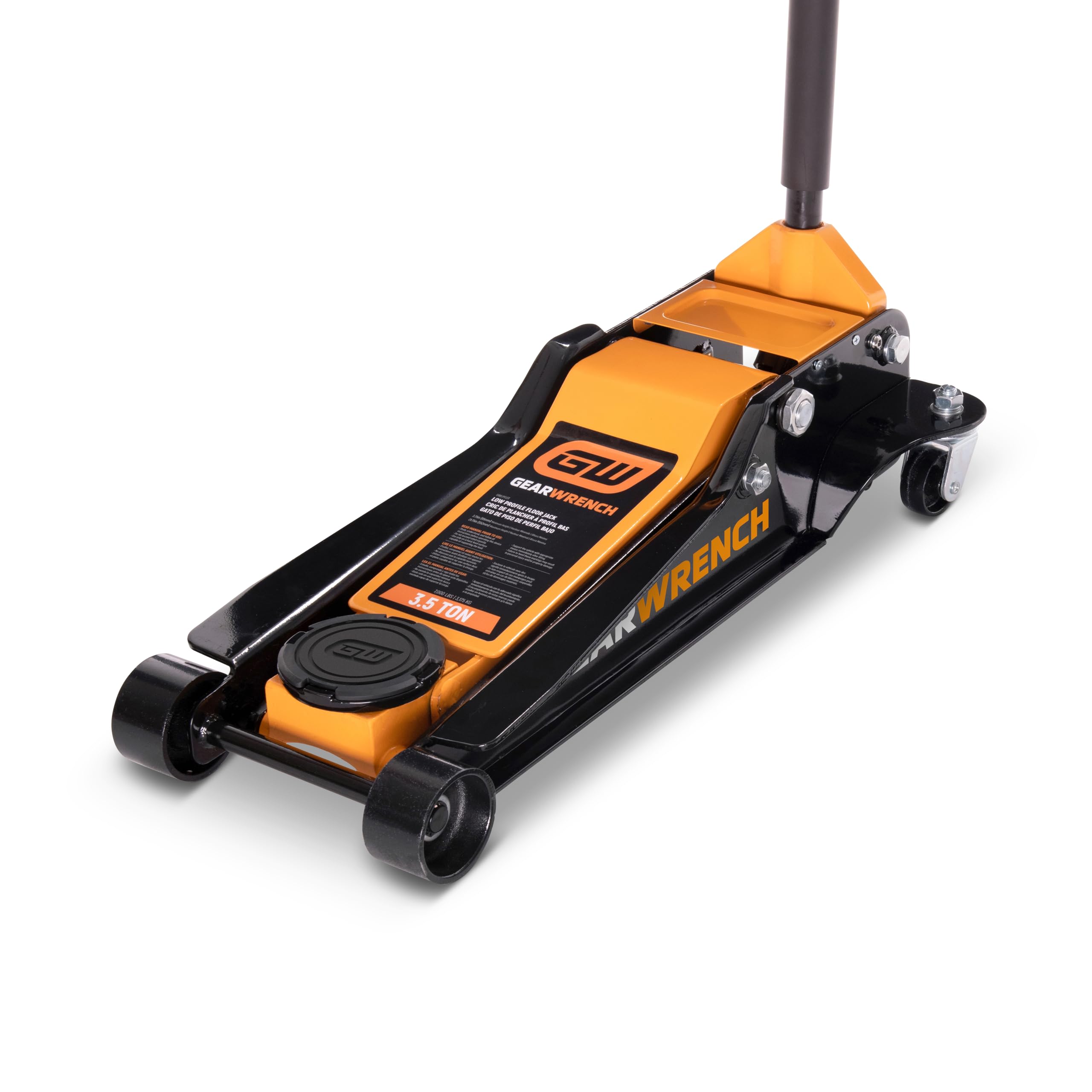
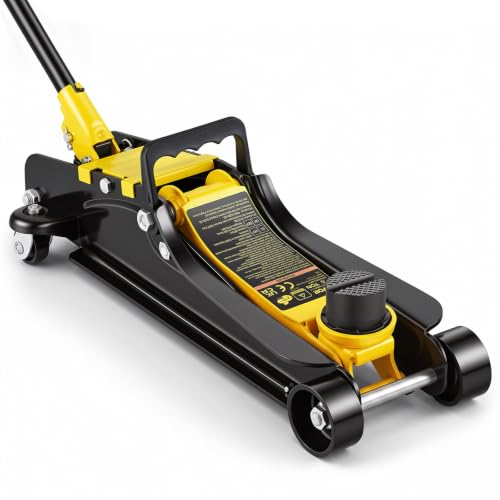

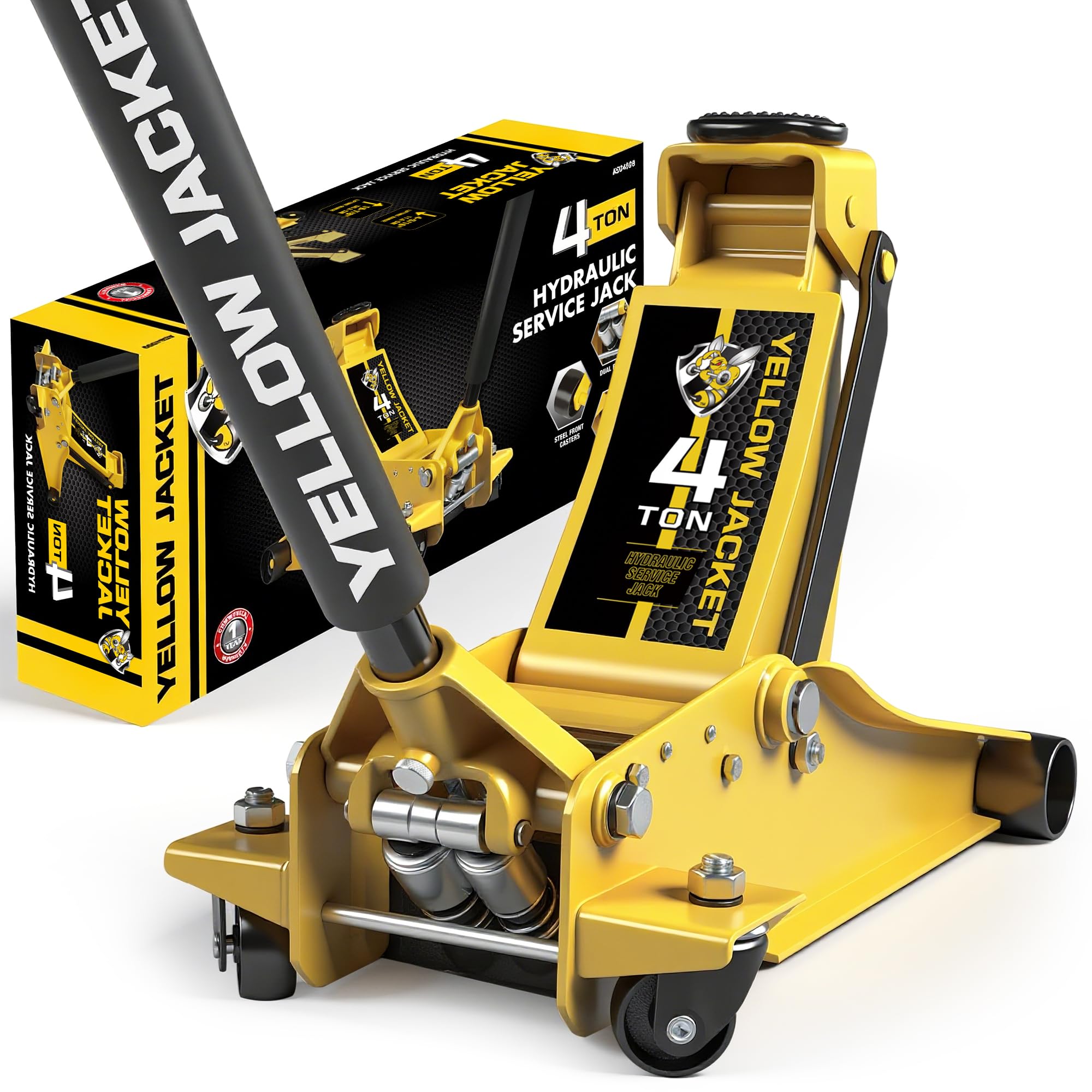
Who Should Buy Which Car Jack?
Lowered cars are not all lowered the same way, and the right jack depends on how far your car sits from the pavement and how often you lift it.
Daily Drivers on Mild Lowering Springs
If your car dropped about an inch on springs and still handles speed bumps without drama, you need a jack with a lowered saddle around 3.5 inches or less and a normal lift range. A steel 2 ton or 3 ton low profile jack covers oil changes, brake work, and seasonal tire swaps without costing much. Weight matters less here because the jack lives in your garage, so put your money toward a smooth release valve and a padded saddle instead.
Track and Autocross Cars That Swap Wheels Often
Cars that change wheels every weekend need speed and portability more than raw capacity. An aluminum racing style jack at about half the weight of a steel one is far easier to load into a hatch or trailer. Dual pump pistons that raise the saddle to the pinch weld in three or four strokes save real time between sessions. If this sounds like your routine, our guide to the best floor car jack designs explains how pump layout and chassis shape affect everyday lifting speed.
Show Cars With Body Kits and Side Skirts
A deep front splitter or side skirt can block a jack long before saddle height becomes the problem. These cars need an extra long, flat chassis that reaches the front subframe or rear jacking point from the side without touching trim. A rubber saddle pad is close to mandatory, because painted pinch welds and carbon trays chip easily. Lift slowly, and plan on stands that are short enough to fit once the car is up.
Key Features to Compare
Minimum Saddle Height
This is the single most important number on the spec sheet, and it is the lowered height of the saddle before any pumping. For a lowered car, look for about 3.5 inches or less, and remember that your real clearance is the gap at the jacking point minus the height of any pad you add. Measure your car at its lowest jacking point with a tape measure, with the tires at normal pressure. Buy for the car you have now, not the stock height it left the factory with.
Reach and Chassis Length
Reach describes how far the saddle can travel under the car before the jack body or handle socket hits the bumper or skirt. Long reach, low profile chassis designs keep the front of the jack nearly flat for the first foot or more, which lets the saddle arrive at the subframe on cars with deep aero parts. Short jacks force you to lift on weaker spots near the edge of the car. Our overview of the best low profile car jack options shows how different chassis shapes trade reach against overall size.
Lifting Capacity
Capacity is rated for the load on the saddle, and a jack only ever lifts one end or one corner of the car, never the whole vehicle. Most lowered cars are compact and midsize models, so a 2 ton jack is honestly enough, while a 3 ton jack adds stiffness and a wider, more stable stance. If you also service a heavier family vehicle, stepping up makes sense, and the guide to the best 3 ton car jack covers what that extra rating buys you in practice.
Pump Speed and Release Control
Dual piston pumps move the saddle up fast until it meets resistance, then switch to normal lifting effort, which is the setup you want for frequent use. Just as important is the release valve, because lowering a car onto stands should be a slow, controlled creep, not a drop. Twist style handles with fine control beat stiff valves that open all at once. Test the release with a load in the store if you can, since this is the control you will use on every single lift.
Saddle Design and Pad Protection
A wide, flat saddle with a removable rubber pad spreads load across the pinch weld and protects paint and undercoating. Some saddles accept cross beam adapters or pinch weld pucks that slot into the seam, which keeps the car from shifting as it rises. Avoid small, deeply cupped saddles on lowered cars, because they concentrate force on a narrow strip of metal. Whatever style you choose, the contact point should be a factory jacking point or a reinforced subframe spot, never a floor pan or plastic tray.
How to Check Clearance and Reach Your Jacking Points
Before ordering anything, slide a tape measure under your car at the front and rear jacking points and note the smallest gap you find. Compare that number with the saddle height of any jack you are considering, and leave about half an inch of working room. A practical trick for borderline cars is to drive the wheels onto short lengths of sturdy lumber, which buys an inch or two of clearance for the jack and the stands. Once the car is up, set it on stands placed at rated points, give the car a firm push to confirm it is settled, and only then start work. Never rely on the jack alone to hold a car while you are under it, because hydraulic seals can weep and lower the load without warning.
Common Mistakes to Avoid
- Forcing a standard jack under a low car, which bends pinch welds and cracks side skirts before the saddle ever reaches a safe point.
- Lifting on plastic aero trays or floor pans, which flex and can let the saddle slip sideways mid lift.
- Working under a car held only by the jack, which turns a slow hydraulic leak into a life threatening failure.
- Choosing a jack by capacity alone, which leaves you with a strong jack whose saddle still cannot fit under the car.
- Lowering the car with a jerky release valve, which can shift the saddle off the jacking point as the weight settles.
- Skipping wheel chocks on the wheels that stay on the ground, which lets the car roll slightly and walk off the saddle.
How to Make Your Car Jack Last Longer
Store the jack with the saddle fully lowered and the release valve closed, which keeps the ram seal relaxed and the hydraulic fluid where it belongs. Wipe grit off the ram and saddle after use, because road dirt on the piston scratches the seal and starts slow leaks. Check the oil level once a year and top up with proper hydraulic jack oil only, never brake fluid or motor oil. If the saddle rises in steps or feels spongy, bleed the air from the system by opening the release valve and pumping the handle several times. Keep the caster wheels clean so the jack rolls straight under load instead of dragging sideways.
FAQ
What is the best car jack for lowered cars?
The best choice is the low profile floor jack whose lowered saddle height clears your lowest jacking point with about half an inch to spare, and whose chassis is long enough to reach that point without touching trim. Beyond fit, favor dual pump pistons and a smooth release valve. One detail many buyers miss is handle length, because a full length handle lets you pump from beside the car instead of kneeling in the swing path.
How low does a jack saddle need to be for a lowered car?
Most lowered cars need a saddle that starts at about 3.5 inches or lower, and very low track cars may need one closer to 2.75 inches. The right figure comes from your own car, measured at the jacking point rather than at the bumper. Remember that suspension settling and a slightly soft tire can quietly eat another quarter inch, so do not buy a jack that only just fits on paper.
Can I use a regular floor jack on a lowered car?
Usually not directly, because the saddle and chassis nose are too tall to reach a safe lifting point. Low ramps made for sports cars are a cleaner workaround than lumber, since they lift both front wheels evenly and give the jack a straight path in. If you go this route often, a purpose built low profile jack quickly pays for itself in saved time and undamaged trim.
How long does a floor jack last?
A decent floor jack lasts many years, often a decade or more of home use, when the oil is kept clean and the ram stays free of grit. The usual failure is a tired seal that lets the saddle sink slowly under load, which is your signal to rebuild or retire the jack. Storing it lowered, out of the weather, does more for its life than any brand badge.
Do I need jack stands with a low profile jack?
Yes, every time the car goes up and anyone reaches under it. The jack is a lifting tool, not a holding tool, and stands are what carry the load while you work. Pick stands with a low starting height that matches your jack, since tall stands may not fit under a lowered car even at full lift. Place them on flat, solid ground at the rated support points.
Final Thoughts
For low cars, fit comes before everything else, so measure your clearance, then match saddle height and reach to the car you actually own. When you find the best car jack for lowered cars for your garage, the product table above can help you compare the finalists, and our hub covering the best car jack range is a good next read if you are still deciding between styles. Lift slowly, set the car on stands, and the job stays safe and simple.


