
Best Circular Saws for Framing in 2026: Power, Weight, and Blade Side
Disclosure: We may earn a commission when you buy through links on this page, at no extra cost to you. As an Amazon Associate I earn from qualifying purchases. Learn more
Choose a circular saw for framing with this guide to worm drive and sidewinder designs, blade size, power, weight and the features framers rely on daily.
A framing saw earns its keep very differently from a saw that trims plywood on weekends. It runs for hours, crosscuts stacks of studs, rips plates, and bevels rafters, often while you balance on a wall top plate. Shoppers hunting for the best circular saw for framing quickly find two camps arguing about worm drive and sidewinder designs, and the right answer depends on how you cut and how long your days run.
This guide sorts the framing features that actually change your work: motor power under load, blade side and sight lines, weight, cutting capacity, and job site durability. The comparison table below lines the main saw types up side by side, and the sections that follow explain which type fits which kind of framing work.



Who Should Buy Which Circular Saw for Framing?
Framing covers roof work, wall work, and deck structures, and each one leans on a different saw design.
Roof Framers and Rafter Cutters
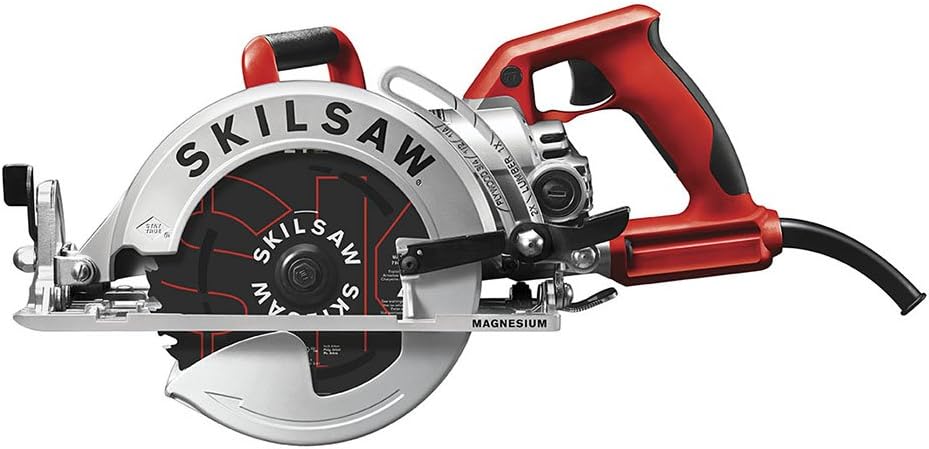
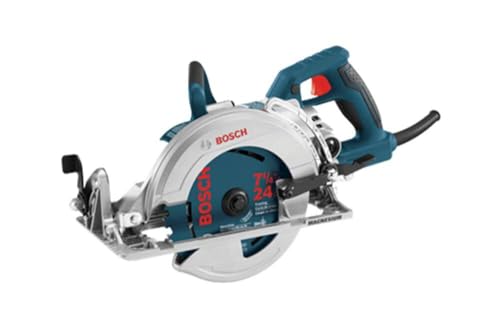
If your day is plumb cuts, seat cuts, and bevels on rafters and hips, a worm drive saw earns its keep. The motor sits behind the blade and delivers high torque at lower blade speed, so the saw pulls through dense engineered lumber without bogging down. The blade sits on the left, which lets a right handed carpenter watch the cut line from the normal stance behind the saw. The extra weight is a fair trade when most cuts are long and the saw weight rests on the board.
Wall Framers and Production Crews
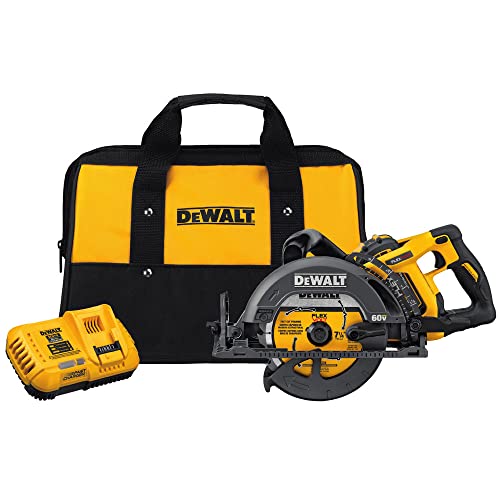
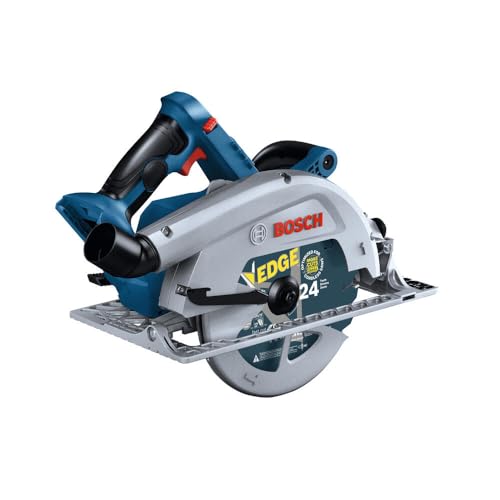
Crews that stack cut studs and plates all day often prefer a sidewinder, the lighter direct drive design with the blade on the right. The saw is easier to lift onto a stack of lumber a hundred times a day, and modern cordless and corded models have closed much of the old power gap. If your crew already runs one battery platform, matching the saw to that platform matters as much as the drive style, and our guide to the best circular saw covers the wider field across brands and platforms.
Remodelers Who Frame Part Time
If framing is one part of a mixed remodeling week, a mid weight 7 1/4 inch corded sidewinder covers studs, joists, and sheet goods without the cost of a worm drive or a stack of big batteries. Corded power never fades at four in the afternoon, and a single saw at about $100 to $150 handles most residential framing. You give up some torque in wet pressure treated lumber, so plan on a sharp framing blade and a slower feed on those cuts.
Key Features to Compare
These are the specs that decide whether a saw keeps up on a framing crew or gets left in the truck.
Power and Torque Under Load
Corded framing saws are rated in amps, with 15 amps the standard for full time work, while cordless saws are judged by how they hold blade speed in a cut. What matters is not the number on the box but whether the saw holds a straight, fast line through doubled top plates and laminated beams. A saw that slows and wanders forces you to recut, and recuts cost more time than a heavier saw ever will. Worm drive gearing multiplies torque, which is why those saws feel unstoppable in thick stock.
Blade Side and Sight Lines
Blade left saws put the cut line in clear view for right handed users standing behind the tool, while blade right saws let you watch the edge of the shoe instead. Neither is wrong, but switching sides after years of habit leads to crooked cuts for a week or two. Some framers also prefer the blade side that keeps the saw motor over the supported part of the board on crosscuts, so the offcut falls away instead of pinching the blade. Decide which view you trust before you spend money.
Weight and Balance for All Day Work
Framing saws range from about 8 pounds for light sidewinders to about 15 pounds for worm drive models with a full cord. Weight helps a saw track straight through long rips because the tool resists wandering, but it punishes you on ladder work and overhead cuts. Balance matters as much as the number, since a saw that hangs level from its handle tires your wrist less over a long day of cuts. If your framing is mostly walls and decks at bench height, weight is a minor issue either way.
Cutting Capacity and Bevel Range
A 7 1/4 inch blade cuts about 2 1/2 inches deep at 90 degrees, enough for two stacked 2x boards in one pass, and bevels to 45 degrees for rafter work. Better framing saws bevel to 51 or 56 degrees with positive stops, which speeds up steep roof pitches. Depth and bevel levers should lock with a gloved hand and stay put under vibration. A stamped steel shoe flexes on rough lumber, so look for a thick cast shoe if your lumber piles are more gravel than showroom.
Durability and Job Site Details
Framing saws get dropped, rained on, and dragged by their cords. Magnesium housings and shoes cut weight while shrugging off knocks, and a rafter hook lets you hang the saw on a stud or truss instead of laying it in the dirt. Corded models should have a cord that flexes in cold weather without cracking. Our guide to the best corded circular saw goes deeper on cord quality and motor protection if you plan to stay plugged in.
Worm Drive or Sidewinder: The Framing Decision
The worm drive design puts the motor in line with the handle and drives the blade through a gear set, which produces the torque and the long, narrow body framers on the West Coast swear by. The sidewinder design mounts the motor beside the blade, which makes a shorter, lighter, cheaper saw that dominates in most other regions. For an overview of the gear design and its oil bath gearbox, see our guide to the best worm drive circular saw.
In practice, choose worm drive if you rip a lot of engineered lumber, cut wet treated stock often, or learned the trade with the blade in view on the left. Choose a sidewinder if you value light weight, your work is mostly crosscutting dimension lumber, or your crew already owns batteries in a sidewinder platform. Both designs cut a house frame fine in skilled hands, so the honest answer is to buy the style your hands already know.
Common Mistakes to Avoid
- Buying a compact 6 1/2 inch saw for framing, so doubled plates need two passes and cuts drift off line.
- Running a dull fine tooth blade on framing lumber, which burns the cut and overheats the motor.
- Ignoring blade side when switching brands, then fighting your own habits on every cut for weeks.
- Pinching the blade by cutting unsupported boards, which causes kickback that can throw the saw.
- Skipping the rafter hook and laying the saw on the ground, where cords get run over and shoes get bent.
How to Make Your Framing Saw Last Longer
Worm drive saws need their gear oil checked and changed on schedule, since the oil bath is the whole reason the gears survive decades of torque. Sidewinders need less, but both designs last longer when you blow sawdust out of the motor vents and guard track after each day. Retract the lower guard by hand a few times each week to confirm it snaps back freely, because a lazy guard packed with pitch is both a safety problem and a sign the saw needs cleaning.
Inspect the shoe for flatness whenever cuts start drifting, and store the saw hanging by its hook or on a shelf rather than standing on its shoe in a gang box. Use sharp blades matched to the material, since forcing a dull blade through wet lumber is the fastest way to cook a motor. Replace worn cords and frayed plugs right away, because a framing saw draws heavy current and damaged cords overheat under load.
FAQ
What is the best circular saw for framing for most carpenters?
For most carpenters, the best circular saw for framing is a full size 7 1/4 inch saw with a 15 amp motor or a pro grade cordless motor, a rigid cast shoe, and the blade on the side you are used to watching. Worm drive suits heavy ripping and wet lumber, while a sidewinder suits faster, lighter work. Either style serves a full career if the capacity and durability are there.
What should I look for in a circular saw for framing?
Look for full depth capacity for doubled 2x lumber, a bevel range past 45 degrees with solid stops, and a shoe that stays flat and parallel to the blade. Add a rafter hook, a clear view of the cut line, and enough power to hold speed in treated stock. One feature buyers miss is the guard retraction lever size, which matters when you start plunge and bevel cuts with gloves on.
How long does a circular saw last on a framing crew?
A pro grade framing saw used daily typically lasts five to ten years before the motor or gears need major work, and worm drive models often run longer because the gearbox is oil bathed and rebuildable. Brushes on corded motors are a wear item you replace, not a failure. Saws die early from bent shoes, burned motors caused by dull blades, and drops from roof height, not from honest cutting hours.
Is a circular saw worth it for framing, or should I buy a miter saw instead?
A circular saw is worth it and is the core framing tool, because it goes to the lumber and handles rips, bevels, and stack cuts a miter saw cannot reach. A miter saw speeds up repeated crosscuts at a station but cannot rip a plate or cut a rafter in place. Most framers own the circular saw first and add the miter saw later for trim and finish work.
How do you clean a circular saw used for framing?
Unplug the saw or remove the battery, then brush and blow out the guard track, vents, and depth pivot, since packed pitch and dust are what slow the guard. Wipe pitch off the blade with a resin remover and check that the shoe is clean and flat. Finish by working the guard open and closed a few times to confirm it moves freely before the saw goes back in the box.
Final Thoughts
The best circular saw for framing is the one whose blade side, weight, and torque match your cutting style and your lumber. Worm drive rewards power and long rips, sidewinders reward speed and light weight, and both beat a small saw that strains through every plate. Line the classes up in the product table above, pick the design your hands already trust, and put the rest of the budget into sharp framing blades.


