
Best Clamps of 2026: A Complete Buying Guide
Disclosure: We may earn a commission when you buy through links on this page, at no extra cost to you. As an Amazon Associate I earn from qualifying purchases. Learn more

The best clamps depend on the job: panel glue ups, framing, repairs or metalwork. Compare clamp types, pressure, throat depth and capacity before buying.
Nobody dreams about clamps, yet every glue up, repair and assembly in your shop leans on them, and a shortage of the right clamp has ruined more projects than a dull saw ever has. The trouble is that clamps are not one tool but a family: bar clamps, parallel clamps, spring clamps, C clamps and specialty frames all solve different problems. The best clamps for your shop are the mix that matches the work you actually do, in sizes that fit your projects.
This guide explains each clamp family in plain terms, what pressure and throat depth really mean, and how many of each type a typical shop needs. The comparison table below maps the families side by side, and the sections after it will help you build a collection in the right order. Woodworkers should also see our dedicated guide to the best clamps for woodworking, which goes deeper on glue up strategy.




Who Should Buy Which Clamps?
Woodworkers Gluing Panels and Cabinets
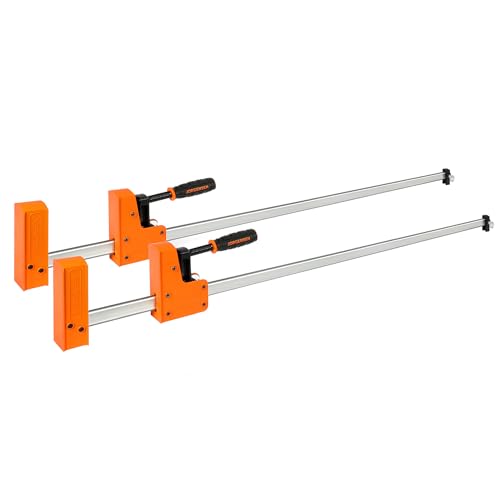
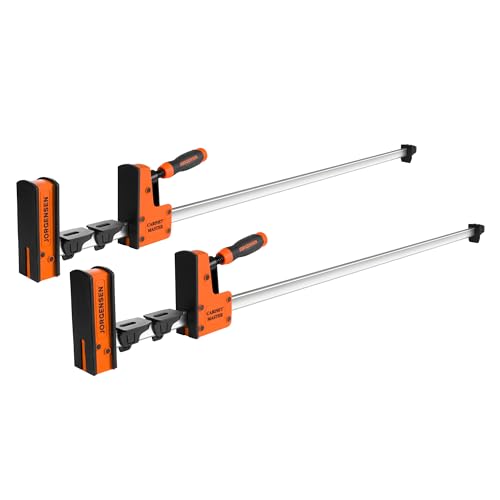
Your core need is even pressure across wide glue joints without bowing the panel. Parallel jaw clamps are your foundation, backed by a few bar clamps for carcasses and frames. Buy them in matched lengths around your typical panel size, and buy in pairs at minimum, because panel work always wants one more clamp than you own.
DIYers and Home Repair Users
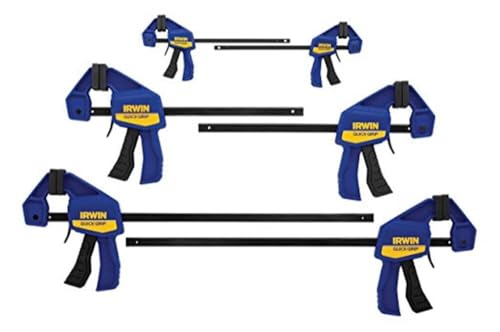
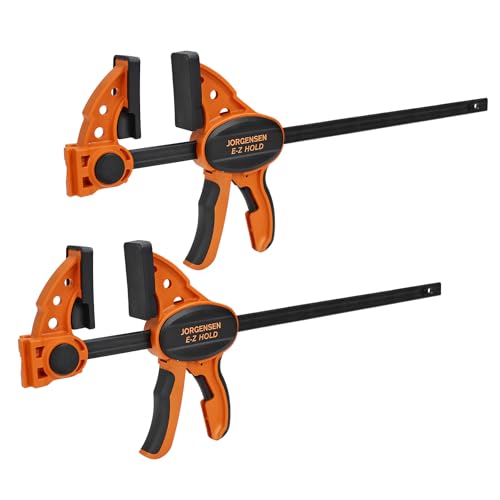
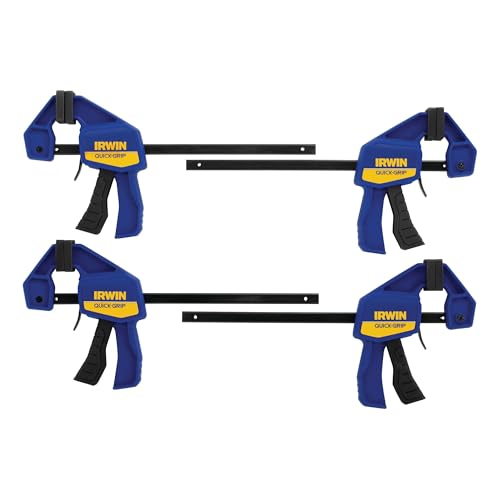
Your clamping is occasional and varied: holding a board for cutting, pinning trim while adhesive sets, clamping a chair leg during reglue. A set of quick grip bar clamps in two sizes plus a handful of spring clamps covers nearly all of it, with one hand operation that matters when you work alone. Add a band clamp and broken chair frames and round work stop being frustrating.
Metalworkers, Welders and Heavy Repair
You clamp steel, hold parts for drilling, and need jaws that tolerate heat, sparks and real force. Cast iron C clamps and locking pliers style clamps are your tier, chosen by throat depth and screw size rather than brand. Keep wooden handled and plastic padded woodworking clamps away from the welding bench, because heat ruins their pads and faces in a single session.
Key Features to Compare
Clamp Type and What Each Does Best
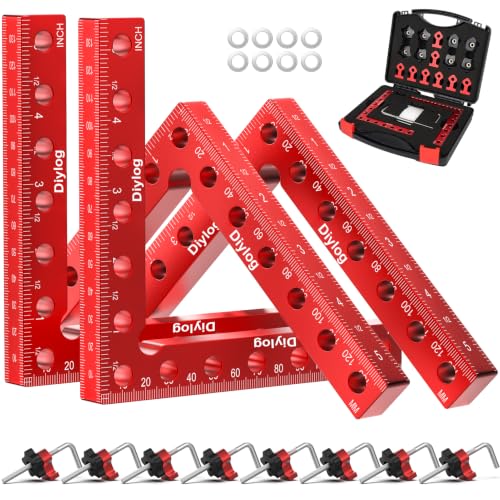
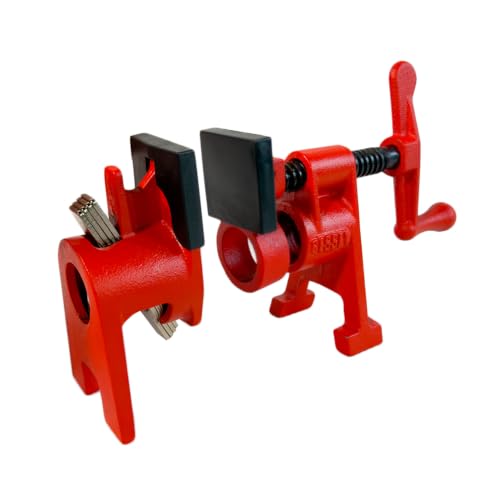
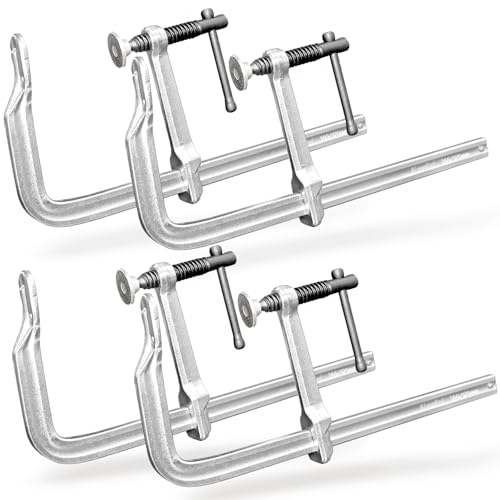
Bar clamps ride a sliding head along a steel or aluminum bar and handle general work at low cost. Parallel clamps keep their jaws square under load, which is why panel glue ups favor them. Spring clamps give instant light pressure for positioning. C clamps deliver the highest force in a small frame. Corner clamps hold miters at a true right angle, and band clamps wrap pressure around round or irregular shapes. Owning one of each family beats owning ten of the wrong one.
Clamping Pressure and Bar Stiffness
Pressure ratings range from tens of pounds for spring clamps to well over a thousand for heavy bar and C clamps. More is not automatically better: excess pressure starves a glue joint and can bow thin stock, while too little leaves gaps. The hidden factor is stiffness, since a thin bar flexes under load and concentrates pressure near the jaws instead of spreading it. Deep, heavy bars and parallel jaw designs resist that flex, which is the real reason they cost more.
Opening Capacity and Throat Depth
Capacity is how wide the jaws open, and throat depth is how far from the edge the pressure lands. Both must fit your work: a clamp that opens wide enough but reaches only two inches in cannot center pressure on a twelve inch panel. For general shops, mid length clamps around 24 inches see the most use, with a couple of long ones for tables and doors. Buy capacity for your biggest regular project, not your biggest imagined one.
Jaw Faces, Pads and Stock Protection
Bare steel jaws dent softwood and leave marks that sanding may not erase. Better clamps carry plastic or cork pads, or accept shop made cauls that spread pressure and protect faces. Parallel clamps with wide flat jaws double as their own cauls, which is part of their appeal for furniture work. Whatever you choose, keep a roll of painter's tape in the clamp rack; a strip over each jaw is the cheapest insurance in the shop.
Handles, Screws and One Hand Operation
You tighten clamps hundreds of times, so handle comfort is a working feature, not a nicety. Large winged or T handles and smooth Acme thread screws tighten fast without chewing your palms, while trigger style quick grips trade peak force for one handed speed that solo workers love. Check the release mechanism too, because a clamp that needs both hands and a grunt to open slows every glue up when the clock is running on open time.
Materials and Build Quality
Cast iron frames, cold drawn steel bars and hardened screws separate durable clamps from disposable ones. Aluminum bar clamps save weight for long lengths you lift overhead, at some cost in stiffness. Plastic bodied quick grips vary the most in quality: reinforced frames hold their rating, while thin ones flex and slip under load. A clamp is a lifetime tool when built well, so cost per year favors the sturdier tier if you clamp weekly.
Building a Clamp Collection in the Right Order
Start with four mid length bar or parallel clamps, because glue ups and assemblies are where clamps earn their keep, and panels cannot wait while you shop. Add two shorter quick grips for solo work and two spring clamps per workbench for positioning. From there, let projects pull your purchases: a corner clamp when picture frames and boxes appear, a band clamp when chairs and round work show up.
Panel specialists should read our guide to the best parallel clamps before doubling their set, because jaw size and bar weight differ a lot between lines. Framing projects reward the dedicated tools in our best corner clamps roundup, and small frame work has its own tricks covered in our best clamps for picture frames guide. However you grow the rack, buy multiples of the same clamp for glue ups, since matched clamps spread pressure evenly and sit flat on the bench.
Common Mistakes to Avoid
- Tightening glue up clamps as hard as possible, which starves the joint and bows the panel instead of sealing it.
- Owning one long clamp and four short ones, then improvising dangerous stacks when a wide panel needs even pressure.
- Letting bare steel jaws touch finished wood, leaving dents that appear only after the finish goes on.
- Using spring clamps as structural pressure, when they are made for positioning light parts only.
- Storing clamps fully tightened or in a damp corner, which stresses threads and invites rust on the bars.
- Buying capacity for a fantasy project and daily driving clamps that are too long and heavy for your real work.
How to Make Your Clamps Last Longer
Keep bars and screws clean and lightly waxed so sliding heads move freely and glue drips pop off instead of bonding to the steel. Wipe squeeze out from jaw faces before it hardens, and check pads for embedded grit that can scar the next workpiece. Store clamps hanging or racked with jaws relaxed, off a damp floor. A drop of oil on each screw thread once a year keeps tightening smooth, and rust spots come off with a fine abrasive pad before they pit the bar.
FAQ
What are the best clamps for a beginner shop?
Beginners get the most from four mid length bar clamps or parallel clamps, two quick grip clamps and a small set of spring clamps. That mix covers glue ups, assemblies and repairs without specialty purchases. Buy the four main clamps as a matched set, because mixed brands and jaw sizes make panel work uneven, and add specialty clamps only when a project demands them.
How much clamping pressure does wood glue actually need?
Far less than most people apply. A glue joint needs firm, even contact, roughly in the range that snug hand tightening on a quality bar clamp provides, with pressure spread by cauls on wide panels. Cranking beyond that squeezes glue out of the joint and can starve it. If the joint closes fully with a thin, even bead of squeeze out along its length, your pressure is right.
How long do quality clamps last?
Decades, in most cases. Cast iron and steel clamps have no motor to fail and few wear points beyond screw threads and pads, which tolerate years of use. The clamps that die early usually suffer rust from damp storage or bent bars from being used as pry tools. Treat them as the lifetime purchases they are, and the cost per project drops to nearly nothing.
Are expensive clamps worth it over budget ones?
For glue up work, yes, because jaw parallelism and bar stiffness decide whether panels come out flat, and those qualities live in the better tiers. For occasional holding and positioning, budget quick grips and spring clamps do fine. A sensible shop mixes both: premium parallel clamps for panels, economical clamps for the hundred small holding jobs that appear every week.
How do you clean glue and rust off clamps?
Dried wood glue releases from waxed steel with a stiff brush or a plastic scraper, and a coat of paste wax afterward prevents the next bond. Light rust wipes away with a fine abrasive pad and oil, while heavy rust on a screw thread may need a wire brush. Never grind a bar smooth, because the sliding head depends on that surface for its grip.
Final Thoughts
Build your rack around the work you do most: parallel clamps for panels, quick grips for solo repairs, C clamps for force, and specialty clamps as projects demand them. Buy matched multiples, protect your stock with pads, and the best clamps for your shop will quietly make every other tool look better. Compare the families in the product table above, then start with the four clamps your next project actually needs.


