Best Commercial Pressure Washers of 2026: Specs That Earn Their Keep
Disclosure: We may earn a commission when you buy through links on this page, at no extra cost to you. As an Amazon Associate I earn from qualifying purchases. Learn more

The best commercial pressure washer is bought on cleaning units and duty rating, not PSI alone. Compare pumps, drive types and service costs here.
Commercial pressure washing is a production job wearing a cleaning costume. Fleets, storefronts, driveways, and dumpster pads, all day, all week. That duty cycle rewrites the buying rules: the best commercial pressure washer is the one with a serviceable triplex pump, a frame that survives trucks and trailers, and cleaning power measured honestly, because a big PSI number on a small flow machine cleans slower than a balanced professional unit.
This guide explains the specs that separate commercial iron from consumer gear wearing pro colors: cleaning units, pump type, drive system, hot water options, and service access. If your work is actually residential, our guide to the best pressure washer covers the lighter classes honestly. For commercial buyers, the comparison table below lists the contenders, and the sections after it show how to size one against a real work schedule.
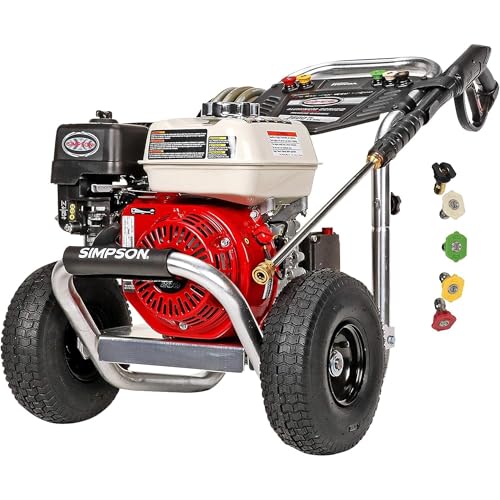
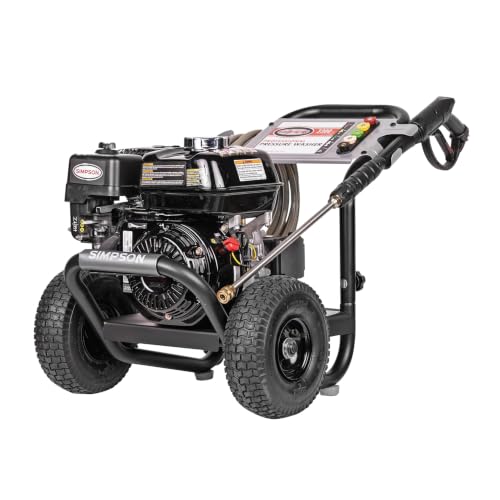
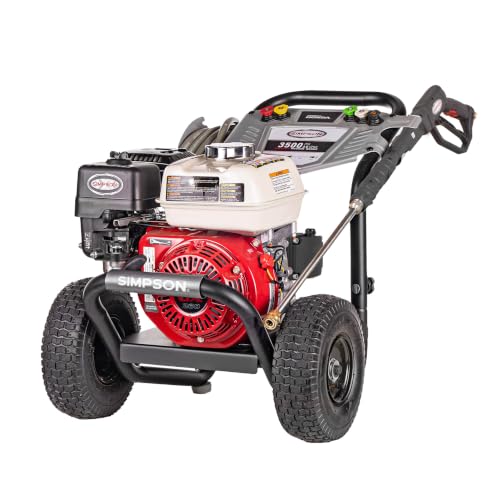
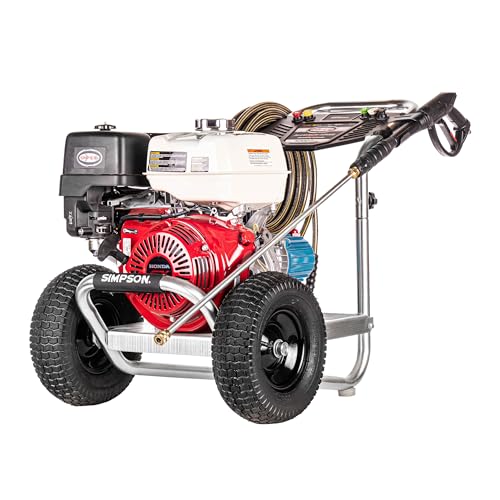

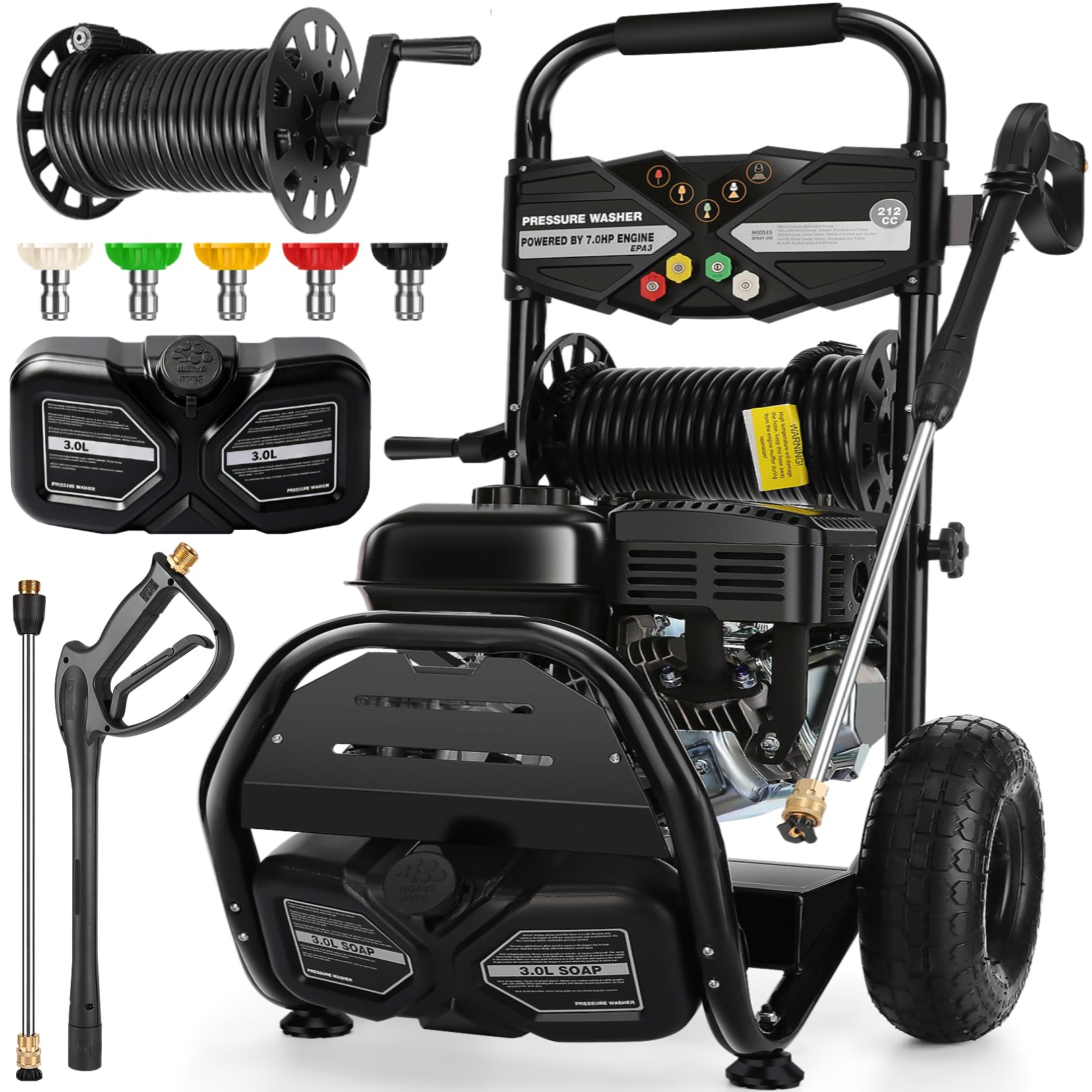
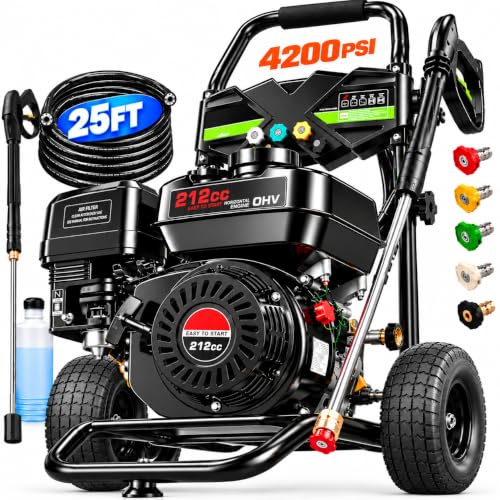
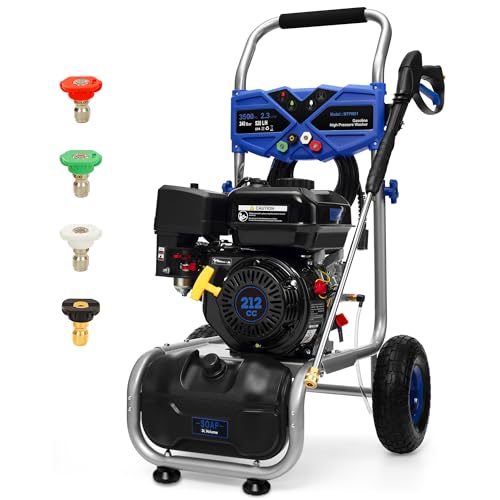
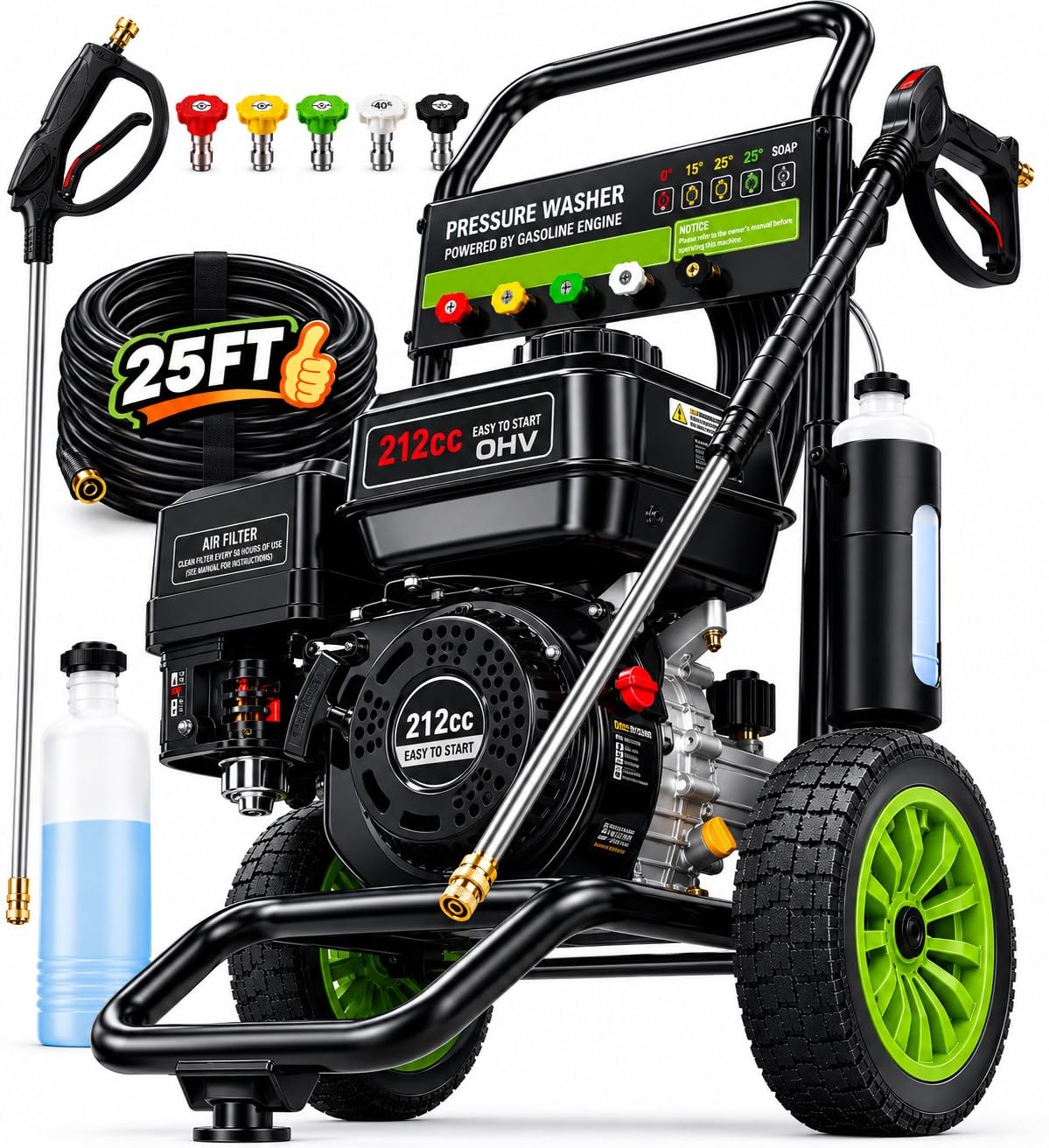
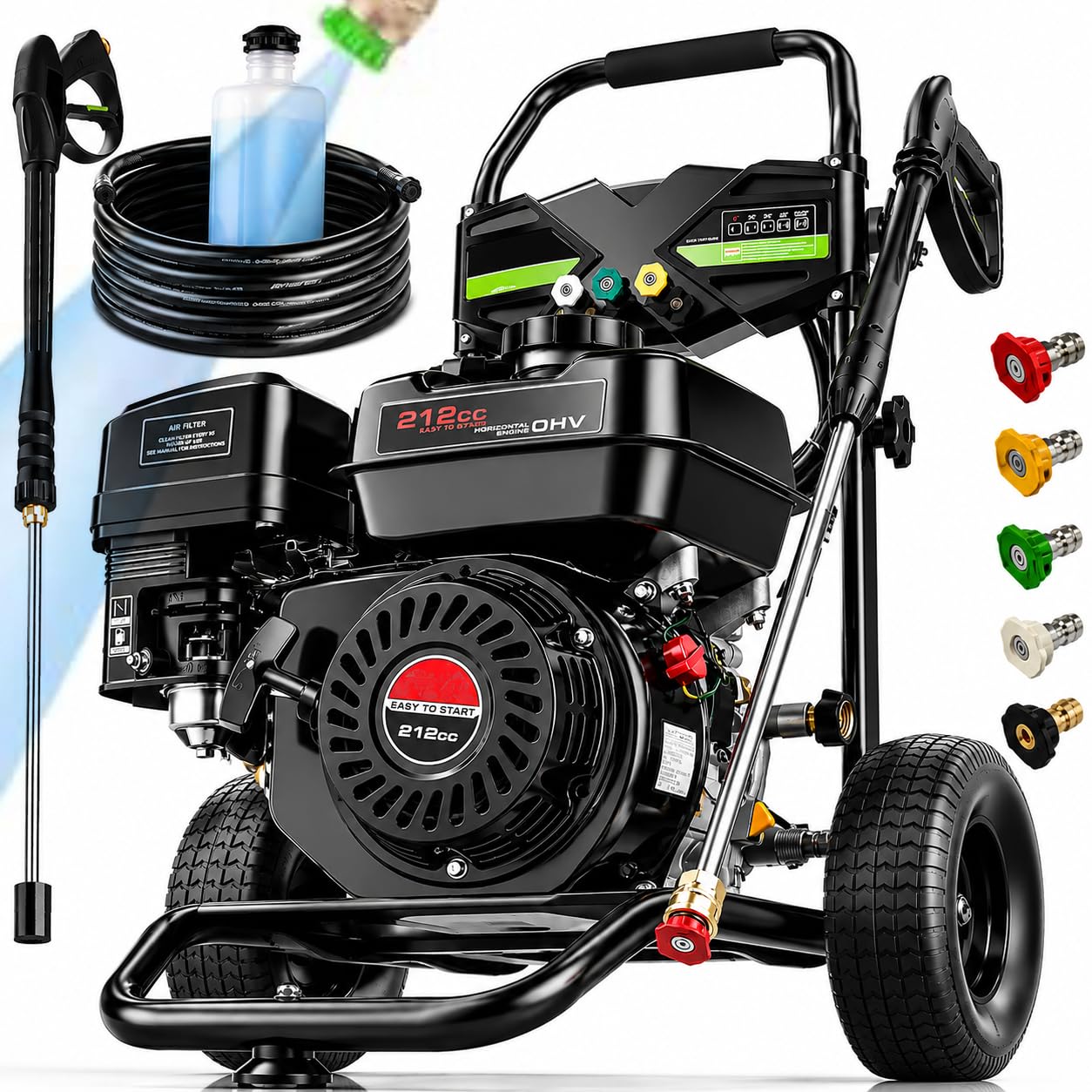
Who Should Buy Which Commercial Pressure Washer?
Mobile Cleaning Contractors
Your machine earns per hour, so cleaning speed and uptime outrank purchase price. A gas unit around 4 gallons per minute with a triplex pump and a 50 foot hose is the working standard, mounted or wheeled to move between storefronts. Hot water capability separates you on grease work like restaurant pads and drive through lanes. Buy from a dealer who stocks your pump seals and unloader parts, because a washer waiting a week on shipping is a crew standing still.
Property, Fleet, and Facility Managers
You wash your own assets: delivery vans, loading docks, sidewalks, and pool decks, on a weekly rhythm. An electric commercial unit suits indoor and warehouse work where exhaust cannot go, while a gas unit covers the lot and the building exterior. Fleet washing rewards detergent delivery and moderate pressure over raw PSI, since paint and decals are part of the asset. The workflows in our best pressure washer for cars guide translate well to fleet bays, with duty rated hardware swapped in.
Farm, Construction, and Equipment Crews
Your dirt is structural: mud, manure, concrete splatter, and grease on machines that cost more than houses. You need flow for rinsing volume, a frame that tolerates being chained to a trailer, and hoses long enough to circle a tractor without moving the washer. Hot water earns its keep on degreasing, and a belt drive pump shrugs off the long daily hours your schedule demands. Portability still matters, but durability voting beats weight voting in your world.
Key Features to Compare
Cleaning Units: PSI Times GPM
Professionals compare cleaning units, PSI multiplied by GPM, because that product predicts how fast a surface comes clean. A 3000 PSI unit flowing 4 GPM delivers 12000 cleaning units and will outpace a 4200 PSI unit flowing only 2.5 GPM on flatwork, while using less fuel per square foot of finished surface. Pressure strips and lifts soil; flow carries it away and rinses. For commercial flatwork, prioritize flow once pressure clears about 3000 PSI, and match the surface cleaner size to your flow so the bar spins evenly without striping the concrete.
Triplex Plunger Pump Quality
The pump is the machine. Commercial units use triplex plunger pumps with ceramic plungers, brass or nickel plated manifolds, and, most important, replaceable seals, valves, and unloader parts that a local shop can service in a day. Axial cam pumps on consumer gear are sealed and disposable by design. Ask two questions before buying: are the wear parts stocked locally, and what is the pump rated duty in hours per day? A pump rated for continuous commercial duty costs more today and replaces the whole machine less often.
Belt Drive Versus Direct Drive
Direct drive couples the pump straight to the engine shaft, making a compact, cheaper unit that spins the pump at full engine speed. Belt drive slows the pump through a pulley ratio, so plungers, seals, and bearings live longer and run cooler across long shifts, at the cost of size and price. For a few hours a week, direct drive is honest value. For daily commercial schedules, belt drive is the professional default, and its slower pump also tolerates hot supply water better, which matters when feeding from a tank in summer.
Hot Water Capability
Cold water cuts soil and rinses; hot water melts grease, oil, and gum, cutting detergent use and dwell time dramatically. Hot water machines add a burner, coil, and fuel system, and their price and maintenance climb accordingly. Not every commercial buyer needs heat: house washing, concrete brightening, and fleet rinsing often run cold by design. Decide from your worst recurring job. One grease contract a month can justify the burner; a pure flatwork route cannot, and the saved money buys the surface cleaner and hose reel that speed every single day.
Frame, Wheels, and Hose Length
Commercial frames are welded steel with a low center of gravity, pneumatic or flat free tires that roll over gravel and curbs, and lifting points that make sense on a trailer. A 50 foot high pressure hose is the working minimum for staying off ladders and away from the machine roar; reel mounts keep that hose alive instead of kinked and abraded. Check the small survival details: vibration isolators under the engine, a throttle you can reach with gloves, and a fuel tank sized for a shift, not a demo.
Detergent Delivery and Accessories
Downstream injectors pull detergent after the pump, protecting it from chemicals, and they are the commercial standard for applying soap at low pressure. Dedicated tanks and adjustable metering matter when you switch between degreaser and house wash mix across a route. Accessory compatibility is a buying spec too: confirm the lance uses standard quick connect sizes so surface cleaners, turbo nozzles, and foam gear from any supplier fit. Proprietary fittings quietly tax every future purchase, and they strand you when a part fails two towns from home.
Commercial Versus Consumer Grade: The Real Differences
The gap is duty rating, not shine. A consumer washer may advertise similar PSI, but its sealed pump, light frame, and short hose are built for a few dozen hours a year. Commercial gear is rated in hours per day, wired and plumbed for service, and supported by dealers who stock wear parts. Put a consumer unit on a route and it will die mid season with no repair path; that is the expensive way to learn the distinction.
There are honest middle cases. A light commercial user, say a landlord washing a few properties monthly, can stretch a premium consumer unit and accept the risk. And for quick indoor jobs with no exhaust tolerance, the compact approach in our best cordless pressure washer guide handles spot work that would never justify firing the big machine. Know which side of the line your hours sit on, and buy once for that side. For comparison, our best pressure washer for home use guide shows exactly where the home classes top out.
Common Mistakes to Avoid
- Shopping by PSI alone and buying a high pressure, low flow machine that cleans acres slowly.
- Running a sealed consumer pump on a commercial route, where one failure deletes the whole machine.
- Skipping the water supply check, then starving a 4 GPM pump with a weak spigot and cavitation.
- Pointing a zero degree nozzle at paint, wood, or skin; the jet that strips concrete also causes injection injuries that need emergency care.
- Storing the pump wet through winter, so a single freeze cracks the manifold.
- Ignoring local runoff rules, since many cities require wash water recovery on commercial jobs.
How to Make Your Commercial Pressure Washer Last Longer
Pump care is the business model. Never let the machine idle in bypass for more than a couple of minutes, because recirculating water heats fast and cooks seals; squeeze the trigger or shut down. Check pump oil on schedule, run a pump saver or antifreeze through it before freezing storage, and winterize the coil on hot water units the same week. Keep inlet screens clean, since a starved pump cavitates and eats its own valves. These habits stretch a commercial pump across thousands of hours.
The rest of the machine wants the same respect: inspect high pressure hoses for worn jackets before they burst, store them coiled large, and replace tired O rings at the first hiss instead of cranking fittings tighter. Log hours like a fleet asset, because seal kits are cheap on a schedule and catastrophic on a deadline. A contractor who treats the washer as the revenue tool it is will retire it worn and profitable, not broken and mid contract.
FAQ
Are commercial pressure washers worth it for a small cleaning business?
Yes, once your schedule passes a few jobs a week. The return is not the badge; it is cleaning speed from higher flow, a pump you can reseal instead of replace, and parts availability that keeps the route moving. A single saved week of downtime can cover the price gap against consumer gear. Below that schedule, rent for the big jobs and run a quality home unit for the rest, because idle commercial iron still needs maintenance and storage.
What is the best commercial pressure washer configuration for flatwork?
For driveways, sidewalks, and parking pads, aim for about 3000 to 3500 PSI with flow near 4 GPM, a triplex pump, and a surface cleaner sized so each nozzle gets roughly half the total flow. That pairing cleans fast without etching residential concrete. Add a turbo nozzle for gum spots and curbs. Hot water only joins the list if grease dominates your route; for standard flatwork, flow and the right surface cleaner beat heat every shift.
How long does a commercial pressure washer last?
A triplex pump on a maintained machine commonly runs several thousand hours, with seal and valve kits refreshed along the way, and engines in this class often outlive two pumps. The frame and fittings usually end the story through corrosion and crashes, not hours. Compare that with consumer pumps rated in the low hundreds of hours and the commercial premium explains itself. Track hours from day one; guessing at seal intervals is how small leaks become cracked manifolds.
Is a commercial pressure washer worth it for home use?
For most homes, no: the cost, weight, noise, and maintenance exceed what driveways and siding ask a few times a year, and the extra flow can damage wood and soft mortar in untrained hands. A large property with long concrete runs, outbuildings, and equipment to wash is the exception that proves the rule. Everyone else gets better value from the top of the home classes plus a surface cleaner, and from renting hot water for the rare grease disaster.
How do you clean and winterize a commercial pressure washer?
Flush detergent from the injector, run clean water through the pump, then circulate pump saver or antifreeze until it exits the outlet, which protects seals and blocks freeze damage. Drain hoses fully, since trapped water splits them silently. Wipe down the frame, check pump and engine oil, and store indoors off concrete if you can. In spring, inspect every fitting and the unloader before the first job; five minutes then prevents the classic first day blowout.
Final Thoughts
Buy cleaning units and duty rating, choose the pump you can service locally, and let your worst recurring job decide the hot water question. Commercial washing rewards boring, correct decisions repeated daily: enough flow, fresh seals, water that never freezes in the pump. The best commercial pressure washer is the one still earning in year three while cheaper machines have been replaced twice. Compare the finalists in the product table above against your route and your hours, and buy the machine your schedule demands.