
Best Compact Multitool for 2026: A Buying Guide
Disclosure: We may earn a commission when you buy through links on this page, at no extra cost to you. As an Amazon Associate I earn from qualifying purchases. Learn more

Choose the best compact multitool by comparing size classes, plier strength, tool selection, and carry options for a pocket, keychain, or everyday bag.
A compact multitool earns its place by being present when a problem appears, in a pocket, on a keychain, or in a bag, rather than sitting in a toolbox at home. The best compact multitool balances three things that fight each other: small size, genuinely useful tools, and enough strength to finish real tasks. This guide explains the size classes, which tools matter at this scale, and the trade offs hiding behind tool counts. The comparison table below groups the main classes side by side.
Compact models are not simply shrunken full size tools, and judging them by the standards of our guide to the best multitool designs leads to bad picks. Here, every point is weighed against the size limit that defines the category.

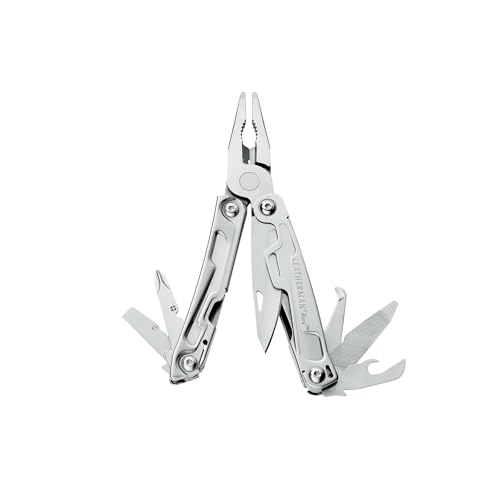
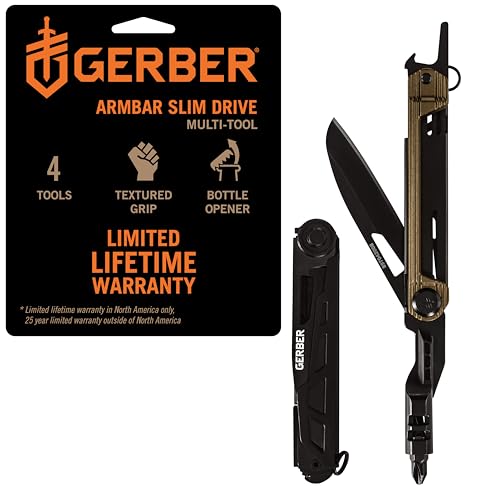

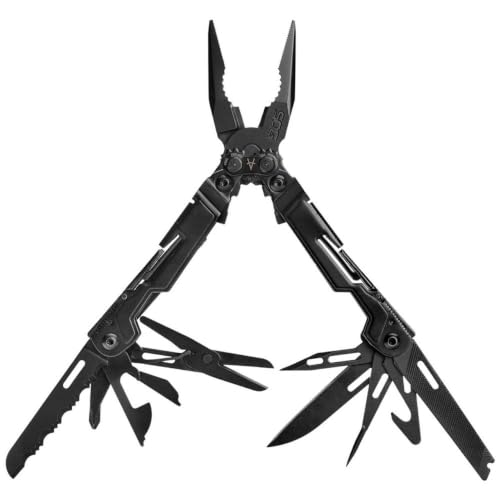
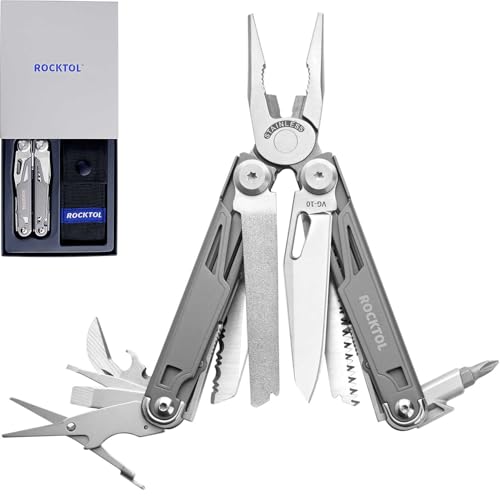
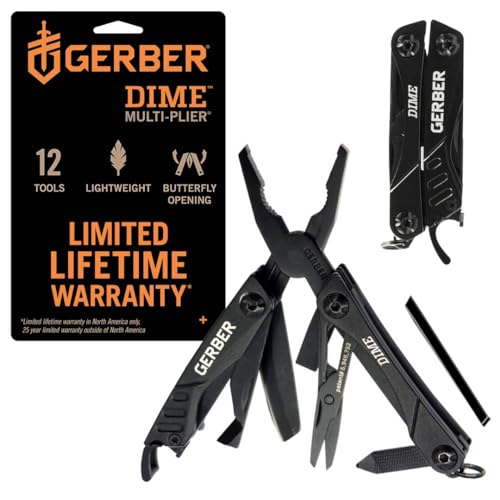

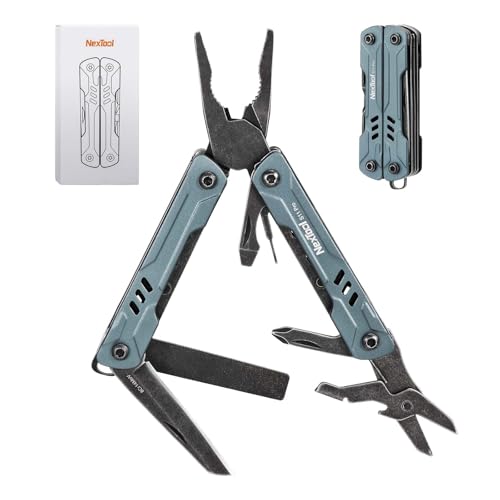
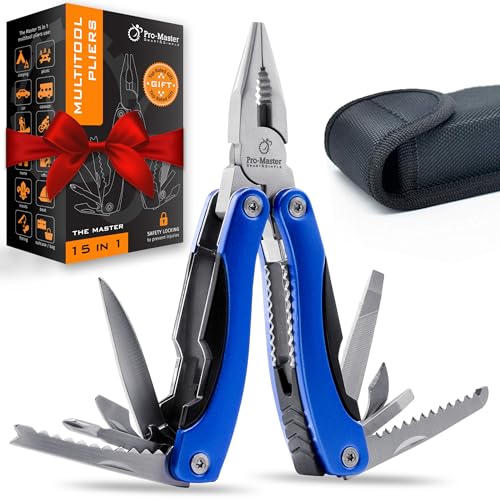
Who Should Buy Which Compact Multitool?
The right size class depends on how you actually carry a tool through your day.
Everyday Carry Minimalists
If you want one tool that disappears into a pocket, a pocket class model around 4 inches closed with pliers, a blade, and drivers covers the widest range of daily surprises. Shoppers building a deliberate daily kit will find kindred options in our guide to the best multitool for EDC, where pocket carry is the entire point. Choose this class when carry comfort decides whether the tool comes along at all.
Keychain and Bag Carriers
The smallest class rides on a keyring or in a purse or laptop bag, trading plier strength for true invisibility until needed. These tools excel at packages, loose screws, bottle caps, and small repairs away from home. Our roundup of the best keychain multitool models covers this class in depth if the keyring is your carry spot.
Glove Box, Desk, and Travel Kit Users
Some compact tools live in a car console, a desk drawer, or a travel bag rather than on your person. For those spots, a slightly larger mini model with stronger pliers and a better blade is worth the extra ounces, since carry comfort barely matters. This class bridges the gap between pocket tools and the full size multitool in the garage.
Key Features to Compare
Size Classes and Closed Length
Compact multitools fall into three rough classes: keychain models under about 3 inches closed, pocket models around 3 to 4 inches, and mini models approaching 4.5 inches. Each step up buys noticeably stronger pliers and longer blades, at the cost of pocket presence. Weight follows the same ladder, from about an ounce or two up to roughly 6 or 8 ounces. Decide your carry spot first, because it sets the class ceiling.
Pliers Strength and Grip Comfort
Pliers are the heart of most multitools, and compact versions shrink the jaws and handles, which cuts gripping force and comfort. Spring loaded pliers reduce hand fatigue on repeated cuts and grips, a feature worth seeking at this size. Test expectations honestly: compact pliers handle wire, small nuts, and stubborn packaging well, but they are not a substitute for real pliers on rusted or large fasteners.
Tool Selection That Earns Its Space
At compact sizes, every tool must justify its thickness. The essentials for most people are a blade, pliers, a flat and Phillips driver solution, a file or scissors, and an opener. Long tool lists at this size usually mean thin, weak implements added for the count on the box. A short list of sturdy tools beats a long list of fragile ones every time the tool meets real work.
Locking Tools and One Hand Access
Locking blades and drivers matter more on small tools, because small handles give you less control when a tool folds unexpectedly. Some compact models offer one hand opening blades, which helps when your other hand is holding the work. Check local rules on blade locks and carry, since laws for locking blades vary by place and a compact tool often travels with you across those lines.
Materials and Construction Quality
Stainless steel grades and handle construction decide whether a compact tool survives years of pocket life or loosens within months. Riveted budget models cannot be tightened when pivots loosen, while better builds use screws and thicker stock. Pocket lint and moisture attack small tools constantly, so corrosion resistance matters more here than on a garage kept full size tool.
What a Compact Multitool Cannot Do
Knowing the limits prevents the classic disappointment of this category. Compact multitools will not replace a real screwdriver on long screws, a real knife for food prep or heavy cutting, or real pliers on plumbing and automotive fasteners. Their blades are short, their drivers stubby, and their leverage limited by design. Buy one as an always present problem solver for small jobs, and it will delight you; buy one as your only toolbox, and it will frustrate you within a week.
What You Can Expect to Pay
Keychain class tools generally run about $15 to $35, pocket class models about $30 to $70, and premium compact models with better steel and locks can reach about $80 to $120. The middle band is the value zone, where pivots, springs, and blades all improve noticeably. Very cheap compact tools are common gifts and common disappointments, since thin tools bend exactly when you lean on them. Warranty length is a useful signal in this category: makers who guarantee a small tool for many years are telling you the pivots and springs were built to survive daily carry.
Common Mistakes to Avoid
- Choosing by tool count, which rewards makers for adding thin, weak implements you will never use.
- Buying a keychain model for jobs that need real pliers, then blaming the category when the small jaws slip.
- Forgetting airline rules and packing a bladed multitool in a carry on bag, where it will be confiscated.
- Ignoring pivot design and ending up with a tool that loosens into a rattling handful within a season.
- Carrying the tool loose with coins and keys unprotected, which dulls the blade edge and fills the joints with grit.
How to Make Your Compact Multitool Last Longer
Blow pocket lint out of the joints regularly and work a drop of light oil into each pivot a few times a year. Dry the tool after wet use, since pockets and bags trap moisture against the steel. Touch up the blade with a few strokes on a small sharpener before it gets truly dull, because short blades are easier to maintain than to rescue. Tighten any pivot screws gently when play appears, and store the tool in its sheath or a separate pocket slot to protect both the tool and your other gear.
FAQ
What is the best compact multitool?
For most people, the best compact multitool is a pocket class model around 4 inches closed with spring loaded pliers, a locking blade, and a sensible driver set. Keychain models win only when any larger tool would simply be left at home. The best choice is the largest tool you will honestly carry every day, because a carried tool beats a stronger one in a drawer.
Are compact multitools worth it?
Yes, for the small daily problems they are built for: packages, loose hardware, minor repairs, and adjustments far from a toolbox. Their value comes from presence, not power. Owners who expect them to replace a real tool kit will be disappointed, while owners who treat them as a first response tool tend to use them weekly.
How long does a compact multitool last?
A well made compact multitool lasts for years of daily carry, with the blade edge and pivot tightness needing the most attention. Budget models often loosen or corrode within a year or two of pocket life. Corrosion resistance and serviceable pivots are the two features that most clearly separate a long lived tool from a short lived one.
Can you take a compact multitool on a plane?
Bladed multitools belong in checked luggage, not in a cabin bag, under current US airline security rules. Some bladeless compact models exist for travelers, built around scissors, drivers, and files instead of a knife. Rules vary by country and change over time, so check the current guidance for your route before packing any multitool.
How do you clean a compact multitool?
Open every tool, wash the multitool in warm soapy water, and work an old toothbrush into the joints where lint packs tightly. Dry it fully, ideally with a few blasts of air, then oil each pivot lightly. Pocket lint is the main enemy at this size, and a monthly cleaning keeps stiff tools moving and prevents the gritty feel that makes owners stop carrying the tool.
Final Thoughts
Pick the size class by your carry spot, then choose sturdy essentials over long tool lists. The product table above lines up the classes so size, weight, and price sit in one view. For most pockets, the best compact multitool is a pocket class model with spring loaded pliers and a locking blade. Prices and availability can change, so check the product page before ordering.


