Best Compact Pressure Washers in 2026: A Complete Buying Guide
Disclosure: We may earn a commission when you buy through links on this page, at no extra cost to you. As an Amazon Associate I earn from qualifying purchases. Learn more

The best compact pressure washer fits a closet yet still cleans cars, patios and siding. Compare cleaning units, reach and storage features before buying.
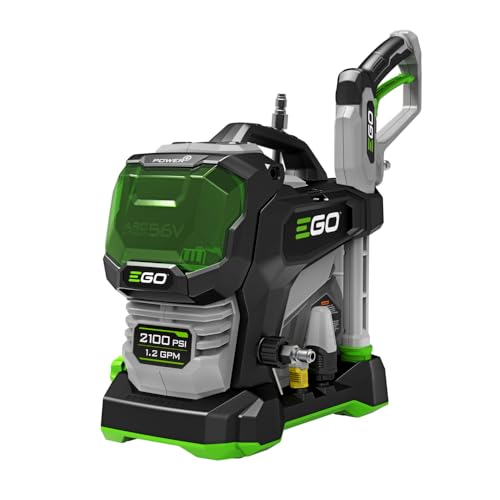
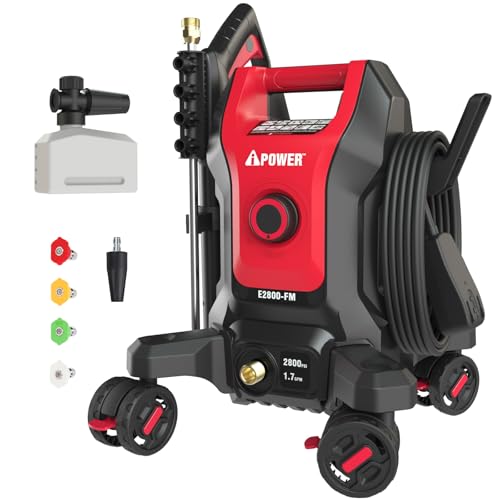
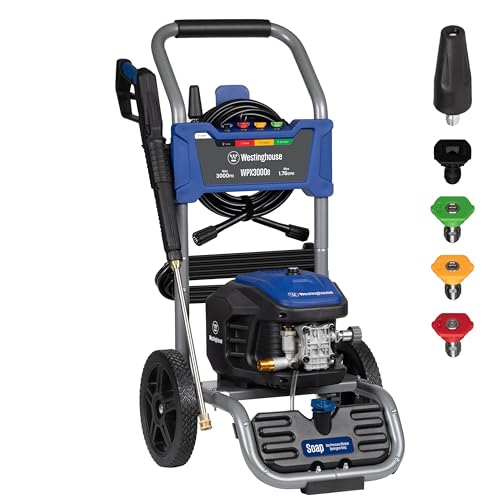
Not every home has a garage bay to spare for cleaning gear. The best compact pressure washer shrinks the machine to a carry on size package that lives in a closet, a balcony corner or the trunk of a car, yet still delivers enough pressure and flow to wash vehicles, patios and siding. The comparison table below shows how compact models trade size against cleaning power.
Compact is a design promise, not just small dimensions. The good ones wrap the hose and cord neatly on the body, carry by a balanced handle, and reach a full work area without moving the unit every few minutes. Cleaning units, motor type, reach and storage design decide whether a small washer feels like a smart tool or a toy. This guide works through those trade offs for the spaces most compact buyers actually live in.




Who Should Buy Which Compact Pressure Washer?
Apartment, Condo and Townhome Owners
If your outdoor space is a balcony, a small patio and a parking spot, a compact electric washer matches your life. It stores upright in a utility closet, runs quietly enough for shared walls, and draws from a standard outlet. You need enough pressure for balcony concrete, outdoor furniture and the car, not for stripping a farm driveway. Look for a unit under about 20 pounds with onboard storage for every accessory, because loose nozzles and hoses are the first things lost in a small home. A model that can draw water from a bucket adds freedom where no outdoor faucet exists.
Car and Motorcycle Owners Who Wash at Home
For vehicle washing, compact washers are close to ideal: moderate pressure that respects paint, quick setup, and easy storage beside the detailing shelf. Your key features are a foam cannon fitting for detergent, a gentle fan nozzle in the box, and enough hose to walk around the car without dragging the unit. Total reach matters more than headline pressure, since you work at a distance from the panels. Our best pressure washer for cars guide covers technique and safe pressures in depth once you have the machine.
RV, Boat and Second Property Owners
Travelers value a washer that rides in a storage bay and wakes up ready after months of sitting. Compact electric units tolerate storage well, need no fuel care, and handle the wash downs that RV life demands: road film, bug residue, awning grime and dock side decks. A GFCI protected plug is essential around water and marinas. If the washer will also serve the house, choose the upper end of the compact class for a little more flow, and it will cover siding and driveways at home pace without complaint.
Key Features to Compare
Cleaning Units: The Honest Power Figure
Compact washers quote pressure from about 1,500 to 2,200 PSI, but pressure alone misleads. Multiply PSI by flow in GPM to get cleaning units, the figure that predicts how fast a surface actually comes clean. A 1,800 PSI unit at 1.4 GPM outcleans a 2,200 PSI unit at 1.0 GPM on most household jobs, because the extra water carries loosened dirt away. Flow in this class is modest by design, so expect patio and vehicle work to go at a steady pace rather than a contractor rush. Match cleaning units to your biggest surface: small patios and cars are happy anywhere in the class, while long driveways will test your patience at the low end.
Size, Weight and Storage Design
The whole point of the category is the stored package. Measure the closet or shelf the washer will occupy and compare it with the unit dimensions including its handle and hose wrap. The best compact designs store the hose, cord, wand and nozzles on the body, so one grab takes everything outside. Weight between about 12 and 25 pounds covers the class; lighter units carry like a toolbox, while heavier ones usually add wheels. A top handle that balances the load over your hand makes stairs and trunk loading far easier than an offset grip that twists your wrist.
Motor Type: Universal vs Induction
Most compact washers use a universal motor, which is light and cheap but loud and shorter lived. A minority use an induction motor, which runs quieter, lasts much longer and draws steadier power, at the cost of extra weight and price. If you wash weekly and hate noise, the induction premium pays you back every session. If the washer comes out monthly for the car, a universal motor is a rational saving. Either way, a total stop system that shuts the motor off when you release the trigger saves wear and noise, and it should be considered standard equipment in this class.
Total Reach: Hose, Cord and Working Radius
Compact machines move with you only if their tether allows it. Add the power cord length and the pressure hose length to find your real working radius from the outlet; around 20 feet of hose and 30 feet of cord is a comfortable target. Short hoses force you to reposition the unit constantly, which is when washers tip over and fittings get yanked. Check that the hose is flexible in cool weather, because stiff hoses fight you on every turn around the car. Quick connect fittings at both ends speed setup and reduce the cross threading that ruins plastic pump outlets.
Nozzles, Detergent and Surface Fit
Most compact washers ship with an adjustable fan nozzle or a small set of quick connect tips. A variable nozzle suits beginners because one twist moves from a gentle fan to a focused jet, while tip sets give repeatable patterns for users who wash several surfaces. A detergent tank or foam cannon fitting matters if vehicles are the main job, since soap dwell time does half the cleaning. Avoid turbo nozzles on car paint and soft wood; they concentrate the jet into a rotating point that can scar surfaces at compact washer distances. The gentlest setting that still lifts the dirt is always the right one.
Compact vs Full Size: What You Give Up and Keep
A compact washer gives up flow first, so big flatwork takes longer, and it gives up duty cycle, so long continuous sessions need pauses. It keeps everything else that matters for household work: enough pressure for siding, vehicles, patio furniture and walkways, at a fraction of the storage and noise. Setup shrinks to minutes, which quietly changes behavior: a washer that is easy to start gets used for small jobs all season instead of one heroic spring clean. If your property includes long concrete drives or you plan to strip paint and pre treat large decks regularly, a full size machine from our best pressure washer range serves better. For the majority of homes, the compact class covers the real job list, and households splitting the difference often land on the models in our best pressure washer for home use guide.
Common Mistakes to Avoid
- Buying on PSI alone and ending up with a low flow unit that cleans a ribbon at a time.
- Holding the jet close to car paint and soft wood to speed the job, etching lines the surface keeps.
- Dragging the unit by its hose, which loosens fittings and tips the machine onto its pump connections.
- Storing the washer with water inside through a freeze, cracking the pump housing.
- Running the pump dry while you reposition, because compact pumps overheat quickly without water flow.
- Using indoor extension cords outdoors, instead of a heavy gauge cord rated for exterior use and the amp draw.
How to Make Your Compact Pressure Washer Last Longer
Run clean water through the detergent system after soapy jobs so dried soap does not clog the injector. Release the pressure and drain the hose and pump before storage, then coil the hose in large loops to protect it from kinks that become weak points. Keep the inlet filter screen clean; a clogged screen starves the pump and causes the surging many owners blame on the motor. Store the unit indoors, upright, and out of freezing temperatures, and give the trigger a short burst every month or two in the off season to keep seals supple. Treat the plastic fittings with care, snug rather than forced, and a compact washer will give years of service. Seasonal draining follows the same logic as any washer storage routine, and owners who also run a heated commercial unit will find the winter rules stricter there; for occasional spot jobs away from the house, a best cordless pressure washer can handle rinsing without any setup at all.
FAQ
Are compact pressure washers worth it?
Yes, for households whose cleaning list is vehicles, patios, siding, outdoor furniture and walkways. The time saved on setup compared with a full size machine means the washer actually gets used, which is where the value hides. They are not worth it as a substitute for contractor equipment on large driveways or paint stripping. Judge by your largest regular surface, not your largest imaginable one, and most homes land firmly in compact territory.
How much PSI does a compact pressure washer need for a car?
Around 1,500 to 1,900 PSI with a wide fan nozzle is the safe and effective zone for vehicle paint. Use the fan pattern, keep the nozzle a foot or more from the panel, and let detergent do the heavy work on road film. More pressure does not clean a car faster; it only raises the risk to paint edges, badges and window seals. Flow helps rinsing more than pressure does, so favor the higher GPM option between two similar models.
Can a compact pressure washer clean a concrete driveway?
Yes, with patience. Work in overlapping strips with a 15 or 25 degree fan tip, keep the wand moving at a steady height, and expect a standard one car driveway to take a while at compact flow rates. A surface cleaner attachment, if the model supports one, evens out the finish and speeds the job noticeably. Deep oil stains need detergent and dwell time first, because pressure alone will lighten but not lift them.
How do you store a compact pressure washer for winter?
Drain everything: disconnect the hoses, tip the unit to empty the pump, and run the motor for a few seconds only if the manual allows it to clear residual water. Coil the hose loosely, remove and dry the nozzles, and store the package indoors where temperatures stay above freezing. A pump saver antifreeze product, drawn through the inlet as directed, protects seals and internal passages in unheated garages. Never store it with pressure still trapped in the hose.
How long does a compact pressure washer last?
A universal motor model used monthly typically serves three to five years, while an induction motor model kept drained and indoors can run far longer. The pump seals and the inlet filter decide most of the real lifespan, and both suffer when the unit runs dry or stores wet. Treat it as a small appliance rather than a contractor tool, avoid marathon sessions, and the service life stretches accordingly.
Final Thoughts
The best compact pressure washer for your home is the one with cleaning units matched to your biggest regular surface and a stored size that fits the space you truly have. The product table above compares the class on those points. Favor reach, storage design and motor type over headline pressure, and this small machine will quietly handle your washing for years.