
Best 16 Inch Chainsaws (2026): A Size and Power Buying Guide
Disclosure: We may earn a commission when you buy through links on this page, at no extra cost to you. As an Amazon Associate I earn from qualifying purchases. Learn more

A 16 inch chainsaw suits firewood, storm cleanup and thick limbs. Compare gas, cordless and corded power, chain specs, weight and safety features.
Sixteen inches is the bar length most homeowners end up with, and for good reason: it is long enough to buck firewood and clear storm damage, yet short enough to stay controllable for someone who cuts a few times a year. Still, two saws with the same bar can feel completely different once the chain bites. Finding the best 16 inch chainsaw means matching the power source, chain spec and weight to the wood you actually cut.
This guide explains what a 16 inch bar can and cannot do, then compares the three power types that dominate this size. The comparison table below gives the quick view, and the sections after it dig into chain pitch, oiler design and safety gear. If you are still deciding on bar length, our broader guide to the best chainsaw range covers every size class.
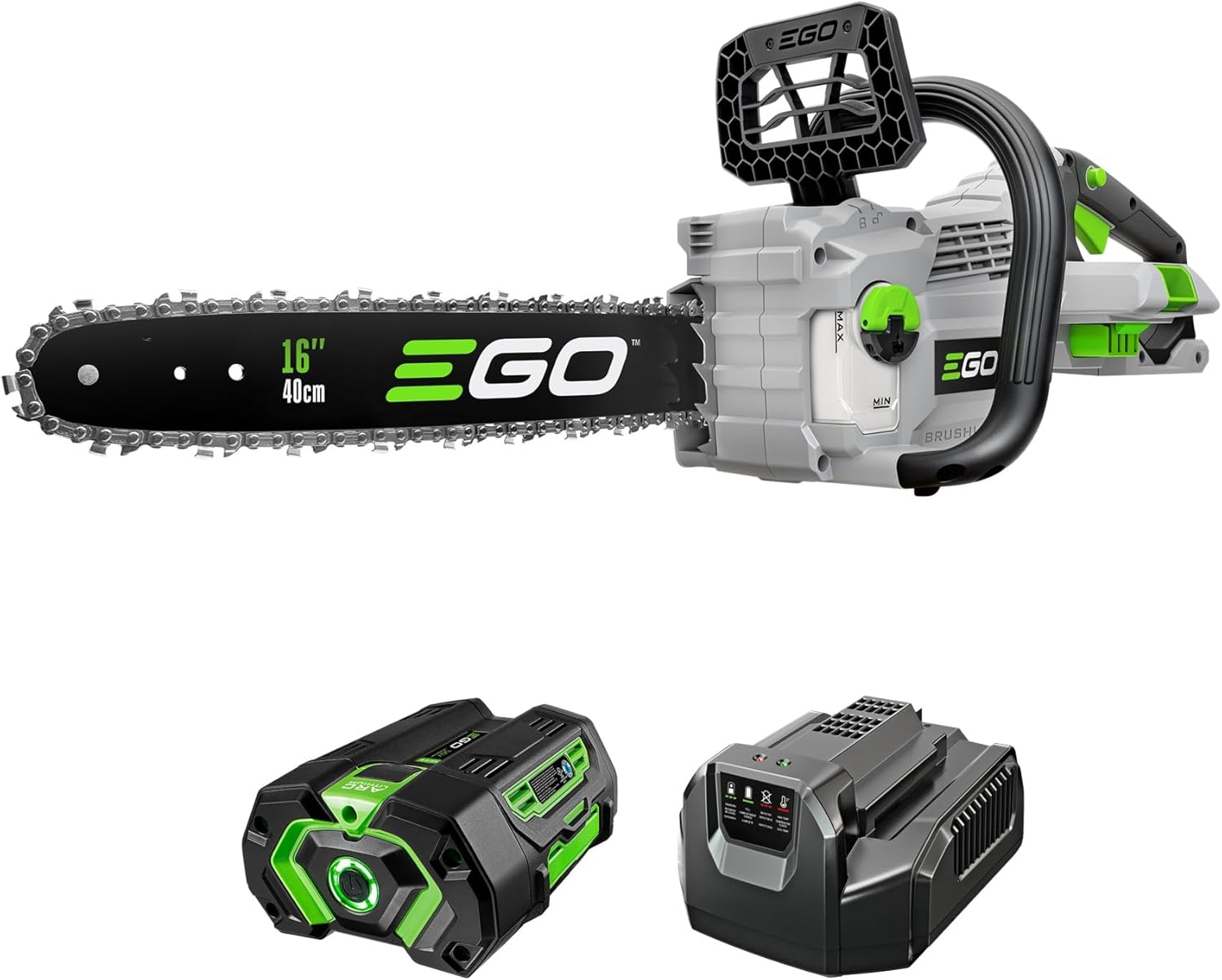

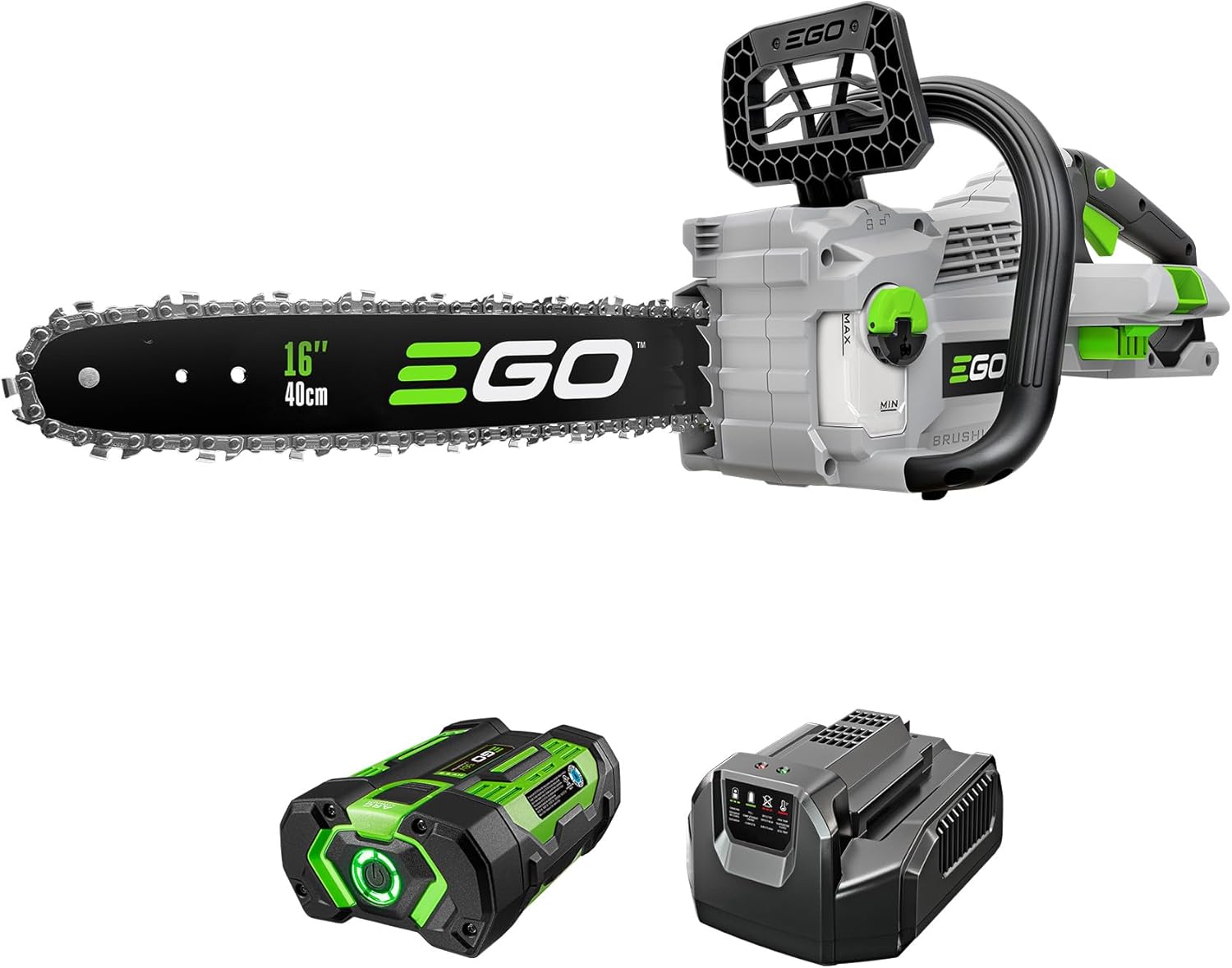
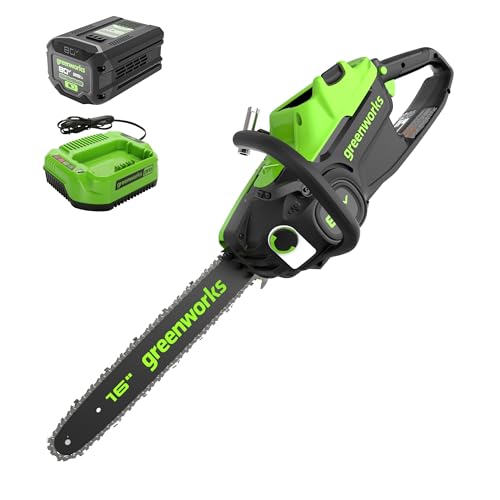


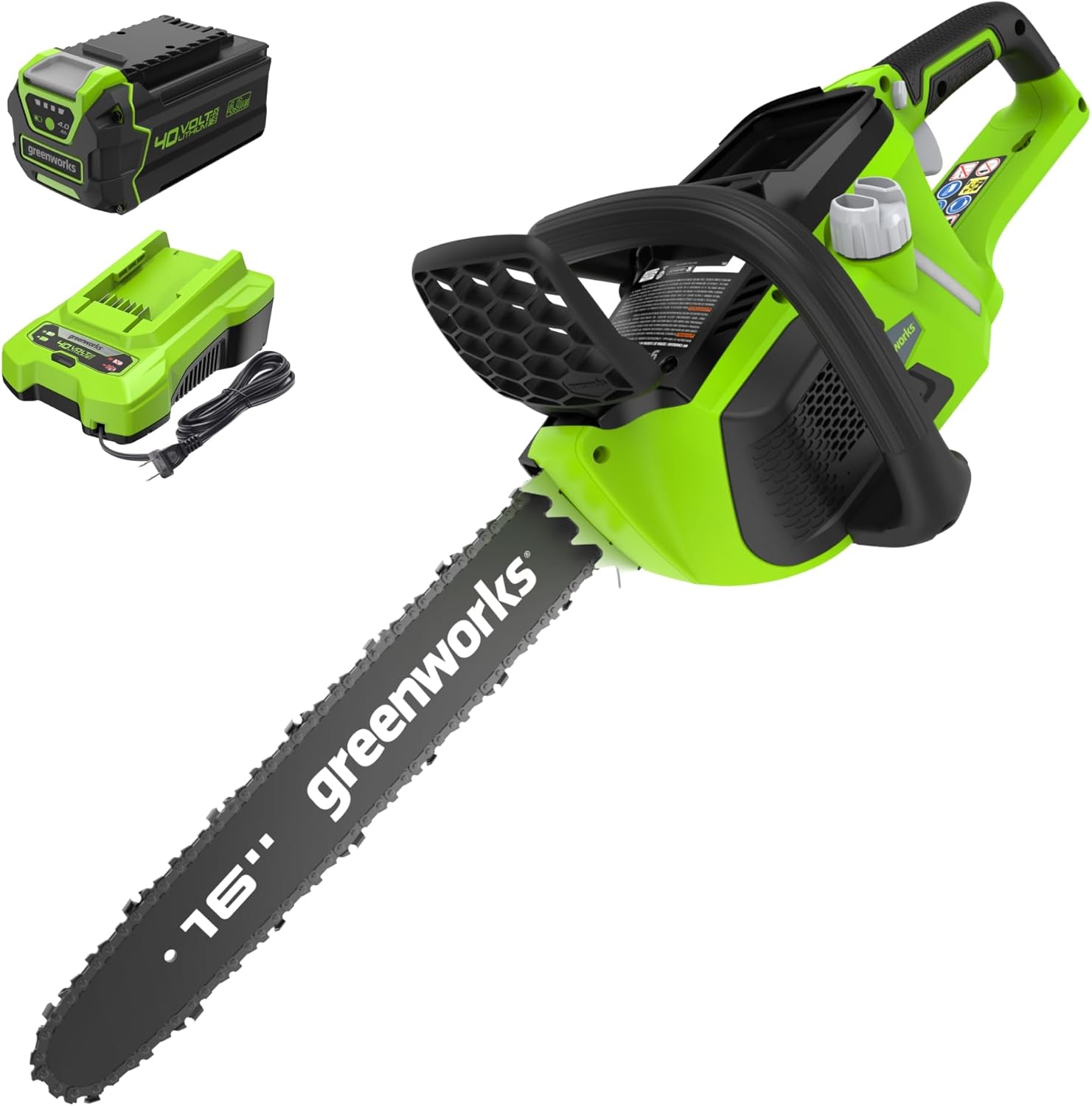
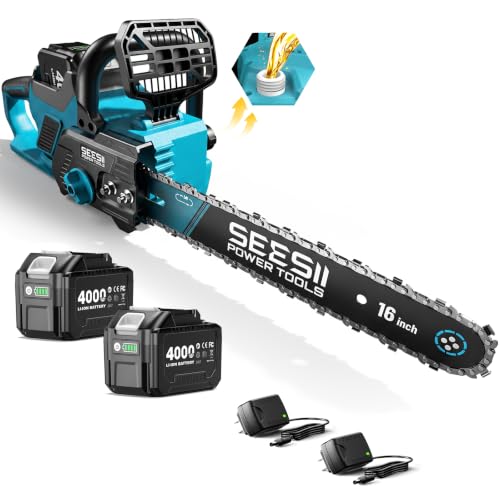

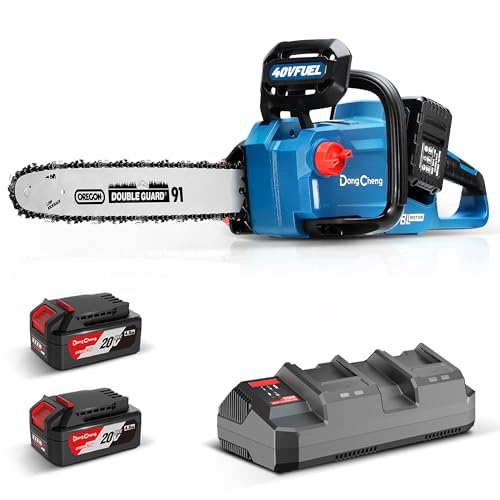
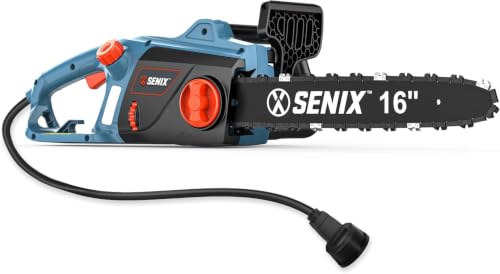
Who Should Buy Which 16 Inch Chainsaw?
Firewood Cutters Working From a Log Pile
You buy or gather logs and buck them into stove lengths at home. A gas saw in the 40 to 45 cc range, or a strong cordless model on a high capacity pack, keeps chain speed up through oak and maple rounds all afternoon. Weight matters less here because the saw rests on the log, but an adjustable oiler matters more, since long cutting sessions drink bar oil steadily.
Homeowners Handling Storm Cleanup
Your cutting comes in bursts after bad weather: a fallen limb across the drive, a split trunk leaning on the fence. A cordless 16 inch saw suits you best, because it starts the second you pull the trigger, needs no fuel mixing, and stores for months without stale gas. Keep the pack charged and the chain sharp, and the saw is ready the morning after a storm.
Occasional Users Pruning Thick Limbs
You cut a few times a year, mostly limbs too thick for a pruning saw and small trees you can fell safely from the ground. A light corded electric or a compact cordless model keeps weight and maintenance low. Be honest about frequency: a saw that sits for two years between uses punishes gas owners with gummed carburetors, while electric saws wake up ready.
Key Features to Compare
What a 16 Inch Bar Really Cuts
A 16 inch bar handles logs up to about 14 inches across in a single pass, and up to roughly twice that if you cut from both sides on a log resting safely on the ground. In practice, comfort ends sooner than geometry: hardwood rounds above 12 inches slow a small saw and heat the chain. If most of your wood is 8 to 12 inch firewood, this size is the sweet spot. Bigger timber, cut often, is a reason to step up a class rather than force this one.
Power Source and Output Class
Gas saws rate power by engine size, and 38 to 45 cc covers this bar length well for hardwood. Cordless saws depend on platform voltage and pack capacity, and a 16 inch bar is near the top of what battery saws pull comfortably, so choose the larger packs. Corded electrics rate in amps, draw steady power and never fade mid cut, but the cord limits you to about 100 feet from an outlet. Match the source to where your wood sits, not just to the spec sheet.
Chain Pitch, Gauge and Speed
Most 16 inch homeowner saws run a low profile 3/8 inch pitch chain, which cuts smoothly and kicks less than pro chain. Gauge, the thickness of the drive links, must match the bar groove exactly when you buy replacements, so note both numbers from the bar tail. Chain speed matters for clean cuts, but a sharp chain at modest speed outperforms a dull chain on a faster saw every time. Budget for a spare chain and a file guide with any saw you choose.
Bar Oiler Design
The oiler feeds lubricant onto the bar and chain, and designs split into fixed flow and adjustable flow. Adjustable oilers let you increase feed for dry hardwood and long bars, or reduce it for softwood and short cuts, which saves oil and mess. Automatic oilers on homeowner saws are standard now, but check tank size: a small oil tank that empties before the fuel or battery runs out leaves the chain dry at the worst moment.
Chain Tensioning and Tool Access
You will tension the chain often, because new chains stretch and hot chains loosen. Side access tensioners let you adjust without removing the cover, and tool less dials make the job gloved hand friendly. Whatever the system, it should hold setting through a session. Also check how the air filter and spark plug, on gas models, are reached; covers that open without tools get cleaned more often, and a clean filter keeps power up.
Weight and Anti Vibration Design
A loaded 16 inch saw ranges from about nine pounds for light electrics to thirteen or more for gas models with full tanks. Weight tires your arms on limbing work, where you hold the saw out and up, far more than on a bucking stand. Spring or rubber isolation between handles and engine cuts the buzz that numbs hands, so if you cut for more than half an hour at a time, treat vibration control as a core feature, not a luxury.
Safety Gear and First Cuts With a 16 Inch Saw
A chainsaw is the least forgiving tool in the garage, so budget for protection with the saw itself: a helmet with eye and ear protection, cut resistant chaps, gloves and sturdy boots. Learn the kickback zone, the top quarter of the bar tip, and keep it away from wood and obstacles, because most serious injuries start there. The chain brake should snap on easily with the back of your wrist, and you should test it before every session.
Work only on the ground, never on a ladder, and leave trees leaning on houses, fences or power lines to a professional crew. If a cut needs you to stand in an awkward position or cut above shoulder height, the job has outgrown a homeowner saw session. Stop and reassess rather than stretching for it, and keep bystanders and pets well clear of the work zone.
Gas, Cordless or Corded at This Size?
Gas remains the endurance choice for cords of firewood and rural lots, at the cost of fuel mixing, noise and seasonal maintenance. Cordless has taken over storm cleanup and suburban use, and our roundup of the best battery chainsaw models shows which platforms pull a 16 inch bar best. Corded saws are the quiet budget option for a log pile near the house. If your real work is small limbs under six inches, a lighter tool from our best mini chainsaw guide may see far more use than a full size saw.
Common Mistakes to Avoid
- Cutting with a dull chain and pushing harder, which overheats the bar, strains the motor and raises kickback risk.
- Buying by bar length alone and ignoring chain pitch and gauge, then ordering replacement chains that do not fit.
- Letting the bar tip touch the ground or a second log, the classic trigger for sudden kickback.
- Running the oil tank dry because you checked fuel or battery but not bar oil.
- Storing a gas saw with fuel in it for months, then blaming the saw when it will not start.
- Skipping chaps and eye protection for a quick two minute cut, which is when most accidents happen.
How to Make Your 16 Inch Chainsaw Last Longer
Clean the bar groove and oil port after each session, flip the bar regularly so it wears evenly, and keep the chain filed sharp rather than forcing a dull one. Empty the oil tank cap area of chips before refilling so grit does not enter the pump. For gas saws, run the carburetor dry or use stabilizer before storage; for cordless saws, store packs indoors partly charged. A chain that throws fine chips instead of dust is cutting right, and checking that takes two seconds per log.
FAQ
What size wood can a 16 inch chainsaw cut?
It cuts logs up to about 14 inches across in one pass, and larger rounds, up to around 28 inches, by cutting from opposite sides on stable ground. Comfort and speed drop as diameter grows, especially in hardwood, so most owners treat 10 to 12 inch wood as this saw's everyday diet. Anything bigger on a regular basis calls for a longer bar and a stronger engine class.
Is a 16 inch chainsaw good for cutting firewood?
Yes, it is the most popular firewood size because stove logs rarely exceed its comfortable range and the saw stays light enough for long bucking sessions. Pair it with a spare sharp chain so a rock strike or dirt contact does not end your day. If your rounds arrive at 16 inches or wider as a rule, a bigger saw will cut each round in fewer passes and save real time.
How long does a 16 inch chainsaw last?
A cared for homeowner saw lasts many years of seasonal use; engines and motors rarely fail before wear parts do. Bars, chains, sprockets and filters are consumables you replace as they wear, and their cost stays modest. Neglect kills saws early: dirty air filters, dry chains and stale fuel account for most premature failures, all of them preventable with ten minutes of care per session.
How do you clean a 16 inch chainsaw after use?
With the saw off and cool, brush chips from the bar, clutch cover and cooling fins, clear the bar groove with a thin tool, and wipe the oiler port. Wash resin off the chain with a suitable cleaner if cuts start to drag, and never use a pressure washer, which forces water into bearings and electronics. A clean saw also reveals loose parts and damage you would otherwise miss.
What is the most reliable type of 16 inch chainsaw?
Reliability follows maintenance more than brand badges. Corded electrics have the fewest failure points and start every time, cordless models add battery care to the list, and gas saws reward owners who manage fuel properly. For a deeper view of saws sized and specced for houses rather than crews, see our guide to the best chainsaw for homeowners, which weighs upkeep alongside power.
Final Thoughts
Pick the power source that matches where your wood is and how often you cut, confirm the chain spec before you order spares, and respect the safety gear as part of the purchase. Do that, and the best 16 inch chainsaw for your property will feel balanced, sharp and ready every time you pick it up. Compare the classes in the product table above, and when a tree leans anywhere near a structure or line, let a professional make that call instead.


