
Best 12 Inch Chainsaws (2026): 3 Picks Built for Real Projects
Disclosure: We may earn a commission when you buy through links on this page, at no extra cost to you. As an Amazon Associate I earn from qualifying purchases. Learn more

Pick the best 12 inch chainsaw for pruning and limbing with guidance on power source, chain pitch, weight, oiler type and safe cutting capacity at home.
A 12 inch bar looks like a toy next to a firewood saw, and that impression misleads buyers in both directions. In truth, this size covers the work most homeowners actually face: pruning limbs, cutting storm debris, sectioning small logs, and carving. What it cannot do is fell large trees or mill lumber, and asking it to try is where injuries and burned out motors come from. Choosing the best 12 inch chainsaw means matching power source, chain, and weight to small wood work done well.
This guide explains the real cutting capacity of a 12 inch bar, why most saws at this size are battery powered, and which details separate a handy pruning tool from a frustrating one. The comparison table below places the class next to larger saws so you can sanity check the size first.

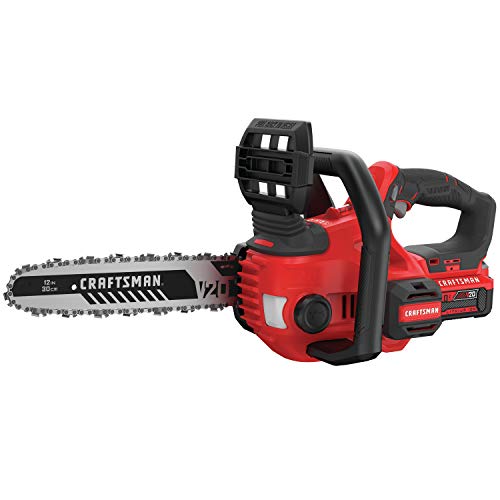


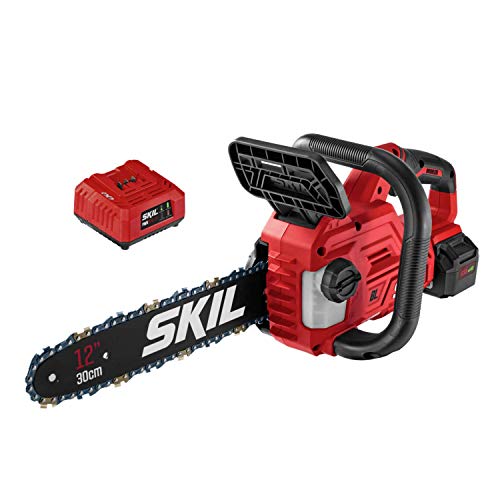


Who Should Buy a 12 Inch Chainsaw?
The buyer for this size is specific, and that is a strength. If your jobs match one of these profiles, the class will serve you well.
Homeowners Pruning Trees and Shrubs
Most pruning cuts are on wood under 6 inches thick, and a light 12 inch saw handles them with far less fatigue than a full size saw. The short bar keeps the tip visible and easy to control, and the saw is light enough to reposition between cuts without draining your arms. Our broader look at the best chainsaw for homeowners shows how this size slots under the mid range saws most yards graduate to later.
Firewood Burners Processing Small Logs
If your stove takes short splits and your wood arrives as small diameter logs, a 12 inch saw sections them quickly without the weight of a firewood class machine. Campers and cabin owners like this size for the same reason: it rides in a truck box and still cuts a weekend of wood. For piles of large hardwood rounds, step up to the best chainsaw class in the 16 to 18 inch range instead of forcing a small saw.
First Time Chainsaw Owners
A small, light saw is a safer place to learn chain tensioning, filing, and basic cutting technique, because the forces involved are smaller and the saw is easier to stop and set down. Battery models remove pull starting and fuel mixing from the learning curve entirely. New owners should still budget for chaps, gloves, and eye and ear protection, because a short bar cuts skin exactly as fast as a long one.
Key Features to Compare
Five factors decide how a 12 inch saw performs on real wood. Compare them in this order.
Power Source: Battery, Gas, or Corded
Battery dominates this size, with packs from compact 12V and 18V systems up to 40V and 60V platforms. Higher voltage platforms cut faster and bog less in hardwood. Gas 12 inch saws exist mostly as top handle arborist models, which are built for trained climbers and are not beginner tools. Corded electric versions are cheap and light for yards near an outlet. The best battery chainsaw roundups show how runtime grows with pack size if you lean electric, as most buyers at this size should.
True Cutting Capacity
A 12 inch bar cuts about 10 to 11 inches in a single pass once you account for the bumper spikes and the safe working length. Cutting from both sides, you can section a log of roughly 20 inches, but that is slow work and hard on a small motor. Plan your purchase around the single pass number. If most of your wood is 8 inches or less, this size is ideal and a larger saw would only add weight.
Chain Pitch, Gauge, and Speed
Most 12 inch bars run narrow kerf chain in 3/8 inch low profile or 1/4 inch pitch. These chains cut a thin slot, which lets a small motor pull them without stalling, and they leave a smooth finish that pruning work appreciates. Chain speed matters for clean cuts: faster chain slices, slower chain tears. Keep the chain matched to the bar and sprocket exactly, because pitch and gauge are not interchangeable even when the bar length looks the same.
Weight and Handle Layout
Working weight with the battery fitted runs roughly 6 to 11 pounds across the class. That lightness is the point of the size, so be wary of models that creep toward mid size weight on a compact platform. Rear handle saws give two handed control for ground work and are the right layout for most buyers. Top handle saws belong in trees with trained arborists. If you only need to snip branches up to about 4 inches, the even smaller tools in the best mini chainsaw class may serve you better.
Oiler and Tensioning System
An automatic oiler that feeds the bar whenever the chain moves is standard at this size and keeps the bar alive. A visible oil window lets you check the level at a glance. Tool free chain tensioning is common and genuinely useful, since small chains stretch noticeably in their first hours. Check that the tensioner holds its setting, because a dial that creeps loose mid cut is worse than reaching for a wrench.
Safety Notes for Small Saws
Small saws invite casual handling, and that is their biggest risk. Kickback still happens at this size, usually when the tip of the bar catches wood, so learn where the kickback zone is and keep it clear of the cut. Keep both hands on the saw while it runs, stand to the side of the cutting line, and let the chain stop before you move between cuts. Never cut above shoulder height from the ground, and never work from a ladder with a chainsaw: if the job is overhead, that is a pole saw task or an arborist call. Wear chaps, gloves, and eye and ear protection every time. A deep chain cut or a wound that will not stop bleeding needs emergency care right away, not a bandage and rest.
Common Mistakes to Avoid
- Felling a tree with a 12 inch saw, which leaves you without the bar length to cut a proper hinge and escape safely.
- Buying a top handle model for ground work, which removes the rear handle control that keeps the saw stable.
- Cutting with a dull chain, so you push harder, tire faster, and raise the chance of the bar jumping in the cut.
- Running the saw with an empty oil tank, which overheats the bar and chain and ruins both in one session.
- Reaching overhead to limb a branch, which drops wood and the saw toward your face when the cut releases.
- Storing the saw without a scabbard, so the exposed chain dulls on the shelf and cuts anyone who grabs the bar.
How to Make Your 12 Inch Chainsaw Last Longer
Chain care decides the life of a small saw. File the cutters little and often with the right size file, and keep depth gauges set so the chain feeds itself without forcing. Flip the bar each time you change or sharpen the chain to even the wear, and clean packed sawdust from the bar groove and oil port. Check tension on a cold chain before work and again after the first cuts, since new chains stretch fast. Battery models last longer when packs are stored indoors at a partial charge and the vents are blown clear of dust. Keep the sprocket nose greased if the bar provides a grease hole, and store the saw dry with the cover on.
FAQ
What size wood can a 12 inch chainsaw cut?
Expect clean single pass cuts through wood about 10 to 11 inches thick, which covers nearly all pruning and most small firewood. You can section a log near 20 inches by cutting from two sides, but the saw works hard and the cut is slow. If your regular wood pile runs larger than about 12 inches, buy the next size up instead of living at the limit of this class.
Is a 12 inch chainsaw good for cutting firewood?
It is good for firewood that starts small: limbs, poles, and logs under about 10 inches, especially softer woods. It is the wrong tool for bucking large hardwood rounds all winter, where a 16 inch saw finishes each cut in one pass with less strain. Many owners pair a small saw for limbing with a larger one for the pile, and the 12 inch saw ends up doing most of the work by count.
Should a beginner buy a top handle 12 inch chainsaw?
No. Top handle saws are designed for trained arborists working in trees, where one hand manages position and the saw hangs from a harness. On the ground, the layout removes the leverage and control a rear handle gives you, and it raises the risk of losing the saw in a kickback. Beginners should choose a rear handle model and learn on wood stacked at waist height or lower.
How long does a battery last in a 12 inch chainsaw?
Runtime depends on wood size and pack capacity, but a mid size pack typically makes a few dozen cuts through 4 to 6 inch limbs before it fades. Cold weather shortens that noticeably. A simple planning rule is one pack for pruning sessions and two packs for a firewood afternoon. Larger platforms with bigger packs extend the day, at the cost of the light weight that makes this size appealing.
How often should you sharpen a 12 inch chainsaw chain?
Sharpen whenever the saw starts throwing dust instead of chips, or when you find yourself pushing to keep the cut moving. For most home users that means a light touch up every few hours of cutting, and immediately after any contact with dirt or a hidden nail. Small chains dull faster than they look like they should, because each tooth does more of the total work.
Final Thoughts
A 12 inch saw is a specialist, and judged as one it shines: light, quick, and honest about its limits. Match the power source to your platform, respect the single pass cutting capacity, and keep the chain sharp and oiled. The product table above shows how the class compares with bigger saws if you are torn between sizes. Buy it for pruning, limbing, and small wood, and the best 12 inch chainsaw for your yard will feel less like a small saw and more like the right one.


