
Best Above Pool Cleaners for 2026: Everything to Know Before Your First Purchase
Disclosure: We may earn a commission when you buy through links on this page, at no extra cost to you. As an Amazon Associate I earn from qualifying purchases. Learn more
Shopping for the best above pool cleaners for the first time? Learn the terms, compare options, and avoid rookie mistakes with this easy guide.
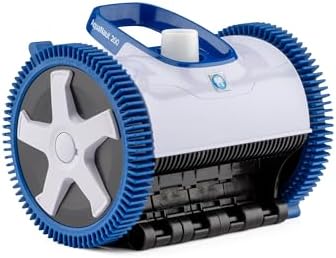
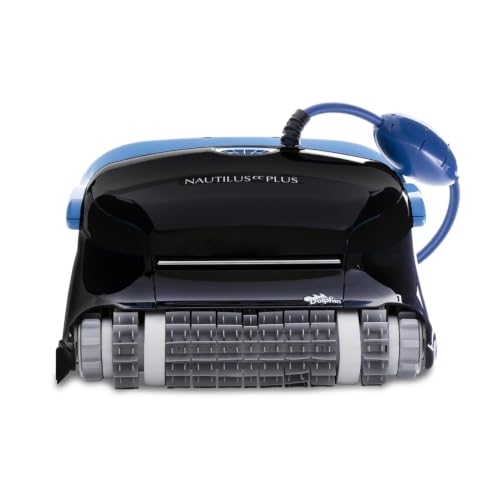
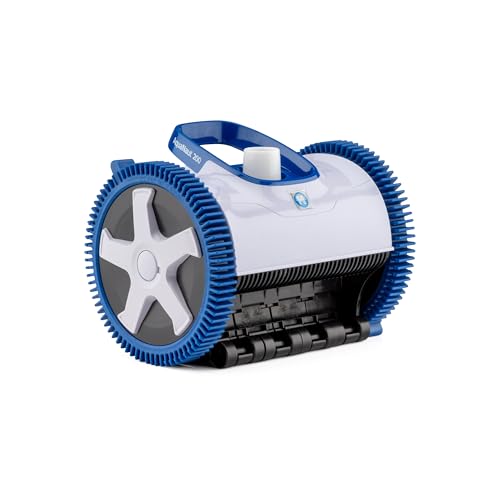
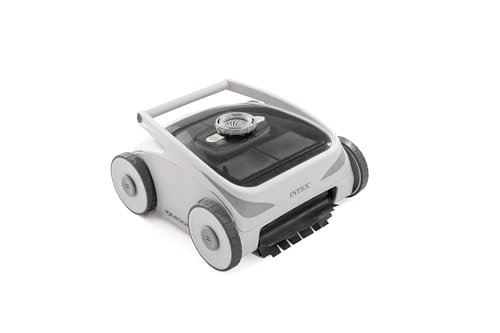
Buying your first pool cleaner is confusing because the same job is done by robots, suction units, and simple hand vacuums at very different prices. This plain English guide to the best above pool cleaners explains each type, the specs that matter, and the mistakes new owners make. The comparison table below gives you a quick view of the main options before we slow down and explain them.
We will start with the basics, then walk through cleaner types, filtration, sizing, and setup in the order you will actually decide them. By the final section you will be able to read any product listing and know in a minute whether it fits your pool.
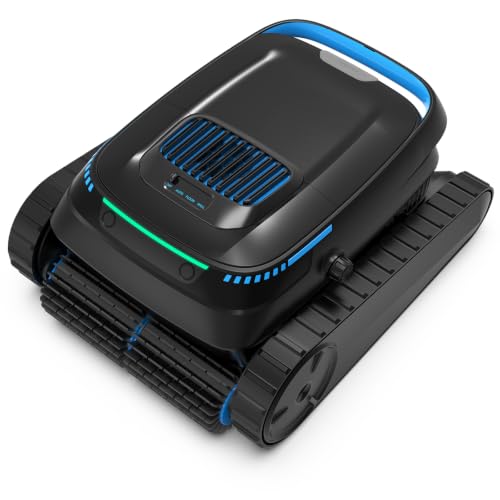
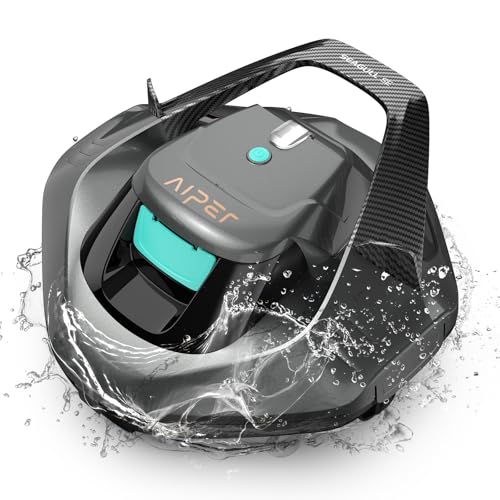
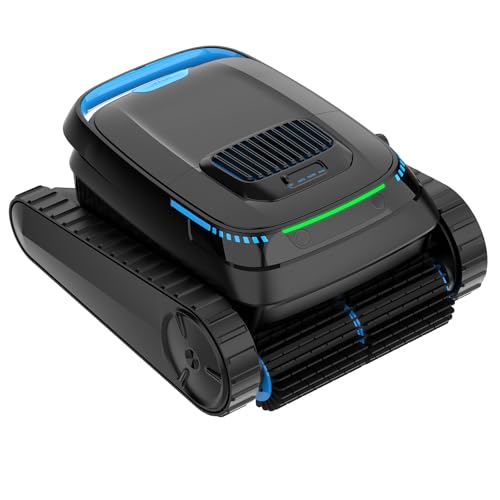
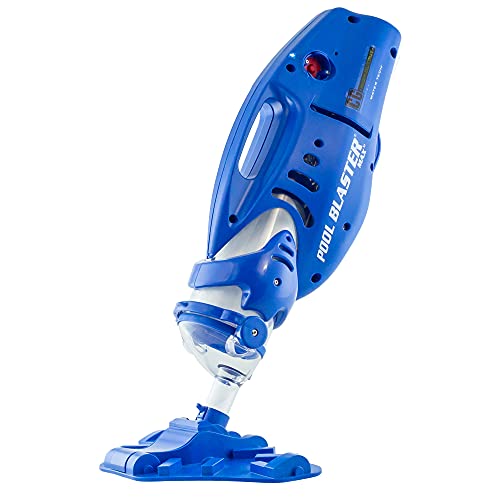
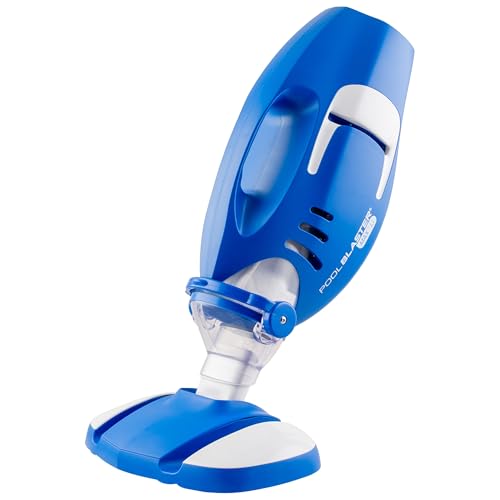
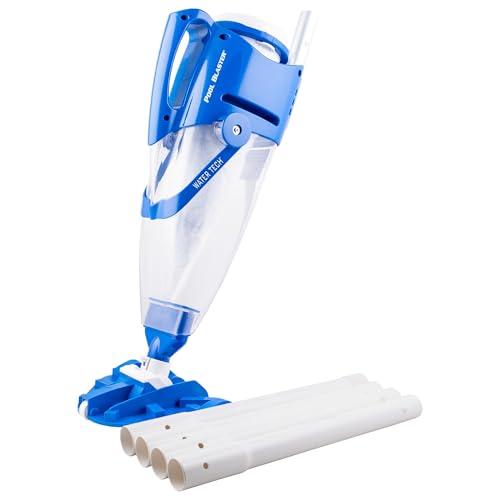
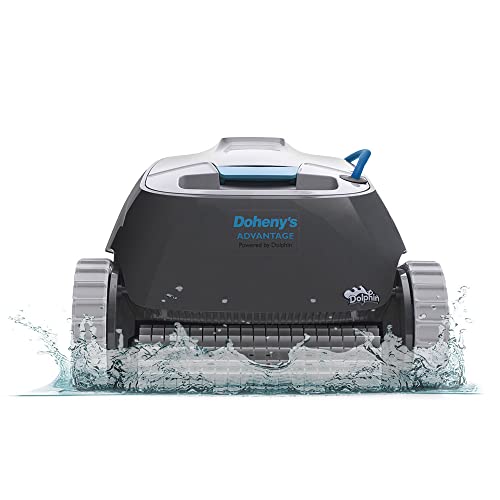
Who Should Buy Which Above Ground Pool Cleaner?
Your pool size, your pump, and how much work you want to do yourself decide the right category. New owners often buy the most advanced cleaner they can afford, then discover a simpler tool matched their pool better. Use the three groups below as your starting point, and then confirm the details in the features section. For a wider view of the category, see our guide to the best above ground pool cleaners after you finish here.
New Owners of Small Pools Who Want the Lowest Cost
If your pool is small, seasonal, and easy to reach from the deck, a manual vacuum head on a telescopic pole does the whole job for under $100 in most cases. You guide it yourself, so there is nothing to charge, program, or repair. This group should spend the savings on a good leaf skimmer and test supplies instead. Manual cleaning also teaches you how your pool collects debris, which helps you judge any automatic upgrade later. Choose this route if you clean once a week and the pool is clear between swims.
Busy Owners Who Want the Pool Cleaned Without Them
If the pool stays up all season and your weekends are full, an automatic cleaner earns its keep. Suction side models run off your pump and suit owners who already run the pump daily, while cordless robots clean independently and suit owners who run the pump less. Robots around $250 to $600 cover most above ground pools, and our guide to the best robotic above ground pool cleaners explains that category in depth. Pick based on your pump habit first, because that decides which automatic style fits your routine.
Owners of Large Pools With Trees Nearby
Leaves are a volume problem, so you need basket capacity and strong pickup more than fancy navigation. A robot with a large filter basket, or a suction cleaner paired with an inline leaf canister, keeps leaves out of your pump basket. Plan on cleaning two or three times a week in fall, and empty the basket after every run. This group should skip small compact models entirely, because a basket that fills in ten minutes turns an automatic cleaner into a chore. Capacity is your top spec, ahead of price.
Key Features to Compare
Cleaner Type: Robotic, Suction Side, and Manual
Robotic cleaners carry their own motor and filter, run on battery or a power cord, and collect debris inside the unit, so they add no load to your pool filter. Suction side cleaners plug into your skimmer or suction port and borrow power from the pump, which makes them simple and often cheaper, around $100 to $300, but they send debris toward your filter system unless you add a leaf canister. Manual vacuums cost the least and give you full control, at the price of your own time. For above ground pools, pressure side cleaners are uncommon because most pumps cannot supply the extra flow they need.
Filtration: Micron Rating and Basket Capacity
The micron rating tells you the smallest particle a filter can trap, and smaller numbers mean finer cleaning. Coarse baskets around 180 microns catch leaves, twigs, and bugs, which is all a shaded pool with little dust may need. Finer filters, down to about 50 microns or less on some robots, catch sand and silt that settle on the floor and cloud the water when swimmers stir it up. Basket capacity decides how often you stop to empty it. Match the pair to your debris: leaves call for capacity, dusty floors call for fineness, and many midrange robots let you swap filter types by season.
Cleaning Cycle and Navigation
A cleaning cycle is one full run, and most automatic cleaners finish an above ground pool in about 1 to 2 hours. Simple models wander at random and rely on time to cover everything, which works in small round pools. Smarter robots follow a set pattern across the floor and miss less, which matters as pools get larger or rectangular. Scheduling is the upgrade to look for if you travel, since a cleaner that starts on a timer keeps the pool ready while you are gone. Our guide to the best automatic pool cleaners for above ground pools compares scheduling styles in more detail.
Cord Length, Cordless Runtime, and Tangle Control
Corded robots need a cable that reaches the far side of your pool from the power supply, with a few feet to spare, or the last corner never gets cleaned. A swivel in the cable stops twists from building up as the robot turns. Cordless models trade that worry for a battery runtime of about 60 to 120 minutes and a recharge of several hours, so check that one charge covers your whole pool. Suction cleaners depend on hose length instead, and the hose should reach the far wall plus about 3 feet. Measure your pool before you order, not after.
Wall and Waterline Cleaning
Many cleaners for above ground pools clean the floor only, and that is fine for most owners, because the floor collects nearly all the debris. Wall climbing models scrub the lower wall and the waterline, where oils and dust form a visible ring. Soft sided and frame pools have walls that flex, so climbing is gentler and less consistent than on rigid pools, and some makers advise floor only use for those pools. If your waterline ring is your main complaint, a climbing robot plus a weekly hand brush of the ring beats any floor only model. If your floor is the problem, skip climbing and save the money.
Warranty and Parts Availability
A pool cleaner lives in chlorinated water and sun, so parts wear out and support matters. Look for a warranty of about 2 to 3 years on robots and at least 1 year on suction models, and check that wear parts like brushes, belts, and filter baskets are sold separately at fair prices. A cleaner you cannot buy a $15 brush for becomes a full replacement the first time a wear part fails. Favor brands with a US support line and a parts page you can find in one search. This check takes five minutes and protects a purchase you will own for years.
How to Size a Cleaner to Your Pool
Measure the longest length of your pool and the distance from your power outlet or pump to the far wall, then compare both numbers with the cleaner rating and its cord or hose length. A cleaner rated for pools up to 30 feet suits a 24 foot pool comfortably and a 30 foot pool only just, so round up when you are near the limit. Round and oval pools are the easiest shapes for random navigation, while rectangular pools reward patterned navigation. If you are comparing hand tools as well, our guide to the best above ground pool vacuum cleaners covers pole and hose sizing for manual setups.
Common Mistakes to Avoid
- Buying a cleaner rated for a smaller pool than yours, so coverage stays patchy no matter how long it runs.
- Ignoring your pump size when choosing a suction cleaner, so the unit barely moves and cleaning takes all day.
- Paying for wall climbing on a soft sided pool, where flexing walls make the feature unreliable.
- Leaving a robotic cleaner in the water or in full sun between uses, which shortens battery and seal life.
- Skipping the parts check, then finding that a worn brush or basket cannot be replaced on its own.
How to Make Your Pool Cleaner Last Longer
Empty the filter basket after each cycle and rinse it with a hose, because packed debris strains the motor on the next run. Store robots out of direct sun and out of the water, and keep suction cleaner hoses coiled loosely in shade so they do not take a permanent curl. Check brushes, wheels, and belts at the start of each season and replace worn pieces early, since a slipping belt makes the whole cleaner look broken. Before winter, clean and dry every part, charge a cordless battery partway, and store the unit indoors away from freezing temperatures.
FAQ
Can I leave a robotic cleaner in an above ground pool between cleanings?
No, take the robot out when the cycle ends. Constant soaking in chlorinated water ages the seals and the battery, and many warranties assume the unit is stored out of the water. Build the habit of lifting it out, rinsing the basket, and parking it in shade. If lifting is the barrier, choose a lighter model or one that parks at the wall, because a cleaner that stays in the pool all season rarely lasts as long as it should.
Which type of pool cleaner is best for leaves?
A robotic cleaner with a large basket is best for leaves in most above ground pools. It collects the leaves inside its own basket, so your pump and filter stay clear. A suction cleaner can also work if you add an inline leaf canister to trap leaves before the pump. Small compact robots and fine filters are the wrong tools here, because both clog quickly. If leaves are your main debris, shop by basket capacity first and treat every other feature as secondary.
How long should an above ground pool cleaner run each time?
About 1 to 2 hours per session covers most above ground pools. Small pools often finish in a single 60 minute cycle, while large or leaf heavy pools may need a second run after you empty the basket. Running far longer adds wear without cleaner water, because once the floor is covered, extra passes mostly stir clear water. A good rhythm is two or three sessions a week in swim season, with an extra session after storms or heavy pool parties.
Are robotic pool cleaners worth it for above ground pools?
Yes, robotic cleaners are worth it if you clean weekly and value your time. They work independently of the pump, trap debris in their own basket, and free you from hand vacuuming in the heat. The value case is weaker for a small pool you drain after a short season, where a manual vacuum under $100 does the same job with ten minutes of effort. Judge it by your season length and your routine, not by the feature list, and the answer is usually clear.
Final Thoughts
Match the cleaner type to your pump habit, size it honestly to your pool, and check parts availability before you pay for extras like climbing or apps. Those three steps protect new buyers from nearly every common regret. When you are ready, compare your shortlist in the product table above and choose the best above pool cleaners for your pool with confidence.


