
Best Compact Wood Routers in 2026: How to Choose the Right One
Disclosure: We may earn a commission when you buy through links on this page, at no extra cost to you. As an Amazon Associate I earn from qualifying purchases. Learn more

Choosing the best compact wood router comes down to power, speed control, base type and limits. This guide explains each spec so you can buy with confidence.
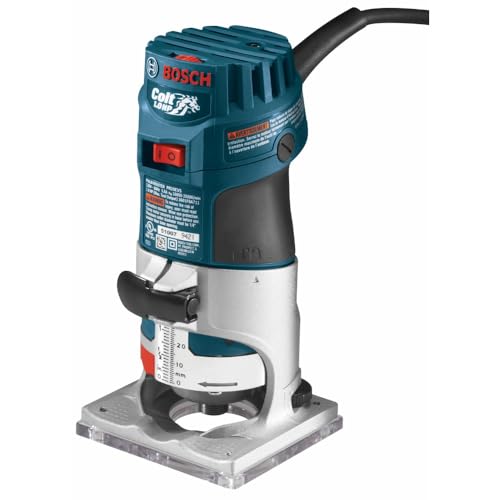
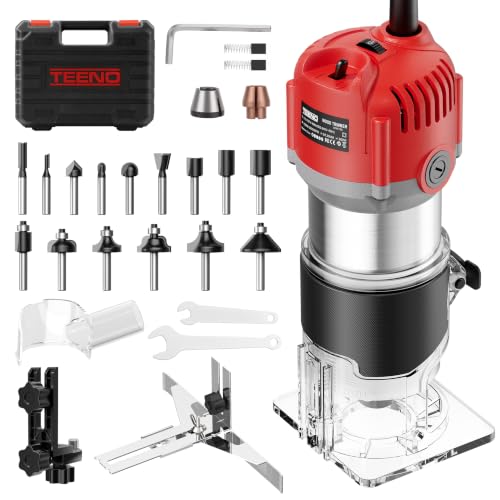
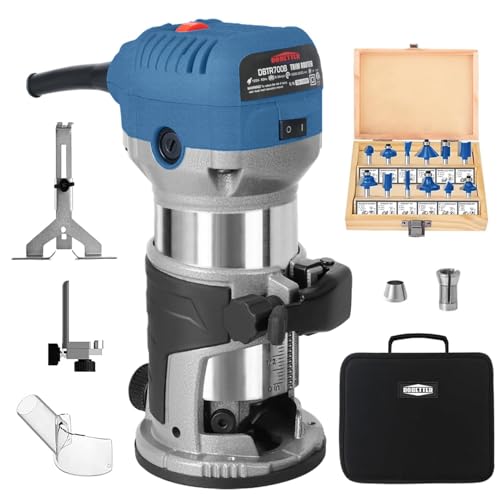
A compact router, often called a palm router or trim router, does the light freehand work that a full size router makes clumsy. The best compact wood router for your bench is the one that matches your bits, your bases and your hands, because this class trades raw power for control. Pick well and it becomes the router you reach for daily, for edge profiles, hinge mortises, laminate trimming and quick round overs.
This guide walks through the specs that actually separate one compact router from another. Use the comparison table below to scan the current compact models side by side, then read on for the features, limits and buying mistakes that matter most in a small shop.



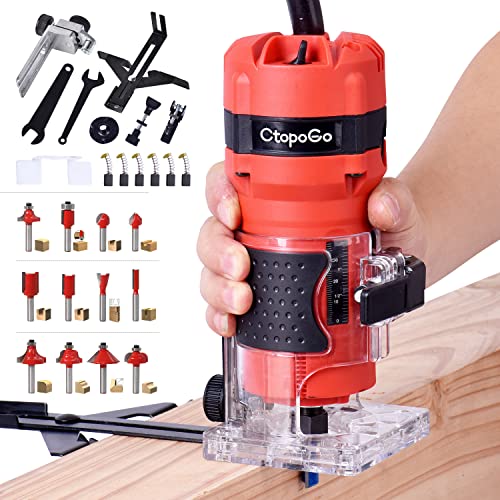
Who Should Buy Which Compact Wood Router?
Furniture Makers Who Live on Edge Profiles
If most of your routing is round overs, chamfers and ogee edges on table tops, drawer fronts and shelves, a corded compact router with a good fixed base is your tool. You work at the bench, close to an outlet, and you repeat the same cuts for hours. Prioritize smooth depth adjustment and a base you can see through, since your results depend on tiny height changes and a clear view of the bit meeting the edge.
Sign Makers and Lettering Hobbyists
Freehand lettering and inlay work reward a light tool you can steer with one hand while the other hand steadies the stock. Look for a plunge base option, a bright work light and a grip that stays comfortable during slow, careful passes. Variable speed matters here more than peak power, because small bits in hardwood scorch less and cut cleaner when you can slow the motor down and take shallower passes.
DIYers Who Want a Second, Grab and Go Router
Many home shops keep a mid size router mounted in a table and add a compact model for everything else. If that sounds like you, choose a kit with both fixed and plunge bases so one motor covers trimming, mortising and jig work. New router owners should also read our guide to the best wood router for beginners, since a compact model is often the friendliest first router to learn on.
Key Features to Compare
Motor Power and Speed Control
Compact routers run about 1 to 1.25 horsepower, drawing roughly 5.5 to 7 amps in corded form. That is plenty for bits up to about 1 inch in diameter, but the number that matters daily is the speed range. A dial that spans roughly 10,000 to 30,000 RPM lets you slow down for larger bits and speed up for tiny detail bits. Soft start keeps the tool from twisting in your hand at startup, and electronic feedback that holds speed under load prevents the bogging and burning you get with a basic single speed motor.
Fixed Base, Plunge Base, or a Combo Kit
A fixed base is the default for edge work, because the motor locks at one height and the tool stays short and stable. A plunge base lets the bit enter the middle of a board, which you need for mortises, stopped grooves and sign lettering. Combo kits include both bases and one shared motor, and they usually cost less than buying the second base later. If you only trim laminate and ease edges, save the money and take the fixed base alone.
Collet Size and Bit Limits
Nearly every compact router ships with a 1/4 inch collet, and a few accept optional 3/8 inch or 1/8 inch collets for specialty bits. The honest limit of the class is bit diameter, not shank size. Bits much over 1 to 1.25 inches across ask for more power and a bigger base opening than these tools have. If your projects lean on raised panel bits or wide profile cutters, step up to the mid size class covered in our overview of the best wood router options for full size work.
Depth Adjustment You Can Trust
Edge profiles expose sloppy adjustment fast, because a height drift of a few thousandths shows as a visible step on the workpiece. Look for a rack and pinion or threaded fine adjuster you can turn with your thumb, plus a positive lock that does not shift the setting as it tightens. A depth scale you can actually read, in fine increments, saves test cuts. Before buying, check that the adjustment works with one hand, since the other hand is usually holding the router against the edge.
Weight, Grip, and Visibility
Most compact routers weigh about 3.5 to 4.5 pounds, light enough for true one hand control. A rubber overmold grip and a low center of gravity matter more than the exact weight, because you guide this tool by feel along an edge. A clear sub base or a large base window lets you watch the bit, and a built in work light helps on dark wood. Dust ports are rare at this size, so plan on a shop vacuum nearby or accept chips on the bench.
What a Compact Router Can and Cannot Do
The compact class shines at edge profiles, laminate trimming, hinge and lock mortises with a jig, slot cutting, and light pattern work. It struggles where torque and base size rule. Wide bits, deep single pass cuts and long raised panels belong to larger routers. Mounting one under a table is possible on small tops, but you give up the power, the lift range and the fence capacity of a dedicated setup, so compare the dedicated options in our guide to the best wood router for router table use before committing your only router to a table.
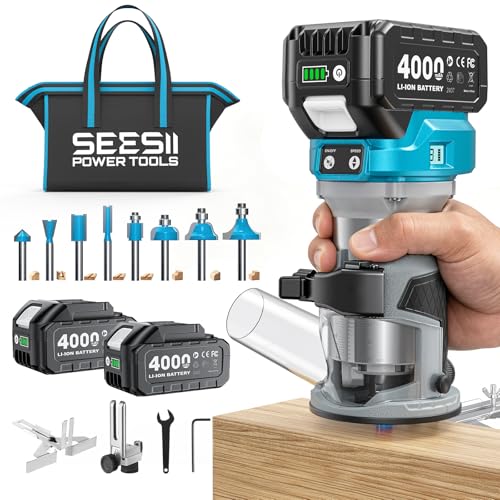
Cordless compact routers running on common 18 volt platforms have become genuinely useful for trimming and edge work away from the bench. Runtime is fine for profiles and mortises, but long cuts in hardwood drain packs quickly and the tool still shares the same bit limits. If your shop already runs one battery platform, our rundown of the best cordless wood router models explains where cordless makes sense and where a cord still wins.
Common Mistakes to Avoid
- Running a bit that is too large for the motor, which overheats the tool and leaves burn marks you cannot sand out.
- Taking a full depth pass in hardwood instead of two or three shallow passes, which tears grain and overloads the small motor.
- Routing against the grain direction without a climb cut plan, which chips corners and can grab the tool out of your grip.
- Skipping the test cut on scrap, so the first pass on your real workpiece reveals a depth setting that is off.
- Buying a fixed base only kit and discovering later that your mortise and lettering work needs a plunge base you cannot add cheaply.
How to Make Your Compact Router Last Longer
Brush the chips out of the motor vents and the collet after every session, because packed dust insulates the motor and a dirty collet lets bits slip and score the shank. Seat each bit fully, then pull it back about 1/16 inch before tightening, so heat expansion does not freeze it in place. Check the cord and the base plate screws monthly, and store the router upright in a case or on a shelf rather than resting on its base edge.
Treat bits as part of the tool. Dull carbide forces the motor to work harder and burns wood, so clean pitch off cutters with a resin remover and retire any bit that stays dull after cleaning. If your model has replaceable brushes, inspect them once a year and swap them before they wear to the limit and damage the commutator.
FAQ
Are compact wood routers worth it for a small shop?
Yes, for most small shops a compact router earns its space quickly. It covers the majority of daily routing tasks, edge profiles, trimming, hinge mortises and jig cuts, while staying light enough to control with one hand. Shops save the big router for the table and wide bits. The one case where it disappoints is production work with large cutters, where the small motor and base simply run out of capacity.
What diameter bits can a compact wood router run safely?
Compact routers handle bits up to about 1 to 1.25 inches in diameter, and the safe size shrinks as the bit grows heavier. Match speed to the bit using the chart printed on most bit packaging, slowing the dial for anything near the top of that range. Wide panel raising bits are off the table entirely, because they need a larger base opening, a table and a slower, stronger motor than this class offers.
Can a compact wood router handle mortising?
Yes, with a plunge base and a straight or spiral upcut bit, a compact router cuts clean mortises for hinges, locks and loose tenon joinery. Work in several shallow passes of about 1/8 inch each, and use an edge guide or a simple shop made jig to keep the cut straight. The practical limit is depth, since short compact router bits and limited plunge travel top out around the needs of furniture scale mortises.
How long does a compact wood router usually last?
A compact router in home shop use commonly lasts many years, often a decade or more, because the loads are light compared with full size routing. Bearings and brushes wear first, and both are serviceable on most brands. The usual cause of early failure is not age but abuse, such as oversized bits, deep single passes and dust packed vents that cook the motor over time.
Is a compact router a good first router for a beginner?
Yes, it is often the easiest router to learn on, because the light weight and one hand grip make mistakes less dramatic and control more intuitive. Start with round over and chamfer bits on softwood, learn feed direction and depth control, then add the plunge base when your projects call for it. The main thing a beginner outgrows is bit capacity, not the tool itself.
Final Thoughts
Choosing the best compact wood router comes down to honest sizing. Match the motor and bases to the bits you truly run, insist on smooth depth adjustment and a grip you can steer all afternoon, and resist paying for capacity you will never use. Check the product table above for the current compact lineup, weigh the corded and cordless tradeoff against your shop, and the small router you pick will likely become the hardest working tool on your bench.


