
Best Cordless Drill Sets for 2026: What a Good Kit Actually Includes
Disclosure: We may earn a commission when you buy through links on this page, at no extra cost to you. As an Amazon Associate I earn from qualifying purchases. Learn more

Choosing the best cordless drill set comes down to platform and kit contents. Compare voltage, chucks, motors, batteries and cases before you buy.
A drill set is a system purchase disguised as a single tool. The drill matters, but so do the batteries in the box, the speed of the charger and whether the platform behind it will still be selling tools you want in five years. Picking the best cordless drill set therefore starts with the kit list, not the drill photo. The comparison table below breaks the common set configurations apart, and this guide explains how to value each piece so a low sticker price does not turn into a second purchase next year.
Sets range from a lone compact drill with one small battery to full combo kits with an impact driver, two large packs and a rolling case. Your projects decide where on that ladder you belong.

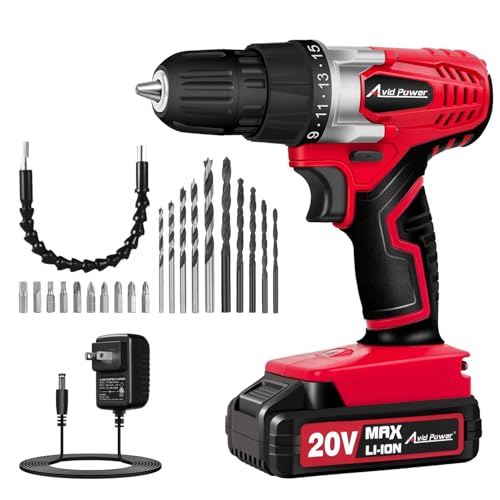
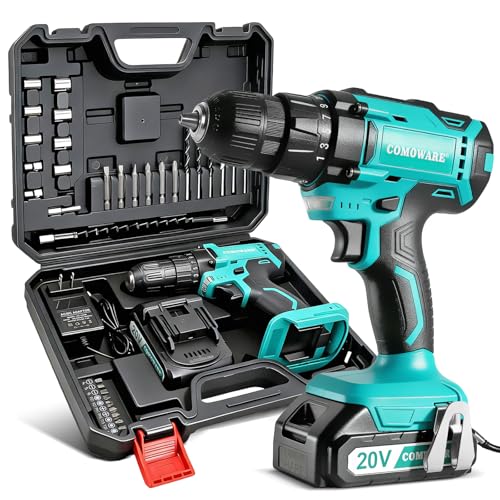
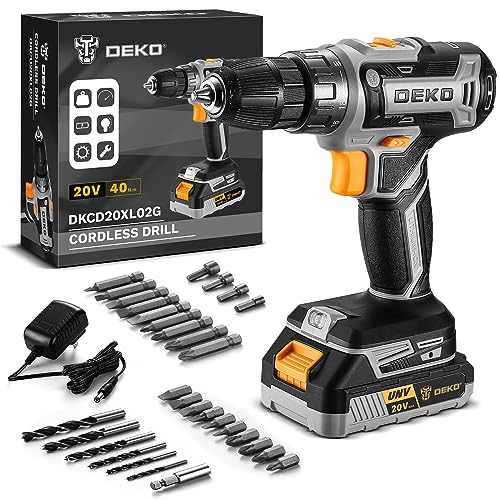


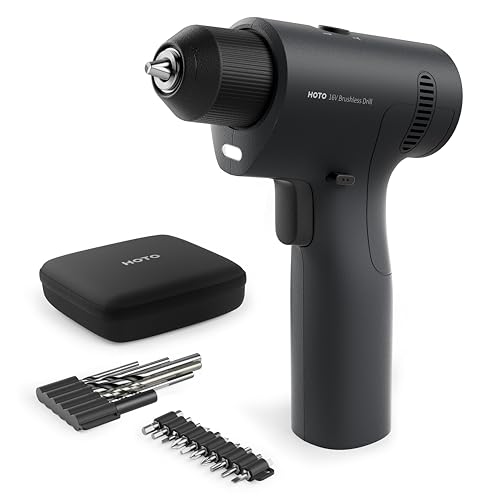
Who Should Buy Which Cordless Drill Set?
New Homeowners Building a First Toolkit
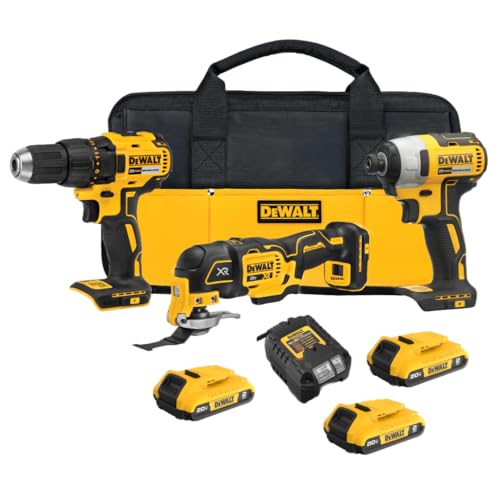
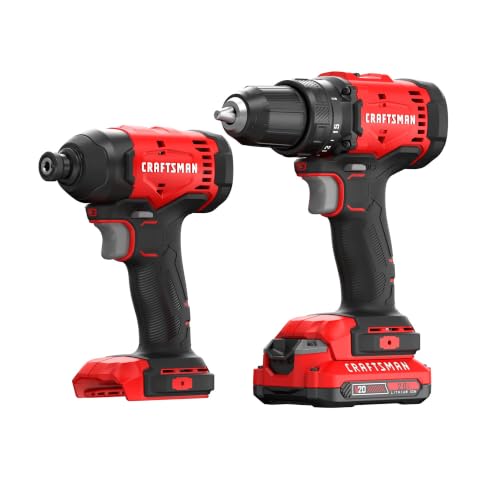
A drill and impact driver combo set is the smartest first buy for most new homeowners. The drill handles holes and flat pack hardware with control, while the impact driver sinks long screws into studs and deck boards without chewing up your wrist. Look for two batteries in the kit so one can charge while you work, and a platform with affordable add on tools, because a circular saw, a work light and a sander will all follow this purchase within a couple of years.
Apartment and Condo DIYers
If your projects are shelves, curtain rods, furniture assembly and the odd picture wall, a compact 12 volt set is easier to store and strong enough for nearly everything indoors. These kits weigh less, charge fast and fit in a closet bin. You give up the muscle for masonry and large holes, but a condo owner borrows a hammer drill once a year more happily than they store a full size kit they never use at capacity.
Pros and Serious Remodelers
Frequent users should shop the premium 18 or 20 volt brushless sets with high capacity batteries and rapid chargers. The drills in these kits add metal chucks, hammer drill modes and the torque for lag work and hole saws. Just as important, the pro platforms carry the specialty tools remodelers actually add: rotary hammers, oscillating tools and deep battery catalogs. Buying into the platform once, at the right tier, is cheaper than replacing a budget set when the second project arrives.
Key Features to Compare
Voltage Platform: 12V vs 18V or 20V MAX
Voltage sets the ceiling for the whole system. Twelve volt tools are compact and light, built for assembly and light drilling, and their batteries slide into the handle for a slim grip. The 18 and 20 volt class (the two labels describe the same battery class in practice, one nominal and one maximum) is the mainstream: strong enough for construction drilling and shared with hundreds of tools per brand. Choose 12 volt for indoor life and small hands, and the bigger class for remodels, decks and any hole saw work. Never judge a set by voltage alone, though; a good brushless 12 volt drill outperforms a cheap brushed big drill on real tasks.
What Is Actually in the Set
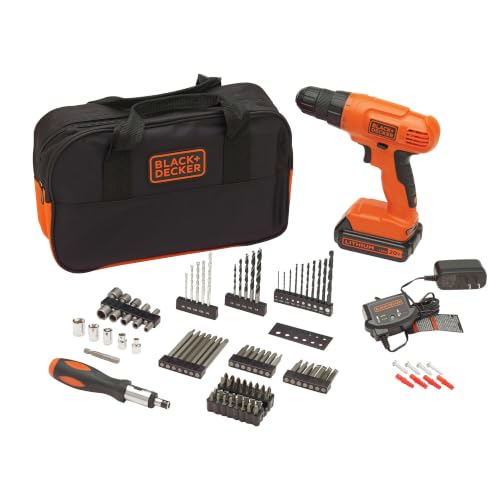
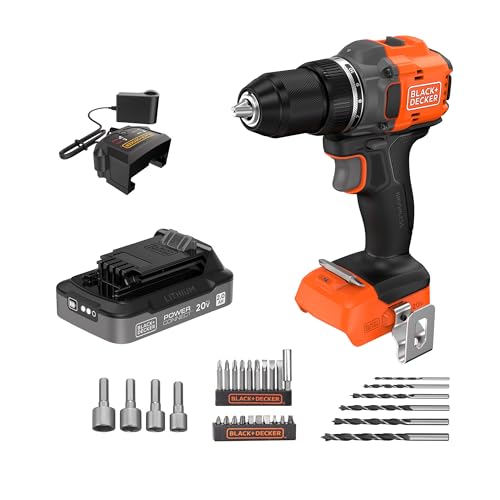
Read the kit list line by line, because set is a flexible word. The strongest value sets include a drill driver, an impact driver, two batteries of useful size, a charger and a case. Weaker sets substitute one small battery, a slow overnight charger and a soft bag, which quietly adds cost later. Accessory bundles with dozens of bits look generous but usually contain soft metal bits you will replace anyway; value them near zero. The honest comparison is tool plus battery capacity plus charger speed, priced against the same pieces bought separately a year from now.
Drill Specs That Predict Performance
On the drill itself, four numbers matter. Chuck size is 3/8 inch on compact drills and 1/2 inch on full size models, and the bigger chuck takes larger bits and hole saws. Torque, stated in inch pounds, predicts how the drill handles dense lumber and lag bolts. Two speed ranges are essential: a low range for driving and big bits, a high range for fast small holes. A clutch with around twenty settings prevents snapped screws in cabinet work. Brushless motors add runtime and life at a higher price, and a hammer drill mode earns its cost only if you drill into brick or concrete more than rarely.
Batteries and Charger Speed
Battery capacity, in amp hours, is your fuel tank. Compact 1.5 to 2.0 amp hour packs keep a drill light for overhead work, while 4.0 to 5.0 amp hour packs run long remodel days and feed hungry tools you add later. Two mid size packs usually beat one huge pack, since rotation keeps you working. Charger speed is the hidden spec: a rapid charger refills a pack in about half an hour, while the slow chargers bundled in bargain sets can take three hours, which ends a Saturday project at the first dead battery. Check whether the set batteries carry fuel gauges, a small feature you will appreciate weekly.
Case, Warranty and Room to Grow
A hard case protects the kit in a truck or a damp garage and keeps the charger and bits in one place; a soft bag is fine for closet storage and costs less. Warranty terms split by brand and tier, often longer on the tool than the battery, so read both numbers before assuming coverage. Room to grow is the last check: count the tools on the platform you might realistically buy in five years, from a reciprocating saw to a leaf blower. A set is the entry ticket to that catalog, and switching platforms later means rebuying batteries, the most expensive part of the system.
Common Mistakes to Avoid
- Buying a set with one small battery and a slow charger, then losing whole afternoons to a dead drill.
- Counting the bonus bit set as real value, when the bits are soft and the money belonged in a second battery.
- Choosing a platform for one sale price, then discovering its catalog lacks the saw or sander you need next year.
- Paying for a hammer drill mode and a pro case for apartment projects that a compact 12 volt kit handles easily.
- Mixing look alike batteries across brands, since near fits damage contacts and void warranties on both tool and pack.
How to Make Your Cordless Drill Set Last Longer
Drills rarely wear out; they get dropped, drowned in dust or cooked through their batteries. Blow dust out of the motor vents after dirty jobs and store the kit dry, because gypsum and concrete dust are abrasives that shorten brush and bearing life. Keep batteries at moderate charge for storage, indoors and away from freezing or hot vehicles, and rotate both packs so they age together. Run the drill in the right speed range instead of forcing high gear through dense wood, and let the clutch do its job rather than locking it on the drill setting for every screw. A drop of care at the chuck, opening and closing it a few times after dusty work, keeps grit from grinding the jaws.
FAQ
What is the difference between a cordless drill set and a combo kit?
A drill set centers on one drill with its batteries, charger and case, sometimes with a bit assortment. A combo kit adds a second tool, most often an impact driver, sharing the same batteries. The combo usually costs little more than the drill set from the same brand and is the better buy if you drive screws regularly. If you only drill holes and assemble furniture, the single tool set saves money and storage space without giving up anything you will miss.
How long does a cordless drill set last?
The drill itself commonly lasts a decade of home use, and brushless models often go longer. Batteries set the practical lifespan, delivering a few hundred full cycles before runtime shrinks enough that you replace them, typically after three to five years of regular use. Because major platforms sell packs for many years, replacing batteries refreshes the whole set at a fraction of the original price. Chargers almost never wear out unless they are dropped or soaked.
Is a cordless drill set worth it over buying a bare drill?
Yes, for almost every buyer starting from zero, because the batteries and charger are the expensive half of the system and the set prices them as a bundle. A bare tool only makes sense when you already own compatible batteries from the same platform. Compare honestly: price the bare drill plus two batteries and a charger separately, and the set discount becomes obvious. The exception is a gift purchase for someone whose platform you do not know, where a gift card beats a wrong system.
How do you clean a cordless drill set?
Remove the battery, then wipe the housing with a dry or slightly damp cloth and clear the vents with a soft brush or short bursts of compressed air. Open and close the chuck several times to shake out dust, and clean battery contacts with a dry cloth if charging gets unreliable. Never wash a drill under a tap or spray solvent into the vents. Store everything back in the case so the charger cord and bits stay with the tool.
What is the most reliable cordless drill set brand?
Reliability at the set level depends less on the badge than on tier and support: the pro lines of the major brands all use better chucks, motors and batteries than their own budget lines. What separates them in practice is the local service network and how long the platform keeps selling compatible batteries. A mid tier set from a brand with a store in your town will serve you better than a premium set you cannot get serviced or re batteried locally.
Final Thoughts
Treat the set as the foundation of every cordless tool you will own next, and the decision clarifies: pick the platform first, the kit contents second and the drill specs third. Use the product table above to compare what each bundle really includes, and favor two decent batteries and a fast charger over a pile of bonus bits. With that order respected, the best cordless drill set for your home is the one still earning its shelf space, on fresh batteries, years after the first shelf went up.


