
Best Cordless Miter Saws: A Portable Buying Guide for 2026
Disclosure: We may earn a commission when you buy through links on this page, at no extra cost to you. As an Amazon Associate I earn from qualifying purchases. Learn more

Blade size, battery platform and cut capacity decide the best cordless miter saws for you. Compare runtime and accuracy before you buy.
A miter saw is the rare tool that gets better when you cut its cord. No outlet hunt in a finished house, no cable snaking across a driveway, and the saw sets up wherever the work is. The best cordless miter saws for you depend on a simple trade: blade size and battery platform against weight and runtime. Small sliding saws trim a whole house on a couple of packs, while full size 12 inch models ask for bigger batteries and give framing capacity in return.
This guide sorts buyers by job type, compares the features that define cordless models, and is honest about the places a corded saw still wins. Start with the comparison table below for capacities and weights, then read the detail before you spend.


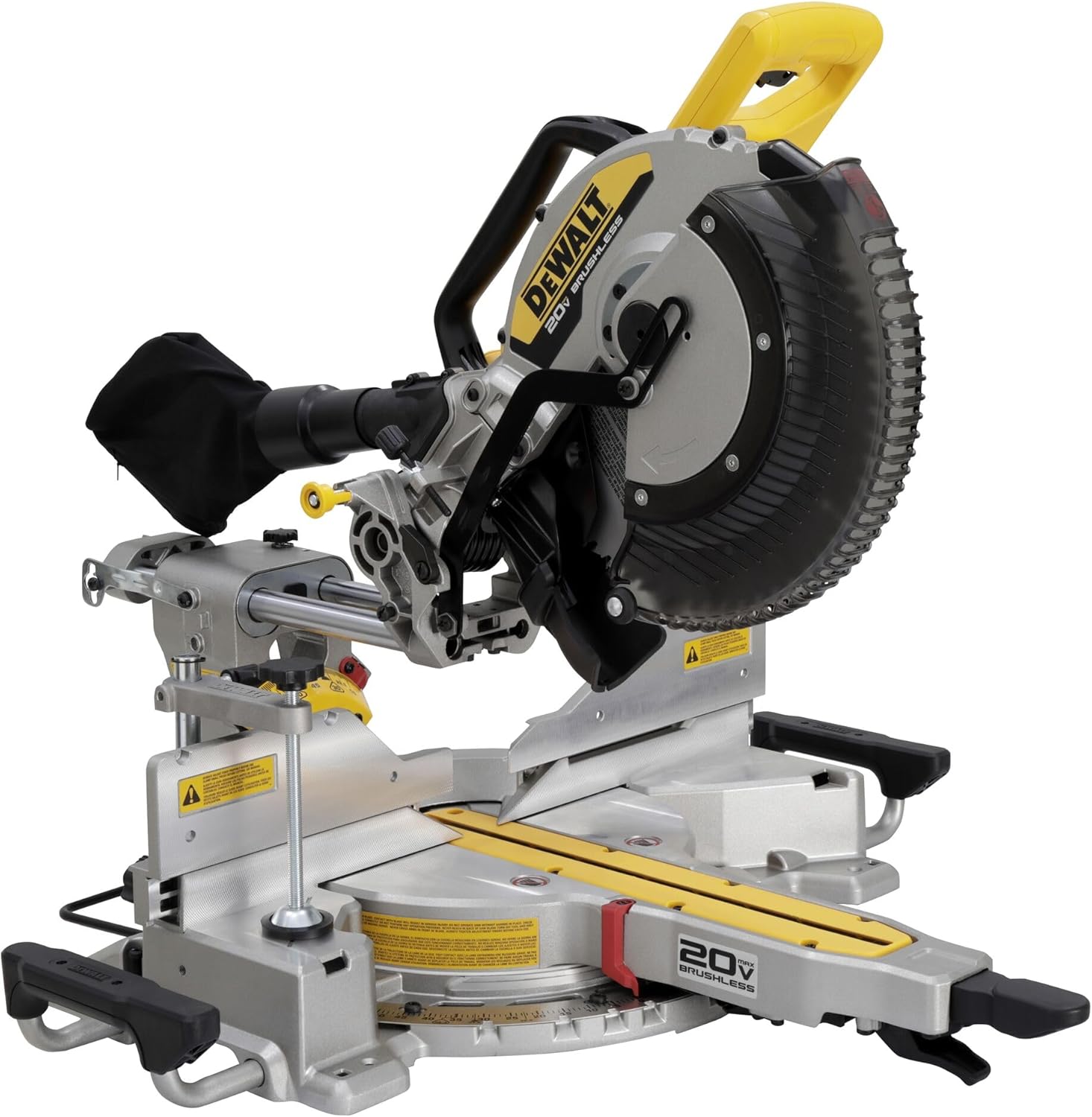
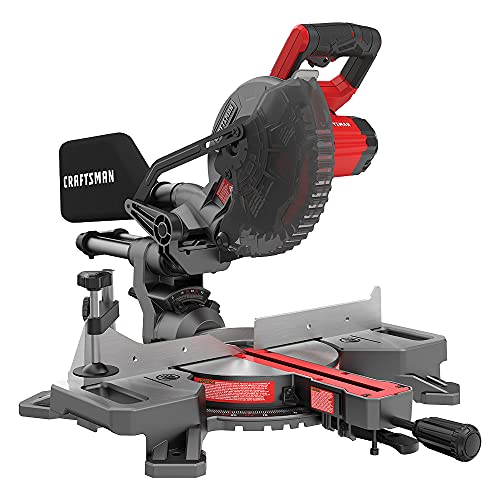


Who Should Buy Which of the Best Cordless Miter Saws?
Trim Carpenters Working in Finished Homes
Your saw lives in hallways and bedrooms where outlets are scarce and floors must stay clean. A 7 1/4 inch sliding model is your class: it crosscuts wide baseboard and crown flat or nested, weighs little enough to carry one handed, and sips battery power. Runtime across a full trim day is realistic on two mid sized packs. Accuracy out of the box matters most to you, so favor models known for square cuts without a calibration session.
Flooring and Remodel Crews Moving Room to Room
You cut where you stand, all day, in half finished spaces. A 10 inch cordless saw balances capacity and portability for flooring, stair parts and framing repairs. Battery sharing with your drills and saws keeps the charger count sane. If your crew is new to the category, our best miter saw for beginners guide covers the safety and setup basics that apply to corded and cordless models alike.
Deck, Fence and Site Builders
Outdoor projects punish cords and reward a saw that sets up on a stand anywhere. The 12 inch class, covered in our best 12 inch miter saw comparison, cuts four by posts and wide deck boards in one pass and usually runs on dual batteries or a high voltage platform. Weight climbs past fifty pounds with packs, so plan on a rolling stand. For you the cordless premium buys setup speed on every single job.
Key Features to Compare
Blade Size and Crosscut Capacity
Capacity is the first filter. Small 7 1/4 inch sliding saws crosscut boards around eight inches wide and handle nearly all trim profiles. Ten inch models widen that and add depth for thicker stock, while 12 inch saws cut the widest boards and tallest pieces nested against the fence. Sliding rails add capacity without a bigger blade, at the cost of depth front to back and a little deflection on the hardest pulls. Match capacity to your widest regular board, not your widest imaginable one.
Battery Platform and Runtime
Cordless miter saws draw serious current, so platforms split into three camps: single mid voltage packs on small saws, dual battery arrangements that combine two packs for more power, and dedicated high voltage systems. Runtime claims in cut counts assume soft framing lumber; dense hardwood and frozen stock cut the count sharply. A rapid charger and a rotation of at least two packs is the practical setup for full days. Buying into the platform your other site tools use saves real money here.
Miter and Bevel Ranges, Detents and Locks
Look for miter detents at the angles you actually use, a bevel range that tilts both ways on dual bevel models so you stop flipping crown molding, and locks that hold settings when the saw rides in a truck. Fine adjust override controls help you sneak up on a half degree for stain grade trim. The category baseline for ranges and fence design is set out in our best miter saw hub, and cordless models should match it, not trade it away for portability.
Accuracy, Fence and Cut Line Indicators
A cordless saw must hold calibration like any other: check for square at 90 and 45 degrees during setup and confirm the fence is straight and tall enough to support nested work. Cut line systems divide into lasers, which need adjustment and wash out in sunlight, and shadow line systems that cast the blade shadow on the stock and stay honest outdoors. For fine work, readers in our best miter saw for woodworking guide weigh these aids heavily, and the same logic applies here.
Weight, Stand Options and Dust Collection
Weight decides whether portable stays portable: the smallest class carries at under thirty pounds, the largest needs a stand with wheels. Handle position and balance matter when you lift the saw onto a tailgate daily. Dust collection is the weak point of the category, since a battery saw cannot spare power for strong extraction; a dust port that fits a shop vacuum hose and a well shaped chute are what to look for, plus the discipline to hook the vacuum up.
Where a Corded Miter Saw Still Wins
Honesty helps buying: a fixed workshop that runs a saw for hours of ripping through hardwood still suits a corded model, which never fades mid cut and costs less for the same capacity. Cordless also adds battery replacement to your long term costs. The cordless premium buys freedom of placement, faster setup and safer floors without cords, which is exactly what finish work and site work reward. Occasional users with one saw and a garage bench can reasonably choose either, and should decide by how often the saw leaves that bench.
The best cordless miter saws price by size and platform. Compact 7 1/4 inch kits land around $250 to $400 with batteries, 10 inch models about $400 to $600, and full size dual battery or high voltage saws about $600 to $900. Bare tools trim those figures sharply when your shelf already holds the right packs, so check kit arithmetic before assuming the bigger box is the worse deal.
Common Mistakes to Avoid
- Buying a 12 inch saw for trim work, so every job starts with hauling fifty plus pounds up stairs for cuts a small saw makes easily.
- Trusting runtime claims measured in pine while your work is oak, so the last door casing of the day waits on a charger.
- Skipping the square check at setup, so out of true cuts get blamed on the blade instead of a fence that needed two minutes of adjustment.
- Cutting without supporting long stock level with the saw table, so boards tip mid cut and the finish face chips at the end.
- Leaving batteries in a freezing truck overnight, so morning capacity drops and packs age faster than they should.
- Forgetting the blade guard check on a portable saw that gets bounced in transport, so a sticky guard surprises you on the first cut.
How to Make Your Cordless Miter Saw Last Longer
Transport is the main wear source for this category: lock the head down, pin the slide, and carry the saw by its handles so rails and detents survive the truck. Blow dust out of the motor housing and pivot points after site days, and keep the table free of pitch with a resin cleaner so stock slides true. Store batteries indoors at partial charge between jobs. Check fence squareness and detent accuracy every few months, because small drifts caught early are adjustments, while drifts ignored become miscut trim and wasted material.
FAQ
Are cordless miter saws powerful enough for framing lumber?
Yes, within their capacity. Modern brushless models crosscut two by stock cleanly and keep pace with corded saws on site, especially the dual battery and high voltage classes. The limit is endurance and depth, not cut quality: long ripping sessions and thick hardwood drain packs and slow the blade sooner than a cord would. For trim, flooring and framing crosscuts, power complaints are rare; for a production shop day, keep the corded saw.
How many cuts does a cordless miter saw make per charge?
Expect roughly 150 to 300 crosscuts in two by pine from a mid sized pack on a compact saw, and fewer from larger saws cutting bigger stock. Hardwood, wide boards and bevel cuts all spend more energy per cut. Makers quote best case numbers, so treat them as comparisons between models rather than promises. Two packs and a rapid charger make the exact figure mostly academic for a day of finish work.
What is the best cordless miter saw size for trim work?
The 7 1/4 inch sliding class is the trim favorite because it nests or flat cuts common baseboard and crown profiles while staying light enough to move room to room all day. It also draws the least power per cut, stretching each battery. Step to 10 inch only if your trim runs oversized or you regularly cut thick stair and flooring parts. Twelve inch saws serve framing and post work, not ordinary trim.
Do cordless miter saws hold their accuracy over time?
They hold it about as well as corded saws of similar build, which means well if you handle transport carefully and check settings on a schedule. The enemies are drops, loose detent plates after truck rides, and fences knocked out of line by falling stock. A five minute square check with a reliable square at the start of a finish job catches drift before it costs material. Keep the saw manual; every model has its own adjusters.
Can a cordless miter saw also run on corded power?
Some can. Certain platforms offer an AC adapter that replaces the batteries for bench use, which is handy for long shop sessions and dead pack emergencies. It is a model specific feature, not a category standard, so confirm it before buying if hybrid power matters to you. Note that adapters usually cost extra and may limit peak power slightly. For pure site work, most users skip the adapter and rotate packs instead.
Final Thoughts
Size the blade to your boards, pick the battery platform your other tools already speak, and keep a charger rotation honest. On those terms the best cordless miter saws disappear into the workflow and simply set up fast wherever the cut is needed. Compare your finalists in the product table above, and weigh kit contents carefully before you order.


