
Best Cordless Rotary Tools in 2026: A Buying Guide
Disclosure: We may earn a commission when you buy through links on this page, at no extra cost to you. As an Amazon Associate I earn from qualifying purchases. Learn more

Choose the best cordless rotary tool with this guide to speed range, batteries, collets, accessory fit and attachments for craft and repair jobs.
A rotary tool earns its place by doing the small jobs nothing else in the shop can do: cutting a rusted bolt flush, shaping a notch, polishing a fitting, grinding a dog's nails without the clipper crunch. Going cordless makes the tool grab and go, but it adds real questions about battery size, speed control and run time. The best cordless rotary tool for you is the one whose power and grip match the work you actually hand it.
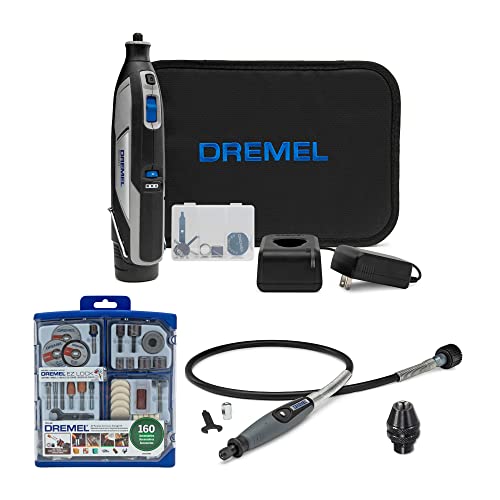
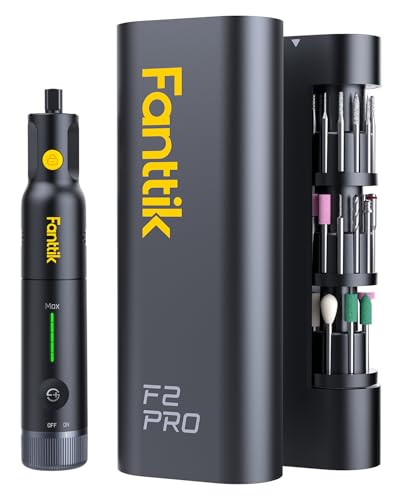
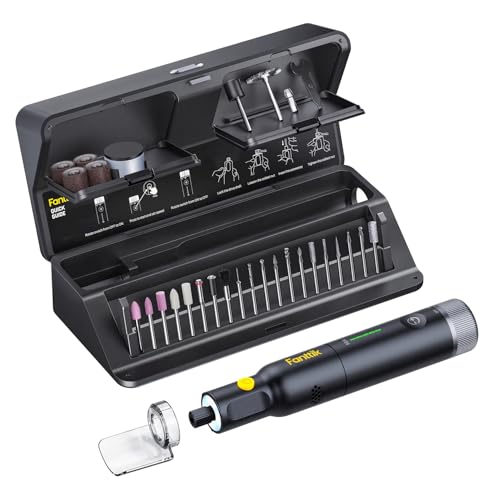
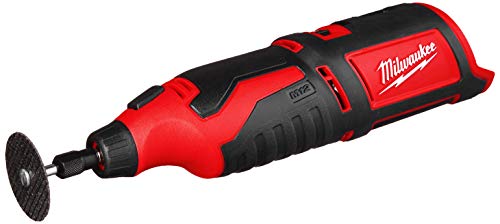
This guide compares the specs that separate capable cordless models from weak toys, and matches speeds and bits to common materials. The comparison table below shows the main cordless classes side by side.



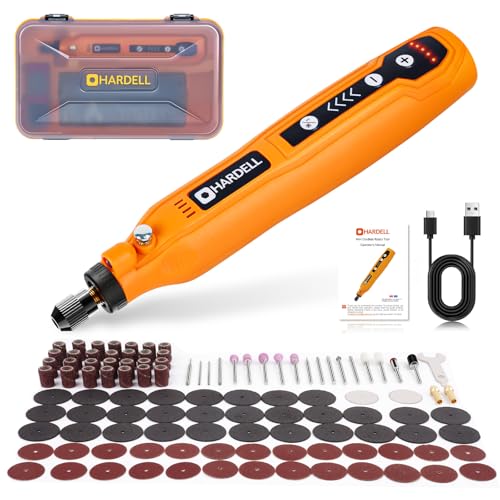
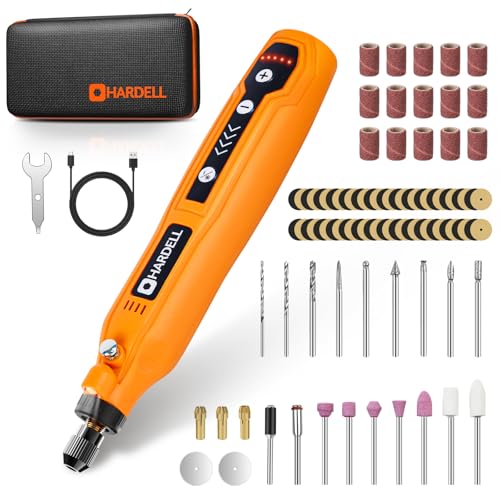
Who Should Buy Which Cordless Rotary Tool?
Your projects divide neatly by how much cutting you plan to do versus how much detail work.
Crafters and Hobbyists Doing Detail Work at a Bench
Model building, jewelry, wood carving and craft repair reward fine speed control, low vibration and a slim grip you hold like a pencil for an hour. A compact cordless model with a wide speed range and a flex shaft option suits you best. The project focused options in our guide to the best rotary tool for crafts show how much the accessory kit matters at this end of the range.
Homeowners Who Want One Grab and Go Fix It Tool
For household odds and ends like cutting a stripped screw, sharpening a mower blade edge, cleaning battery terminals or solving a dozen other small emergencies, a mid size cordless model with a decent accessory case is the sweet spot. You will not use it weekly, which is exactly why cordless wins: no cord to unwind for a 90 second job, and no dead tool because you stored it badly. Buy into a battery platform you already own if you can.
Pet Owners Grooming Dog Nails at Home
Grinding nails is one of the most popular cordless rotary jobs, and it asks for quiet running, low speeds and a guard that keeps fur out of the bit. Many owners choose a small, mild model for this alone, and our guide to the best rotary tool for dog nails compares the pet focused options and speeds in detail. If grooming is your main use, prioritize noise level and a two hand friendly shape over cutting power.
Key Features to Compare
Speed Range and Control
Rotary work lives and dies by speed. Useful cordless models span roughly 5,000 to 35,000 RPM with a dial or slider that holds its setting under load. Low speeds polish, grind nails and shape plastic without melting it; high speeds cut metal and tile and run small drill bits. A tool that bogs down and stalls when you press a cutting disc into steel will frustrate you, so look for electronic feedback that maintains RPM under load. A simple lock button for bit changes matters too, because fumbling with two wrenches at this scale gets old fast.
Battery Size, Voltage and Runtime
Cordless rotary tools come in small integrated battery designs, often 4 to 8 volt class, and larger 12 volt platform tools that share packs with drills and drivers. Integrated models are slim and light but end your session when the pack dies; platform tools swap batteries and keep working, at a chunkier grip. Expect roughly 20 to 40 minutes of mixed work from a small pack, less under cutting loads. If you plan long carving or cutting sessions, either buy the platform tool with a second battery or accept that a corded model exists for marathon days, as our guide to the best corded rotary tool explains.
Collets and Accessory Fit
Nearly all rotary accessories use a 1/8 inch shank, and most tools include collets in a few sizes down to 1/32 inch for fine bits. Check that the collet nut accepts the common standard, because a small number of tools use a proprietary chuck that limits your bit choices. A keyless or quick change chuck speeds up bit swaps during multi step jobs like carving, where you might change bits a dozen times. The accessory kit in the box matters for value: a case with cutting discs, sanding drums, grinding stones and polish pads saves real money over buying pieces singly.
Motor Type and Working Power
Brushless motors, now common in platform tools, run cooler, last longer and hold speed better under load than basic brushed designs. Power shows itself in stall resistance: press a reinforced cutting disc into a bolt and a strong tool keeps spinning where a weak one stops. For grinding and cutting, torque at working speed counts more than the headline RPM. For sanding and polishing, smoothness counts more, because a motor that pulses at low speed leaves waves in soft material. Match the motor class to your heaviest planned job, not your lightest.
Grip, Weight and Attachments
You steer this tool with your fingers, so shape is a performance spec. Pen style grips suit detail work and small hands, while slightly larger bodies with rubber overmold suit cutting and grinding where you push harder. Weight under a pound keeps long sessions comfortable. Attachments extend the tool's reach: a flex shaft moves the grip away from the work for carving, a cutting guide controls depth for drywall and tile cutouts, and a right angle head reaches inside cabinets. Confirm your model accepts the standard attachment thread before counting on them; the hub options in our guide to the best rotary tool show which ecosystems are widest.
Match Speed and Bit to the Material
A few pairings cover most home work. Cut metal, bolts and chain at high speed with a reinforced cutoff wheel, and keep the disc straight in the cut so it does not shatter. Grind and sharpen at mid to high speed with aluminum oxide stones, using light pressure so the stone does the work. Sand wood at mid speeds with drums and flap wheels, and drop the speed for plastic, which melts and smears when it gets hot. Polish metal and jewelry at low speed with felt pads and compound. Work glass, tile and stone at high speed with diamond bits and a trickle of water to cool the cut.
Two habits keep this work safe. Clamp the workpiece so both hands stay on the tool, and wear eye protection every time, because cutoff wheels and wire brushes shed fragments at speed. If a spinning bit catches skin, treat deep cuts like any workshop wound: stop the bleeding with pressure, and get care for cuts that gape, keep bleeding or involve the eye. Let the bit stop fully before setting the tool down, since a coasting disc on a benchtop walks toward edges and cords.
Common Mistakes to Avoid
- Running plastic work at full speed, which melts the material and gums the bit solid.
- Pushing a cutting disc sideways in its cut, which shatters the wheel without warning.
- Buying a tiny battery model for heavy cutting, then fighting stalls and dead packs all day.
- Using bits with bent shanks, which wobble, chatter and ruin both the work and the collet.
- Grinding dog nails at high speed, which heats the nail and frightens the dog off the tool for good.
- Storing the tool with a stone or disc mounted, so the accessory corrodes onto the collet.
How to Make Your Cordless Rotary Tool Last Longer
Blow dust out of the vents after dusty jobs, because the fine grit from cutting and sanding is the main enemy of small motors and bearings. Let the tool work at its own pace; forcing a bit overheats the motor and drains the battery without cutting faster. Store batteries at a partial charge in a cool indoor spot, and avoid leaving the tool in a hot car, which ages packs quickly. Keep collets clean and lightly seated, replace worn brushes on brushed models when power fades, and retire cracked discs and stones the moment you spot damage rather than spinning them one more time.
FAQ
What can a cordless rotary tool do that a drill cannot?
It spins five to ten times faster and takes hundreds of small accessories, so it cuts with thin discs, grinds with stones, carves with burrs, sands in tight corners and polishes with felt pads, all in spaces a drill chuck cannot enter. A drill is a hole making and screw driving tool that works at low speed with high torque. The rotary tool is the opposite balance: high speed, low torque, and precision at small scale.
How long does the battery last in a cordless rotary tool?
Expect about 20 to 40 minutes of mixed sanding and grinding from a small integrated pack, and less, sometimes under 15 minutes, of continuous metal cutting, which is the heaviest load. Bigger 12 volt platform packs extend that and swap instantly. If your sessions regularly run past half an hour of active work, either keep a charged spare ready or choose a platform tool whose batteries you already own for other jobs.
Can a cordless rotary tool cut through metal bolts?
Yes, small ones. A reinforced cutoff wheel at high speed slices bolts, screws, padlock shackles and chain links up to roughly a quarter inch thick without much drama, though it takes longer than an angle grinder and uses up discs. Keep the wheel straight, let it cut at its own pace, and expect sparks and heat. For thick steel stock or repeated cutting, step up to a larger tool rather than cooking a compact rotary motor.
Are rotary tool accessories interchangeable between brands?
Mostly yes. The 1/8 inch shank is the shared standard, so bits and discs from the major accessory brands fit most tools with the right collet fitted. The exceptions are some quick change systems and a few compact tools with proprietary chucks, which lock you into one catalog. Check the collet sizes in the box before buying a bargain tool; a full set from 1/32 to 1/8 inch keeps every common bit usable.
What rotary tool speed is right for polishing metal?
Polishing wants the low end of the dial, roughly 5,000 to 12,000 RPM with a felt or cloth pad and polishing compound. Higher speeds fling compound everywhere, heat thin metal and can burn the finish you are trying to create. Work in small circles, reload compound often, and finish with a clean pad. The same low speed discipline applies to plastic polishing, where excess heat melts the surface instead of shining it.
Final Thoughts
Decide by your heaviest job, then check the battery story and the grip. A tool that holds its speed under load, swaps bits without a fight and runs on packs you already own is the best cordless rotary tool for most homes, whatever the spec sheet race says. Compare the classes in the product table above, keep a spare battery or a corded backup for marathon sessions, and let the little tool do the hundred small jobs it was born for.


