
Best Cordless Wood Routers: A Buying Guide for 2026
Disclosure: We may earn a commission when you buy through links on this page, at no extra cost to you. As an Amazon Associate I earn from qualifying purchases. Learn more

The best cordless wood router frees trim work and edge profiling from the cord. Compare power, bases, collets and battery runtime before you buy.
A corded router is a wonderful tool right up until the cord drags across a freshly profiled edge or pulls the base off line at the end of a pass. Cordless trim routers fix that problem for the work they can handle, and modern brushless motors handle more of it than most woodworkers expect. The best cordless wood router is not a replacement for a big table router, though. It is a trim class tool for edge profiles, hinge mortises, laminate work, and light dadoes, and buying it with those jobs in mind leads to a very satisfying purchase.
This guide explains where cordless routers shine and where they stop, how to read their power and runtime claims, and which bases and accessories matter. The comparison table below summarizes the classes, and the sections after it cover the details.


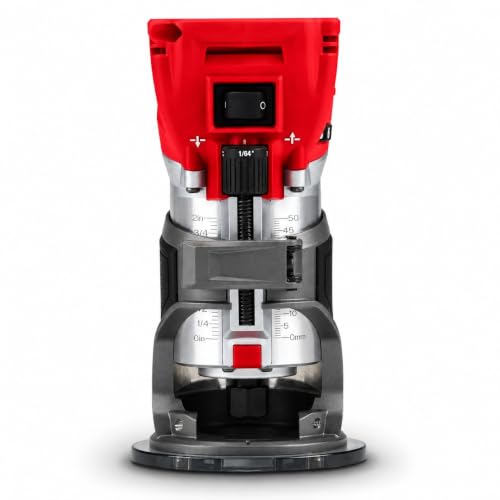


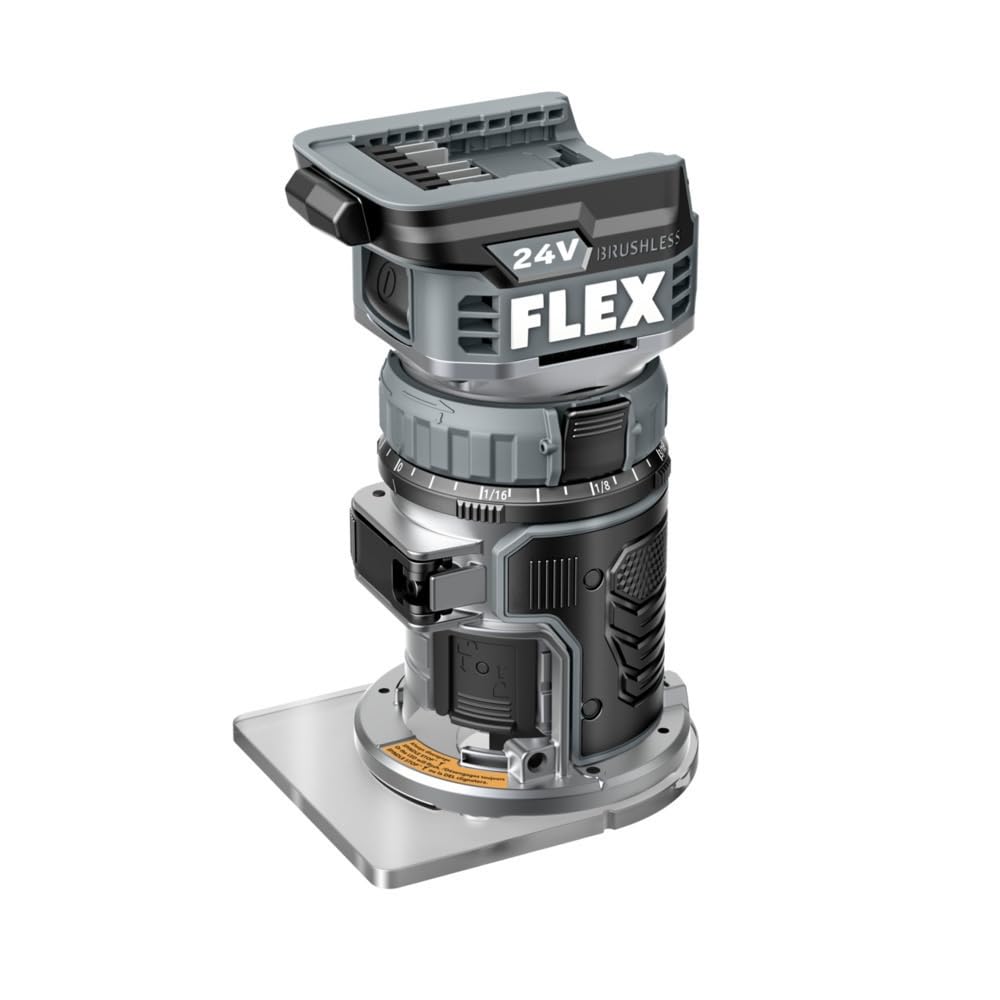


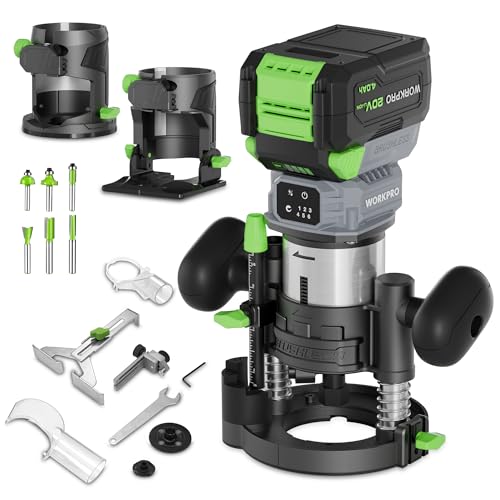
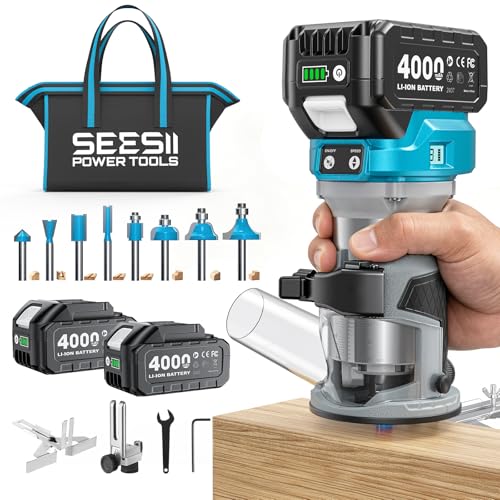
Who Should Buy Which Cordless Wood Router?
Trim Carpenters and Site Workers
If you ease edges, cut hinge mortises, and flush trim on site, a cordless trim router on your existing battery platform is close to a perfect tool. It lives in the tool bag, starts instantly, and never needs an outlet hunt. Our broader guide to the best wood router range shows how trim routers sit alongside their larger corded cousins.
Home Woodworkers Doing Edge Profiles and Signs
Roundovers, chamfers, and small sign lettering are exactly the loads cordless routers handle well. If your platform batteries are already in the shop, the bare tool price is attractive and the convenience is real. Beginners comparing starting points will find the class comparison in our best wood router for beginners guide useful, since a forgiving trim router is a kind first router.
Furniture Builders Who Also Own a Full Size Router
Experienced woodworkers often add a cordless trim router as a second tool rather than a main one. The big corded router stays in the table for panel raising and deep mortises, while the cordless handles every quick edge job without a setup. The compact class in our best compact wood router guide overlaps heavily with this role, corded or not.
Key Features to Compare
Real Power Limits of the Trim Router Class
Cordless routers are trim routers, roughly in the 1 to 1.25 horsepower class in corded terms. That is plenty for roundover, chamfer, and pattern bits of modest diameter, and for shallow dadoes in plywood with sharp bits. It is not enough for raised panel bits, deep mortising in oak, or wide profile bits, which belong to mid size and full size corded routers. Judge product claims against bit diameter, since a router that spins a small chamfer bit happily will bog and overheat on a large one.
Battery Platform and Runtime in Real Work
Routing draws heavy current, so runtime is best measured in feet of finished profile rather than minutes. A 5.0 Ah battery on a major platform typically profiles a few hundred feet of softwood edging, less in hardwood or deeper cuts. High output battery packs sustain speed better under load than standard packs of the same rating. If you plan long sessions, price the router with two large batteries rather than one small one, and keep the charger close to the bench.
Fixed Base, Plunge Base, and Combo Kits
Most cordless routers ship with a fixed base that excels at edge work, where you set the depth once and guide along the bearing. A plunge base adds controlled entry for mortises, stopped dadoes, and inlay work, and it changes the tool from a trimmer into a small general router. Combo kits with both bases cost more upfront and save money compared with buying the plunge base later. Offset and tilt bases exist for laminate and tight spots, and matter mainly to countertop and cabinet installers.
Depth Adjustment Precision
Fine routing is a game of tiny depth changes, so look for a micro adjust dial or rack system that moves the motor smoothly without backlash. A depth scale you can zero against the bit makes repeatable setups far easier. Turret stops on plunge bases speed up stepped cuts in deep mortises. Sloppy adjustment shows up as uneven roundovers that catch the light, and no amount of sanding fully hides them.
Collet Size and Bit Compatibility
Nearly all cordless trim routers use a 1/4 inch collet, which gives access to the huge trim bit market but rules out the stiffness of 1/2 inch shank bits for heavy cuts. A quality collet grips evenly and releases without a fight, while cheap collets slip or stick. Since the class is 1/4 inch only, owners of larger work should plan on keeping a corded router for 1/2 inch bits rather than forcing the trim tool into that role.
Variable Speed and Dust Collection
A speed dial from about 10,000 to 30,000 RPM lets you slow down for larger bits and heat sensitive materials like plastic laminate, which chips at full speed. Small bits want the top of the range, and a soft start keeps the tool from twisting in your hand at startup. Dust ports on trim routers are modest at best, so expect to sweep up, though even a partial port keeps the cut line visible, which improves accuracy more than it improves cleanliness.
What a Cordless Router Can and Cannot Do
Plan your purchase around the honest envelope. Cordless trim routers excel at edge profiles, flush trimming, hinge and lock mortises in doors, small dadoes and grooves, template work with guide bushings, and freehand sign carving. They struggle with raised panels, deep mortises in dense hardwood, long runs of wide profile bits, and any job where the bit diameter passes about 1.5 inches. Work above that envelope belongs in a router table, where the class in our best wood router for router table guide takes over. Owning both tool sizes is common and cheaper than burning out a trim router by asking it to be something else.
Common Mistakes to Avoid
- Running a large diameter bit in a trim router, which overloads the motor and risks a rough, unsafe cut.
- Taking a full depth profile in one pass, instead of two or three shallow passes that stay clean.
- Routing against the grain direction without a shallow climb pass, so the edge tears out at the end.
- Ignoring battery weight balance, then fighting a top heavy tool on vertical edges.
- Skipping a test cut on scrap, so the depth error lands on the finished workpiece.
- Using dull bits, which burn hardwood and make a good router feel underpowered.
Care and Maintenance
Blow chips out of the motor housing and base after each session, since packed dust insulates the motor and fouls the depth adjustment. Clean pitch off bits with a resin remover rather than scraping, and check collets for scoring that can let a bit creep. Store the router with the bit removed and the battery off the tool. Keep the base plate smooth and free of glue drips, because a bump under the base tips the cut more than most users realize.
FAQ
Can a Cordless Router Replace a Corded Router Entirely?
For trim work, edging, and light mortising, yes. For raised panels, deep mortises, and router table work, no, because trim class motors and 1/4 inch collets are the limits. Most woodworkers who route often end up with a cordless trim router for daily tasks and a corded mid size router for heavy work.
How Long Does a Battery Last in a Cordless Router?
It depends on bit size, depth, and wood hardness, but a 5.0 Ah pack usually profiles a few hundred feet of softwood edging per charge. Deep cuts in oak drain a pack far faster. High output batteries hold speed better under load, and two packs with a rapid charger keep most hobby sessions running without a break.
Do Cordless Routers Accept Plunge Bases?
Most major platform models do, either in a combo kit or as a separate accessory. A plunge base is worth adding if you cut mortises, stopped grooves, or inlay, because it lets the bit enter the work under control. Check that the plunge base fits your exact motor unit before ordering, since bases are not shared across brands.
What Bit Size Do Cordless Wood Routers Use?
Almost all use a 1/4 inch collet. That covers the full world of trim, roundover, chamfer, and pattern bits. Bits with 1/2 inch shanks need a larger router. Keep bit diameters moderate, since large bits demand power and speed reduction that trim motors cannot supply for long.
Is a Cordless Router a Good First Router?
It can be, because its size is less intimidating and the lack of a cord simplifies learning edge work. The limitation is scope, since a first router often gets asked to do everything. If your project list includes table work or large bits soon, start with a corded mid size combo kit and add the cordless later.
Final Thoughts
Buy a cordless router for the freedom it gives your most common cuts, not as a promise to retire the corded tool. The best cordless wood router pairs your existing batteries with a precise base, a good collet, and honest trim class power. Compare the kits in the product table above against the edge work on your project list, keep your bits sharp, and take shallow passes for the cleanest results.


