
Best Craftsman Impact Drivers in 2026: How to Choose in the V20 Line
Disclosure: We may earn a commission when you buy through links on this page, at no extra cost to you. As an Amazon Associate I earn from qualifying purchases. Learn more

The best Craftsman impact driver sits in the V20 line, but tiers differ in torque and size. Compare classes, batteries, and bits in this guide.
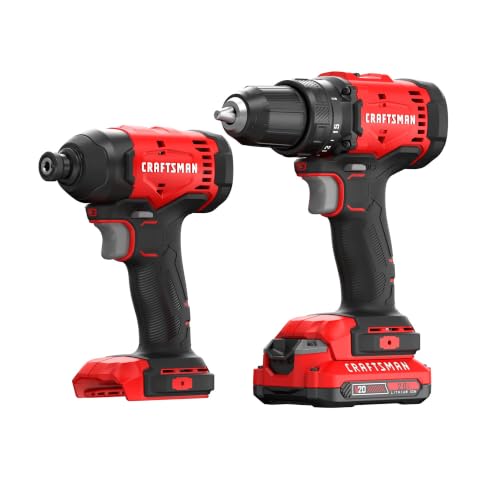
Craftsman impact drivers all live on the V20 battery platform, but the line spans compact brushed models for household screws up to brushless versions that pull deck screws into treated lumber without breaking a sweat. Since the batteries interchange, the real questions are torque class, size, and which tier your projects justify. Choosing the best craftsman impact driver is mostly about not overbuying: the smallest driver in the line does most home fastening better than a drill, while the top tier earns its price only on long screws and dense material.
This guide explains the tiers, the bits these tools demand, and where an impact driver beats a drill and where it does not. For the wider category, see our guide to the best impact driver. The comparison table below groups the V20 classes side by side.
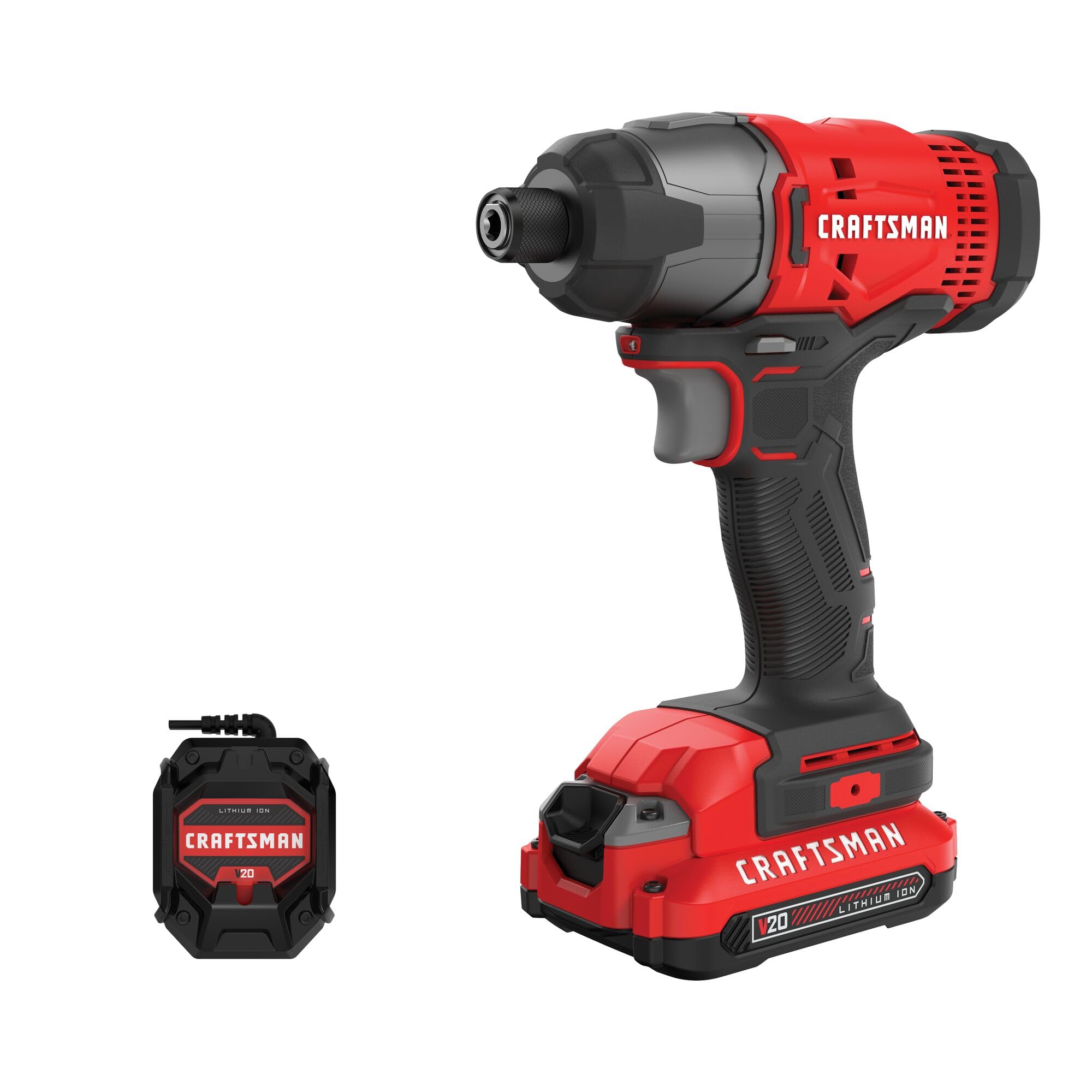

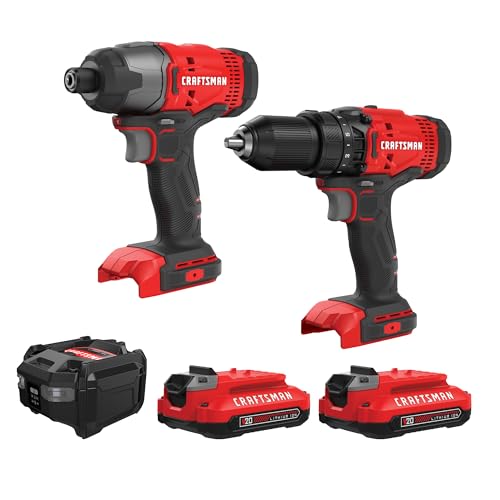


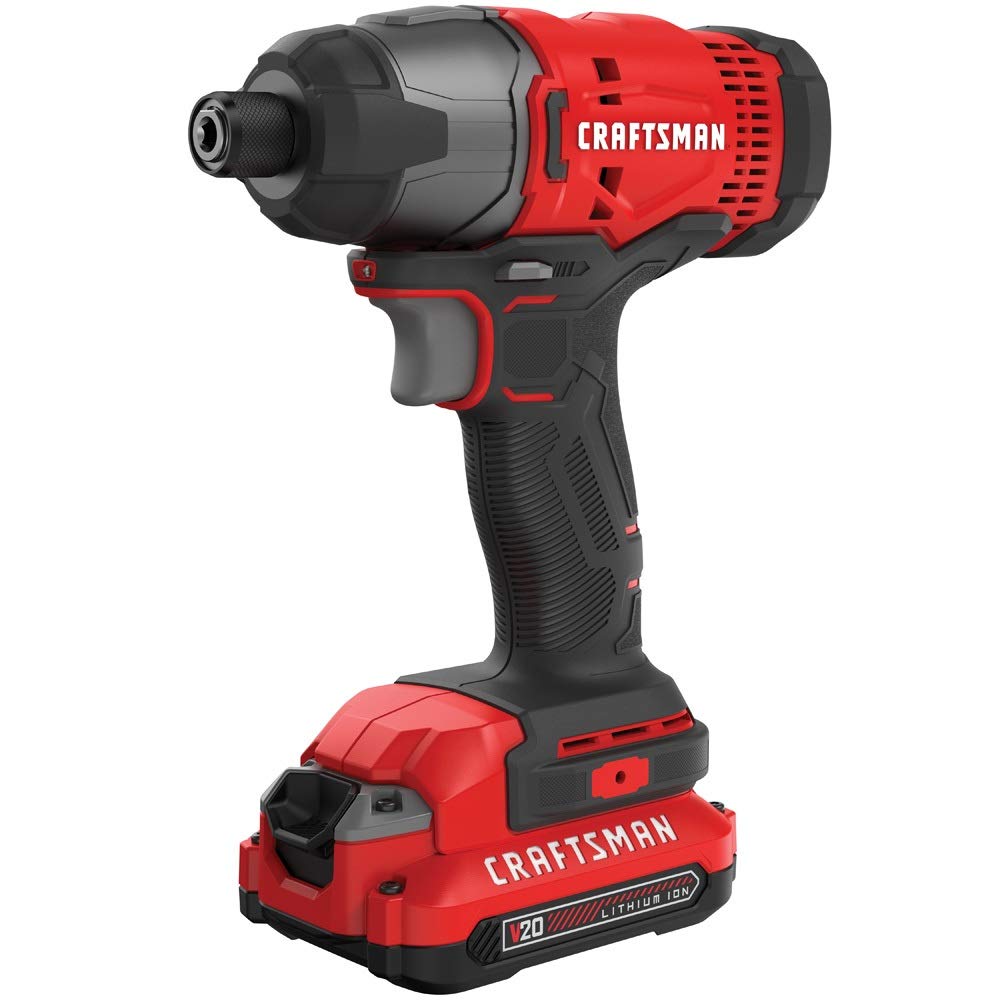
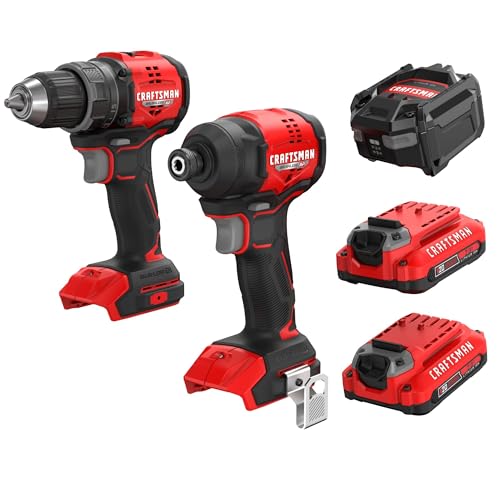
Who Should Buy Which Craftsman Impact Driver?
Start with the fasteners you drive most, then check which V20 batteries you already own.
V20 Battery Owners Adding a Driver
If V20 packs already power your drill or saw, a bare tool driver is one of the cheapest upgrades in home tools. The driver takes over every screw task from the drill: flat pack hardware, hinges, deck boards, and the screws a drill used to cam out of and chew up. Owners in this spot usually need only the mid tier, since their fastening is household scale, and the savings versus a kit stay in their pocket.
Homeowners Building Decks and Fences
Long screws into treated lumber are the impact driver home turf: the hammering action keeps the bit seated and drives without the wrist twist a drill delivers when a screw bites. For a deck or fence project, choose a driver with torque in the upper half of the line and at least two batteries, because driving hundreds of screws drains packs steadily. This workload matches the use cases in our guide to the best impact driver for home use, where Craftsman style value tools are a common pick.
DIYers Tired of Cam Out and Snapped Screws
If your drill keeps slipping out of screw heads or snapping small fasteners, an impact driver changes the feel of the work: it pulses torque in bursts, seats the bit, and stops fighting your wrist. A compact single speed model is plenty for this group, and its short body reaches inside cabinets where drills struggle. The learning curve is an afternoon, mostly spent getting gentle with the trigger on small hardware.
Key Features to Compare
Compare the V20 drivers on torque, control, and the details you touch every day.
Torque Classes and What They Actually Drive
Craftsman drivers range roughly from about 1,200 inch pounds in compact models to around 1,800 or more in the strongest brushless tier. The lower class covers assembly screws, hinges, and general fasteners. The middle handles deck and construction screws into studs and treated lumber. The top class exists for long structural screws and lag style fasteners in smaller sizes. More torque is not automatically better: excess power on small hardware means snapped screws until your trigger control improves.
Speed Settings and Impact Rate
Single speed drivers keep things simple and cheap: one range, full power, and your trigger finger does the finesse. Multi mode drivers add lower settings that cap speed and torque for small screws, sheet metal, and delicate assembly, which prevents a lot of beginner damage. Impact rate, listed in impacts per minute, shapes how smoothly the tool drives in dense wood; higher rates feel less violent on long screws. If you are new to impact drivers, a model with at least one low mode is the forgiving choice.
Collet, Bit Changes and Impact Rated Bits
Every driver here uses a 1/4 inch hex collet that accepts bits with a push or a pull of the sleeve, which makes bit swaps a one handed, seconds long job. The important purchase is the bits themselves: standard chrome bits can shatter under impact, so use bits marked impact rated, which flex slightly instead of snapping. Keep a small set of the sizes you use weekly in the case, because the driver is only as ready as the bit already in its collet.
Brushed vs Brushless Tiers in the Line
The brushed models cost less and drive household screws perfectly well. Brushless versions add runtime per battery, a shorter body, and better behavior under sustained loads like a full deck build. Runtime is the practical difference most owners feel: the same battery drives noticeably more screws. If your projects are monthly rather than weekly, the brushed tier is the honest value, and the money saved buys the impact bit set and a spare battery instead.
Size, Weight and Work Lighting
Compact drivers in this line are short enough for cabinet interiors and light enough for overhead fastening without a burning forearm. That compactness is a class of its own, as our guide to the best compact impact driver shows across brands. Weight climbs with the bigger batteries, so match pack size to the job instead of defaulting to the largest. A work light at the base of the handle sounds trivial until you are driving screws inside a dark cabinet, where it becomes the feature you use most.
Where an Impact Driver Beats Your Drill, and Where It Does Not
An impact driver wins whenever the fastener is long, the wood is dense, or the screw count is high, because the pulsed torque seats bits and spares your wrist. It loses where finesse rules: it has no clutch, so delicate hardware, electronics, and soft materials are easy to overdrive and split. It is also the wrong tool for drilling clean holes, since hex shank bits wobble more than a chucked bit and hole saws strain it. Most households end up using the driver for screws and keeping the drill for holes, and that division of labor is exactly how the tools were designed to pair.
Common Mistakes to Avoid
- Using standard chrome bits in the driver, so a bit shatters mid screw and mars the workpiece.
- Expecting a compact tier driver to remove car lug nuts, which needs torque beyond its class.
- Running full speed on small hardware, so screws snap or drive straight through soft material.
- Buying a bare tool at full price during a week when a kit with two batteries costs about the same.
- Using the impact driver for precision furniture assembly without low mode or a gentle trigger, splitting joints.
How to Make Your Craftsman Impact Driver Last Longer
Keep the collet clean: blow out the dust that packs around it, because a gritty collet starts refusing bits and wobbling them. A drop of light oil on the collet and anvil now and then keeps the mechanism smooth. Retire impact bits when their tips round off, since worn bits cam out and abuse both screw and collet. Store V20 packs indoors at partial charge, rotate them between tools, and keep the driver in a case so drops land on plastic rather than on the collet.
FAQ
Can a Craftsman impact driver remove lug nuts?
The strongest brushless tier can loosen properly torqued lug nuts on many cars, but it is working at its limit, and corroded or over tightened nuts will stop it. Compact and mid tier models generally cannot, and forcing them only overheats the tool. For regular wheel work, an impact wrench is the correct tool, a distinction our guide to the best impact driver for automotive explores in more depth.
Is the brushless V20 impact driver worth it over the brushed one?
For frequent users, yes: you gain runtime, a shorter body, and calmer behavior on long screws, which adds up across a deck or a season of projects. For occasional household fastening, the brushed model drives the same screws and leaves money for batteries and bits. The honest dividing line is how many screws you drive in a month, not how the tools look on a shelf.
Do all V20 batteries fit the Craftsman impact driver?
Yes, the V20 platform shares one connector across its tools, so any V20 pack runs any V20 driver. Capacity still matters: small packs deliver shorter runtime and can feel weaker on long screws, while larger packs add weight. A mid size pack is the balanced everyday choice, with the big packs reserved for deck days and the small ones for cabinet work.
What bits does a Craftsman impact driver need?
It needs 1/4 inch hex shank bits marked impact rated: Phillips, square, and Torx drivers for screws, plus nut setters for hex head fasteners and a magnetic bit holder for small work. Impact rated bits use a tougher, slightly flexible steel that survives the hammering action. Standard bits from a drill set fit the collet physically but can crack under impact, so keep the two sets separate and labeled.
Should a first time buyer choose an impact driver or a drill?
Choose the drill first if you can only own one tool, because it drills holes and drives screws acceptably, while the driver cannot drill well. Add the impact driver second, when screw volume or wrist fatigue makes the case, and the pair will cover nearly every fastening task in a home. If a V20 drill kit is already in your closet, the order conveniently reverses: the driver is your next and best upgrade.
Final Thoughts
Match the torque class to your longest screws, insist on impact rated bits, and let your existing V20 batteries steer the kit or bare tool decision. Do that, and the best craftsman impact driver for your projects is simply the tier that fits your workload without paying for power you will never call on. The product table above compares the classes side by side so you can confirm the choice before ordering.


