
Best 3000 Watt Generators Made Simple: A Clear Buying Guide for 2026
Disclosure: We may earn a commission when you buy through links on this page, at no extra cost to you. As an Amazon Associate I earn from qualifying purchases. Learn more

Shopping for the best 3000 watt generators for the first time? Learn the terms, compare options, and avoid rookie mistakes with this easy guide.
Buying your first generator feels confusing because every listing throws watts, decibels, and fuel types at you all at once. This guide slows that down. It explains the best 3000 watt generators in plain language, starting with what this size class can actually run and ending with the checks that keep you from buying the wrong machine. You do not need an electrical background to follow along, only a rough idea of what you want to power when the grid goes down or the campsite has no hookups.
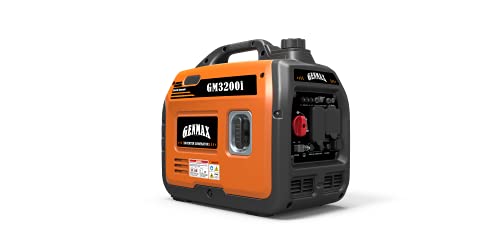
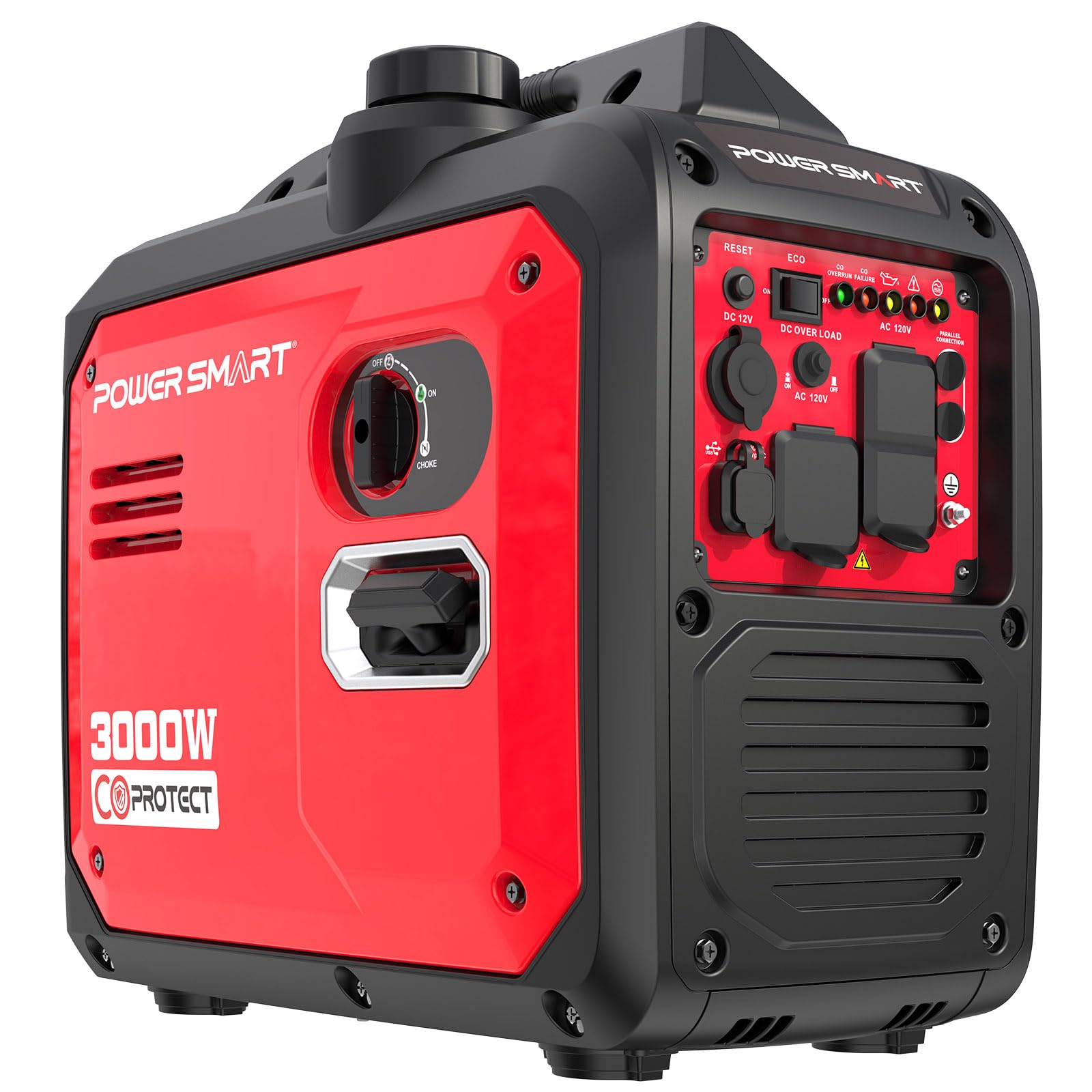
A 3000 watt machine sits in a useful middle ground. It is strong enough for outage essentials like a refrigerator, lights, and phone chargers, yet still light enough for one person to move. The comparison table below gathers the current options in this class so you can match each feature explained here against real listings as you read.
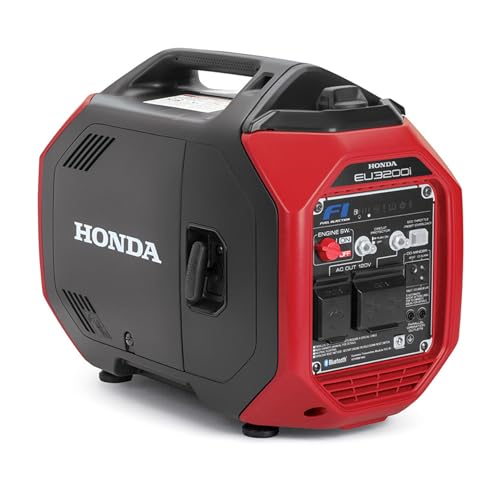
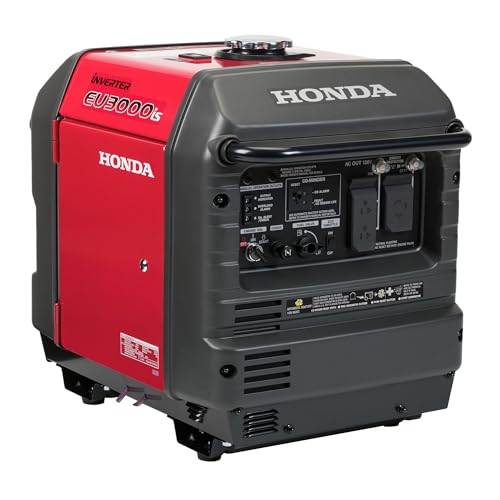
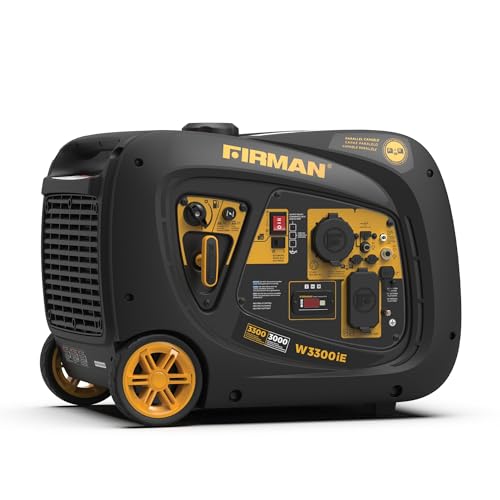
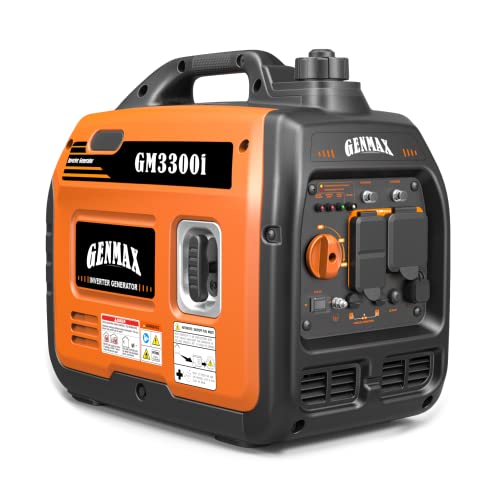
Who Should Buy Which 3000 Watt Generator?
Homeowners Who Want Outage Basics Covered
Your goal is keeping food cold, a few lights on, and devices charged during storms, not running the whole house. A conventional or inverter model with a 120 volt household outlet and at least one USB port covers that list comfortably. Prioritize a carbon monoxide shutoff sensor and a fuel gauge, since outages rarely follow a schedule. Skip paying extra for a 240 volt outlet you will never use, and put that money toward a heavy duty extension cord rated for outdoor use instead.
RV Campers and Tailgaters Who Need Quiet Power
Noise rules at campgrounds make an inverter model the natural fit for you, since it idles down when loads are light and sounds closer to a conversation than a lawn mower. Look for an RV ready 30 amp outlet so you can plug the camper in without a stack of adapters. Weight matters more than raw output here, because you will lift the unit in and out of a truck bed or storage bay every trip. A model under about 60 pounds stays manageable for most adults.
Apartment Dwellers Who Cannot Run an Engine Outdoors
If you rent and have no yard, a gas engine is off the table, since exhaust makes indoor running dangerous. A solar power station in this output class is your version of a generator, charging from a wall outlet before a storm and from panels afterward. Capacity in watt hours decides how long it lasts, so match the battery to your fridge and medical devices first. You give up the long runtime of gasoline, but you gain silent operation and zero fumes inside your living space.
Key Features to Compare
Running Watts and Starting Watts
Running watts describe the power a generator delivers hour after hour, while starting watts describe the short burst it gives a motor at switch on. A refrigerator might run on about 150 watts yet need 800 watts or more for the second its compressor starts. Add up the running watts of everything you plan to use at once, then leave headroom for the largest starting surge in that group. If your total passes about 2700 running watts, the machine will strain, run loud, and shut down on overload more often than you expect.
Clean Power and Total Harmonic Distortion
Total harmonic distortion, shortened to THD, measures how smooth the electrical output is. Conventional models often produce THD above 5 percent, which is fine for lights and power tools but rougher on laptop chargers, modern TVs, and variable speed appliances. Inverter models convert power electronically and usually hold THD under 3 percent, close to what your wall outlet supplies. If electronics sit high on your load list, read our guide to the best 3000 watt inverter generators to see how this class differs in detail.
Fuel Choice and Dual Fuel Flexibility
Gasoline is sold everywhere and gives the longest runtime per tank, but it goes stale in storage within a few months without stabilizer. Propane stores for years and burns cleaner, though a dual fuel model typically makes slightly less power on propane than on gasoline. Dual fuel machines cost a bit more upfront and repay you during long outages, when you can switch fuels instead of hunting for an open gas station. Think about which fuel you can store safely at home, because that answer matters more than the brochure runtime.
Runtime and Tank Size
Runtime figures on a listing almost always quote a quarter load or half load, never full power, so compare models at the same load level. A typical 3000 watt unit runs about 8 to 12 hours at a quarter load on one tank, which covers an overnight fridge and light duty with fuel to spare. A larger tank stretches that window but adds weight every time you carry the unit. Eco mode helps here, since the engine slows when demand drops and sips fuel instead of racing at full speed all night.
Noise Level in Decibels
Manufacturers measure noise in decibels, written dBA, usually from about 23 feet away at a quarter load. Inverter models in this class often land near 52 to 58 dBA at light loads, about the level of normal conversation. Open frame conventional models can reach the high 60s, which neighbors and campground hosts will notice quickly. Remember that every load you add makes the engine work harder and louder, so a quiet rating only holds while you keep demand modest. Distance helps too, and placing the unit farther from sleeping areas changes the experience more than a few decibels on paper.
Outlets and Connection Options
Two household outlets is the baseline in this class, and a 30 amp RV outlet or a twist lock outlet widens what you can connect. USB ports are handy for phones but should never decide a purchase on their own. Check whether the outlets sit behind covers, since covered outlets shrug off dust and light rain at a job site or campsite. Also confirm the panel includes a breaker reset button you can reach easily, because overloads happen most often in the dark during the exact outage you bought the machine for.
How to Add Up Your Loads Before You Buy
Start with a written list, not a guess. Write down each appliance you truly need during an outage, find its running watts on the label or manual, and add the numbers together. A refrigerator at about 150 watts, a sump pump at about 800 watts, five LED bulbs at 50 watts total, and a phone charger at 10 watts come to roughly 1010 running watts. That leaves generous room under 3000 watts for the fridge and pump motors to start without tripping the breaker.
If your list climbs past 3000 watts once you add a space heater, a well pump, or a window air conditioner, this size class is simply too small. Stepping up early is cheaper than overloading a small machine for years, so compare the best 5000 watt generators for midsize loads, and look at the best 10000 watt generators if you expect to run large appliances together. Households planning a permanent panel connection for many circuits should also scan the best 8000 watt generators, since that class pairs more naturally with a transfer switch.
Common Mistakes to Avoid
- Buying by starting watts alone, so the machine overloads once your appliances settle into normal running loads.
- Running a gas generator in a garage or near open windows, which lets carbon monoxide build up where people breathe.
- Skipping the break in oil change, which leaves metal particles from a new engine circulating and shortens engine life.
- Storing gasoline for a year without stabilizer, so the first outage starts with a clogged carburetor instead of power.
- Plugging a space heater and a refrigerator into the same small unit, which eats most of the budget and invites shutdowns.
- Ignoring the weight on the spec sheet, then discovering the generator is too heavy to move without a second person.
How to Make Your 3000 Watt Generator Last Longer
Run the engine for about 15 minutes every month or two, ideally with a small load plugged in, so seals stay lubricated and fuel keeps moving through the system. Change the oil on the schedule in the manual, and check the air filter and spark plug once a year. These small habits prevent the classic failure where a stored generator refuses to start on the one night it matters.
For storage longer than a month, either drain the carburetor or add fuel stabilizer and run the engine long enough to pull treated fuel through. Store the unit indoors in a dry spot, off cold concrete if you can, with the fuel valve closed. Keep the manual and a spare spark plug with the machine, and write the date of the last oil change on a piece of tape stuck to the frame so future you knows the machine is ready.
FAQ
Can a 3000 watt generator run a refrigerator?
Yes, a 3000 watt generator runs a standard refrigerator with a lot of capacity left over. The fridge compressor is the item to watch, since its starting surge can reach two or three times its running watts for a moment. Start the generator first, let it settle, then plug the fridge in by itself before adding smaller loads. That order avoids stacking two motor surges on top of each other. You can then add lights, a router, and chargers without coming close to the limit.
What size generator does a house actually need?
Most houses need far less than people fear if you only power essentials, and far more than 3000 watts if you want central air and an electric range. List your must run items and total their running watts, then add the largest starting surge. Many outage plans land between 3000 and 7500 watts depending on pumps and heating. A licensed electrician can size a transfer switch setup for your panel, and that visit is worth the cost before you commit to a bigger machine.
Does a 3000 watt generator need a transfer switch?
A transfer switch is not required if you run extension cords to individual appliances, but it is the safest way to power hardwired items like a furnace or well pump. It also prevents backfeeding, which can injure utility workers repairing lines near your home. Never plug a generator into a wall outlet to feed your panel, since that shortcut creates exactly that danger. If you go the cord route, use one heavy duty cord per major appliance rather than chains of thin indoor cords.
How long can a 3000 watt generator run without stopping?
A 3000 watt generator can usually run 8 to 12 hours on a tank at light loads, and many owners run one around the clock during outages with refueling breaks. Let the engine cool before refueling, and check the oil level at every stop, since small engines consume oil slowly under load. Give the machine a rest and an oil change after roughly every 100 hours of use. Shut it down right away if you smell fuel, see a leak, or hear knocking that was not there before.
Is an inverter generator or a conventional generator better at 3000 watts?
An inverter generator is better if you value quiet operation, clean power for electronics, and fuel savings at partial loads. A conventional model is better if your budget is tight and your loads are simple tools, lights, and appliances with tolerant motors. The price gap has narrowed, yet conventional units still cost less for the same wattage. One more difference matters in practice: inverter models throttle down automatically, so they sip fuel during the long light load hours that make up most of an outage.
Final Thoughts
Choosing well at this size comes down to three checks: your honest load total, the fuel you can store, and the noise your setting allows. Match those before you chase extra outlets or a bigger tank. The product table above pulls the current best 3000 watt generators into one view, so use the terms from this guide to sort it quickly and pick the machine that fits your list.


