
Best Delta Table Saws: Which Model Fits Your Projects? (2026)
Disclosure: We may earn a commission when you buy through links on this page, at no extra cost to you. As an Amazon Associate I earn from qualifying purchases. Learn more

The best delta table saw depends on format, from jobsite portables to contractor saws with cast iron tops. Compare fences, motors and tables in this guide.
Delta is one of the oldest names in table saws, and its range is one of the widest in the category: portable jobsite saws at the entry end, contractor saws with cast iron tops in the middle, and a cabinet saw heritage at the top. That spread is the brand's strength, because it lets you grow inside one lineup. Choosing the best delta table saw means first choosing a format, then checking that the fence, motor and table of that format match the work you actually do.
This guide walks the format ladder from light to heavy, explains the specs that separate the classes, and flags where buyers typically overspend or underspend. The fence systems and motor types change more between Delta classes than between rival brands, so read those sections closely. The product table below lists the Delta saws you can buy new right now, and the best delta table saw for you is the one whose class matches your shop.
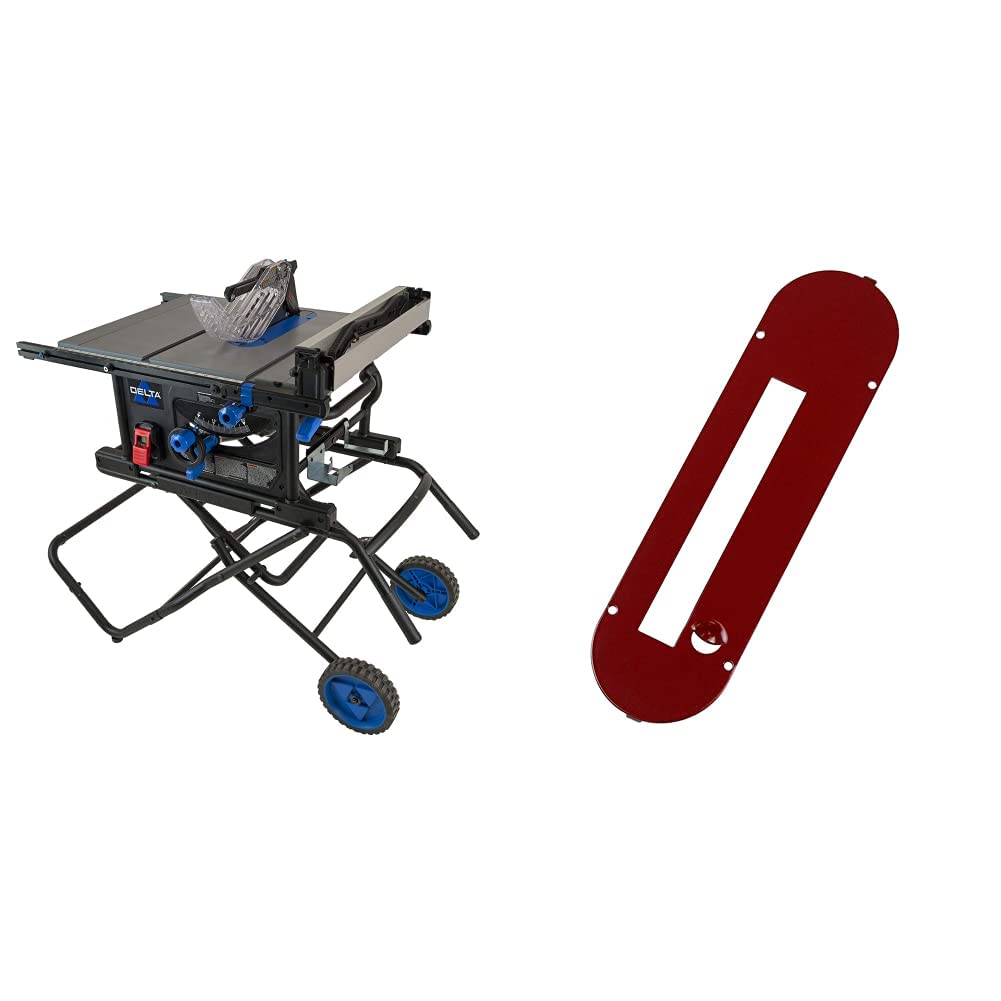
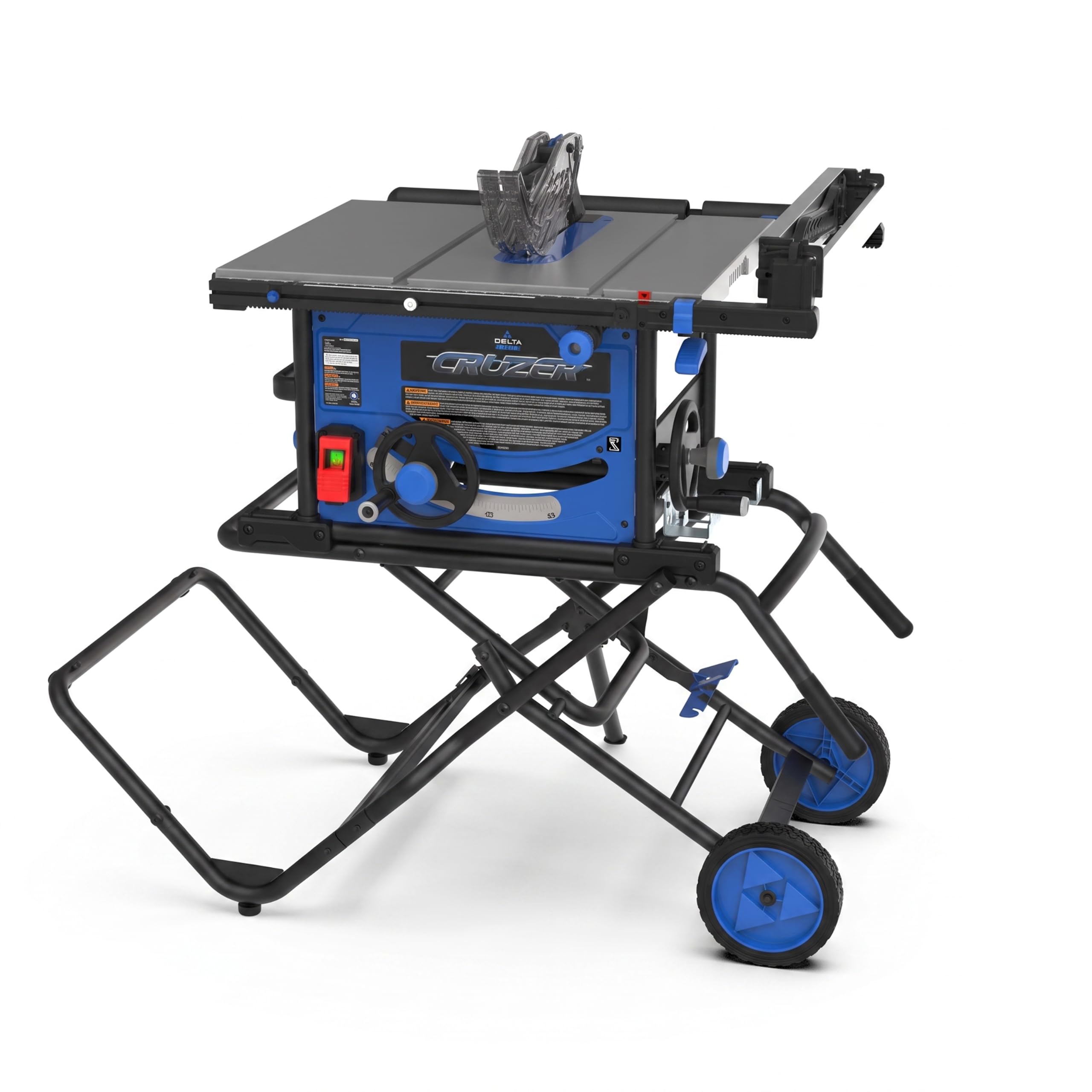
Who Should Buy Which Delta Table Saw?
Furniture Makers Stepping Up From a Portable
If your portable saw is now the bottleneck in your furniture work, the Delta contractor class is the classic next step. You gain a cast iron top that stays flat, a belt driven induction motor that rips hardwood quietly, and a fence worthy of repeat cuts. It still runs in a home shop and can roll on a mobile base. Buyers weighing this move against staying portable should compare formats in our overview of the best table saw types.
Homeowners Who Want One Saw for Every Repair
The Delta jobsite class covers the homeowner pattern well: fence a deck one month, cut shelving the next, then roll into the garage corner. It costs far less than the contractor class while sharing the brand's fence thinking in simpler form. If that pattern sounds like your life, also check the wider portable field in our roundup of the best portable table saw models to confirm the value.
Small Shops That Need Cast Iron on a Budget
Shops that cut daily but cannot justify cabinet saw money land on the contractor class for good reason. The cast iron wings, the 4 inch dust port and the fence rail length support real production habits like batching parts and using jigs. Pair it with a mobile base and it still parks against a wall. For dedicated furniture production, compare against the stationary classes in our guide to the best table saw for woodworking.
Key Features to Compare
Format Ladder: Jobsite, Contractor and Cabinet Heritage
Delta's jobsite saws are universal motor portables meant to travel. The contractor class mounts the motor and trunnions differently, adds weight and cast iron, and expects to live in a shop. The cabinet class, the format Delta made famous, encloses everything in a cabinet base with the heaviest trunnions. Each step up buys stability, quieter running and fence quality, and costs you portability. Be honest about whether your saw moves weekly or yearly, because that single answer picks the format.
Cast Iron Versus Aluminum Tables
Stationary Delta models use cast iron tops, often with cast iron or steel wings, while the jobsite class uses aluminum. Cast iron wins on flatness, vibration damping and the slick, waxable surface that makes stock glide. It also rusts if you neglect it and adds serious weight. Aluminum tables are lighter and shrug off damp sites but can flex under a heavy sheet and show wear grooves over years. In a fixed shop, choose cast iron every time. In a truck, choose aluminum and accept the tradeoff.
Fence Systems Across the Range
The fence is where Delta classes separate most clearly. Jobsite models use a simpler fence that rewards a parallel check before precision work. The contractor class offers a T square style fence in the tradition of the Biesemeyer design: it clamps to a front rail, slides with one hand and locks dead parallel, which is why generations of woodworkers trust the pattern. If you batch parts or use the fence as your measuring tool, the fence alone can justify stepping up a class.
Motor Type: Universal Versus Induction
Jobsite models use universal motors: loud, light and powerful for their size, with brushes that eventually wear. Contractor and cabinet classes use induction motors driving the blade by belt. Induction motors run far quieter, deliver steadier torque in thick stock and last for decades with little more than a belt change. The sound difference matters in a basement shop under a living room, and the torque difference matters every time you rip thick maple stock.
Rip Capacity, Stands and Dust Ports
Rip capacity grows with class, from the mid 20 inch range on portables to 30 inch and wider rail systems on stationary saws, which changes how you break down sheet goods. Stands also differ: folding and rolling stands for the jobsite class, fixed legs or mobile bases for the contractor class. Dust collection improves with format too, ending in the 4 inch port under stationary saws that a real collector can keep nearly clean. Match the port to the collector you own, not the one you dream about.
Setting Up a Stationary Delta for First Cuts
A contractor or cabinet class saw arrives partly assembled and rewards a careful first hour. Level the top, align the blade to the miter slots before trusting any cut, then set the fence parallel and calibrate its scale. Check that the riving knife sits centered behind the blade and slightly below its top for non through cuts. None of this is difficult, but skipping it is the top reason new stationary saw owners think their fence is defective.
Electrical setup is the other half. Larger stationary models may ship wired for one voltage with a conversion option, or need a dedicated 220 volt circuit at higher horsepower. Read the plate on the motor, not the marketing page, and have an electrician add the circuit before the saw arrives if you need one. First time stationary buyers will find the broader buying context in our notes on the best table saw for beginners helpful, since stepping up a format resets several habits from portable saws.
Common Mistakes to Avoid
- Buying the contractor class for a saw that must climb stairs weekly, then dreading every move and leaving it behind.
- Judging a stationary saw by its first cuts before aligning the blade and fence, which makes any saw look sloppy.
- Letting a cast iron top sit unwaxed through a humid summer, so rust pits the surface you paid extra for.
- Running a stationary saw on the wrong voltage because the plug fit, risking a weak motor and a tripped breaker mid cut.
- Ignoring the dust port size and choking a 4 inch port down to a small vacuum hose, which strangles collection.
- Assuming the jobsite fence behaves like the T square fence, and skipping the parallel check on precision cuts.
How to Make Your Delta Table Saw Last Longer
Stationary Delta saws are famous for lasting decades, and the care routine is simple. Keep cast iron waxed, vacuum dust from the cabinet and trunnions so the tilt and elevation screws stay clean, and replace the belt when it glazes or cracks rather than when it snaps. A spare belt on the shelf costs little and saves a weekend.
For the jobsite class, focus on transport care: blow out the motor vents, check stand fasteners, and store it dry. Across all classes, keep blades sharp and correct for the task, since a dull blade is the fastest way to make a good saw feel underpowered. Finally, keep the manual and parts diagrams. Delta's long model runs mean parts support stretches for years, and owners who use it keep these saws cutting long after cheaper tools retire.
FAQ
Is Delta a good table saw brand?
Yes. Delta is one of the foundational table saw brands, with deep parts support and a range that covers jobsite to cabinet formats. Quality varies by class like any wide lineup: the stationary saws are the brand's heartland, while the jobsite models compete on value. Buy the class that fits your work and Delta's reputation for longevity is realistic, especially on the induction motor models.
Should I choose a Delta contractor saw or a jobsite saw?
Choose the contractor class if the saw will live in one shop, you cut hardwood regularly and you want cast iron stability and a T square fence. Choose the jobsite class if the saw must travel or store in a corner. A useful middle check is your sheet goods habit: breaking down plywood weekly is far more pleasant on the stationary saw with an outfeed table.
What makes a T square fence better than a standard fence?
A T square fence rides a heavy front rail and clamps with a cam lever, so it locks parallel to the blade every time and slides smoothly for fine adjustments. Standard jobsite fences often clamp front and back or pivot slightly, so they need a parallel check before accurate cuts. The difference shows up in batch work, where you set the fence once and trust fifty cuts to match.
How long does a Delta table saw last?
The stationary classes are measured in decades; many Delta contractor and cabinet saws from past generations are still in daily use, kept alive by belts, bearings and switch replacements. Jobsite models live shorter, harder lives but still serve for years with basic care. The biggest lifespan factor is environment: dry indoor storage and dust control age a saw far more slowly than damp, dusty neglect.
Are Delta table saw parts easy to find?
Generally yes, because the brand has wide distribution and long running model families. Common wear parts like belts, switches, fences and throat plates are the easiest to source. For older models, check the exact model number before ordering, since Delta has reused similar names across generations. Keeping your manual with the parts diagram turns a frustrating search into a five minute order.
Final Thoughts
Delta's wide ladder is the point: start portable, step up to cast iron, and keep the fence and motor quality climbing with your skills. Pick the format by how often the saw moves and what you cut weekly, and the best delta table saw for your shop will be obvious. Use the product table above to compare the classes, then buy the fence and table your projects deserve.


