
Best Mulch Lawn Mowers Made Simple: A Clear Buying Guide
Disclosure: We may earn a commission when you buy through links on this page, at no extra cost to you. As an Amazon Associate I earn from qualifying purchases. Learn more

A clear guide to the best mulch lawn mowers: how mulching works, key specs, setup and when to bag instead.
Bagging grass clippings means stopping every few minutes to empty a heavy bag and hauling yard waste to the curb. Mulching skips all of that. A mulching mower cuts each clipping into tiny pieces and drops them back into the lawn, where they break down quickly and return nitrogen and moisture to the soil. The best mulch lawn mowers chop clippings finely, spread them evenly without clumps and still let you bag or side discharge when the grass gets too long.
This guide explains how mulching works, the key specs in plain English, the mistakes first time buyers make and how to set up a mower for a clean mulched finish.
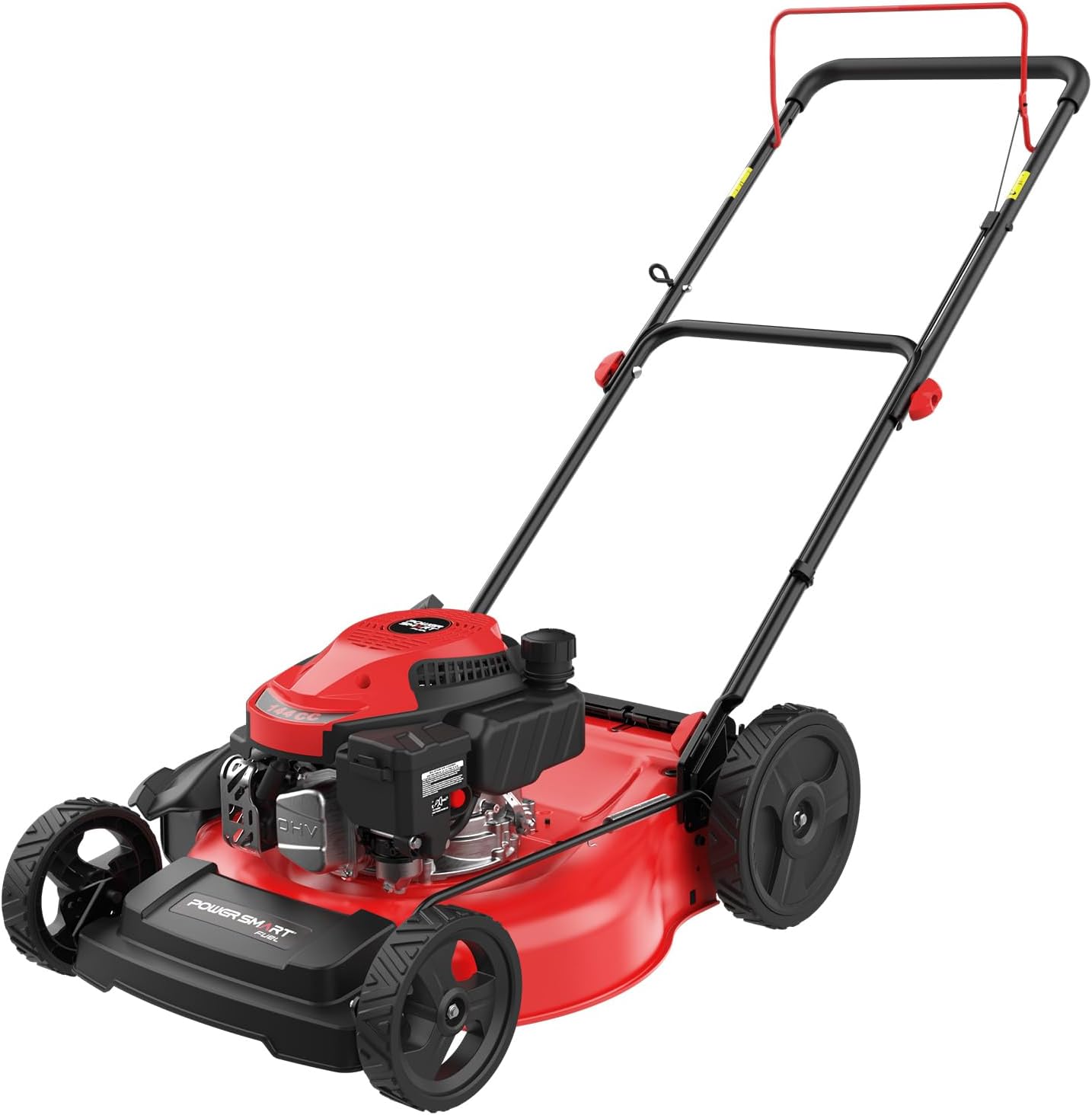

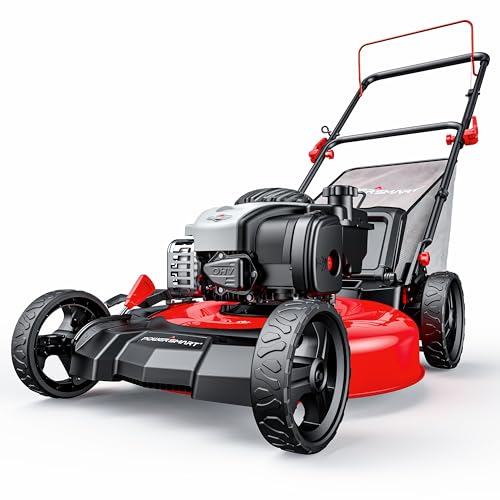


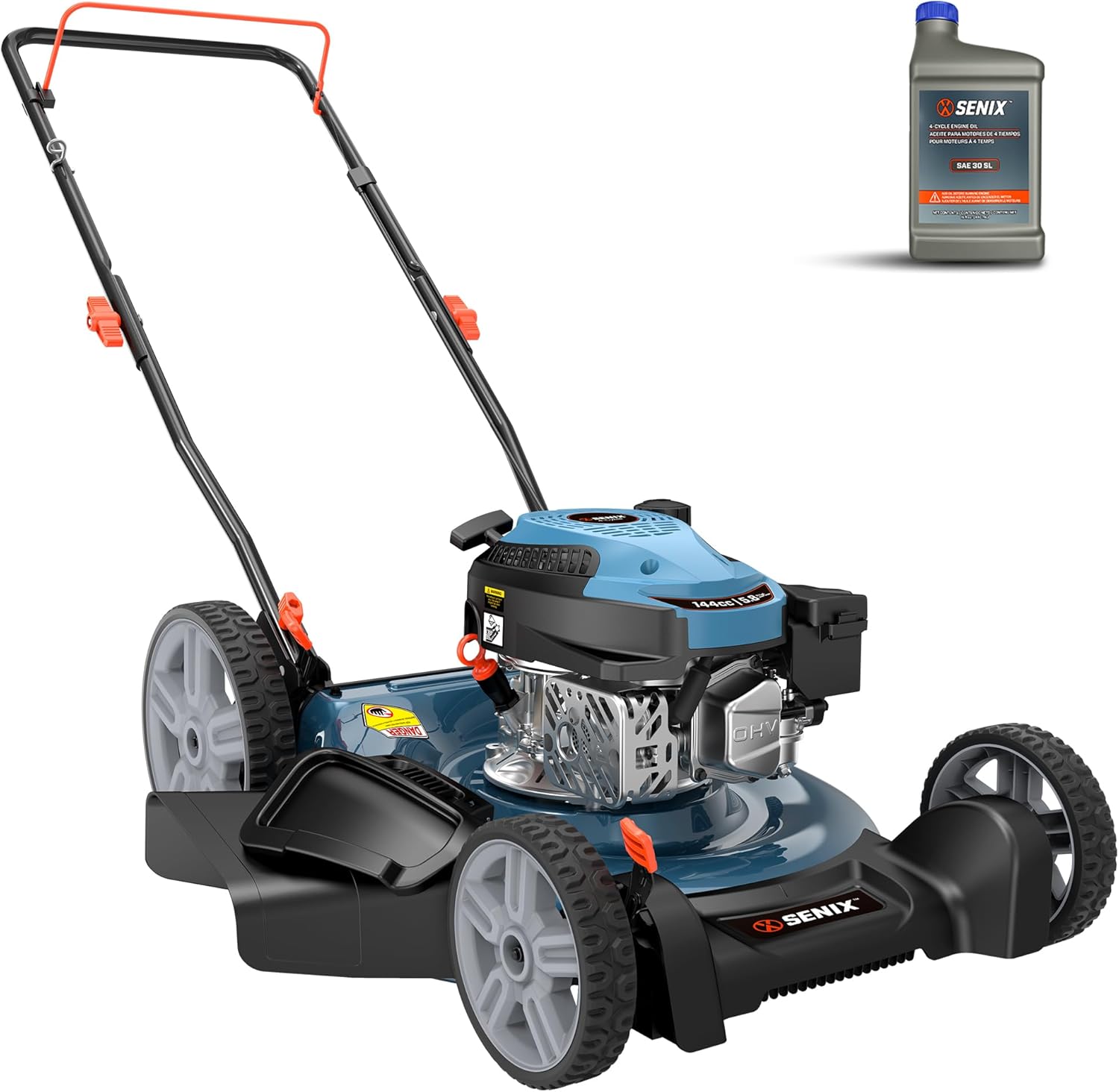


Mulch Lawn Mowers 101: The Basics
A mulch lawn mower is a mower with a closed deck and a mulching blade that keeps clippings circulating under the deck, cutting them several times into fine pieces before they fall back onto the lawn.
Most mulching mowers are 3 in 1 or 2 in 1 models. A 3 in 1 mower mulches, bags and side discharges; a 2 in 1 mower usually mulches and side discharges or bags. To mulch, you insert a mulch plug into the rear chute or close the discharge door.
Key parts include the mulching blade, which has extra curves and cutting edges, and the deck shape, which creates airflow that lifts and recuts grass. Mulching works best when you mow often and remove no more than one third of the grass height at a time.
Benefits of Mulching Your Lawn
- Free fertilizer: clippings are mostly water and break down quickly, returning nitrogen and other nutrients to the soil.
- Less work: no bags to empty or yard waste to haul.
- Moisture retention: a thin layer of fine clippings shades the soil and slows evaporation.
- Healthier grass: regular mulching can reduce how much fertilizer your lawn needs.
- No thatch problem: fine clippings do not cause thatch; thatch comes from roots and stems.
Key Specs Explained in Plain English
Five specs decide how well a mower mulches and whether it suits your yard.
Power Source: Gas, Battery, or Corded Electric
Gas mowers with 140cc to 200cc engines have the power to mulch thick or damp grass without bogging down. They need oil changes, spark plugs and fresh fuel.
Battery mowers are quiet, start instantly and need little maintenance; brushless 40V to 80V models mulch well on regularly mowed lawns. Corded electric mowers are light and cheap but limited by cord length.
Mulch, Bag, and Side Discharge Options
Choose a 3 in 1 mower for flexibility. Mulch during regular weekly mowing, bag in spring and fall to collect leaves or prevent weeds from spreading, and side discharge when grass is long or wet. Check that the mulch plug or kit is included rather than sold separately.
Yard Size and Cutting Width
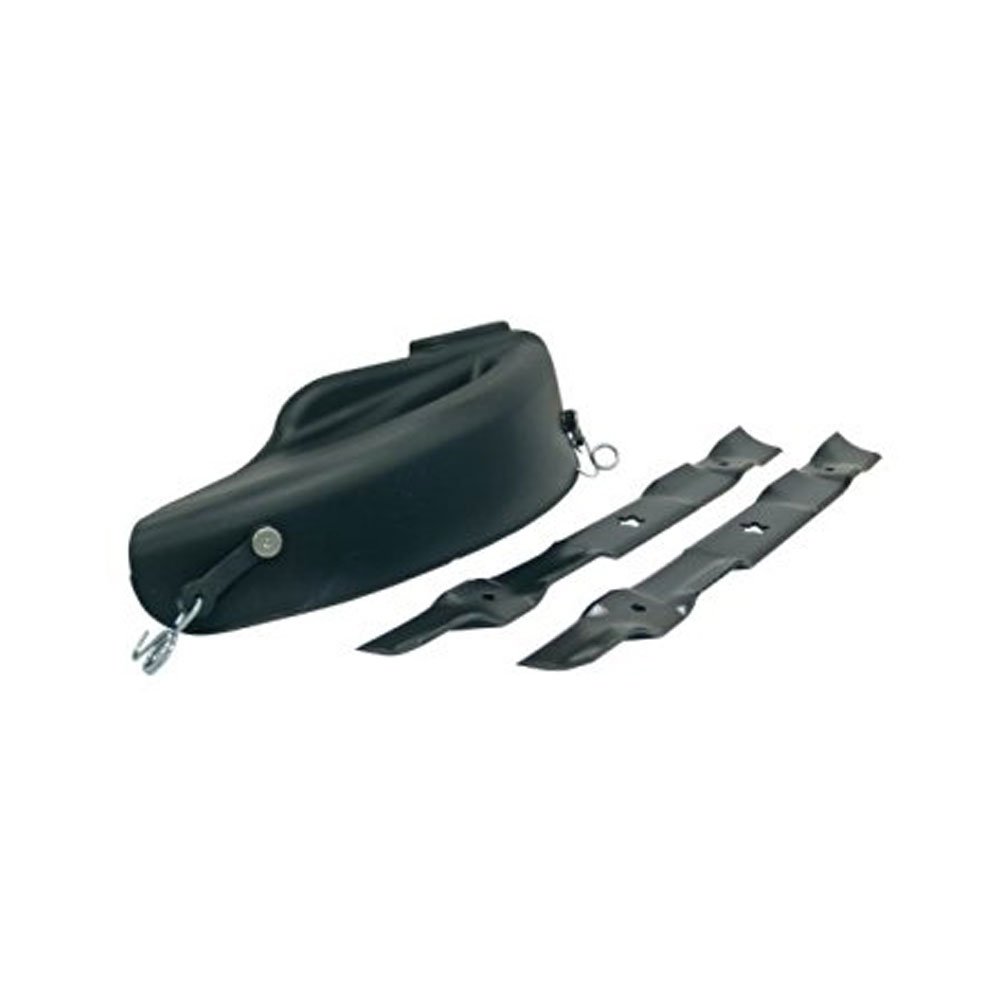
Push and self propelled mulching mowers usually have 20 to 22 inch decks, which suit lawns up to about half an acre. For larger yards, riding mowers and zero turns can add mulch kits, often sold for specific deck sizes such as 42 or 46 inches.
Slopes and Terrain
On hills, choose a self propelled mower with rear wheel drive for traction, especially when a bag adds weight. Larger rear wheels roll more easily over bumpy ground. Mow across slopes with walk behind mowers for safety.
Drive Type (Push, Self Propelled, Riding, Zero Turn, Robotic)
Push mowers are lighter and cheaper, fine for small flat lawns. Self propelled mowers reduce effort on larger or sloped yards. Riding and zero turn mowers need mulch kits but cover acres quickly. Robotic mowers mulch automatically by cutting tiny amounts frequently.
Mulching Blades and Kits Explained
A mulching blade, sometimes called a 3 in 1 or high lift mulching blade, has curved edges and extra cutting surfaces that slice clippings repeatedly. Some mowers use stacked twin blades for finer mulch. Riding mowers can add mulch kits with baffles and blades designed for their deck size. Keep blades sharp; dull blades tear grass and leave ragged clumps instead of fine mulch.
Gas vs Battery Mulching Mowers Compared
Gas mulching mowers are the better choice for thick, tall or damp grass and lawns over half an acre, while battery mulching mowers are better for regularly mowed suburban lawns where quiet operation and low maintenance matter.
- Cutting power: gas engines keep blade speed up in dense grass, which helps produce fine mulch. Brushless battery motors now come close on weekly mowed lawns.
- Runtime: gas runs as long as you have fuel; batteries typically cover about a quarter to half an acre per charge, and mulching tall grass drains them faster.
- Maintenance: gas needs oil, spark plugs, air filters and fuel stabilizer; battery mowers need little more than blade care and battery storage.
- Noise and fumes: battery mowers are much quieter and produce no exhaust.
- Cost: gas mowers cost less upfront; battery mowers save on fuel and servicing over time.
Common Mulching Problems and Fixes
Most mulching complaints come from mowing conditions or blade condition rather than the mower itself.
- Clumps left on the lawn: mow when the grass is dry, raise the deck and walk more slowly so clippings are recut.
- Visible rows of clippings: overlap passes by a few inches and mow more often during fast growth.
- Engine bogs down: raise the cutting height or switch to side discharge for the first cut of overgrown grass.
- Grass tips look brown and shredded: sharpen or replace the blade.
- Deck clogs with grass: scrape built up clippings from under the deck after every mow; a clean deck circulates air better.
Seasonal Mulching Tips
In spring, mow often as growth surges, keeping the deck high to shade out weeds. In summer heat, raise the cutting height to about 3.5 to 4 inches and mow less often so grass resists drought. In fall, mulch light layers of leaves along with grass to add organic matter; if leaves cover more than about half the lawn, bag or rake some away first. Before winter storage, clean the deck, sharpen the blade and either run gas mowers dry or add fuel stabilizer.
How Much to Spend on the Best Mulch Lawn Mowers
Most homeowners find the best mulch lawn mowers between about $200 and $500.
- Under $250: 2 in 1 gas and corded electric push mowers for small, flat lawns.
- Around $250 to $500: 3 in 1 gas mowers with reliable engines and cordless brushless mowers with good batteries.
- Over $500: self propelled premium mowers with dual blades and larger batteries, or mulch kits for riding mowers.
Rookie Mistakes to Avoid
- Mowing wet grass: wet clippings clump and leave piles instead of fine mulch.
- Cutting too much at once: remove no more than one third of the blade height.
- Using a dull blade: sharpen each season for clean cuts.
- Forgetting the mulch plug: without it, clippings shoot out the back.
- Mulching overgrown lawns: use side discharge or bag the first cut, then mulch.
Getting Started: Setup and First Use
- Assemble the handle and attach the mulch plug or close the discharge door.
- Add oil and fuel to gas mowers, or fully charge the battery.
- Set cutting height: about 3 to 3.5 inches suits most cool season grasses.
- Mow when dry: late morning or afternoon after dew evaporates.
- Walk at a steady pace: slower passes give clippings more time to be recut.
- Overlap passes slightly to avoid missed strips.
- Clean the deck after mowing to prevent buildup that reduces mulching.
When to Bag Instead of Mulch
Mulching is ideal most of the season, but bagging makes sense when grass is very long after vacation, when weeds have gone to seed, when the lawn has a fungal disease or when you are collecting fall leaves. Shredded leaves mulched in thin layers can also feed the lawn, but heavy leaf cover should be bagged or composted.
FAQs
How often should I sharpen mower blades?
Sharpen mulching blades at least once per season, or about every 20 to 25 hours of mowing. Mulching relies on sharp edges to cut clippings finely, so dull blades show quickly as clumps and torn grass tips.
Is a zero turn worth it for one acre?
For a mostly flat acre, a zero turn saves a lot of time. Add a mulch kit for your deck size so you can mulch clippings instead of discharging them across the lawn.
How long does a mulch lawn mower last?
A gas mulching mower typically lasts 8 to 10 years with oil changes, blade sharpening and dry storage. Battery mowers can last as long, though batteries may need replacing after several years.
Are battery mowers as good as gas for mulching?
For regularly mowed lawns up to about half an acre, modern brushless battery mowers mulch well. Gas mowers handle thick, tall or damp grass better.
What size mower do I need for my yard?
A 20 to 22 inch push or self propelled mulching mower suits lawns up to about half an acre. Larger lawns benefit from a riding mower with a mulch kit.
Does mulching grass cause thatch?
No. Thatch builds up from grass roots, stems and runners, not from fine clippings, which are mostly water and decompose within days. Mulching regularly with a sharp blade adds nutrients without increasing thatch. Overwatering and heavy nitrogen fertilizing are more common causes of thatch problems.
The Bottom Line
Choose a mulching mower by yard size and power source first, then make sure it offers mulching, bagging and side discharge. Mow regularly, keep the blade sharp and cut no more than one third at a time. The best mulch lawn mowers feed your lawn while saving time, so check the product table above for current models and prices. For more mower options, see our best robotic lawn mowers guide.


