
Best Paint Sprayers for Kitchen Cabinets: What Actually Matters Before You Buy
Disclosure: We may earn a commission when you buy through links on this page, at no extra cost to you. As an Amazon Associate I earn from qualifying purchases. Learn more

A checklist for cabinet paint sprayers, three picks and a step by step finishing routine.
Brushing kitchen cabinets leaves brush marks in every door panel, and rollers struggle with raised profiles and corners. A paint sprayer lays down a thin, even coat that dries smooth, closer to a factory finish. The best paint sprayers for kitchen cabinets offer fine control over paint flow, a narrow pattern for door edges and frames, and easy cleanup so you are not scrubbing parts for an hour after each coat.
Before comparing models, here is the checklist we use to judge every sprayer in this guide. A sprayer that fails two or more points is not a good fit for cabinet work.


How We Evaluate Paint Sprayers
Features That Matter for Kitchen Cabinets
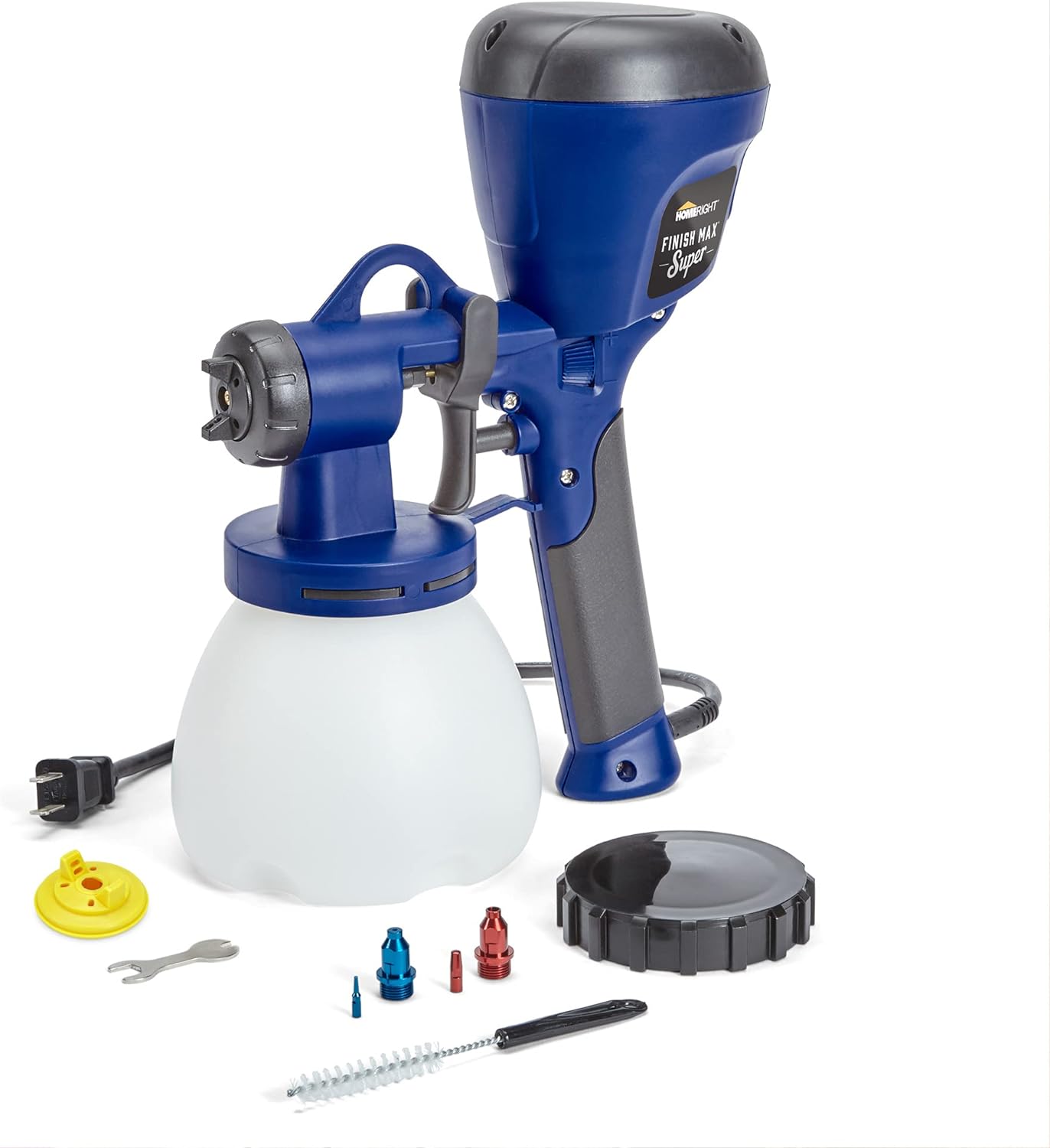
Cabinets need a fine finish more than raw speed. Look for a detail or fine finish nozzle, adjustable flow and a pattern you can switch between horizontal, vertical and round. HVLP (high volume, low pressure) sprayers, like the Wagner FLEXiO and HomeRight Super Finish Max, are the usual choice because they produce less overspray and a smoother result on doors and drawer fronts.
Sprayer Type
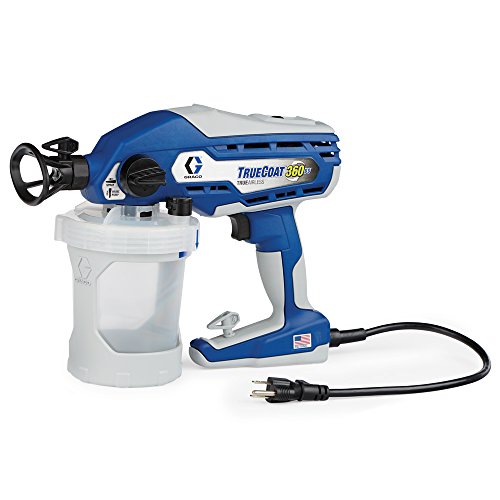
HVLP turbine sprayers atomize paint with air for a fine finish and good control. Handheld airless sprayers, like the Graco TrueCoat 360 DS, use a piston pump to spray unthinned paint quickly, suited to large cabinet sets and trim, but they lay down heavier coats and need practice. For most DIY cabinet projects, HVLP is easier.
Thinning and Paint Compatibility
Cabinet paints, such as waterborne enamels and urethane modified acrylics, can be thick. Wagner lists its FLEXiO 590 as spraying most unthinned latex, and HomeRight says the Super Finish Max needs less thinning than its earlier models. Always follow the paint maker's guidance on thinning for spray application.
Control and Adjustability
Wagner lists a 10 setting X-Boost power dial and adjustable pattern on the FLEXiO 590. HomeRight lists three brass tips and three spray patterns. Graco lists two speeds on the TrueCoat 360 DS, with low speed for detail work.
Cleanup
Cabinet projects involve several coats, so fast cleanup matters. HVLP cups and nozzles rinse quickly with water for latex paints. Graco's FlexLiner bags replace cups, making color changes easier.
Weight and Comfort
Lighter guns reduce fatigue over dozens of doors. HomeRight describes the Super Finish Max as lightweight in the hand. Handheld airless units like the TrueCoat are heavier when full.
3 Picks That Pass Our Checklist
Prices change often, so treat these figures as approximate.
Best Overall: Wagner FLEXiO 590
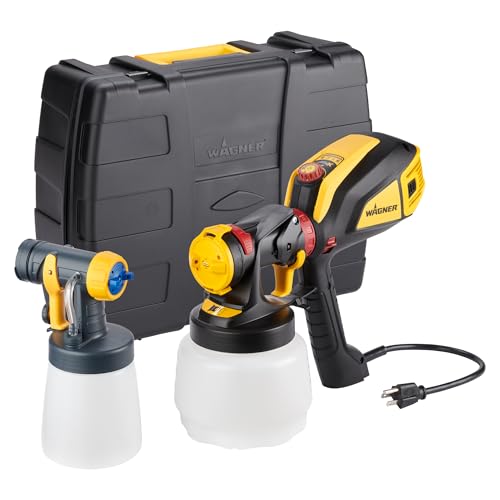
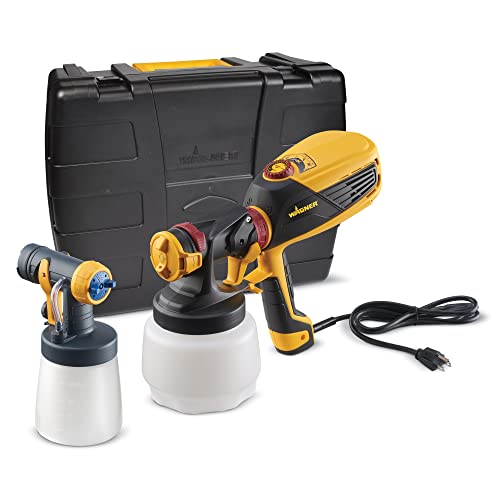
The FLEXiO 590 is a handheld HVLP sprayer with two nozzles: the iSpray for larger jobs and a Detail Finish nozzle for fine work like cabinets and trim. Wagner lists an X-Boost turbine that sprays most unthinned interior and exterior paints, a 10 setting flow dial and adjustable horizontal, vertical, wide or narrow patterns. It suits DIYers who want one sprayer for cabinets, furniture and occasional walls. It costs around $186.
Best Value: HomeRight Super Finish Max
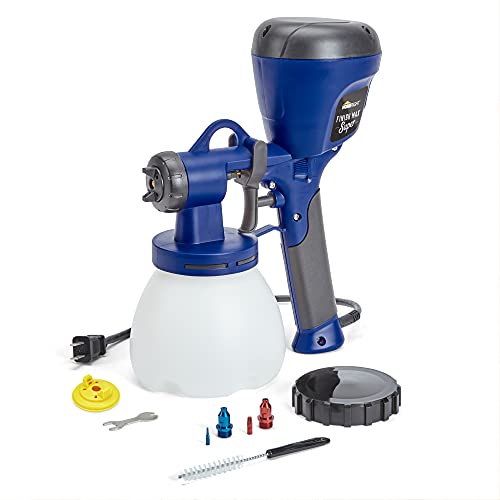
At around $57, the Super Finish Max is a popular entry HVLP sprayer for furniture, cabinets and trim. HomeRight lists three brass tips, three spray patterns, less thinning than older models, fast setup and quick cleaning. It has one of the largest review bases in the category. The limit: thicker cabinet paints still often need some thinning.
Best for Heavy Use: Graco TrueCoat 360 DS
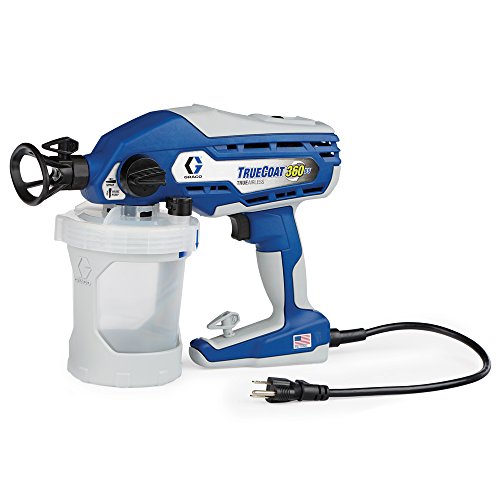
For large kitchens or repeat projects, the TrueCoat 360 DS is a handheld airless sprayer with a stainless steel piston pump that sprays unthinned paint at high pressure. Graco lists dual speeds, VacuValve technology for spraying in any direction, a reversible tip for clogs and FlexLiner bags for color changes, rated for up to 25 gallons per year. The limit: airless spraying lays down heavier coats, so practice on scrap first. It costs around $168.
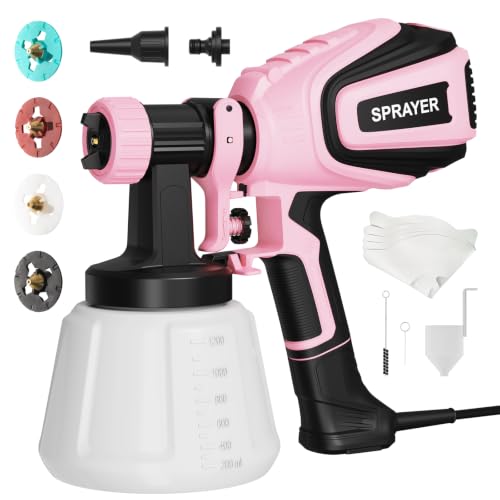
Also worth a look: the Wagner FLEXiO 595 with iSpray and Detail Finish nozzles, and budget HVLP sprayers from VONFORN and BATAVIA with four nozzle sizes and three patterns.
Quick Buyer Checklist
- Does it include a fine or detail nozzle?
- Can you adjust flow and pattern direction?
- Will it spray your cabinet paint with little or no thinning?
- Is cleanup quick, with parts that rinse easily?
- Is it light enough for an afternoon of spraying?
- Are replacement nozzles and cups easy to buy?
Red Flags to Watch For
- No detail nozzle: wide patterns waste paint on narrow cabinet frames.
- Refurbished listings sold as new: read titles carefully.
- Claims of no thinning for every paint: thick enamels often still need thinning.
- Very low prices with few reviews: parts and support may be hard to find.
- No cleaning instructions: poor cleanup leads to clogs and spitting.
Using Paint Sprayers for Kitchen Cabinets: Getting a Smooth Finish
Preparation decides the result. Remove doors and drawers, label them and take off hardware. Clean with a degreaser, sand lightly, then prime with a bonding primer suited to your cabinet material. Set up a spray area with drop cloths and plastic sheeting, good ventilation and a respirator rated for paint.
Spray doors flat on stands, starting with the back side. Hold the gun 6 to 8 inches away, keep it moving and overlap each pass by about half. Two or three thin coats look better than one heavy coat. Let each coat dry fully before flipping or recoating, and spray cabinet frames last with a narrow pattern.
Choosing among the best paint sprayers for kitchen cabinets matters less than practice: spray a few pieces of cardboard or scrap first to dial in flow and distance.
Choosing a Cabinet Paint
The paint matters as much as the sprayer. Cabinet doors take daily wear, so choose a durable finish made for cabinets and trim, such as a waterborne alkyd, urethane modified acrylic or cabinet enamel. These level out as they dry, which hides minor spray texture. Satin and semi gloss sheens are easier to clean than flat paint and hide fingerprints better than high gloss.
Plan for cure time, not just dry time. Many cabinet paints are dry to the touch in hours but need days to reach full hardness. Rehang doors carefully and avoid scrubbing them for the first week or two.
Setup and Care Tips
- Strain your paint: remove lumps that clog nozzles.
- Clean right after use: dried paint ruins nozzles.
- Store dry: keep parts clean and dry between sessions.
For bigger painting projects, see our guides to paint sprayers for home use and HVLP paint sprayers.
FAQs
What features matter most in paint sprayers for kitchen cabinets?
A fine finish nozzle, adjustable flow and pattern, HVLP atomization for a smooth coat, easy cleanup and a comfortable weight.
HVLP or airless for cabinets?
HVLP for most DIY projects, thanks to less overspray and finer control. Airless is faster for large jobs but lays down heavier coats.
Do I need to thin cabinet paint?
Often, especially with thick enamels in HVLP sprayers. Follow the paint label and the sprayer maker's viscosity guidance.
Is it worth paying more?
Yes, if you want better atomization, more control and parts support. Budget sprayers work for small projects but may need more thinning.
How often should I replace nozzles?
Replace nozzles when spray patterns become uneven or spitting continues after cleaning. Keeping them clean extends their life.
The Bottom Line
For the best paint sprayers for kitchen cabinets, start with the Wagner FLEXiO 590, save with the HomeRight Super Finish Max, or choose the Graco TrueCoat 360 DS for large kitchens and repeat projects.


