
Best Rated Propane Generators Made Simple: A Clear Buying Guide
Disclosure: We may earn a commission when you buy through links on this page, at no extra cost to you. As an Amazon Associate I earn from qualifying purchases. Learn more

A plain English guide to choosing and setting up a propane generator.
Propane is the quiet favorite of people who prepare for outages: it stores for years without going stale, burns cleaner than gasoline and is easy to buy in exchange tanks. If you are shopping for your first propane generator, the specs can look like alphabet soup, from THD to TT-30R. This beginner friendly guide walks through the basics and the key specs in plain English so you can choose among the best rated propane generators with confidence.
We start with how propane generators work, explain the specs that matter, cover the mistakes first time buyers make and finish with setup steps and common questions. Most propane generators sold today are dual or tri fuel, running on propane plus gasoline and sometimes natural gas.



Propane Generators 101: The Basics
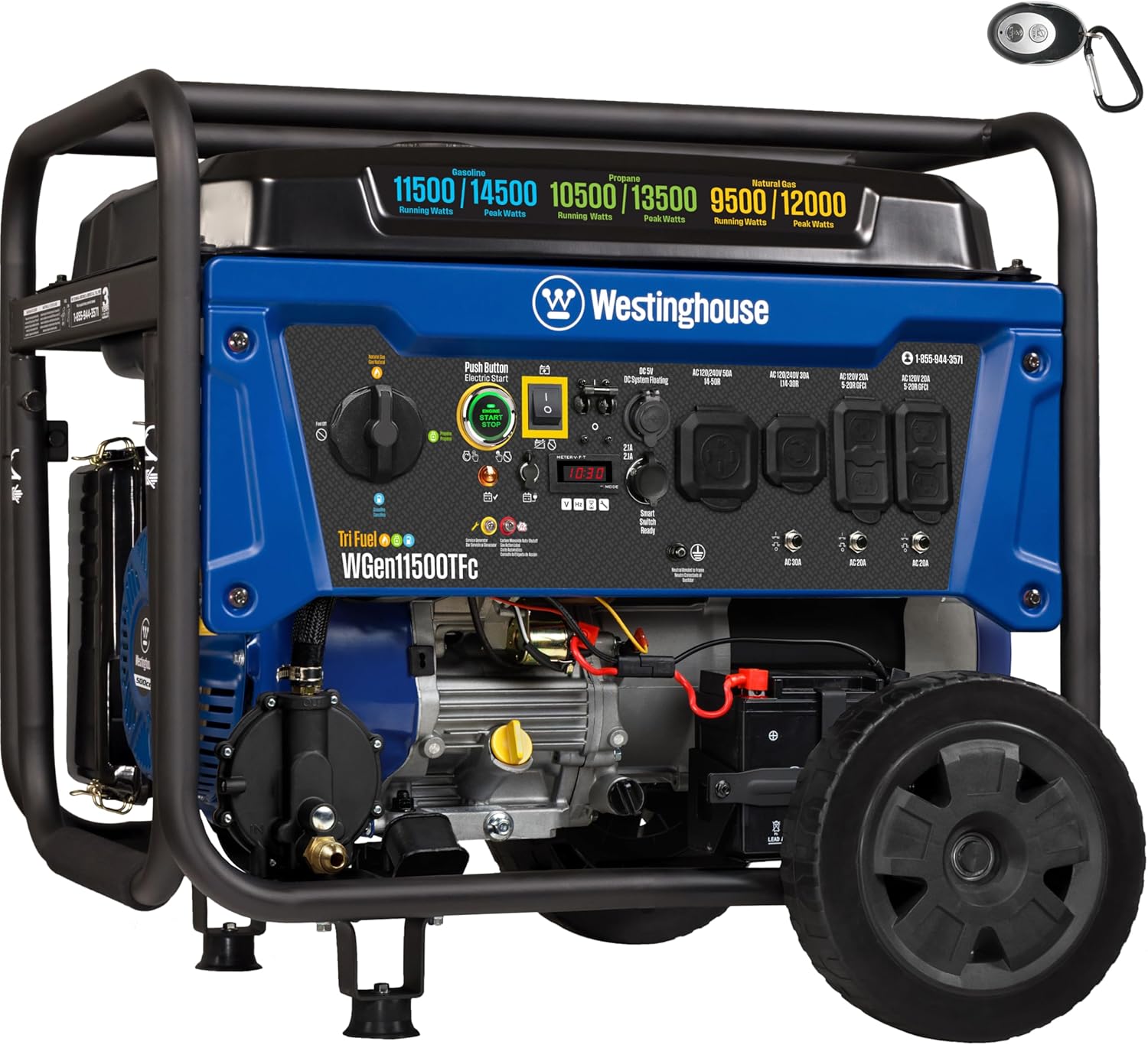
A propane generator burns liquid propane (LP), drawn from a tank through a regulator hose, to run an engine that spins an alternator and produces electricity. Most portable models are dual fuel, meaning they also run on gasoline, and some, like the Westinghouse 14500 tri fuel model, add natural gas.
Propane's main advantages are storage and cleanliness. Gasoline can go stale in months and gum up carburetors, while propane keeps indefinitely in a sealed tank. Propane also burns cleaner, which reduces carbon buildup in the engine. The trade off is slightly lower output: propane typically produces about 10% fewer watts than gasoline in the same generator.
Key terms: running watts are the steady power a generator delivers; starting (peak) watts are the short burst for motor startups; THD measures power cleanliness; and a transfer switch connects the generator safely to your home's circuits.
Key Specs Explained in Plain English
Focus on generator type, home connection, runtime, power cleanliness and wattage on propane. These specs decide whether a generator fits your needs.
Generator Type (Portable, Inverter, Standby, Solar Power Station)
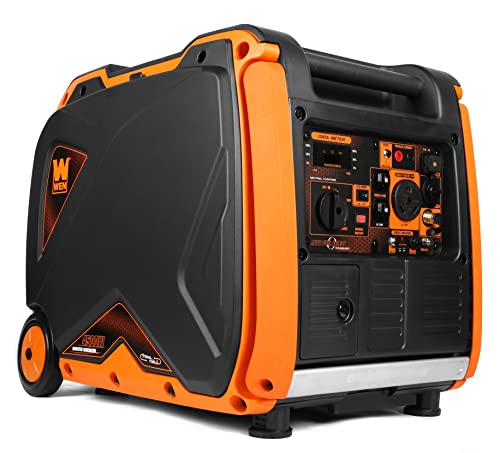
Conventional portable propane generators, like the DuroMax XP13000HX, deliver lots of watts for the money and suit whole home backup. Inverter models, like the WEN DF450i or Champion 4000-Watt dual fuel, run quieter with cleaner power, ideal for RVs and electronics. Standby generators run on propane or natural gas and install permanently. Solar power stations use no fuel but store limited energy.
Transfer Switch and Home Connection
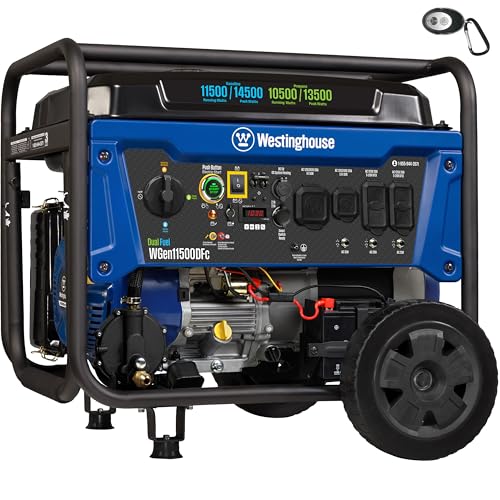
To power hardwired circuits like a furnace or well pump, you need a 120/240V outlet (a 30 amp L14-30R or 50 amp 14-50R) and a transfer switch or interlock installed by a licensed electrician. The Westinghouse 14500 and DuroMax XP13000HX include 50 amp outlets. Without one, you can run appliances with heavy duty extension cords.
Runtime and Fuel Efficiency
Propane runtime depends on tank size and load. A standard 20 lb tank holds about 4.6 gallons of propane and typically powers a 3,500 watt generator for several hours at half load; larger 100 lb tanks or a home propane tank extend this to days. Inverter models sip fuel at light loads, stretching each tank further.
Clean Power (THD) for Electronics
Total harmonic distortion (THD) measures how smooth the electricity is. Inverters usually deliver under 3% THD, safe for phones, laptops and TVs. Larger conventional generators with copper windings may list under 5% THD, like the Westinghouse 14500. Avoid units that do not state THD if you plan to power sensitive electronics.
Wattage: Running vs Starting Watts
Add up the running watts of everything you want to power on propane, then add the largest starting surge. A refrigerator needs about 700 running watts, a sump pump about 800 to 1,000 and a window AC about 1,200. Check the propane rating specifically, since it is lower than the gasoline rating.
Propane vs Gasoline Generators at a Glance
| Factor | Propane | Gasoline |
|---|---|---|
| Storage life | Indefinite in sealed tanks | Months without stabilizer |
| Power output | About 10% lower | Full rated output |
| Engine cleanliness | Cleaner burning, less carbon | More carbon and varnish |
| Cold weather | Pressure drops in deep cold | Starts reliably with fresh fuel |
| Availability in outages | Exchange tanks may sell out | Gas stations may lack power |
Choosing Among the Best Rated Propane Generators by Use
The best rated propane generators for you depend on what you plan to power and where.
- Camping and tailgating: a 2,000 to 2,500 watt dual fuel inverter keeps noise low and runs phones, lights and a small cooler or fan. A 20 lb tank goes a long way at light loads.
- RV use: a 3,000 to 4,000 watt dual fuel inverter with a TT-30R outlet, such as the Champion 4000-Watt, runs most single air conditioner RVs. Many RVs already carry propane tanks you can share with a proper hose.
- Essential home backup: a 4,500 to 8,000 watt dual or tri fuel generator powers a refrigerator, sump pump, furnace fan and lights. Choose one with a 30 or 50 amp outlet for a transfer switch.
- Whole home backup: a 12,000 to 14,500 watt unit like the Westinghouse 14500 or DuroMax XP13000HX can run central air and multiple circuits. Pair it with a large propane supply.
- Long outages in cold climates: connect to a 100 lb cylinder or a home propane tank, since larger tanks hold pressure better in freezing weather.
Rookie Mistakes to Avoid
- Sizing on gasoline watts: propane output is lower, so size for the propane rating.
- Buying too few tanks: a single 20 lb tank may last only one evening at moderate load; keep spares or use larger tanks.
- Skipping a transfer switch: backfeeding through an outlet is dangerous and illegal in many places.
- Running the generator too close to the house: carbon monoxide can enter through doors, windows and vents.
- Ignoring cold weather: propane pressure drops below freezing, so larger tanks or tank blankets made for the purpose help.
Getting Started: Setup and First Use
- Read the manual, add the oil supplied and check the level before first start.
- Set up outdoors on level ground, at least 20 feet from doors, windows and vents, with the exhaust pointed away from buildings. Never run a generator indoors, in a garage or under a carport.
- Connect the regulator hose to the propane tank with the valve closed, check connections for leaks with soapy water and open the valve slowly.
- Select propane on the fuel selector, start the generator and let it warm up before adding loads.
- Add loads one at a time, starting with the largest motor, and stay within the propane running watt rating.
- Install battery powered CO alarms inside your home.
Propane Generators: Your Questions Answered
What size generator do I need to power a house?
Essentials usually need 3,000 to 7,500 running watts, and whole home coverage often needs 10,000 or more. Large dual fuel units like the DuroMax XP13000HX can run most home circuits through a transfer switch. Have an electrician calculate your load.
Inverter or conventional: which is better?
Inverters are better for quiet operation and electronics; conventional generators are better for maximum watts per dollar. Choose an inverter for RVs and camping, and a conventional dual fuel unit for budget whole home backup.
How long can a propane generator run continuously?
As long as propane is supplied and oil is maintained. A 20 lb tank lasts several hours at half load on a mid size unit, while a large home propane tank can run a generator for days. Check oil during extended runs per the manual.
Can a generator run a refrigerator?
Yes, a propane generator with about 2,000 or more running watts can run a refrigerator. Fridges draw about 700 running watts and need a brief starting surge.
Do I need a transfer switch?
Yes, to connect to your home's wiring. A transfer switch or interlock, installed by a licensed electrician, prevents backfeeding power lines. Extension cords to appliances are the alternative.
How much propane does a generator use per hour?
A mid size portable generator typically uses roughly 1 to 2 pounds of propane per hour at half load. Larger generators use more, and usage rises with load. Check your model's manual for its consumption figures and plan tank supply around the hours you expect to run.
Wrapping Up
Propane offers long storage, cleaner running and fuel flexibility for outages. Size your generator to its propane wattage, choose an inverter for quiet electronics friendly power or a large dual fuel unit for whole home backup and always set up safely outdoors. Keep those basics in mind and choosing among the best rated propane generators becomes simple. Compare current models in the product table above, and see our guide to the best dual fuel inverter generators for more options.


