
Best RV Water Hoses of 2026: Complete Buying Guide
Disclosure: We may earn a commission when you buy through links on this page, at no extra cost to you. As an Amazon Associate I earn from qualifying purchases. Learn more

Three drinking water safe RV hoses, plus length, certification and care tips.
The hose that connects your RV to the campground spigot carries the water you drink, cook with and brush your teeth in. A regular garden hose can leave a plastic taste and may contain lead or other chemicals that are not meant for drinking water. The best RV water hoses are made from materials certified safe for drinking water, resist kinks at awkward hookups and stand up to sun and cold at the campsite.
This guide picks three standouts, explains how to choose length, diameter and material, and shares tips that keep your fresh water hose clean and working for years.


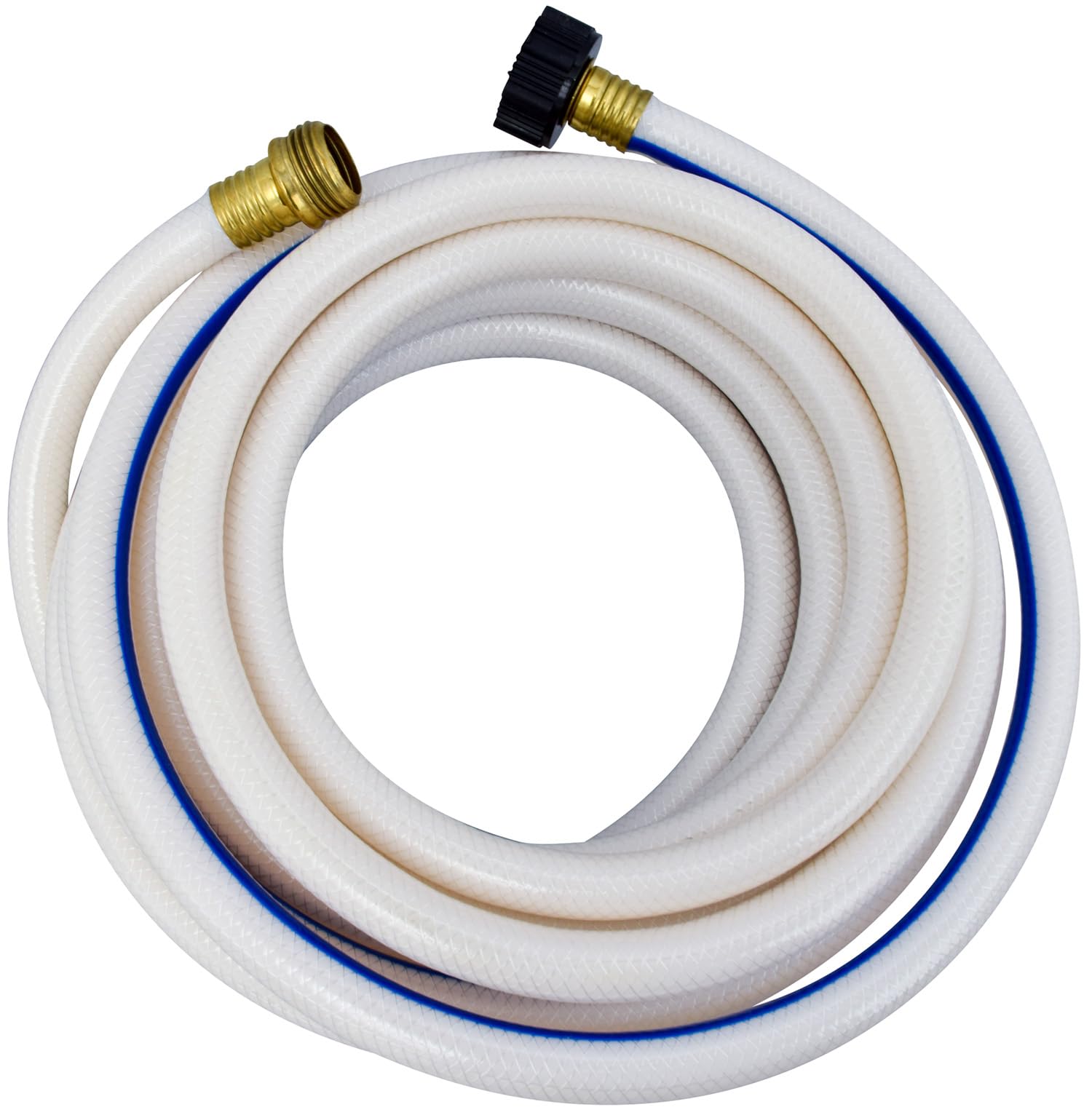
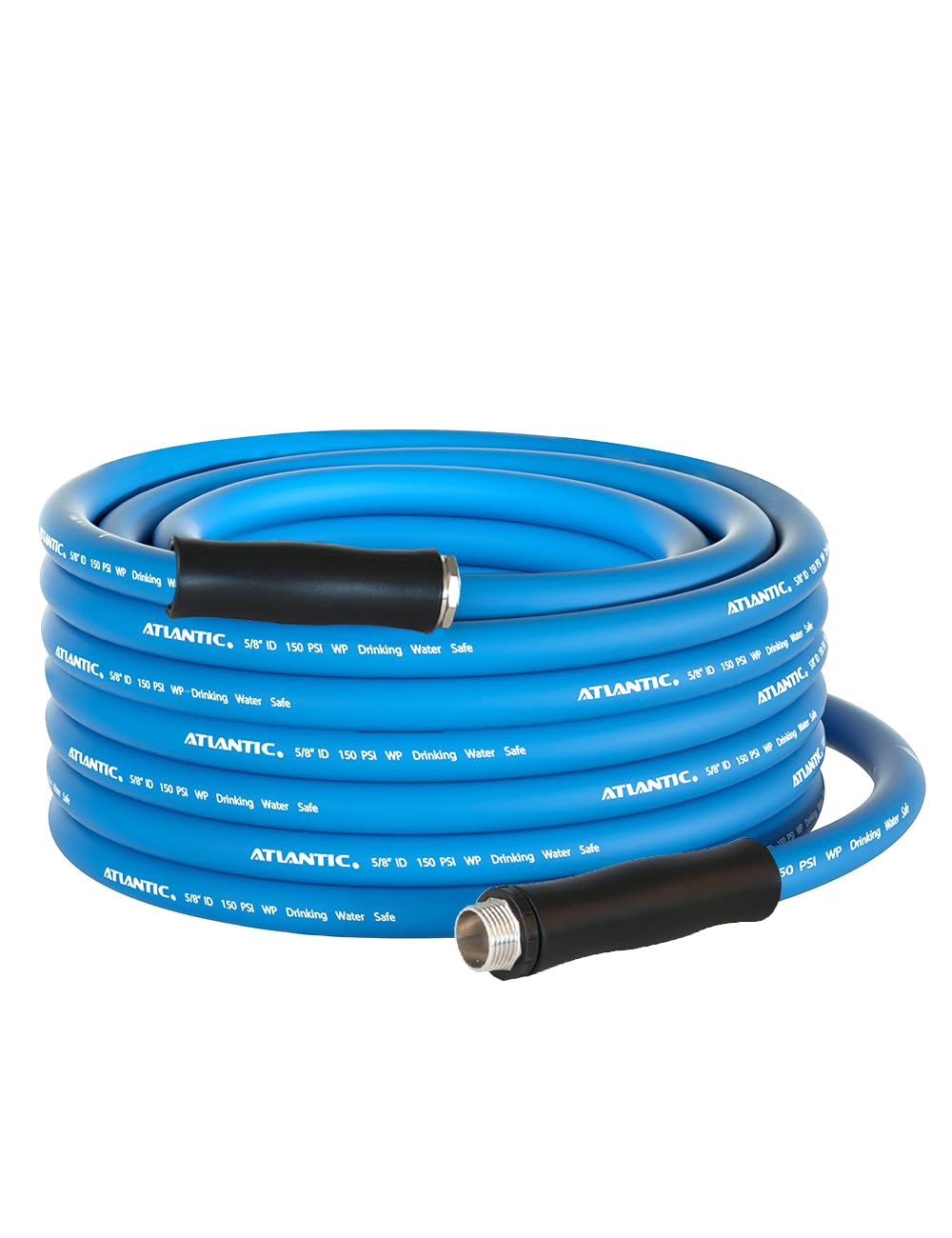

Our Top 3 Picks at a Glance
Prices change often, so treat these figures as approximate.
Best Overall: Camco TastePURE 25 Ft RV Drinking Water Hose
Camco's TastePURE hose is one of the most widely used RV drinking hoses. Camco lists it as NSF/ANSI 61 certified for drinking water and CSA lead free certified to NSF/ANSI 372, as well as BPA and phthalate free. It has a 5/8 inch inside diameter, diamond hatch reinforced PVC for kink resistance, UV stabilization and is made in the USA. It suits most campers who need a reliable, inexpensive hose. The limit: 25 feet may not reach every campground spigot, so many RVers carry a second length. It costs around $14.

Best Value for Long Runs: Kohree 100 Ft RV Water Hose
Kohree's 100 foot hose covers distant hookups in one piece and comes with a storage bag. Kohree lists it as lead, BPA and phthalate free and compliant with CA65, about 20 percent thicker than standard hoses, with brass plated aluminum fittings, strain relief ends, a 450 PSI burst rating and a working temperature range of -4°F to 176°F. The limit: a 100 foot hose is bulky; most sites need far less. It costs around $80.

Best Premium Pick: Camco Heated Drinking Water Hose, 50 Ft
For winter camping, Camco's heated hose provides freeze protection down to -20°F with a thermostat controlled heating cable that only heats as needed. It shares the TastePURE certifications, NSF/ANSI 61 and CSA lead free to NSF/ANSI 372, and runs on 120V with an LED indicator plug. The limit: it is expensive and needs a powered outlet. It costs around $178.

How to Choose the Best RV Water Hoses: Buying Guide
Use these points to narrow down the best RV water hoses for your rig and camping style.
Match the Hose to Your Campsite Layout
Most campground hookups sit within 10 to 25 feet of the RV, but some are farther. Carrying a 25 foot hose plus a shorter 10 or 15 foot section, like the Valterra AquaFresh 15 footer, lets you connect only what you need and reduces standing water in the line. Longer runs also lower pressure slightly.
Material and Build Quality
Look for drinking water safe PVC or polyurethane hoses labeled lead, BPA and phthalate free. Reinforced construction resists kinks and bursts. Atlantic lists its 50 foot hose as PVC free as well as lead, BPA and phthalate free. Brass or brass plated fittings with strain relief ends last longer than plain plastic ends.
Durability and Weather Resistance
UV stabilized hoses resist hardening and cracking in sun. Check the temperature range if you camp in cold weather; Kohree lists -4°F to 176°F. For temperatures below freezing, only a heated hose or draining the line prevents freeze damage.
Safety (Drinking Water Safe)
Certifications matter more than color. NSF/ANSI 61 covers drinking water system components, and NSF/ANSI 372 covers lead content. A white or blue hose is a convention, not a guarantee. Never use your drinking hose for dumping tanks or flushing, and keep it separate from the sewer hose.
Value and Coverage per Dollar
The Camco TastePURE costs well under a dollar per foot. Longer hoses, like the Kohree 100 footer, are cheaper per foot but heavier to store. Heated hoses cost much more and are only worth it for cold weather camping.
Ease of Use and Storage
Flexible hoses coil and uncoil more easily, especially in cold weather. A storage bag or bin keeps the hose clean between trips. Cap both ends after draining so dirt and insects stay out.
Performance Specs (Length, Diameter, Pressure)
A 5/8 inch inside diameter, like the Camco and Kohree hoses, delivers better flow than 1/2 inch hoses such as the Valterra AquaFresh. Pair any hose with a water pressure regulator at the spigot, since high campground pressure can damage RV plumbing. Kits like the RV fresh water kit with drinking hose include a regulator, filter and connectors.
Types of RV Water Hoses
Premium and Heavy Duty Options
Heated hoses and thick, reinforced long hoses suit full timers and cold weather campers. They cost more and take more storage space but handle tough conditions.
Standard Options
Reinforced PVC drinking hoses in 10, 25 and 50 foot lengths cover most campers. They are inexpensive, widely available and easy to replace.
Lightweight and Flexible Options
Extra flexible hoses are easier to handle and store, especially in cool weather. Expandable garden hoses are not recommended for drinking water unless certified for it.
Building a Complete RV Fresh Water Setup
A drinking water hose works best as part of a small kit that lives in its own bin. Most RVers settle on the same handful of pieces after a season or two, and having them together makes setup at each new site quick and predictable.
Start at the spigot with a water pressure regulator. Campground pressure varies widely, and spikes can stress fittings and fixtures inside the RV. Valterra and others sell lead free brass regulators set for typical RV systems. Next comes an inline filter if you want less sediment and chlorine taste; attach it at the spigot side so the hose carries filtered water.
Then add your main hose, plus a short extension and a female to female or male to male connector for odd layouts. A 90 degree elbow at the RV inlet reduces strain on the hose and the inlet fitting. Finally, keep caps or a clean bag for the hose ends, a few spare washers for leaky connections and a small towel for drying fittings before storage.
When you pack up, disconnect at the RV first, then the spigot, drain the hose fully and coil it loosely. Storing it straight and dry, away from sewer gear, keeps your fresh water clean for the next trip.
Tips to Get the Most From Your RV Water Hose
- Flush before connecting: run water through the hose for a few seconds before hooking it to the RV.
- Use a pressure regulator: protects your RV plumbing from high pressure.
- Add an inline filter: reduces sediment and chlorine taste from campground water.
- Drain and cap after use: prevents mold and keeps dirt out.
- Sanitize occasionally: fill with a mild bleach solution following RV sanitizing guidance, then rinse thoroughly.
- Keep it separate: store the drinking hose away from sewer hoses and tools.
RV Water Hoses: Your Questions Answered
How long should an RV water hose last?
With good care, a drinking water hose often lasts several seasons. Replace it if it cracks, kinks permanently, develops leaks at the fittings or starts to give water an odd taste.
Can I use a regular garden hose for my RV?
It is not recommended. Many garden hoses are not certified for drinking water and may contain lead or other chemicals. Use a hose labeled drinking water safe, ideally with NSF/ANSI 61 and 372 certification.
What length RV water hose do I need?
A 25 foot hose covers most sites. Carry an extra 10 to 25 feet with a connector for distant hookups, or a single long hose like the Kohree 100 footer if you often camp at spread out sites.
Do I need a heated hose?
Only if you camp where temperatures drop below freezing while connected to water. Otherwise, disconnect and drain the hose on cold nights and use the RV's freshwater tank.
Wrapping Up
Certified drinking water safe materials, the right length and good fittings matter most. For the best RV water hoses, start with the Camco TastePURE 25 footer, add the Kohree 100 footer for distant hookups, or choose the Camco Heated hose for winter camping. Pair your hose with a pressure regulator. For waste lines, see our guide to RV sewer hoses.


