
Best Suction Side Pool Cleaners Made Simple: A Clear Buying Guide
Disclosure: We may earn a commission when you buy through links on this page, at no extra cost to you. As an Amazon Associate I earn from qualifying purchases. Learn more

A clear guide to the best suction side pool cleaners: how they work, key specs, setup and maintenance.
Scrubbing and vacuuming a pool by hand takes hours every week. A suction side pool cleaner automates most of that work using the pump and filter you already own: it connects to the skimmer or a dedicated suction port and wanders the floor and walls, pulling debris into your filter. Compared with robotic cleaners, suction cleaners cost less upfront, have no motor or electronics to fail and need no charging or cords. The best suction side pool cleaners match your pool's surface and size, climb walls reliably and handle the kind of debris your trees drop.
This guide explains how suction cleaners work, the key specs in plain English, rookie mistakes and how to set one up for the first time.
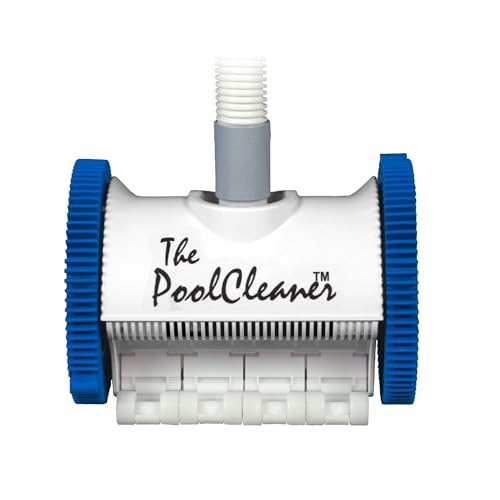

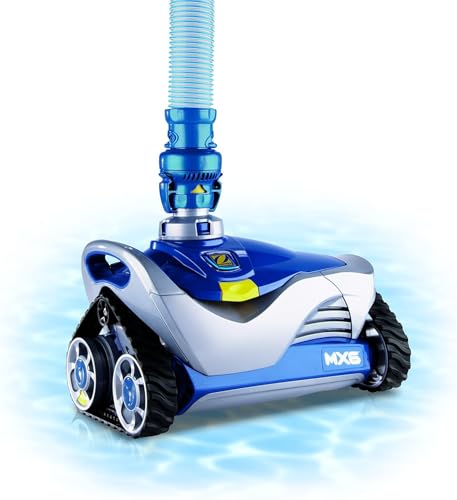
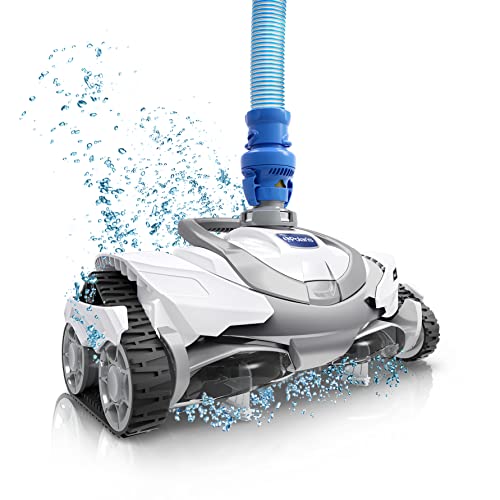

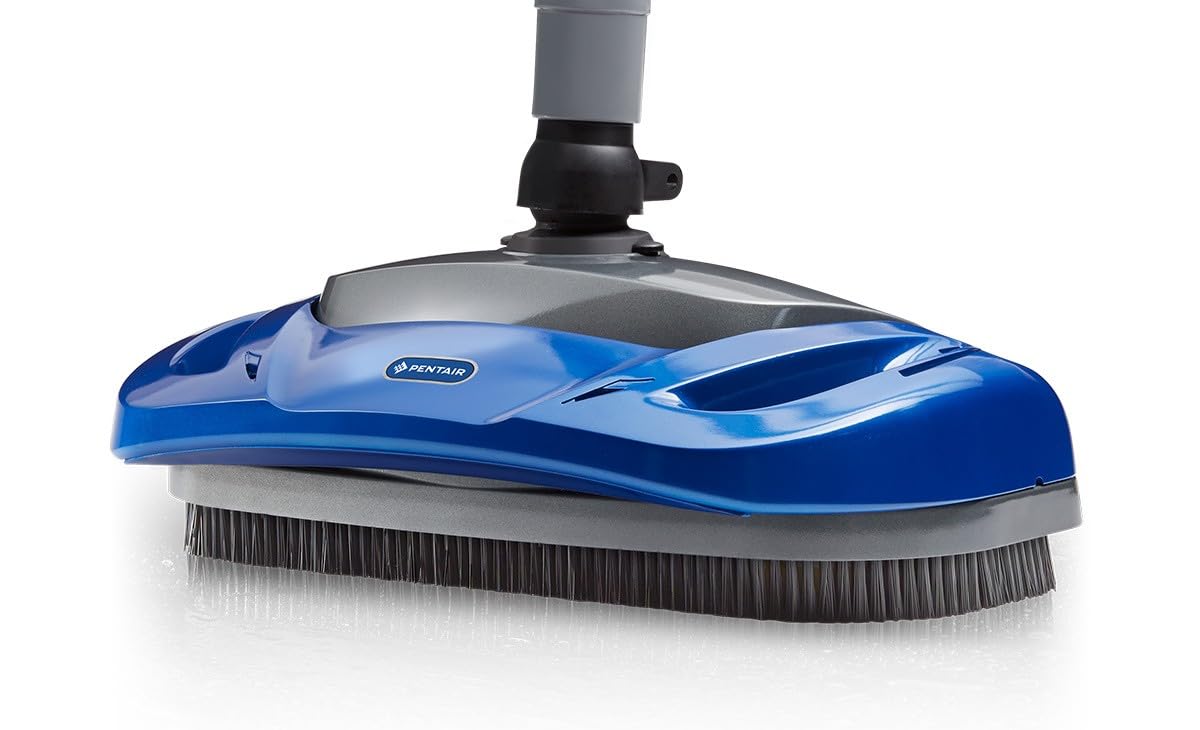


Suction Side Pool Cleaners 101: The Basics
A suction side pool cleaner is an automatic cleaner powered by your pool pump's suction; water flows through the cleaner and hose to the skimmer, which moves the cleaner and carries debris to the pump basket and filter.
Inside the cleaner, a turbine, diaphragm or gear drive converts water flow into movement. As it travels, it vacuums dirt, sand and small leaves from the floor, coves and walls. Because debris ends up in your filter and pump basket, you will clean or backwash the filter more often.
Key terms include skimmer connection (where the hose attaches, often with a vacuum plate), flow regulator (a valve that keeps suction in the right range), leaf canister (an in line trap that catches leaves before the pump) and hose sections (twist lock pieces you add or remove to match pool size).
Key Specs Explained in Plain English
Six specs decide whether a suction cleaner suits your pool.
Cleaner Type: Robotic, Suction, Pressure
Suction cleaners use your pump and filter; they are affordable and simple but rely on your filtration and pump running. Pressure cleaners use a return line or booster pump and collect debris in their own bag, which suits pools with many leaves. Robotic cleaners have their own motor and filter and clean most thoroughly, including walls and waterline, but cost the most.
Pool Surface and Size
Check that a cleaner is rated for your surface: concrete, plaster, pebble, fiberglass or vinyl. Some models are optimized for vinyl liners and have soft wheels or rollers. Cleaners also list maximum pool sizes, such as up to 16 by 32 feet or 20 by 40 feet, which relates to hose length and coverage pattern.
Wall and Waterline Climbing
Many suction cleaners climb walls, but few clean the waterline consistently. Models with aggressive tracks or wheel drives, such as the Hayward Poolvergnuegen and Polaris MAXX, tend to climb better. Cleaners that rely on diaphragms, like some Zodiac models, move more randomly.
Cleaning Pattern and Navigation
Programmed steering and multi wheel designs cover pools more systematically, reducing missed spots. Simpler designs wander randomly and may take longer. Larger or irregular pools benefit from 4 wheel models and longer cleaning cycles.
Debris Handling and Filtration
Suction cleaners send debris to the pump basket and filter. Wide throats handle larger leaves and acorns. An in line leaf canister prevents leaves from clogging the pump basket and is worth adding if you have many trees.
Hose, Swivels and Parts
Hoses come in sections, typically 3 to 4 feet each, so you can adjust length. Swivels reduce tangling. Check availability and cost of replacement parts like diaphragms, tires, shoes and hose sections, since these wear over time.
Warranty and Parts Availability
Established brands like Hayward, Zodiac and Polaris offer warranties and widely available parts. Budget brands may be cheaper upfront but harder to repair.
Suction vs Robotic Pool Cleaners
A suction pool cleaner is best for budget conscious owners with a good pump and filter, while a robotic pool cleaner is best for the most thorough cleaning, energy savings and waterline scrubbing. Suction cleaners cost roughly $300 to $600 and have few moving parts but add load to your filter. Robotic cleaners often cost more but filter debris onboard, run independently of your pump and can lower pump runtime. For more options, see our best automatic pool cleaners guide.
How Much to Spend on the Best Suction Side Pool Cleaners
Most owners find the best suction side pool cleaners between about $300 and $550.
- Under $200: budget suction cleaners for small above ground or simple inground pools; expect less reliable climbing.
- Around $300 to $450: proven models from Zodiac and Hayward with wall climbing and replaceable parts.
- Around $450 to $600: premium suction cleaners with 4 wheel drives, steering programs and better climbing.
Rookie Mistakes to Avoid
- Using too much suction: excess flow makes the cleaner stick or move erratically; use the flow regulator.
- Leaving the hose too long: extra hose causes tangles; it should reach the farthest point plus one section.
- Not balancing chemistry: algae and scale make cleaners slip and miss spots.
- Ignoring the filter: a clogged filter reduces suction and cleaning.
- Running it during heavy leaf fall without a canister: leaves can clog the pump basket.
Getting Started: Setup and First Use
- Clean the filter and pump basket before connecting.
- Assemble the hose so it reaches the farthest point of the pool plus one extra section.
- Bleed the air: hold the hose against a return jet until water flows out the other end.
- Connect to the skimmer or dedicated suction port with the vacuum plate or adapter.
- Adjust suction: use the flow gauge or regulator so the cleaner moves steadily.
- Watch a full cycle: make sure it reaches the deep end, steps and corners.
- Add a leaf canister if you have many trees.
Troubleshooting a Suction Pool Cleaner
- Cleaner stops or barely moves: check for a full pump basket, a dirty filter, a clogged leaf canister or debris jammed in the throat.
- Cleaner gets stuck on steps or the main drain: adjust the hose length, add a hose weight or fit a deflector wheel if the manufacturer offers one.
- Cleaner climbs out of the water and gulps air: reduce suction with the flow regulator, which prevents air from entering the pump.
- Same areas missed every day: rotate the hose swivel, change the skimmer used or add or remove a hose section to change the cleaning pattern.
- Hose tangles: lay the hose straight in the sun to relax coils and check that swivels turn freely.
Choosing by Pool Surface
Vinyl liner pools need cleaners with soft wheels, tracks or rollers and smooth edges to avoid scuffs; many manufacturers make vinyl specific versions. Plaster, pebble and concrete pools are rougher, so durable tires and stronger drives help the cleaner grip and climb. Fiberglass pools are smooth and slippery, so models designed for traction on smooth surfaces work best. Always check the product listing for the surfaces each model supports.
Do You Need a Leaf Canister?
A leaf canister is an in line trap that sits between the cleaner hose and the skimmer. It catches leaves, pine needles and twigs before they reach the pump basket, so you empty a clear canister instead of opening the pump. If your yard has trees near the pool, a canister prevents clogs that slow the cleaner and protects your pump from running dry. Choose one with a fine mesh basket and a clear lid for easy checking.
Maintenance Tips
- Empty the pump basket and leaf canister often.
- Clean or backwash the filter when pressure rises.
- Inspect diaphragms, tires and shoes and replace them when worn.
- Store the cleaner out of direct sun when not in use.
- Straighten coiled hoses in the sun before reinstalling.
FAQs
Which pool cleaner is best for leaves?
Pressure side cleaners with debris bags or robotic cleaners with large filters handle heavy leaves best. Suction cleaners work with moderate leaves if you add an in line leaf canister to protect the pump basket.
Are robotic pool cleaners worth it?
Robotic cleaners are worth it if you want the most thorough cleaning, including walls and waterline, and want to reduce filter load. They cost more upfront. Suction cleaners are a good value if your pump and filter are in good shape.
Can I leave a suction cleaner in the pool?
Many owners leave suction cleaners in during regular pump cycles, but remove them before swimming, shocking or covering the pool. Removing it periodically extends hose and part life.
How long should a suction pool cleaner run?
Most pools are cleaned in about 3 to 6 hours of pump runtime per day. Larger pools or heavy debris may need longer cycles.
Do suction cleaners work on above ground pools?
Some do. Check that the model is rated for above ground pools and your pump size, since smaller pumps provide less suction.
Will a suction cleaner increase my energy bill?
Slightly, if you run the pump longer than usual. Most owners run the cleaner during normal filtration hours, so extra cost is minimal. A variable speed pump set to the cleaner's recommended flow can actually reduce energy use compared with older single speed pumps.
Do I need a dedicated suction port?
No. Most suction cleaners connect to the skimmer with a vacuum plate or adapter. A dedicated suction port, if your pool has one, leaves the skimmer free to collect floating debris while the cleaner runs.
How long do suction pool cleaners last?
Many suction cleaners last three to five years or more with regular part replacement. Diaphragms, tires and shoes are wear items, and replacing them is far cheaper than buying a new cleaner.
Final Thoughts
Choose a suction cleaner by pool surface, size and the debris you deal with. Wheel driven models climb walls better, flow regulators keep movement steady and leaf canisters protect your pump. Keep your filter clean and chemistry balanced, and the best suction side pool cleaners will keep your pool clear with little effort. Check the product table above for current models and prices.


