
Best 12000 Watt Generator: Whole Home Backup Guide for 2026
Disclosure: We may earn a commission when you buy through links on this page, at no extra cost to you. As an Amazon Associate I earn from qualifying purchases. Learn more

Choosing among the best 12000 watt generators for whole home backup or a job site: fuel options, runtime, transfer switch hookups and noise levels.
A 12000 watt generator is serious backup power. Machines in this class can carry most of a home through an outage, including a well pump, a furnace, refrigerators, and often a central air conditioner, and they also serve farms, workshops, and job sites with heavy loads. Finding the best 12000 watt generator is less about chasing the biggest number and more about fuel choice, hookup method, and how cleanly it delivers power to modern electronics.
This guide explains what this class realistically runs, how dual and tri fuel models differ, and how to connect one to a house safely and legally. The comparison table below puts running watts, fuel options, and runtime side by side so you can judge each type on the numbers that matter.


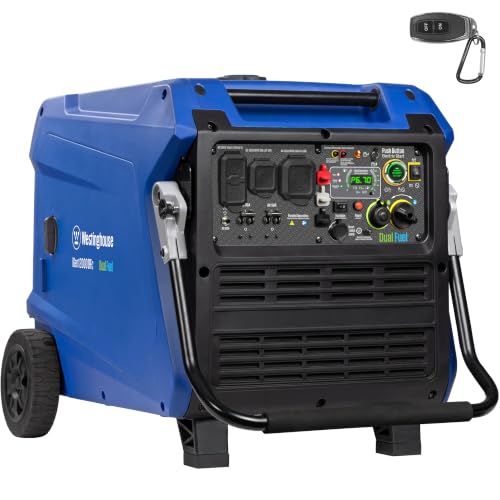

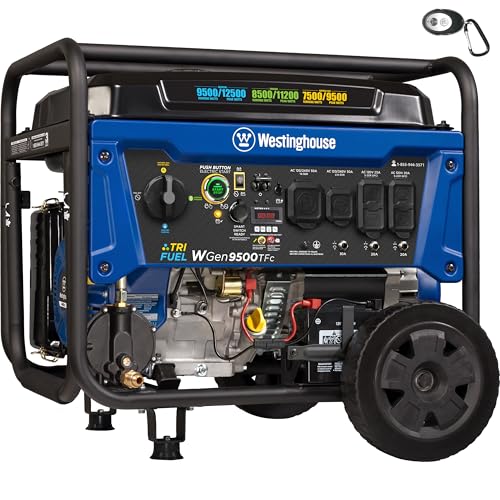


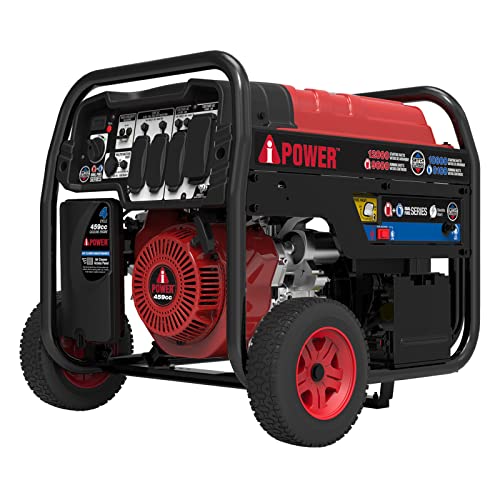

Who Should Buy Which 12000 Watt Generator?
Homeowners Who Want Near Whole Home Backup
If outages in your area last a day or more and you rely on a well pump, a septic pump, or medical equipment, this class is the portable option that covers nearly everything essential. Paired with a transfer switch or inlet box, it powers hardwired circuits without a web of extension cords. Dual fuel models add flexibility when gasoline is hard to find after a storm, since propane stores without going stale.
Rural Properties, Farms, and Workshops
If you run big motors, welders, air compressors, or multiple tools far from the house, a portable 12000 watt unit doubles as site power. Look for a full power 50 amp outlet, a strong steel frame, and flat free tires, because these machines weigh over 200 lb and get moved on real ground. Electric start is close to mandatory at this engine size, and a battery included in the box saves an annoying extra purchase.
Buyers Comparing Portable Versus Standby
If you are torn between a large portable and a permanently installed standby unit, weigh how outages happen for you. A portable costs far less and can travel, but you must wheel it out, fuel it, and connect it each time, in whatever weather caused the outage. Our best whole house generator guide explains standby systems that start themselves, while our general best generator guide maps the smaller classes if your load list turns out shorter than you feared.
Key Features to Compare
Running Watts and What 12000 Watts Really Covers
In this class the headline figure is usually the surge rating, with running watts around 9000 to 10000. That continuous output carries a refrigerator, a freezer, a well pump, a furnace blower, lights, and electronics together, and it can start a central air conditioner of moderate size, especially with a soft start kit fitted. It will not run an electric range, an electric dryer, and the air conditioner all at once. A written load list, with surges marked, tells you more than the box art.
Fuel Options: Gasoline, Propane, and Natural Gas
Gasoline delivers the full rated output and is easy to refuel, but it stores poorly and gets scarce after storms. Propane typically trims output by about 10 percent, yet it stores for years and burns cleaner, which keeps the carburetor healthier. Tri fuel models add a natural gas connection for unlimited runtime at a further power reduction, often around a quarter less than gasoline. Decide which fuel you can actually supply for a two day outage before choosing.
Transfer Switch and Inlet Compatibility
To feed house circuits you need a 50 amp inlet box and either a transfer switch or a panel interlock, installed by an electrician. Check that the generator has a 50 amp 120 and 240 volt outlet, since smaller 30 amp outlets cannot deliver the full output of this class into a panel. The cord between the generator and the inlet is thick, heavy, and not cheap, so include it in your budget. Never connect through a dryer outlet or any homemade cord.
Total Harmonic Distortion and Electronics
Conventional generators in this class can produce power with total harmonic distortion high enough to bother sensitive electronics, furnaces with smart boards, and some UPS units. A rating at or below about 5 percent is the comfort zone for electronics. A few large inverter models exist in this class and deliver clean power quietly, at a much higher price. If your home depends on modern heating equipment and computers, check the distortion figure before you buy, not after the first outage.
Runtime, Tank Size, and Fuel Use
Big engines drink fuel. Tanks in this class hold roughly 7 to 11 gallons of gasoline, and quoted runtimes of 9 to 12 hours usually assume half load. Under a heavy evening load with the air conditioner cycling, expect to refuel more often, and never refuel a hot engine. Propane runtime depends on your tank size, and natural gas removes the refuel problem entirely. An idle control or eco mode that slows the engine at light load saves fuel and noise overnight.
Starting, Weight, and Moving the Machine
Electric start with a recoil backup is the standard worth insisting on, because pull starting a large engine in cold weather is miserable. These units weigh roughly 200 to 300 lb fueled, so wheel kits, folding handles, and flat free tires are functional, not cosmetic. Plan where it will live, how it rolls to its running spot, and who can move it if you are away when the power fails. A generator nobody can deploy is just heavy furniture.
Safe Placement and Carbon Monoxide
Carbon monoxide kills generator users every year, almost always because the machine ran in or near a home. Run it outdoors, at least 20 feet from the house, with exhaust aimed away from windows, doors, and vents, and never in a garage or under a covered porch that traps fumes. A CO shutoff sensor is now common in this class and is worth having, but correct placement is the real protection. Fit battery powered CO alarms inside the home as a second layer.
Ground the unit as the manual directs, keep it dry while it runs, and use a canopy made for generators if rain is the reason for the outage. If you want backup with no engine and no fumes for smaller loads, the best solar generator class pairs battery stations with panels, and the best inverter generator guide covers cleaner, quieter engine driven options at lower wattages.
Common Mistakes to Avoid
- Reading the surge number as continuous power and planning loads the machine cannot carry all evening.
- Feeding a house panel through a 30 amp outlet or a homemade cord, which overheats wiring and risks backfeeding the grid.
- Ignoring the power loss on propane or natural gas, then finding the air conditioner will not start.
- Placing the generator under a deck or in an open garage for rain cover, where fumes collect and drift indoors.
- Skipping the load audit, so the well pump and the air conditioner surge together and trip the breaker.
- Leaving gasoline in the tank between seasons, which clogs the fuel system before the next storm.
How to Make Your 12000 Watt Generator Last Longer
Exercise the machine under real load for about half an hour every month or two. This keeps seals lubricated, charges the starting battery, and proves it will start before you need it. Change the oil after the break in period and then on the schedule in the manual, and use fuel stabilizer in stored gasoline or rotate the cans into your vehicles so fuel stays fresh.
Keep the air filter clean, the spark plugs on a yearly check, and the battery on a maintainer if the unit sits for long stretches. Store it in a dry space with the fuel system prepared as the manual directs for your fuel type. Propane and natural gas users have an easier storage routine, since those fuels do not degrade or gum up a carburetor while the machine waits.
FAQ
What will a 12000 watt generator run in a house?
It will run most essential circuits at once: a refrigerator, a freezer, a well pump, a furnace or boiler, lights, a TV, computers, and usually a moderate central air conditioner with staggered starts. It will struggle if an electric range, an electric water heater, and a dryer join the list together. A transfer switch with chosen circuits keeps the load realistic and prevents the overload trips that happen with guesswork.
Can a 12000 watt generator run central air conditioning?
Often yes for systems up to about 3 or 4 tons, because the running draw fits and the starting surge is the only hurdle. A soft start kit on the air conditioner cuts that surge dramatically and is the single best upgrade for this pairing. Very large or older units may still exceed the surge capacity, especially on propane where output is lower. Check your unit starting amps against the generator surge rating before an outage tests it for you.
How much fuel does a 12000 watt generator use?
Under a moderate load, expect roughly three quarters of a gallon to over a gallon of gasoline per hour, with consumption climbing under heavy load. That means a full day of outage can take 15 to 25 gallons, which is why propane with a large tank or a natural gas line appeals to buyers in storm prone areas. Runtime figures in listings assume partial load, so plan your fuel store around the heavier estimate.
How loud is a 12000 watt generator?
Most conventional models in this class rate around 74 to 78 decibels at a standard test distance under load, which is loud enough that conversation beside the machine is difficult. There is no truly quiet option at this size except the rare large inverter models, which cost far more. Distance, a running spot on the far side of the house, and not running it overnight at full load are the practical ways to live with the noise.
Do I need an electrician to connect a 12000 watt generator to my house?
For a panel connection, yes. An inlet box plus a transfer switch or interlock must be installed and inspected under local code, and that is licensed work in most areas. The electrician also confirms your chosen circuits fit the generator capacity. Extension cords to individual appliances need no electrician, but at this wattage a proper inlet setup is safer, faster to deploy, and far more convenient in bad weather.
Final Thoughts
The best 12000 watt generator for your home is the one whose running watts, fuel system, and outlet setup match a written load list and a legal hookup plan. Compare running watts, distortion ratings, and fuel flexibility in the product table above, and talk with an electrician about the inlet before the storm season arrives. Set up correctly, this class turns a long outage from an emergency into an inconvenience.


