
Best 12V Cordless Drills in 2026: Light Tool, Honest Limits
Disclosure: We may earn a commission when you buy through links on this page, at no extra cost to you. As an Amazon Associate I earn from qualifying purchases. Learn more

A 12V cordless drill covers most household jobs at roughly half the weight of bigger tools. Compare torque, size, and battery styles in this guide.
A 12V drill is the tool people reach for when the big 18V or 20V drill feels like overkill: it hangs curtain rods, assembles furniture, and drills pilot holes while weighing little more than a full mug of coffee. Modern 12V models are far stronger than the weak compact drills of the past, yet they still have real limits you should know before buying. Choosing the best 12v cordless drill means matching its light weight and short body to the jobs you actually do each month.
This guide explains what a 12V drill handles happily, where it runs out of strength, and how the two battery styles differ. If you are also considering full size tools, our guide to the best cordless drill covers the whole category. The comparison table below groups the main 12V classes for a quick first pass.
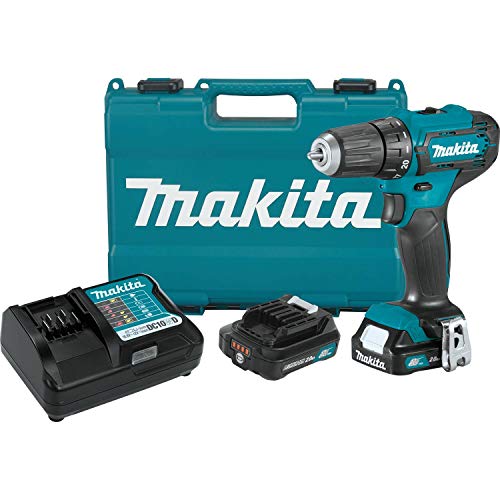


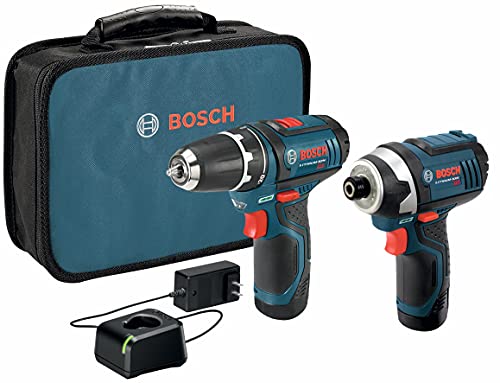
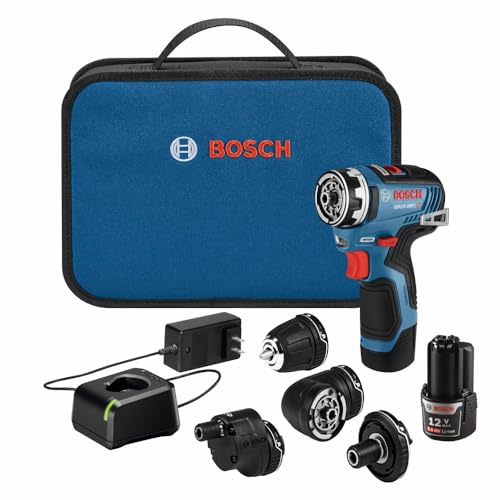

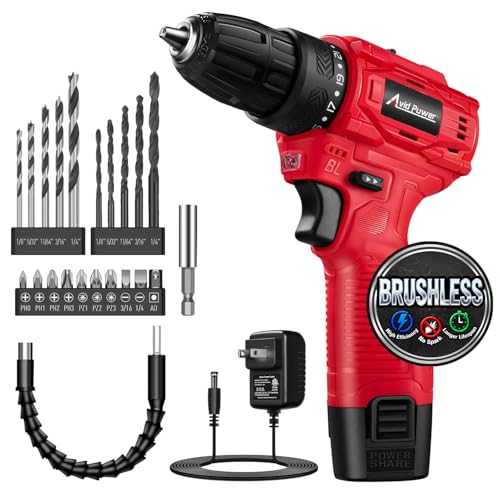

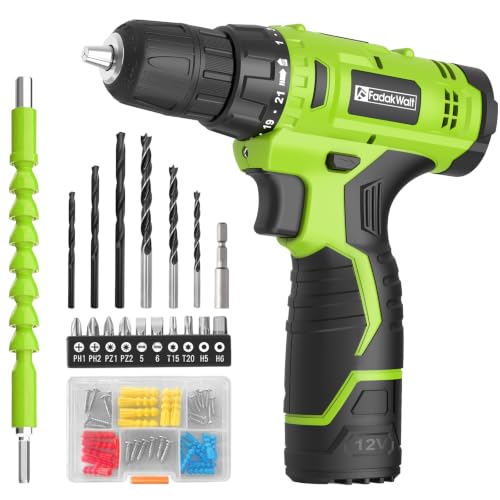

Who Should Buy Which 12V Cordless Drill?
The modifier here is size itself: these drills win on weight and access, and lose on brute force.
Cabinet and Furniture Installers Working in Tight Spaces
Inside a cabinet box or between studs, a short head length decides whether you drill square or at a sloppy angle. A compact 12V drill with a head around six inches long fits where full size drills cannot, and its light weight keeps your wrist steady during hinge and slide work. Installers often pair it with a bigger drill for the heavy holes and let the 12V tool do eighty percent of the day.
Homeowners and Renters Handling Everyday Fixes
For hanging shelves, mounting a TV bracket, and building flat pack furniture, a 12V drill has all the power the tasks ask for and a friendlier price and weight. It is also easier to control when you are learning, since the clutch and trigger do not punish small mistakes as hard. This is the same reasoning behind our guide to the best cordless drill for home use, where most readers end up choosing between a capable 12V kit and an entry 18V kit.
Users with Wrist or Shoulder Strain Who Need a Lighter Tool
Weight is a health feature here. A 12V drill with a small pack can weigh about two pounds, half of a big drill with a large battery, and that difference decides whether overhead work is comfortable or miserable. A smaller grip circumference also helps smaller hands keep control. If drilling leaves your wrist aching, stepping down in voltage while keeping a quality clutch is often the smartest move, not a compromise.
Key Features to Compare
Small drills are not all alike. These five factors separate the good ones from the toys.
Weight, Balance and Head Length
Judge a 12V drill by the numbers you feel: total weight with the battery fitted, and head length from chuck tip to the back of the motor housing. Shorter heads, around six inches, open up cabinet and joist work that longer tools cannot reach squarely. Balance matters too: a drill that rests level on its battery and feels neutral in the hand fatigues you less than a nose heavy one. If you can hold a display model, do it, because ten seconds in the hand teaches more than the spec sheet.
Torque Range and What It Honestly Covers
Most 12V drills produce roughly 200 to 350 inch pounds of torque. That range drives screws into studs, assembles hardwood furniture, and drills holes up to about half an inch in wood with ease. It is not the range for long lag bolts, big hole saws, or mixing compounds, and honest makers do not pretend otherwise. Check that the drill has two speed ranges: the low range multiplies torque for driving, and the high range, around 1,300 to 1,500 rpm, keeps small drill bits cutting cleanly.
Chuck Size and Bit Changes
Most 12V drills carry a 3/8 inch keyless chuck, which covers the bits household work needs. A metal chuck sleeve grips harder and lasts longer than plastic, and a ratcheting action that clicks as you tighten helps bits stay put in dense material. Single sleeve chucks are faster to use one handed than double sleeve designs. Also confirm the chuck opens wide enough for the countersinks and small hole saws you own, since accessories are where a small chuck shows its limits first.
Battery Style: Slide Pack or Stem Design
Twelve volt platforms split into two shapes. Slide packs click onto the base like larger tools, giving the drill a flat foot to stand on and often bigger capacity options. Stem batteries slide up into the grip, keeping the profile slim and the weight centered in your hand, but the drill cannot stand on its base. Neither is better in the abstract; pick the style whose grip fits your hand, and remember the batteries only work inside that one brand family.
Clutch Settings and Speed Control
The clutch is what makes a small drill safe for furniture and fixtures: set it right, and the drill stops before the screw strips the material or snaps. Look for a good spread of settings plus a separate drill mode, and a responsive variable speed trigger for starting screws without skating across the surface. A built in work light sounds minor until you are driving screws inside a dark cabinet, where it becomes the feature you use most.
Jobs a 12V Drill Handles Well, and Where It Runs Out
Expect a 12V drill to shine at pilot holes in studs and joists, hinge and handle hardware, drywall anchors with the right bits, shelf pin holes, and every flat pack project in the house. It will drill small anchor holes in mortar joints and soft brick if it has a hammer setting, as our guide to the best hammer cordless drill explains, but dense concrete is beyond it. It runs out of road on lag bolts for deck ledgers, two inch hole saws in doors, and any mixing work. Knowing that boundary before you buy prevents the classic mistake of blaming a good little drill for a big drill job.
Common Mistakes to Avoid
- Expecting a 12V drill to drive long lag bolts, so the motor stalls and the protection cuts in again and again.
- Buying a stem battery model and later expecting slide pack batteries from the same brand to fit.
- Running large spade bits in framing lumber all day, which overheats a compact drill built for short bursts.
- Choosing by price alone and landing in a platform with no other tools you would ever want.
- Storing the battery fully drained for months, which can leave the pack unable to take a charge.
How to Make Your 12V Cordless Drill Last Longer
Compact drills live or die by their batteries, so treat the packs well: store them about half charged, indoors, and rotate both packs in a two battery kit so they age evenly. Keep the chuck jaws clean, since gritty jaws slip and chew bit shanks. Avoid using the drill as a stirrer or a grinder, jobs that hold the motor at stall for long stretches. A soft case or drawer spot protects the trigger and chuck from the knocks that bend things out of true.
FAQ
Is a 12V drill strong enough to hang a TV mount?
Yes, with the right approach. The drill easily handles the pilot holes into studs, which is the part that matters most for a safe mount. For the lag bolts themselves, pre drill the full depth and finish the last turns with a ratchet if the drill strains, rather than forcing the tool past its comfort zone. The mount ends up just as secure.
How long does a 12V battery last on a charge?
Runtime depends on the work: driving small screws and drilling pilot holes, a typical 2.0 amp hour pack handles a full furniture project or an afternoon of mounting jobs. Large bits and dense hardwood drain it much faster. A practical habit is to keep the second pack on the charger during big projects, so a swap costs you ten seconds instead of a break.
Do 12V batteries work across different brands?
No. Every brand shapes its connector and electronics differently, so a 12V pack only fits tools from its own platform, and often only one battery style within that brand. That is why the platform choice matters more than the drill itself: you are really choosing the family of tools you can add later without buying new batteries and chargers each time.
Can a 12V drill drill into brick or concrete?
A 12V model with a hammer setting can make small holes in brick, mortar, and block for light anchors, working slowly with a carbide bit. Poured concrete and stone are a different story: progress is painfully slow and hard on the tool. If masonry anchors are a regular part of your projects, budget for a hammer drill class tool instead and keep the 12V drill for the wood and metal work it loves.
When should you step up to an 18V or 20V drill instead?
Step up when your regular work includes hole saws over an inch and a half, long structural screws, deck building, or drilling all day rather than in short sessions. Also step up if you plan to add hungry tools like circular saws on the same platform. Many households end up owning both sizes eventually, and starting with the 12V kit is rarely wasted money, because it remains the tool you grab first for small jobs. If the bigger kit must also be cheap, our guide to the best budget cordless drill shows the trade offs.
Final Thoughts
A good 12V drill is not a weaker drill; it is a drill sized for the work most homes actually generate. Weigh the weight and head length first, confirm the torque class matches your projects, and pick the battery style that fits your hand. Chosen that way, the best 12v cordless drill becomes the tool you reach for daily, and the product table above shows how the main options compare at a glance.


