
Best 18v Cordless Drills (2026): 3 Picks Built for Real Projects
Disclosure: We may earn a commission when you buy through links on this page, at no extra cost to you. As an Amazon Associate I earn from qualifying purchases. Learn more

Compare the best 18v cordless drill options by torque, chuck size, speed ranges and battery platform, and learn which drill class fits your projects.
The 18V class is the center of the cordless drill market, which means the shelves are crowded with tools that look alike but behave very differently on real work. Finding the best 18v cordless drill for your projects comes down to matching torque, chuck size, and battery platform to the holes and screws you actually drive, not to chasing the biggest number on the box. The comparison table below lines up the main classes side by side.
This guide walks through who each class suits, the specs that genuinely change how a drill feels in use, and the traps that leave buyers with a tool that is too weak, too bulky, or tied to batteries they do not own. If you are still weighing every voltage class at once, the wider guide to the best cordless drill options across all platforms is a good companion read.
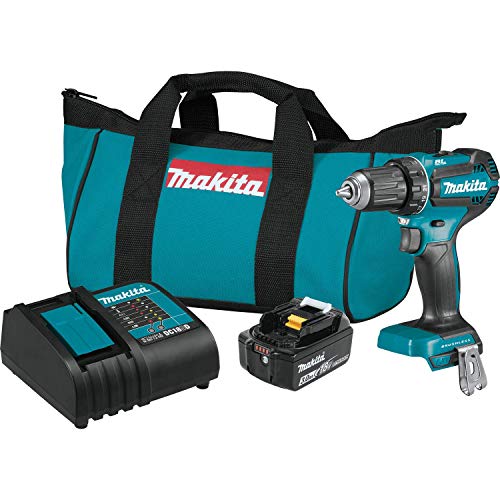


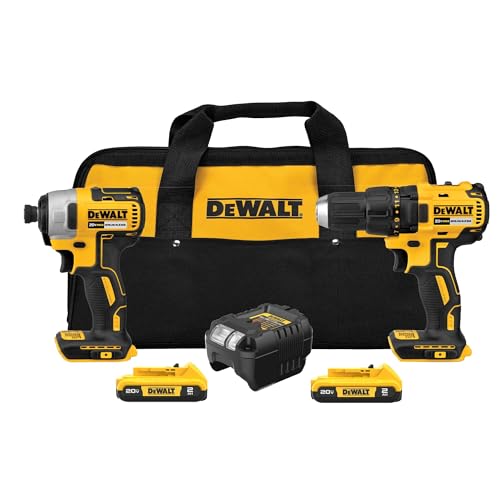
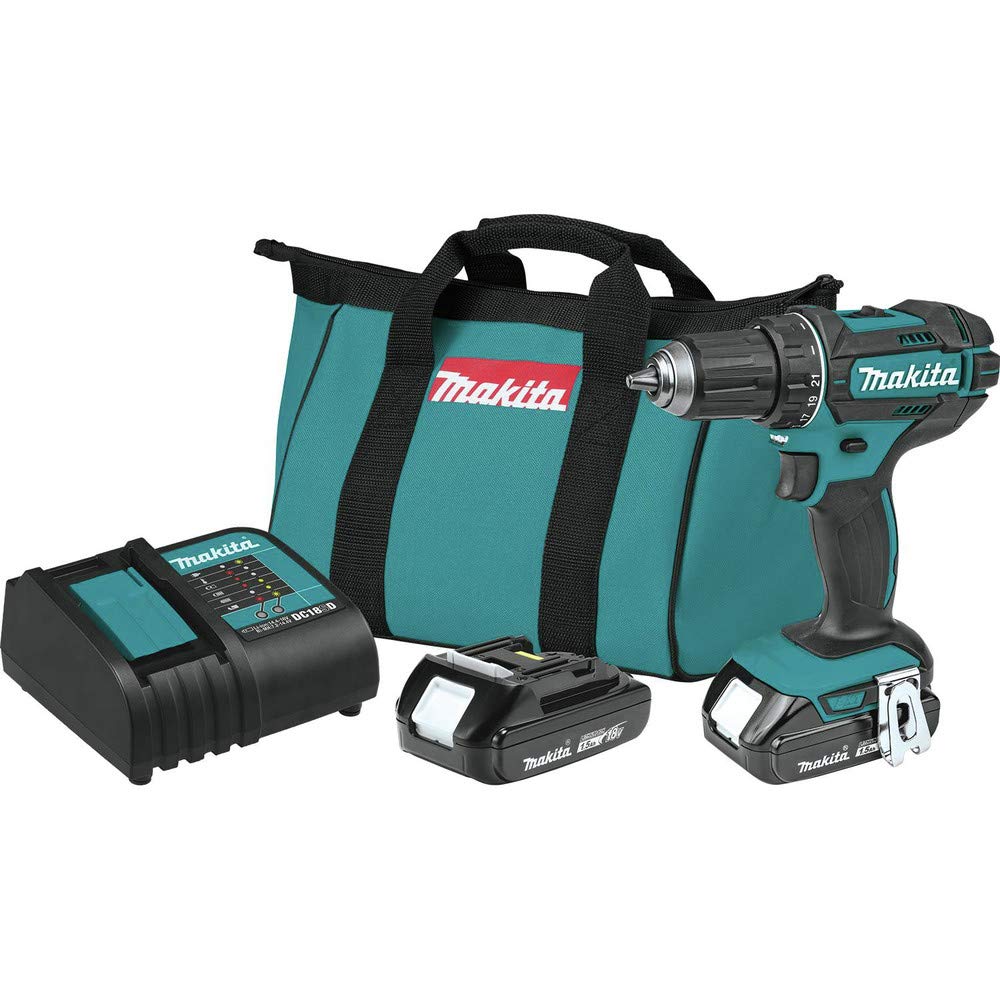


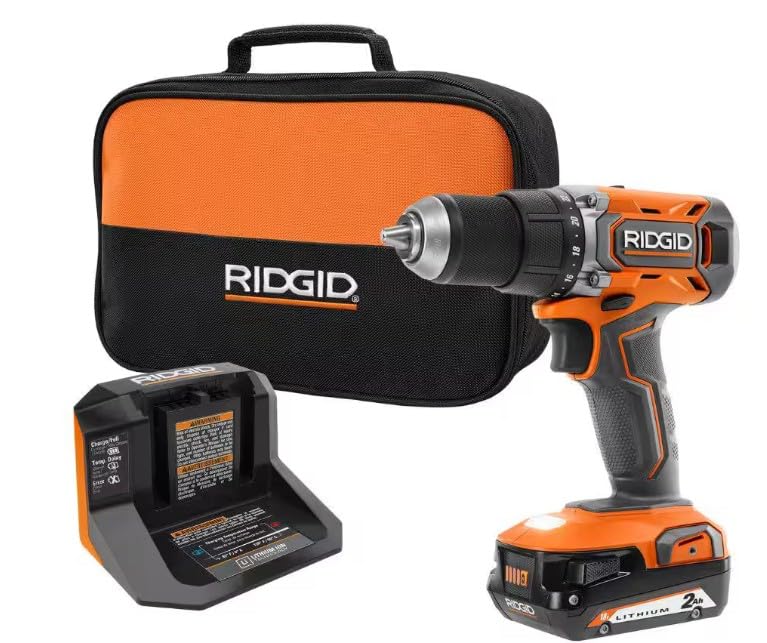


Who Should Buy Which 18V Cordless Drill?
Homeowners Replacing an Old Drill
If your old drill has a tired nickel cadmium battery and a chuck that wobbles, almost any modern 18V kit feels like a revelation. Look for a compact drill driver sold with two batteries and a charger, because the second pack keeps you working while the first one charges. A 3/8 inch chuck covers most household bits, and light weight matters more than raw torque for hanging shelves and assembling furniture. Shoppers focused on this kind of work can narrow things down with the guide to the best cordless drill for home use.
Woodworkers and Committed DIYers
People who build cabinets, decks, and shop furniture need a drill that can bore wide holes in hardwood without stalling and drive long screws without cooking the motor. Prioritize a 1/2 inch metal ratcheting chuck, a brushless motor, and a low speed range with real torque behind it. You will also swap bits constantly, so a chuck that grips firmly with one hand and a belt hook that keeps the tool off the bench are worth more than extra speed. Size and balance matter during long sessions, since a nose heavy drill tires your wrist and makes vertical drilling sloppy.
Tradespeople and Frequent Renovators
If you drill several days a week, durability and runtime decide whether an 18V drill earns its place in the kit. Choose a model on the battery platform you already own, with a rapid charger and larger capacity packs available. Metal gear housings, sealed switches, and a warranty with local service support matter more than a few extra inch pounds of claimed torque. Renovators who regularly drill into brick or block should read the section below on hammer variants before buying, because drilling masonry with a plain drill driver is slow and hard on the tool.
Key Features to Compare
Torque Ratings and What They Really Mean
Torque tells you how hard a drill can twist, and it is quoted in inch pounds on most 18V models, with typical drill drivers landing somewhere between about 300 and 800 inch pounds. Some brands instead rate power in unit watts out, which cannot be compared directly with inch pounds, so treat cross brand number contests with suspicion. In practice, around 400 inch pounds handles deck screws and most flat pack hardware with ease, while boring 2 inch holes in studs with a spade bit asks for the stronger end of the range. Buy for your hardest regular job, not for a one time task you could rent a tool for.
Chuck Size and Construction
The chuck decides which bits you can use and how securely they stay put. A 3/8 inch chuck suits light drilling and keeps the tool small, but a 1/2 inch chuck accepts larger hole saws, mixing paddles, and heavy duty bits, which makes it the safer default for project work. Plastic chucks flex and wear, while metal ratcheting chucks bite harder and survive drops better. Spin the chuck by hand in the store if you can: visible wobble at the jaws means crooked holes later. A keyless design with a firm ratchet click when tightened is the setup most people find easiest to live with.
Speed Ranges and Clutch Settings
Nearly every 18V drill driver offers two mechanical speed ranges, and using the right one matters more than the top speed itself. The low range, roughly up to 450 RPM, delivers torque for driving screws and boring large holes, while the high range, up to about 1,800 or 2,000 RPM, drills cleaner holes in wood and metal. The adjustable clutch ring, usually with 15 to 24 settings, limits driving force so screws stop flush instead of snapping or sinking through drywall. Pick a drill whose clutch clicks positively and whose speed selector slides with a definite stop, since vague controls get bumped mid job.
Brushless vs Brushed Motors
Brushed motors use carbon brushes that wear down and need eventual replacement, while brushless motors control power electronically and waste less of it as heat. In daily terms, a brushless 18V drill runs noticeably longer per charge, stays cooler under sustained load, and tends to be shorter from chuck to tail. The trade off is price: brushless models cost more up front, and casual users who drill a few holes a month may never feel the difference. If you bore wide holes, drive structural screws, or work far from a charger, brushless efficiency pays for itself in fewer battery swaps alone.
Battery Capacity and Platform Fit
Battery packs are rated in amp hours, and the rating is a simple runtime gauge: a 4.0 Ah pack delivers roughly twice the work of a 2.0 Ah pack, at the cost of extra weight hanging off the grip. Compact 2.0 Ah packs keep the drill light for overhead work, while larger packs balance better during heavy boring and last through a full day. The bigger decision is the platform itself, because batteries only fit tools from the same brand family. If you already own 18V batteries from another tool, buying a drill on that same platform is usually the smartest money you can spend.
Size, Weight, and Balance
Published weights often exclude the battery, so compare tools with a pack fitted whenever possible. A short head length, around 6 to 7 inches on compact models, lets you drill inside cabinets and between studs where a long drill simply will not fit. Balance counts too: a drill that sits level in your hand with the battery on puts less strain on your wrist during repetitive driving. Grip diameter is a quiet factor for smaller hands, and a rubber overmold with real texture keeps control when your palms sweat or the work turns dusty.
What 18V Means, and the Hammer Drill Question
Shoppers often ask why some shelves say 18V and others say 20V MAX when the tools look identical. Both labels describe the same class: lithium cells are rated at 18 volts nominal, and 20 volts is the maximum voltage measured fresh off the charger with no load. The names are marketing choices, not a power difference, and batteries from one naming camp do not fit tools from a rival brand regardless of the number printed on them. What matters is the platform you choose and the amp hour ratings within it.
The other fork in the road is the hammer function. A hammer drill driver adds a rapid pulsing action that helps a masonry bit chew into brick, block, and mortar joints, which a plain drill driver struggles with. If you mount shelves on masonry walls a few times a year, the hammer version saves renting a rotary hammer for light work. Compare the classes in the guide to the best hammer cordless drill before deciding, and remember that heavy concrete drilling still belongs to a rotary hammer, not a drill driver of any voltage.
Common Mistakes to Avoid
- Buying on voltage alone, because an 18V badge says nothing about torque, chuck quality, or battery capacity.
- Choosing a 3/8 inch chuck and then discovering your hole saws and mixing paddles need a 1/2 inch chuck.
- Leaving the clutch on the drill setting for screws, so fasteners snap or sink below the surface.
- Buying a bare tool at a tempting price when you own no batteries or charger on that platform.
- Driving long screws in high speed range, which stalls the motor and overheats the battery.
- Storing lithium packs fully drained in a cold garage, which shortens their working life.
How to Make Your 18V Cordless Drill Last Longer
Most drill wear is preventable with simple habits. Blow dust out of the motor vents with dry compressed air after dirty jobs, and wipe the chuck jaws clean so grit does not score them. Open and close the chuck a few times after drilling metal to shake out swarf that would otherwise jam the jaws. Store batteries indoors at a partial charge rather than empty or topped off for months, and keep them out of freezing sheds over winter. If your drill has a brushed motor, listen for a scratchy sound or weak power as early signs the brushes are worn, and swap them before they damage the commutator. Finally, let the drill do the pushing: forcing a dull bit dulls it faster and strains the gearbox, so sharp bits are cheap insurance.
FAQ
What is the best 18v cordless drill?
The best pick is the one matched to your hardest regular job and the batteries you already own. A homeowner needs a compact two battery kit, while a renovator needs a brushless model with a 1/2 inch metal chuck. Before comparing torque numbers, list the largest hole you drill and the longest screw you drive in a typical month, and let that list rule out the classes that cannot handle them.
Are 18V cordless drills worth it over 12V models?
For project work, yes, because the 18V class gives you access to the widest range of tools and batteries from every major brand, and the drills handle larger bits without stalling. A 12V drill is lighter and fine for furniture assembly and light repairs. The practical dividing line is hole size: once you regularly bore holes wider than about 1 inch in framing lumber, the 18V class earns its extra weight.
How long does an 18V cordless drill last?
A well kept drill driver commonly serves for many years of regular use, and the batteries usually age out first, often after three to five years of frequent charging. One detail worth knowing: lithium packs fade gradually, so a drill that slowly loses runtime is usually asking for a fresh battery, not a replacement tool. Brushless models remove brush wear from the equation, which is one reason they dominate the pro end of the shelf.
How do you clean an 18V cordless drill?
Start with the battery removed, then brush dust from the vents and chuck with a dry nylon brush. Use short bursts of compressed air angled away from the motor openings so debris exits instead of packing deeper inside. Wipe the housing with a cloth that is barely damp, and never spray water or solvents into the vents. Finish by cycling the chuck open and closed to clear grit from the jaws before you store the tool.
What is the most reliable 18V cordless drill brand?
Reliability depends as much on service access as on the tool itself, so favor brands with warranties you can actually claim and dealers or service centers near you. Established pro brands publish longer warranties and stock parts like chucks and switches for years. A useful test before buying is to search for replacement batteries for a five year old model in that lineup: if packs are still sold, the platform is being supported.
Final Thoughts
Choosing the best 18v cordless drill is mostly about honesty regarding your workload: chuck size, torque in the right speed range, and a battery platform you will keep feeding matter far more than headline claims. Use the product table above to compare the classes against your project list, and weight platform fit heavily if you already own compatible batteries. If purchase price is the hard limit on your shortlist, the guide to the best budget cordless drill shows where the sensible savings are. Get those fundamentals right and an 18V drill becomes the tool you reach for daily.


