
Best 25 ft Tape Measures in 2026: Standout, Blades and Buying Guide
Disclosure: We may earn a commission when you buy through links on this page, at no extra cost to you. As an Amazon Associate I earn from qualifying purchases. Learn more

Compare the best 25 ft tape measure options by standout, blade width, coating and hook design, with reading tips, common mistakes and simple care advice.
The 25 ft size is the tape that lives in more tool belts and kitchen drawers than any other, long enough for rooms and lumber, short enough to stay compact. Yet two tapes with the same length printed on the case can feel completely different in your hand. The best 25 ft tape measure for you comes down to standout, blade width, markings and how the hook is built. This guide sorts those details so you can pick once and measure accurately for years.
The comparison table below sums up the main styles. After it, you will find which features matter for framing, shop work and home projects, how to read the markings fast, and the habits that keep a blade retracting smoothly instead of kinking and tearing at the end.


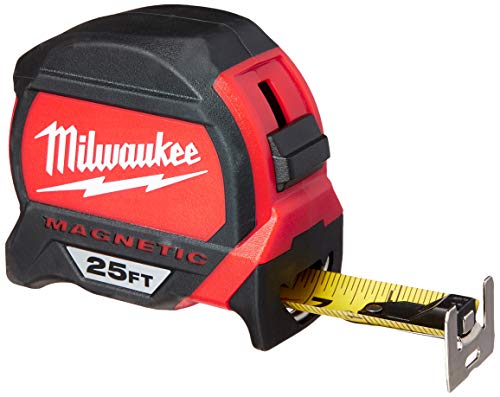
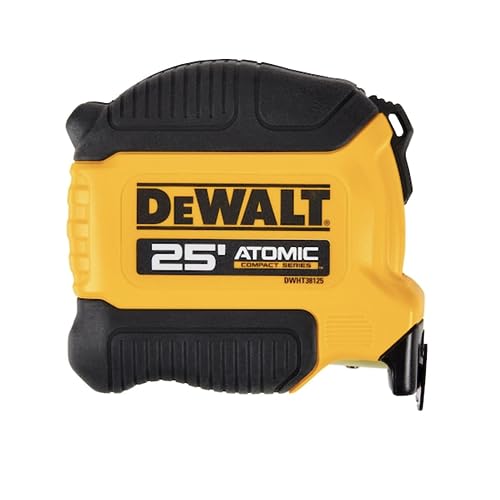
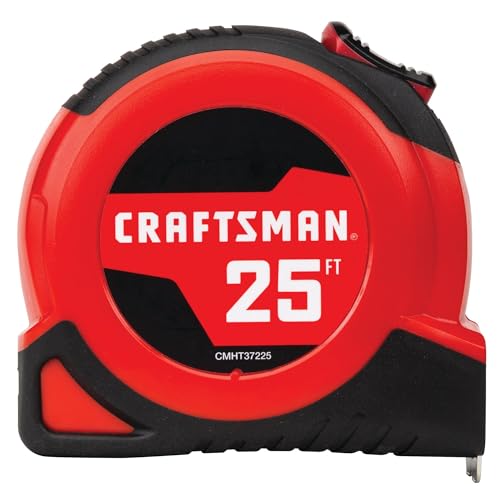

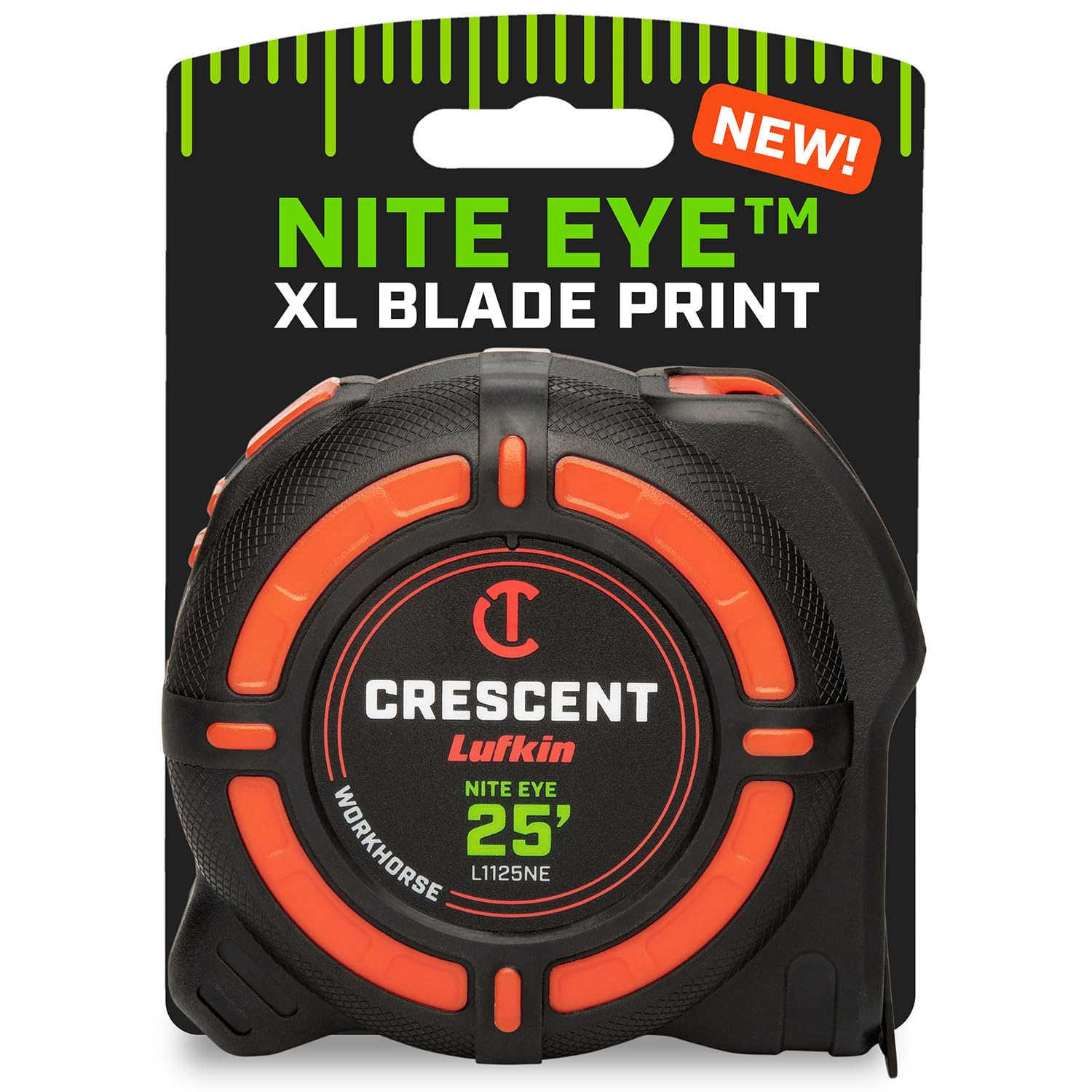
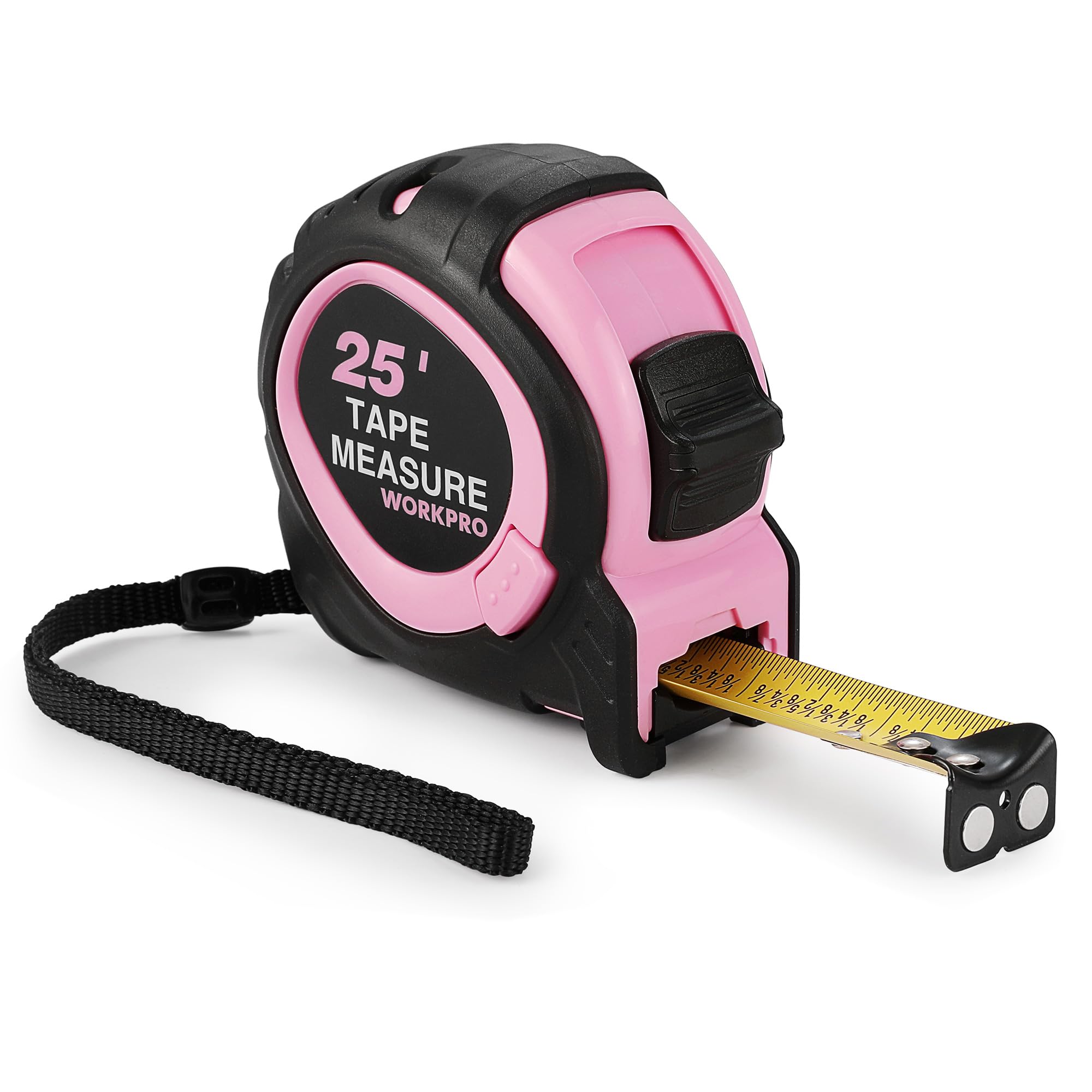
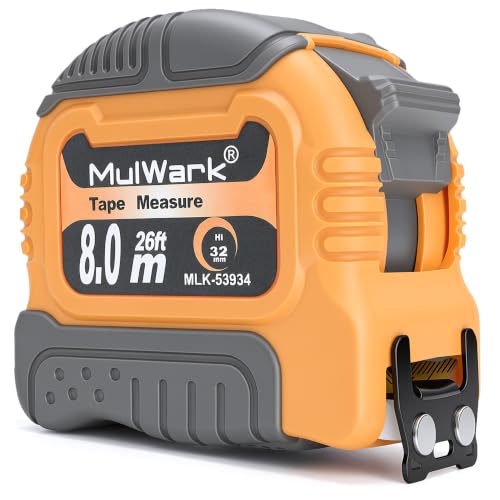
Who Should Buy Which 25 ft Tape Measure?
Your work decides whether you need maximum standout, fine markings, or simple durability.
Framers and Remodelers
If you measure across open rooms and between studs alone, prioritize standout and a wide blade. A tape that reaches 11 to 13 feet before collapsing lets you hook a far plate and read without a helper. A rugged case with thick rubber armor also matters, since this tape will fall off ladders. Our guide to the best tape measure for construction goes deeper on job site durability if that is your daily work.
Woodworkers and Cabinet Builders
Shop work rewards readable markings more than raw reach. Look for crisp fractional printing on both edges, a flat or gently curved blade that sits still on the workpiece, and a hook that stays true. Many woodworkers keep a second, slimmer tape at the bench, and our guide to the best tape measure for woodworking covers the accuracy checks that matter for fitted joints.
Homeowners and DIYers
For curtains, furniture, appliances and the odd deck board, a mid priced tape with clear fractions and a comfortable case does everything you need. Magnetic hooks are a quiet bonus for measuring steel studs and appliances alone. If you measure rooms often for flooring or paint, pairing the tape with the best laser tape measure speeds up the long distances while the tape handles the short ones.
Key Features to Compare
Our broader guide to the best tape measure covers every size class. Within the 25 ft class, these six factors separate the keepers from the drawer clutter.
Standout and Blade Width
Standout is how far the blade extends unsupported before it breaks and falls, and width drives it. A blade around 1 1/4 inches wide stands out far longer than a slim 3/4 inch blade because the deeper curve stiffens it. Treat maker claims as best case numbers, since a worn or dirty blade breaks sooner. If you often measure alone across rooms, width and standout deserve top priority. If every measurement happens on a bench, a narrower blade is lighter and perfectly fine.
Blade Coating and Print Durability
The printed scale is the whole tool, so its survival matters. A clear nylon or similar protective coat over the printing resists the abrasion of the case mouth, which is where blades wear fastest. Some blades add a tougher top coat rated for hundreds of thousands of cycles. Hold the tape to the light in the store and check that fractions print sharply on both edges, because fuzzy printing slows every reading and cannot be fixed later.
Markings, Fractions and Stud Layouts
Most 25 ft tapes print standard 16 inch stud centers in red and 19.2 inch layout marks in black, matching common framing and truss spacing. Fractional scales that label every 1/8 inch save mental math and reduce errors for newer users. Some blades print on both sides, which helps when you measure overhead or from the left. Metric or dual scale versions suit anyone working from European plans. Pick the scale set you will actually read under pressure, not the one with the most ink.
The Hook: Loose by Design, and Why It Matters
The metal hook at the end moves slightly on its rivets, and that movement equals the thickness of the hook itself. Push the hook against a surface and it compresses for an inside measurement, pull it over an edge and it extends for an outside one, staying accurate both ways. Problems start when the hook bends or the rivets wear beyond that one thickness of play. A larger hook face catches edges more reliably, and a magnetic version grips steel, but magnets also collect metal filings that need wiping.
Case, Lock and Belt Clip
The case takes the drops, so rubber armor at the corners is worth real money on a work tape. Blade locks come in sliding, lever and auto locking styles, and the best hold firm without creeping during a long measurement. A finger brake on the underside gives fine control when you ease the blade out. Check the belt clip too: wire clips slide onto belts and pockets easily, while stiff flat clips fight you. A lanyard loop matters if you work at height, where a dropped tape is a hazard.
Return Spring and Blade Control
A strong spring snaps the blade home fast, which feels satisfying and stings fingers. Better tapes balance return speed with a smooth, damped feel so the hook does not slam the case and bend. Test the last foot of retraction in the store. If the blade twists or shudders on the way in, grit will make it worse within months. A blade that retracts straight and settles gently will outlast a violent one.
How to Read a 25 ft Tape Quickly and Accurately
Learn the marks once and every reading speeds up. The longest lines are inches, slightly shorter are half inches, then quarters, eighths and sixteenths. Counting down from the nearest labeled fraction is faster than counting up from zero. For inside measurements, like a window opening, butt the case into the corner and add the case length printed on its side, usually about 3 to 3 1/2 inches, to the blade reading where it meets the opposite corner.
Two habits prevent most errors. First, keep the blade flat and straight, because a sagging or twisted blade reads long. Second, mark with a sharp pencil or a knife and measure twice before cutting, since the cheapest board is the one you only cut once. When a measurement must match another piece exactly, hook both pieces with the same tape and compare directly instead of trusting two separate readings.
Common Mistakes to Avoid
- Letting the blade snap back at full speed, which bends the hook and throws off every later measurement.
- Measuring with a kinked or twisted blade, which adds error you cannot see in the reading.
- Assuming a loose hook is broken and hammering the rivets tight, which destroys the inside and outside accuracy.
- Leaving the blade extended in rain or dust, which rusts the scale and grinds the coating off on retraction.
- Trusting standout claims for precise long readings, which sag and break under real room conditions.
How to Make Your Tape Measure Last Longer
Control the retraction with a finger on the blade every time, and never let it slam home. Wipe the blade with a dry cloth as it retracts after wet or dusty work, so grit does not get dragged through the case mouth. Store the tape dry and out of standing water in truck boxes and buckets. If the hook starts to catch, check for a bent tip or packed dirt behind it before blaming the spring. A tape that is kept clean and never dropped on its hook will hold its accuracy for many years of daily use.
FAQ
Are 25 ft tape measures worth it over shorter tapes?
For most people, yes, because 25 feet covers room dimensions, full sheets and lumber lengths that a 16 ft tape cannot reach, while staying nearly as compact. A 35 ft tape adds bulk and a stiffer price for reach that home users rarely need. Contractors who lay out whole floors sometimes step up, but the 25 ft class remains the standard belt tape for good reason.
How long does a tape measure last?
The blade usually dies before the case does. Kinks, a torn end, rust and worn printing end most tapes after a few years of job site use, while a shop tape that stays clean can measure accurately for a decade. The hook tells the truth: once its rivet play grows well past the hook thickness, readings drift and replacement is smarter than repair.
How do you clean a tape measure?
Extend the blade fully and wipe it down with a dry cloth, then retract it slowly while wiping again so dirt does not enter the case. For sticky residue, a cloth barely damp with mild cleaner works, and dry the blade fully afterwards. Never oil the blade, since oil collects grit and prints it onto the scale. Clean the hook face too, especially on magnetic models that collect filings.
What standout do you actually need in a 25 ft tape?
Most solo measuring happens between 8 and 12 feet, across rooms and along walls, so a tape that honestly stands out around 11 feet covers nearly everything. Claims well above that usually assume perfect, still conditions. If your standout falls short, brace the blade midway on a stud or step stool to extend its reach, a simple trick that saves buying a wider, heavier tape.
Should you choose a fractional or a standard scale tape?
Choose the fractional scale if you still count sixteenths slowly or measure with family members who are learning, because printed fractions cut mistakes. Experienced framers often prefer a clean standard scale that reads faster at a glance. Either is accurate, so the choice is about reading speed and error rate, not precision. A dual sided blade with fractions on the back gives you both.
Final Thoughts
Match the blade to your work, wide and stiff for solo framing, crisp and readable for the shop, simple and tough for the house. The product table above shows the main styles side by side. Pick the best 25 ft tape measure for how you actually measure, control its return, and it will read true long after cheaper tapes have kinked and torn.


