
Best 3x360 Laser Levels (2026): How to Choose the Right One
Disclosure: We may earn a commission when you buy through links on this page, at no extra cost to you. As an Amazon Associate I earn from qualifying purchases. Learn more

The best 3x360 laser level projects three full planes for room layout. This guide covers beams, accuracy, self leveling, batteries and receiver use.
A standard cross line laser marks one wall at a time. A 3x360 model projects three full planes of light, one horizontal and two vertical at right angles, so a whole room gets its layout lines at once. Choosing the best 3x360 laser level means sorting real working specs, beam visibility, accuracy, and battery life, from marketing filler. The comparison table below lists the main types at this level so you can see how they differ.
This guide explains what the three planes actually do for tile, cabinets, and framing, which specs predict accuracy on your walls, and when the format is more tool than a job needs. It is a buying guide only, built to help you match a laser to your projects before you spend pro level money on one.
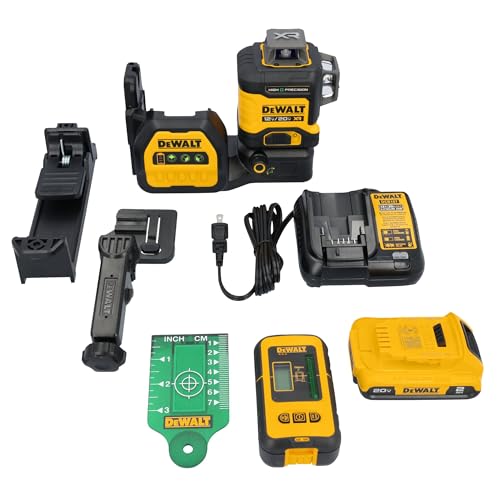

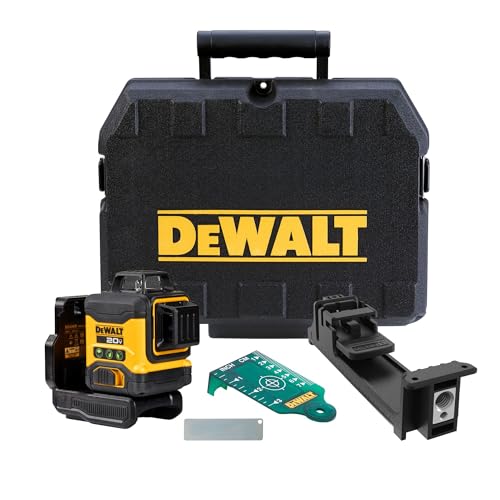


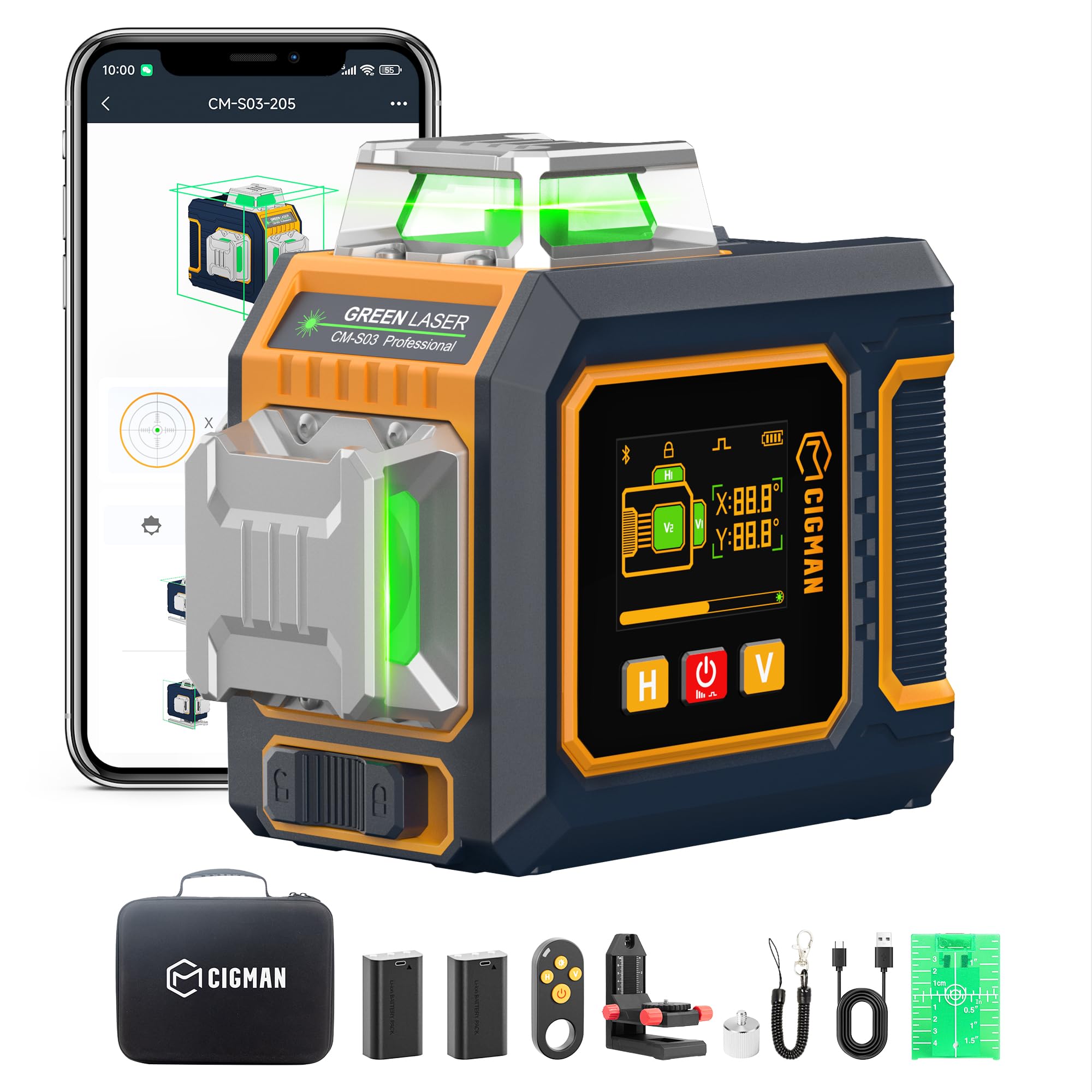
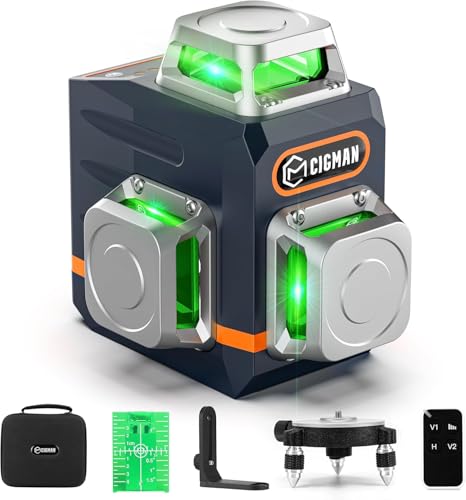

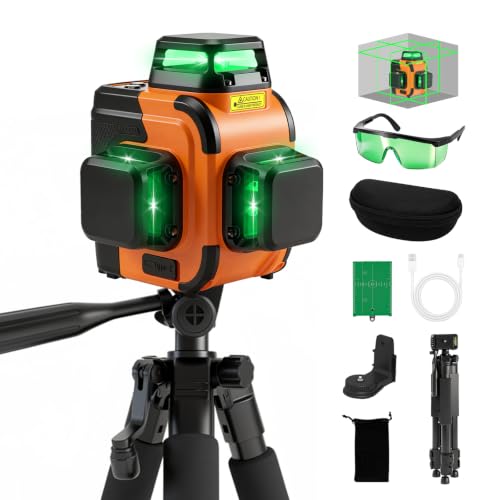
Who Should Buy Which 3x360 Laser Level?
The format shines when one setup must serve several walls. If your work lives on a single wall at a time, a simpler laser may serve you better for less money.
Tile Installers Laying Out Whole Rooms
Tile work lives and dies by layout: a level course line, plumb lines that keep grout joints straight, and a floor plane for checking lippage as you set. A 3x360 laser gives you all three references from one position in the middle of the room. Our general guide to the best laser level covers simpler formats if your tiling is limited to a backsplash. For full bathrooms and kitchen floors, the three plane format repays its cost on the first job.
Cabinet and Kitchen Installers
Cabinets demand level lines that wrap corners: uppers must stay level around an L shaped run, and tall units need plumb checks on two walls at once. Two vertical planes at a right angle let you set corner cabinets true without moving the laser and re establishing your marks. If your installs are mostly single straight runs, compare the simpler options in our guide to the best 360 laser level, which covers single plane 360 degree tools. Frequent corner work is what justifies the third plane.
Framers and Drywall Crews Doing Layout
Wall framing needs plumb lines transferred from floor to ceiling and square corners checked across a room. A 3x360 on the floor projects vertical planes you can trace along plates, then verify studs as they go up. The self leveling action matters here, and our guide to the best self leveling laser level explains the mechanism in depth. Crews who frame weekly will use every plane; occasional DIY framers should weigh the price against a good cross line laser and a long level.
Key Features to Compare
What the Three Planes Cover
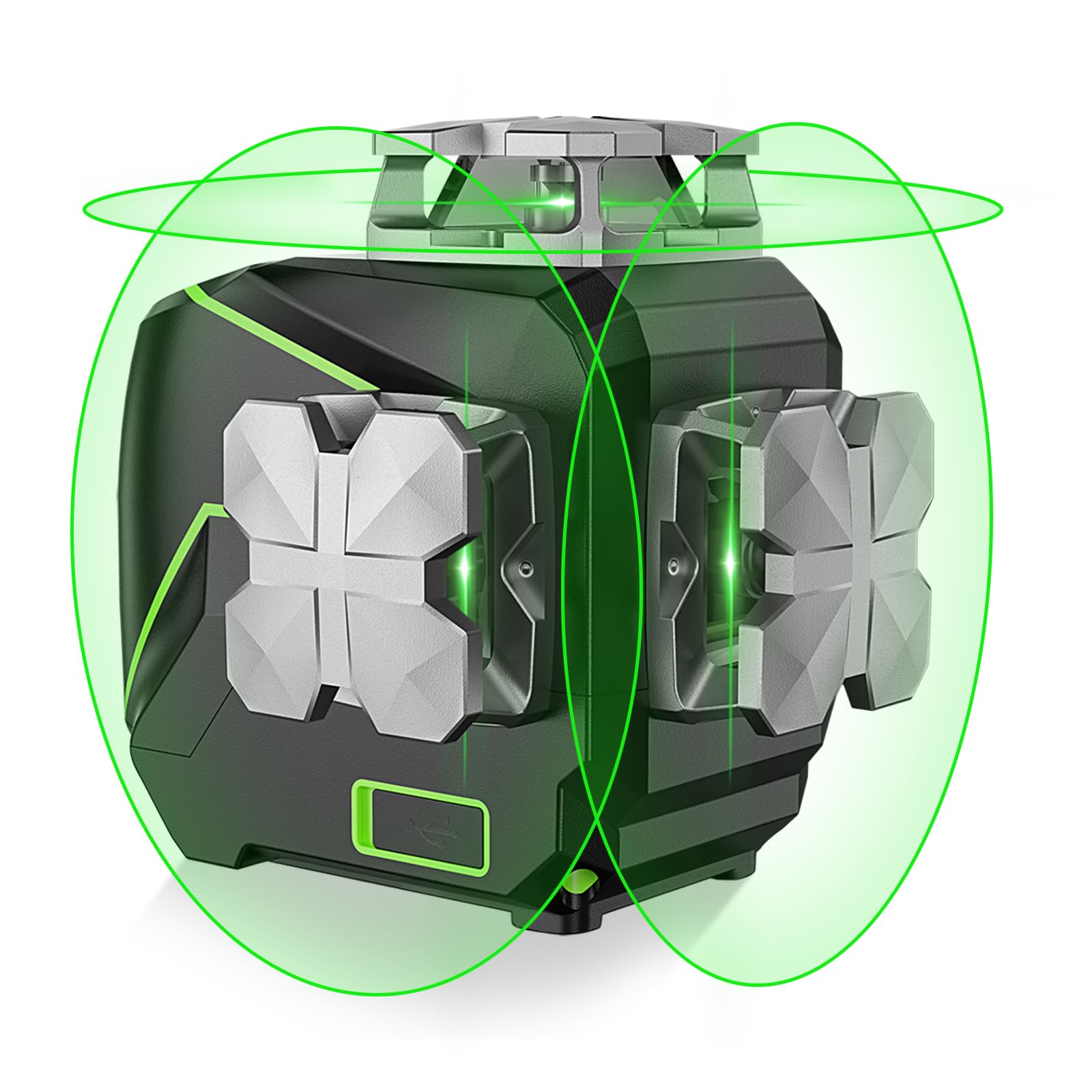
Each plane is a full 360 degree sheet of light: one horizontal plane circles the room at a set height, and two vertical planes cross at right angles. Together they form a reference box you can work inside, marking floors, walls, and ceilings from one setup. The vertical planes intersect on the ceiling too, which helps locate light fixtures and transfers points from floor to ceiling without a plumb bob. When comparing models, check that all three planes can run at once, since some budget tools limit you to two planes to save battery.
Green Versus Red Beams
Green lasers appear brighter to the human eye than red ones at the same output, which makes green the default choice for indoor layout at longer distances. Red beams cost less and sip battery, and they remain fine for small rooms. In bright conditions, sunlight washing through windows can defeat either color indoors, so plan layout work for the light you have. Outdoors, neither color is reliably visible past short range in sun, which is where a receiver comes in. Beam color is a visibility choice, not an accuracy choice.
Accuracy and Self Leveling Range
Accuracy is stated as a tolerance over distance, commonly about 1/8 inch at 30 feet on decent models, and it is the spec that most affects your results. Self leveling range, usually about 4 degrees, tells you how far out of level the base can sit while the pendulum inside still finds true level. Beyond that range the beam should flash to warn you it is not level. A lock mode matters too: it freezes the pendulum so you can tilt the laser to project angled lines for stairs and railings without the beam blinking.
Pulse Mode and Receiver Compatibility
For outdoor work or bright rooms, pair the laser with a receiver that picks up the beam electronically. The laser needs a pulse mode for the receiver to detect, and the receiver must match the beam color, since a red receiver cannot see a green beam and the reverse is also true. Working range with a receiver stretches to about 150 to 200 feet on many models. If you plan deck posts, fence lines, or drainage grades, confirm pulse mode in the spec list before buying, because it cannot be added later.
Mounting Options and Tripod Threads
A 3x360 earns its keep only if you can place it at the height your line needs. Magnetic brackets grip steel studs and door frames, clamp mounts grab ladders and studs, and most tools carry both 1/4 inch and 5/8 inch tripod threads. A fine adjustment base that rotates the vertical planes in small steps saves real frustration when you are aligning a plane with a distant mark. Check that a bracket is included, because buying mounts separately adds up, and a laser left on a paint can is a laser about to fall.
Battery Systems and Runtime
Three planes draw real power, so battery strategy matters. Tool platform packs from the big cordless brands run longest and swap fast, but lock you into that platform. Built in rechargeable packs charge by USB and suit occasional users, while AA powered models are cheap to feed but dim sooner. Runtime claims assume one plane at low brightness, so expect less with all three planes bright. If your workdays are long, favor a model whose spare packs you already own or can buy cheaply.
When a 3x360 Laser Is More Than You Need
Honest sizing saves money. Hanging pictures, a single shelf, or one mirror needs a dot of level line, and our guide to the best laser level for hanging pictures covers small tools that finish those jobs for a fraction of the price. A cross line laser handles most single wall work, and a single plane 360 laser covers ceiling and floor lines for flooring. Buy the 3x360 when two walls, a corner, or a full room layout shows up in your typical month, not for a one off picture wall.
What 3x360 Laser Levels Cost
Budget 3x360 models from lesser known brands start around $60 to $120, with red or green beams and basic mounts. Mid range tools from established instrument brands run about $150 to $300 and add better accuracy, pulse mode, and sturdier housings. Professional models with tool platform batteries, high ingress ratings, and fine adjustment bases reach about $350 to $600. The mid range is where most serious DIY users and small crews should shop, because accuracy and warranty support jump more than beam features do.
Common Mistakes to Avoid
- Buying a green laser for outdoor work without a receiver, then finding the beam invisible in daylight past a few feet.
- Ignoring the accuracy tolerance and choosing on beam brightness, when a bright but sloppy line ruins tile layout.
- Leaving the pendulum unlocked during transport, which lets it bang against its stops and drift out of calibration.
- Mounting the laser on a wobbly stack of buckets, so every bump moves your reference lines mid job.
- Assuming a red beam receiver works with a green laser, when receivers only detect the color they are built for.
How to Make Your 3x360 Laser Level Last Longer
Store the laser in its padded case with the pendulum locked, and keep it out of hot vehicles where heat stresses the diode and batteries. Wipe the lens windows with a soft cloth only, because a scratched window scatters the beam and fattens your lines. Check accuracy a few times a year by marking a line, rotating the laser 180 degrees, and marking again; a gap between the lines means it needs service. Remove batteries for long storage, and never drop the tool onto concrete if you can help it, since one hard fall can end its accuracy for good.
FAQ
Are 3x360 laser levels worth it?
They are worth it if your work involves whole rooms, corners, or repeated layout, because one setup replaces several moves of a simpler laser and removes the errors that creep in when references shift. Tile setters, cabinet installers, and framers feel the payoff weekly. For single wall tasks like shelves and pictures, the extra planes sit unused and the money is better spent elsewhere. Judge by your typical month of projects, not your most ambitious one.
What does 3x360 mean on a laser level?
It means the tool projects three separate 360 degree planes: one horizontal and two vertical planes set at a right angle to each other. The result is a grid of reference lines covering the floor, all four walls, and the ceiling from a single position. This differs from a plain 360 laser, which projects only one plane, and from a cross line laser, which projects short lines on one wall. The three plane layout is what makes full room work possible without moving the tool.
How accurate is a 3x360 laser level?
Most decent models state accuracy around 1/8 inch at 30 feet, with professional units doing a little better. In practice, your real accuracy also depends on a stable mount and a surface that does not vibrate. Check your tool when it arrives and after any drop: project a line on a wall, mark it, rotate the laser 180 degrees, and project again on the same spot. If the two lines disagree by more than the stated tolerance, the unit needs calibration or exchange.
Can a 3x360 laser level be used outdoors?
Yes, but only with a receiver, because sunlight overwhelms the visible beam beyond short distances. Set the laser to pulse mode, mount the matching receiver on a grade rod or staff, and read the receiver's display or tone instead of looking for the line. This setup handles fence lines, deck footings, and patio grades well. Keep the receiver matched to your beam color, and shade the laser itself on very hot days to protect its electronics.
How long do 3x360 laser level batteries last?
Runtime depends on how many planes run and at what brightness. A tool platform pack may run all three planes for a full workday, while AA cells can fade within a few hours at full brightness. Manufacturers quote runtime for one plane at moderate output, so treat those numbers as best case. Carrying a spare pack or a set of fresh cells is cheap insurance, because a laser that dies mid layout costs you the setup time all over again.
Final Thoughts
The best 3x360 laser level for your work is the one whose accuracy you can trust, whose beam you can see in your light conditions, and whose battery system fits your day. Compare the planes, mounts, and pulse mode support in the product table above, and skip the format entirely if your jobs live on one wall. Chosen honestly, a 3x360 turns room layout from a two person chore into a one person routine.


