
Best 60 Gallon Air Compressors in 2026: A Complete Buying Guide
Disclosure: We may earn a commission when you buy through links on this page, at no extra cost to you. As an Amazon Associate I earn from qualifying purchases. Learn more

A best 60 gallon air compressor pick depends on two stage airflow, 240 volt wiring and duty cycle. Compare stationary shop compressors for paint and body work.
Production air tools expose the limits of portable compressors in minutes. A dual action sander or an HVLP spray gun drinks air continuously, and small tanks cycle their pumps to death trying to keep up. The best 60 gallon air compressor is a stationary shop machine built for exactly that load, with a large vertical tank, a belt driven pump and airflow that holds pressure while you work. The comparison table below maps out the class.
Buying one is closer to wiring in a shop appliance than picking up a portable tool. Pump stages, voltage, duty cycle and placement all shape the result as much as the tank size on the label. This guide covers the decisions in the order you will face them, from confirming your electrical panel to placing the unit where its noise and heat will not fight you.
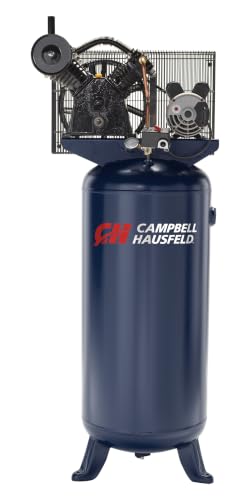

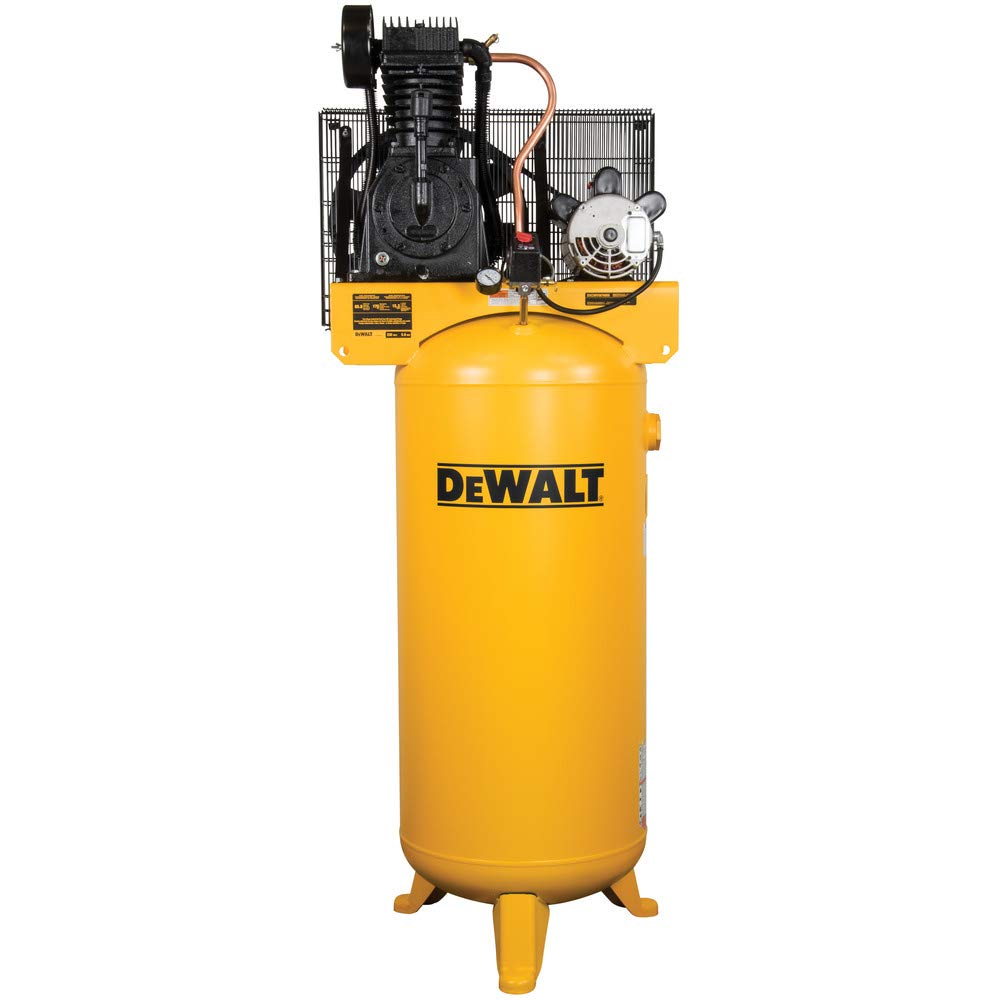
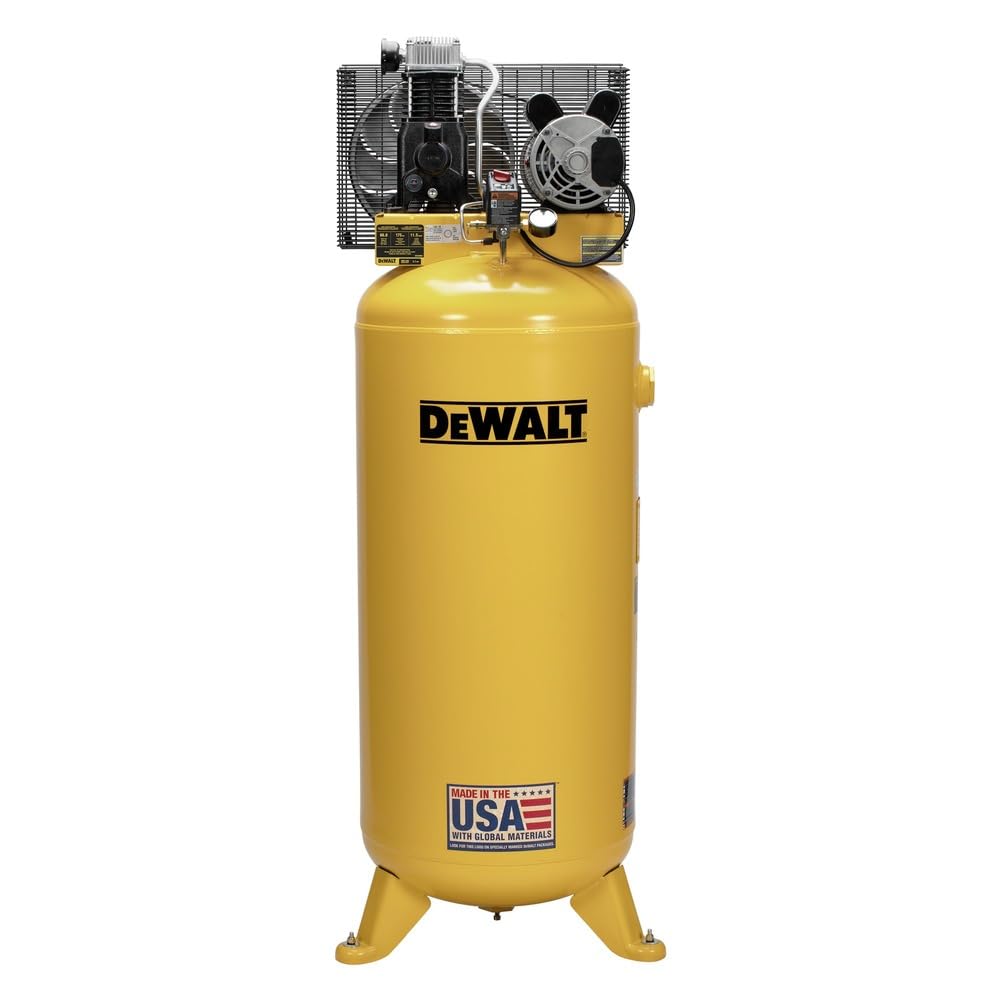
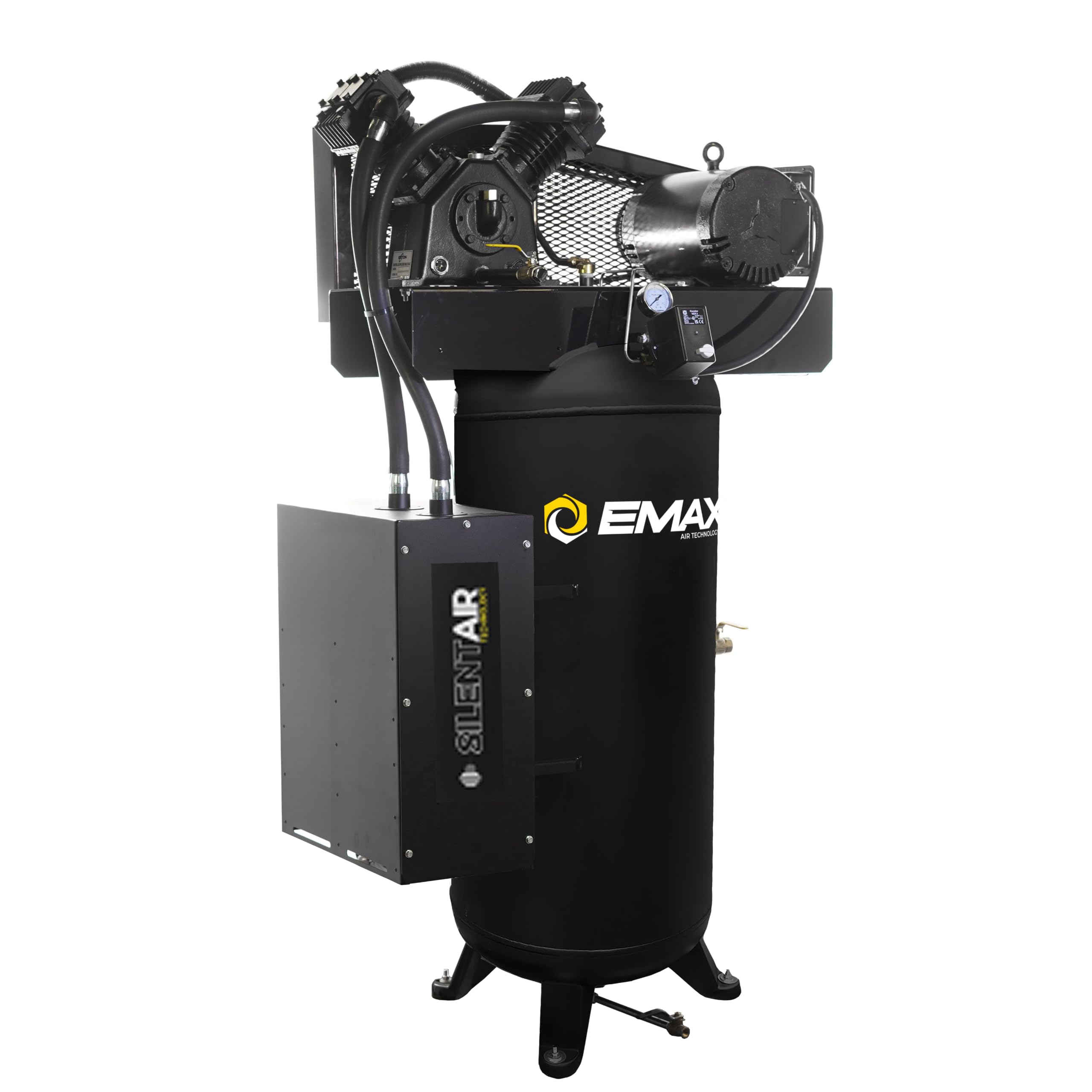
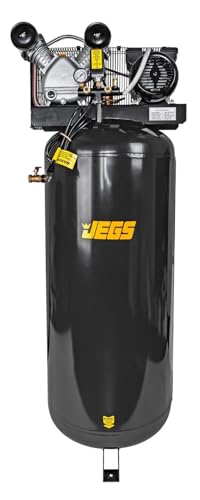
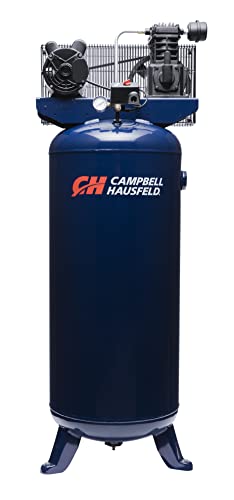
Who Should Buy Which 60 Gallon Air Compressor?
Auto Body Hobbyists Who Sand and Prime
Body work is the classic reason to buy this class. A dual action sander can demand 10 CFM or more without pause, and a 60 gallon two stage compressor is the smallest machine that feeds it honestly. You also gain stable pressure for primer guns, which lay down uneven coats when pressure sags mid panel. Choose a unit with a cast iron pump and a duty cycle rated for continuous running. Bolt it to the floor on vibration pads in a corner, run a water trap near the outlet, and your sanding sessions stop revolving around the compressor.
Small Workshops Running Several Tools
If two people share air in a small shop, or one person moves between a blast cabinet, a plasma cutter and air tools all day, the big tank smooths out overlapping demand. Peaks that would stall a portable unit become short draws on stored air. A two stage pump refilling to 175 PSI stores more usable air per cycle, so the motor starts less often across a shift. Shops should also weigh service support and parts availability, because a down compressor stops every station at once. Our best air compressor overview shows where this stationary class sits among all sizes.
Serious Home Shops Stepping Up From Portable Units
Many buyers arrive here after years with a wheeled portable that almost kept up. The step up buys three things: continuous airflow for sanders and grinders, lower noise per unit of air thanks to slow turning belt drive pumps, and a tank reserve that lets short jobs run without the motor starting at all. If your projects are heading toward painting full cars, building metal fabrication or running a small CNC plasma table, this is the natural landing size. Plan the install once, with a proper 240 volt circuit, and the machine disappears into the background of your work.
Key Features to Compare
Single Stage vs Two Stage Pumps
This is the defining choice in the class. A single stage pump compresses air once and typically tops out near 150 PSI, delivering strong flow for general shop tools. A two stage pump compresses the air twice, reaching 175 PSI, and it usually delivers more CFM at 90 PSI with better efficiency at high pressure. Two stage units cost more and reward you during long sanding and painting sessions. Cast iron cylinders and heads shed heat and wear slowly, which is why serious units pair two stage designs with cast iron construction. For a shop that runs air daily, two stage cast iron is the long life combination.
Airflow Delivery at Working Pressure
Judge these machines by delivered CFM at 90 PSI, where most land between about 10 and 18 CFM depending on pump and motor. Add up the appetite of the hungriest tool you will run, then add a margin of a quarter to a third, because ratings assume ideal conditions and filters clog over time. Painting is the sternest test at the gun: HVLP guns need volume at low pressure, so check the rating at 40 PSI as well. A compressor that cannot hold gun pressure produces orange peel finishes and wasted paint. Numbers on the box that quote flow without a pressure are marketing, not data.
Electrical Requirements: Motor and Circuit
Nearly every 60 gallon unit needs a 240 volt circuit, and motors commonly draw 15 to 22 amps while running, with a higher surge at startup. Confirm your panel has capacity and space for a two pole breaker, and budget for an electrician if the run is long or the panel is full. Wire gauge must match the breaker and distance, since voltage drop makes motors start hard and run hot. Some units ship with motors that can be wired for either of two voltages, but the full performance figures assume the higher one. Treat the electrical install as part of the purchase price, because it is.
Duty Cycle and Cooling
Stationary compressors in this class often carry duty cycles from 75 percent up to fully continuous ratings, and that figure should match your longest tool session. Belt drive layouts turn the pump slowly, which cuts wear and noise, and large flywheels double as cooling fans blowing air across the pump. An aftercooler or finned discharge line helps wring moisture out before air reaches the tank, which your tools and paint will thank you for. If you plan back to back sanding on a full car, only a continuous rated pump keeps its cool without enforced rest stops.
Tank, Drainage and Air Treatment
The vertical tank saves floor space but needs a level, anchored footing, because a full height tank of compressed air is stored energy that must stay put. Look for a tank built and stamped to ASME standards, a standard expectation at this size. Drainage matters more here than on portables, since the big tank condenses a lot of water: an automatic drain valve is a worthwhile upgrade over a manual petcock you must remember daily. Plan the air line as part of the system, with a regulator and filter at the tank and a dedicated dryer or water separator on the paint line. Clean, dry air is half of a good finish.
Planning the Installation
Placement shapes your daily experience with a machine this size. Put the compressor where air can circulate around the pump for cooling, with enough clearance to check oil and reach the drain. A corner near an outside wall shortens the electrical run and lets you pipe intake air from outside, which quiets the bark of the intake and feeds the pump cooler air. Concrete floors carry vibration into the building, so mount the tank on rubber pads and never grout the feet rigidly, because tanks need to flex slightly as pressure changes. Leave room to walk around it: you will service the belt, oil and filters for years. Home garage buyers who are unsure about the jump can compare against the wheeled options in our best air compressor for home garage guide.
Common Mistakes to Avoid
- Ordering the compressor before confirming the panel can supply a 240 volt circuit of the right size.
- Sizing by tank gallons alone, then discovering the pump delivers less CFM than a smaller but stronger unit.
- Bolting the tank feet down hard with no pads, which stresses the tank welds as pressure cycles.
- Skipping air filtration on a paint line, so water and oil mist from the tank reach the gun and spoil finishes.
- Running the unit in a sealed closet, where heat builds up and the pump cooks its own oil.
- Forgetting a startup check of the safety relief valve, the one device that protects the tank if controls fail.
Care and Maintenance for a Stationary Compressor
Stationary machines reward a simple routine. Check the oil level in the sight glass weekly during heavy use and change the oil on the pump maker schedule, because clean oil is the main defense of bearings and rings. Drain condensate daily in humid weather; an automatic drain removes the chore if your memory is human. Inspect the belt each season for cracks and tension, and clean or replace the intake filter before it starves the pump. Test the relief valve by pulling its ring briefly with the tank pressurized. Keep a log on the tank with tape and a marker, noting oil changes and filter swaps, since a machine this durable will outlast your memory of its service dates. Portability is the trade off here, and for field inflation work a best cordless air compressor fills the gap cheaply, while small indoor jobs may suit the units in our best pancake air compressor guide better.
FAQ
What can a 60 gallon air compressor run?
It runs the full range of home and light commercial air tools: impact wrenches, ratchets, drills, die grinders, dual action sanders, blast cabinets and HVLP spray guns, including several of the thirstiest tools one at a time. The reserve also lets short jobs finish on stored air with the motor silent. Plasma cutters in the common home sizes pair well with this class, provided the CFM rating at 90 PSI clears the cutter requirement with margin.
Does a 60 gallon air compressor need a 240 volt circuit?
Almost always, yes. The motors fitted to this class are sized for 240 volt service, and they draw enough current at startup that a 120 volt circuit cannot support them. Plan for a dedicated two pole breaker and wire sized for the run length. If your panel is full or far from the shop, get an electrician quote before ordering, because that install can rival the cost difference between models.
Is a two stage compressor worth the extra cost?
For painting, long sanding sessions and daily shop use, yes. Two stage pumps reach higher pressure, deliver strong flow at 90 PSI and generally last longer in cast iron form. For a shop that only runs impact tools and nailers, a good single stage unit covers the work for less money. The honest test is your longest continuous air tool session: the longer it runs, the more the two stage design pays you back.
How do you control moisture from a large compressor?
Start at the tank: drain condensate daily, because the tank is where most water collects. Add a filter and water separator at the outlet, and for painting add a dedicated dryer or desiccant stage near the gun. Sloping metal air lines slightly toward drain legs helps water collect where you can purge it instead of spraying it. Cool placement helps too, since hot discharge air holds more moisture that later condenses in the lines.
How long does a 60 gallon air compressor last?
A cast iron, belt driven unit with clean oil and regular draining commonly serves fifteen to twenty years in a home shop, and many run longer. The pump usually outlasts motors and pressure switches, which are replaceable wear items. Tank corrosion is the main life limiter, and it is controlled by the unglamorous habit of draining water. Keep up that routine and the compressor becomes one of the longest lived machines in the building.
Final Thoughts
Choosing the best 60 gallon air compressor is really choosing a pump and a power supply, with the tank as supporting cast. Confirm your circuit, size the CFM to your thirstiest tool with margin, and favor cast iron two stage designs for daily work. The product table above compares the class on those fundamentals. Install it once on pads with room to breathe, drain it faithfully, and it will supply your shop quietly for decades.


