
Best Air Compressors Under $100 (2026): What Your Money Buys
Disclosure: We may earn a commission when you buy through links on this page, at no extra cost to you. As an Amazon Associate I earn from qualifying purchases. Learn more

The best air compressor under 100 dollars is the one matched to light tasks like tires and brad nailers. This guide shows what this budget can and cannot do.
A hundred dollars does not buy a shop compressor, and pretending otherwise is how buyers end up angry at a machine that never stood a chance. What this budget does buy, if you choose well, is a genuinely useful tool for tires, sports gear, brad nailers, staplers and dust blowing, the light tasks that make up most home air use. Finding the best air compressor under 100 dollars means knowing exactly where this class shines and where it stops, before your money is spent.
This guide sorts the three kinds of machines that live at this price, matches them to the tasks they honestly handle, and explains the specs that separate a bargain from a toy. Read the limits section as carefully as the features, because at this budget the limits are the product. The comparison table below shows the classes side by side.



Who Should Buy Which Air Compressor Under $100?
Drivers Who Mainly Need Tire Inflation
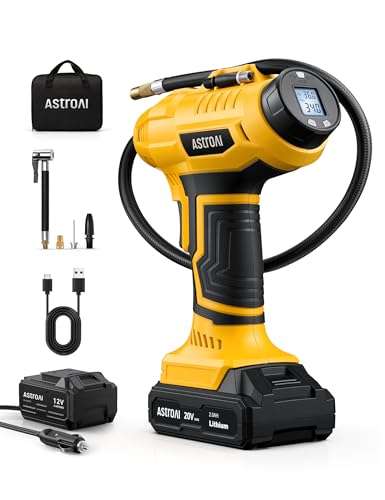
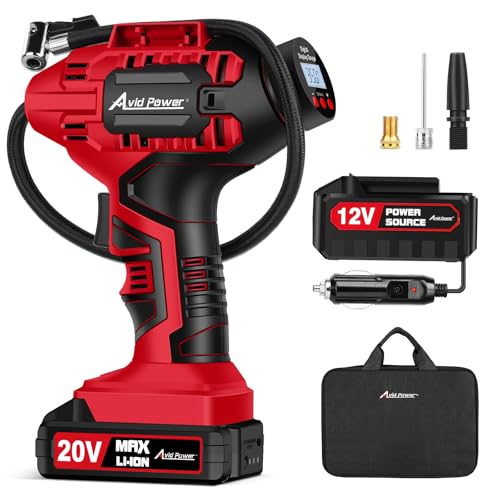
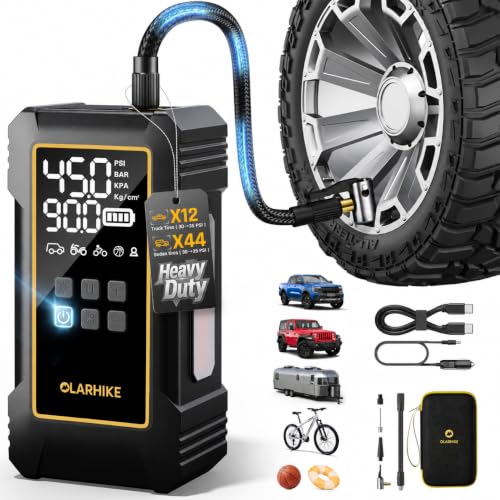
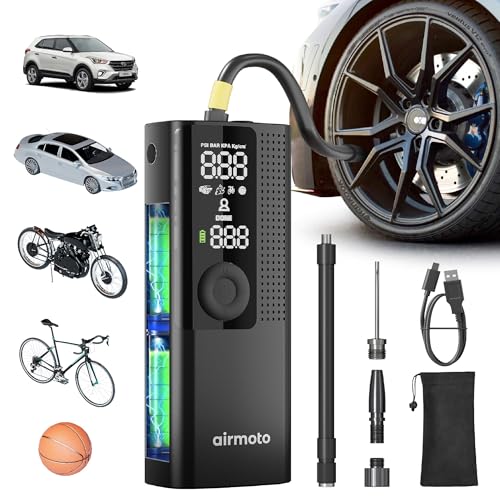
If your air use is tires, a bicycle fleet and the occasional pool toy, skip the tank entirely and buy a cordless or corded inflator. It lives in the trunk or a drawer, asks for no drainage or maintenance, and tops up tires faster than a tank machine you must drag out and plug in. Our look at the best cordless air compressor options covers this class properly. A tank compressor only earns its space in your life if nailers or blow guns join the list.
Apartment and Small Home DIYers With a Brad Nailer
The classic under $100 success story is a small tank compressor paired with an 18 gauge brad nailer for trim, picture frames, craft builds and small furniture repairs. The flat tank class was designed for exactly this, and our guide to the best pancake air compressor explains the shape in detail. Add a stapler and a blow gun and you have covered most apartment projects. Store it in a closet, drain it after use, and it will serve for years.
Homeowners Trying Out Air Tools
A budget compressor is a cheap education. One season of tires, a nailer and cleanup blowing teaches you your real air habits, and that knowledge makes your next purchase, if any, a smart one. Many buyers discover the small machine was enough all along. Those who outgrow it usually step up to the garage classes in our guide to the best air compressor for home garage, informed instead of guessing. Our overview of the best air compressor market maps the whole ladder when you are ready.
Key Features to Compare
Inflator, Hot Dog or Pancake: The Three Classes at This Price
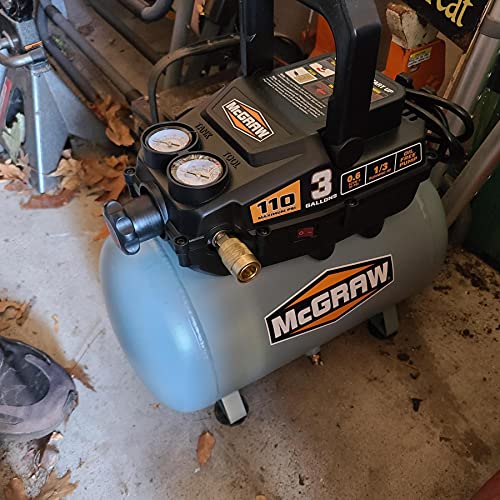
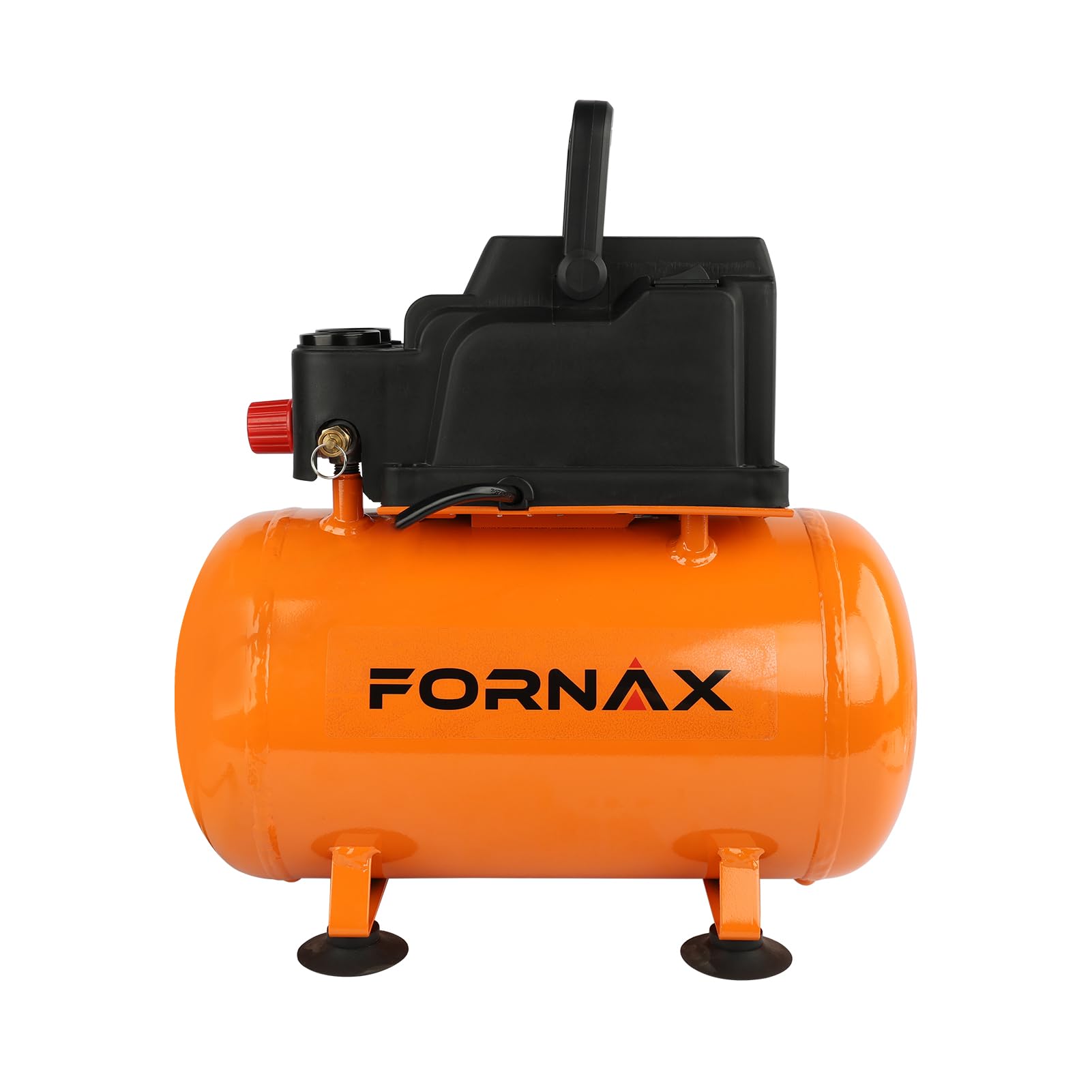
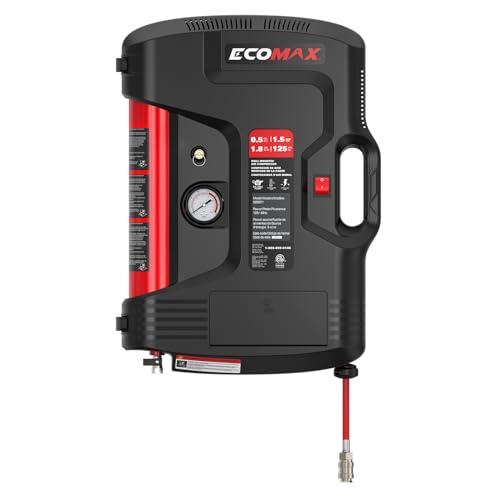
Inflators have no tank and make air on demand for tires. Small tank machines at this price come in two shapes: the compact hot dog style with a long single tank of about 1 to 3 gallons, and pancake models whose flat tank reaches toward 3 to 6 gallons on sale units. Tank machines run nailers and staplers and store a little working air; inflators do none of that but win on size and simplicity. Naming your class first prevents the commonest disappointment at this budget, which is expecting an inflator to behave like a compressor.
Airflow Reality: What the Numbers at This Price Mean
Expect modest airflow, roughly in the range of about 0.5 to 2.6 CFM at 90 PSI across this class, with tank models at the upper end and inflators far below. That is plenty for a brad nailer, which sips air per shot and lets the pump recover between boards, and nowhere near enough for tools that draw air continuously. Read the 90 PSI figure, since the 40 PSI number on the box can look twice as strong. If a listing hides the 90 PSI rating entirely, treat that silence as your answer.
Tank Size and Pump Cycling in Small Machines
Within this budget, a bigger tank is the kindest feature you can buy, because it spaces out pump cycles and smooths the pressure your nailer feels. A 3 gallon tank firing a brad nailer gives you a satisfying run of shots between cycles. A 1 gallon tank cycles constantly and still does the job, just with more noise and more wear. Remember that the tank is a buffer, not power: it cannot make a weak pump strong, it can only make a small pump feel patient.
Duty Cycle and Cool Down Discipline
Cheap pumps are built for intermittent work and they mean it. Run one continuously, for example trying to sand or grind, and the motor overheats, sometimes permanently. The discipline is simple: work in bursts, let the machine rest, and if the pump has been running for many minutes straight, stop and let it cool. Buyers who respect duty cycle get years from these machines. Buyers who treat a budget compressor like a shop unit get one hot afternoon and a lesson.
Kits, Hoses and the Hidden Costs
Many under $100 offerings are kits with a coil hose and a handful of accessories, and the kit quality varies more than the compressor does. A stiff, short coil hose that pulls the compressor across the floor will annoy you daily, so budget a few dollars for a better hose if the kit hose is poor. Accessory bundles with tire chucks and blow guns are genuinely useful; bundles padded with items you will never touch are not value. Price the machine, not the piece count printed on the carton.
What a Compressor Under $100 Cannot Do
Honesty section, and the most valuable one in this guide. Nearly every disappointment with the best air compressor under 100 dollars traces back to one of the limits in this section. This class cannot run an impact wrench beyond a few weakening bursts, cannot feed a die grinder or sander for more than seconds, and cannot spray paint with any quality because both airflow and air dryness fall short. It will struggle with a framing nailer at production pace and will not inflate large truck tires quickly, though it will get there eventually with patience.
None of that makes the class useless. It makes it specific. The buyers who love their budget compressors bought them for tires, brad nailers, staplers, dust blowing and inflatables, and stayed inside that fence. The buyers who hate them asked for shop work at a toy price. Decide which buyer you are before checkout, and if your list includes automotive tools, save longer and buy the class that can actually run them.
Common Mistakes to Avoid
- Expecting an inflator to run a nailer, then returning a working product that was never built for the job.
- Judging by the CFM at 40 PSI on the box, which flatters small machines exactly where your tools do not work.
- Running the pump continuously on a long project, overheating a motor designed for bursts.
- Skipping the tank drain because the machine was cheap, so rust ends its life before the motor wears out.
- Counting kit accessories instead of checking the compressor specs, and paying for padding you will never use.
- Buying the smallest tank to save a few dollars, then living with constant cycling on every project.
How to Make Your Budget Air Compressor Last Longer
Drain the tank after every use, without exception. Small cheap tanks rust from the inside exactly like expensive ones, and the drain habit costs you thirty seconds. Store the compressor indoors and dry, with the drain valve cracked open so the tank breathes between jobs instead of holding damp air for weeks.
Keep the intake filter clean, since a small pump straining through a clogged filter runs hotter and dies younger. Coil hoses loosely, keep them out of sun, and never yank the machine around by its hose or cord. Respect the duty cycle on long days: short rests are cheaper than a replacement. Treated this way, a budget compressor commonly gives years of light service, which at this price is a bargain fully honored.
FAQ
Can you get a good air compressor for under $100?
Yes, if good means reliable at light tasks. The small tank models from established brands inflate, staple, blow dust and run brad nailers dependably for years, and that covers most home air use. Good does not extend to automotive tools, spraying or continuous draw work at this price from any brand. Match the machine to the light task list and the answer is genuinely yes, which surprises buyers who assume the price means junk.
What tools can a compressor under $100 actually run?
Brad nailers and finish nailers at a relaxed pace, staplers, tire inflation, blow guns for cleanup, and inflatables of every kind. A small framing nailer can fire occasional shots but will keep the pump busy and is not a sensible pairing. The dividing line is whether the tool sips air in bursts or drinks it continuously. Burst tools work; drinking tools do not, and no accessory changes that physics.
Is a cordless inflator better than a small tank compressor under $100?
For tires alone, yes: it is smaller, lives where the car is and needs no draining or hose. For anything involving a nailer, stapler or blow gun, the tank compressor wins outright because an inflator cannot run those tools at all. Many households end up owning both across time, inflator in the car and small tank in the closet, which is a rational split rather than duplication.
How long do cheap air compressors last?
With drained tanks and burst style use, several years of home service is normal, and gentle owners get far more. The failures are predictable: rusted tanks from skipped draining, and motors cooked by continuous running. Both are habits, not fate. A budget compressor that dies in a year almost always died of one of those two, which is good news, because it means yours does not have to.
What is the first upgrade after a compressor under $100?
A better hose, before any tool. The stiff coil hoses in cheap kits fight you on every job, while a flexible quality hose makes the whole setup feel a class higher for very little money. After the hose, add the tool your projects actually call for, most often a brad nailer, rather than a bundle of speculative accessories. Upgrade in the order your work demands and the little machine keeps earning its shelf space.
Final Thoughts
Under $100 buys a specialist, not a shop. Pick the class that matches your real tasks, respect the duty cycle, drain the tank, and the best air compressor under 100 dollars will handle tires, trim and cleanup for years. If your ambitions are bigger, let this guide's limits section save you money twice: once by not buying the wrong machine now, and once by sizing the right one later. Compare the options in the product table above before you decide.


