
Best All Home Generators: Everything to Know Before Your First Purchase for 2026
Disclosure: We may earn a commission when you buy through links on this page, at no extra cost to you. As an Amazon Associate I earn from qualifying purchases. Learn more

Shopping for the best all home generators for the first time? Learn the terms, compare options, and avoid rookie mistakes with this easy guide.
Buying a generator for the first time feels confusing because every listing leads with big watt numbers and unfamiliar terms. This guide slows the process down, explains the language in plain English, and shows you how the best all home generators differ by type, fuel, and connection method. You will learn how to count the loads in your house before you spend anything.
Start with the outage itself. Decide which rooms, appliances, and systems truly need power, then match a machine to that list rather than to a headline number. The comparison table below gathers current options in one place, and the sections that follow explain how to read it with confidence.
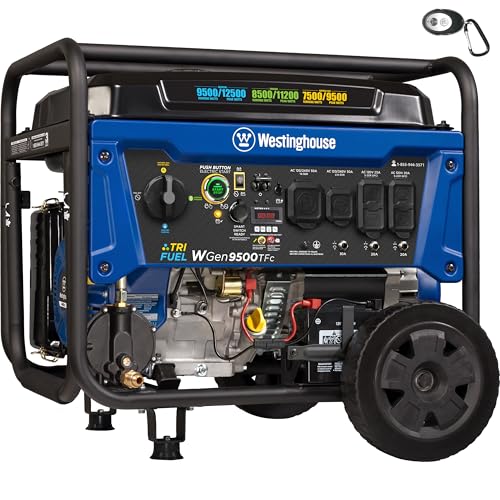


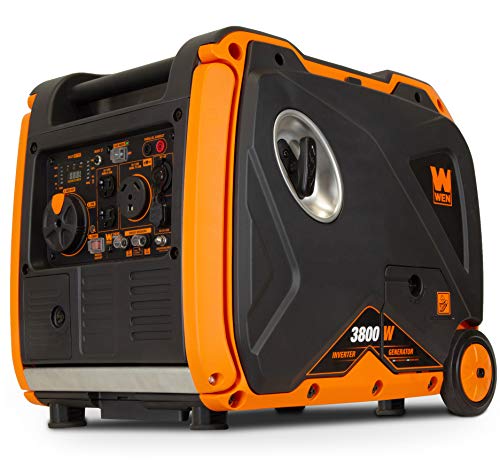
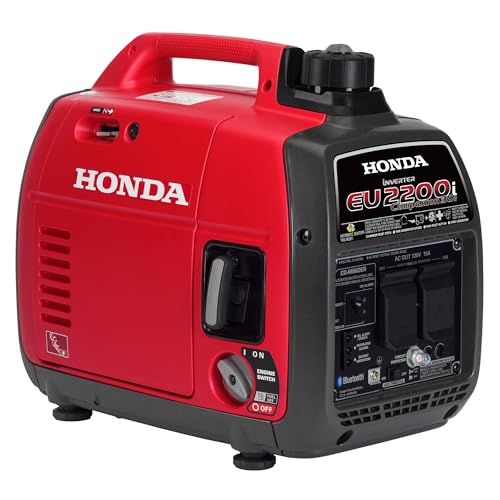
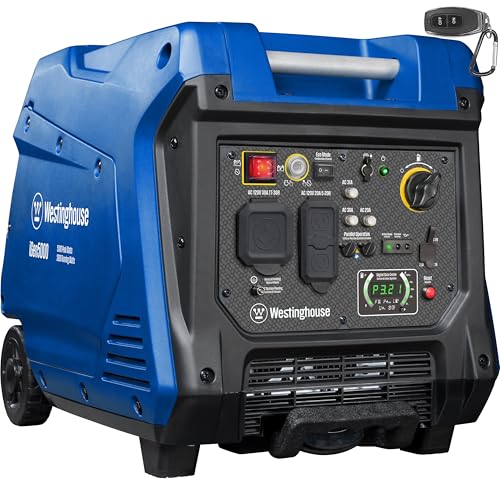


Who Should Buy Which Home Generator?
Your outage pattern, your house, and your comfort with fuel handling point to different machines. Find the group closest to your situation first, because it narrows every later choice.
Homeowners Who Only Need the Essentials Covered
If outages in your area usually last a few hours, a mid size portable or inverter model usually covers a refrigerator, lights, phone charging, a router, and a small fan or heater. You give up central air and electric cooking, and in return you get a lower price, easier storage, and simple manual setup. Readers comparing the wider field can also see our guide to the best rated generators for homes to judge build quality cues.
Families Who Want Whole House Comfort During Long Outages
If you need a well pump, a furnace blower, or central air to keep running, you are shopping in a different class. A large portable wired through a transfer switch or a permanently installed standby unit fits better, and our guide to the best home standby generators explains the automatic option in depth. Budget for professional installation, a concrete pad or mounting work, and a fuel supply that can last several days.
Households That Prefer Quiet Power Without Liquid Fuel
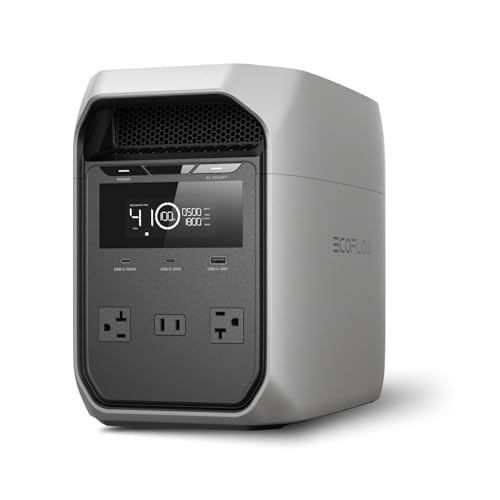
A portable power station suits readers who cannot run an engine near neighbors, who live where fuel storage is limited, or who mainly need electronics and a refrigerator kept alive overnight. Solar charging adds independence during long sunny outages, and the category is covered in our guide to the best home solar generators. Expect lower total output than an engine model, so this route rewards careful load discipline.
Key Features to Compare
Six factors decide whether a generator fits your home. Read them in this order and the watt numbers on any listing will start to make sense.
Generator Type and How Clean the Power Is
Portable models are engine driven units you wheel out and connect when the grid fails, while standby models stay installed and start on their own. Inverter models vary engine speed with demand, so they run quieter and produce cleaner power for laptops and modern appliances. Power stations store energy in a battery and deliver silent indoor safe power, but their stored energy is finite. Choose the type by outage length and noise tolerance first, then compare models inside that type.
Running Watts Versus Starting Watts
Running watts describe the steady load a generator can carry hour after hour, while starting watts describe the brief surge a motor draws when it kicks on. A refrigerator might run at about 150 watts yet surge past 1,000 watts for a second at startup, and a sump pump can surge to two or three times its running draw. Add the running watts of everything you plan to run together, then add the largest single starting surge on top. Buy with headroom above that total, because a machine run near its limit is loud and thirsty.
Total Harmonic Distortion and Sensitive Electronics
Total harmonic distortion, shortened to THD, measures how clean the electrical waveform is. Standard portable models can produce THD well above 10 percent, which is fine for tools and simple appliances but rougher on sensitive electronics. Inverter models typically hold THD under 3 percent, close to utility power, so they are the safer pick for computers, televisions, and variable speed furnace boards. If a listing hides its THD figure entirely, treat that silence as information and look for a model that publishes the number.
Fuel Choice and Runtime per Tank or Charge
Gasoline is easy to find but goes stale in storage, propane stores for years and burns cleaner, and dual fuel models let you switch between the two. Runtime claims depend on load, so compare hours quoted at half load rather than the lightest setting most brands advertise. A model that runs about 8 to 12 hours at half load gets most households through a night without a refill trip in the dark. Power station buyers should compare capacity in watt hours instead, since that figure shows how much stored energy you actually own.
Transfer Switch and Home Connection Options
A transfer switch is the safe bridge between a generator and your house wiring, since it isolates your panel from the grid and prevents power from feeding back into utility lines where crews are working. Smaller setups may only need heavy duty extension cords run to individual appliances, with no panel connection at all. Inlet boxes paired with an interlock or a dedicated switch let you power chosen circuits, including fixed items like a furnace or well pump. Any panel work belongs to a licensed electrician, and our guide to the best home backup generators covers connection planning in more detail.
Noise Level and Carbon Monoxide Protection
Noise is quoted in decibels at a set distance, often at quarter load, so a quiet rating can climb sharply when the machine works hard. Inverter models in enclosed cases are the quietest engine option, while open frame portables are the loudest and best kept far from bedroom windows. Look for an automatic CO shutoff, which stops the engine when carbon monoxide builds up near the unit. That sensor is a backup layer only, and correct outdoor placement remains the protection that matters most.
How to Size and Connect a Home Generator Safely
Walk through your home and write down each item you want powered, then find its running watts on the appliance label or in its manual. Mark every motor driven item, such as the refrigerator, freezer, sump pump, and furnace blower, because those set your starting watt needs. Total the running watts, add the single largest starting surge, then add about 20 percent spare capacity so the engine is not straining at full output for hours.
Households aiming to run nearly everything should study the best whole home generators before assuming a portable will stretch that far. Connection follows sizing. Cords work for a short list of plug in appliances, while a transfer switch serves fixed circuits safely and legally in most areas. Have an electrician confirm your panel capacity, the inlet location, and local permit rules before the first outage forces rushed decisions.
Placement is part of sizing too, since a machine that is awkward to move will be set up late. Store the generator where you can wheel it onto a flat outdoor surface quickly, keep the exhaust pointed away from the house, and run the full setup on a calm weekend. A dry run reveals short cords, missing adapters, and fuel gaps while the lights are still on.
Common Mistakes to Avoid
First time buyers tend to repeat the same handful of errors. Each one below costs money, comfort, or safety.
- Buying by starting watts alone, which leaves too little running capacity once several appliances share the load.
- Running any fuel burning generator in a garage or near open windows, which can fill the house with carbon monoxide.
- Plugging a generator into a wall outlet to feed the panel, which can send power into utility lines and endanger line crews.
- Skipping the transfer switch budget, which turns a good generator price into a much larger total project cost.
- Storing gasoline for a year without stabilizer, which leads to stale fuel and a machine that will not start.
- Choosing a unit so heavy that one person cannot move it, which delays setup when an outage arrives after dark.
How to Make Your Home Generator Last Longer
Run an engine model under a light load for about 15 to 20 minutes each month, since regular exercise keeps seals lubricated, charges the starting battery on equipped models, and proves the machine will start when it counts. Change the oil after the first break in hours listed in the manual, then follow the stated interval, and inspect the air filter and spark plug each season. Fuel discipline matters just as much, so add stabilizer to stored gasoline and rotate your cans.
Store the generator clean and dry, with the fuel valve closed, and cover it with something breathable rather than sealed plastic that traps moisture. For power stations, store the battery partly charged rather than full or empty, and top it up every few months. Keep cords, oil, filters, and the manual together in one bin near the machine, so a dark garage never turns routine care into a scavenger hunt.
FAQ
Is an inverter generator or a conventional generator better for a first time buyer?
An inverter generator is better for most first time buyers who power electronics alongside appliances. It delivers cleaner power, runs quieter at partial load, and sips fuel during long light duty stretches. A conventional model costs less per watt and suits tools or simple motor loads. One extra point to weigh is weight, since inverter models are often light enough for one person to carry to a safe outdoor spot.
How long can a home generator run without stopping?
Most portable models run about 8 to 12 hours on a tank at half load before they need fuel and a brief rest. Portable engines also need oil checks during multi day outages, and many manuals call for a check every 24 hours of running. Standby units on a natural gas line can run far longer, although they still need periodic shutdowns for oil checks during extended events.
Does a home generator need a transfer switch if I only use extension cords?
No, a transfer switch is not required when every appliance plugs directly into the generator with suitable cords. The switch becomes necessary the moment you want to power anything hardwired, such as a furnace, a well pump, or ceiling lights. Cords also bring their own limits, since a cord that is too thin for the load will overheat, so match cord gauge and length to the appliance draw.
What size generator does an average house need for essential loads?
An average house usually needs about 3,500 to 7,500 running watts to cover essential loads like refrigeration, lights, a furnace blower, and a sump pump. The spread is wide because a gas furnace blower draws far less than electric heat, and a large central air unit can exceed the whole essential budget alone. List your own appliances before trusting any average, since one electric water heater changes the answer completely.
Can a home generator run a refrigerator safely?
Yes, almost any home generator can run a refrigerator safely, because a fridge draws modest running power once its compressor is going. The catch is the startup surge, which is why you should start the refrigerator first or alone, then add other loads. Keep the fridge door closed during outages and check stored food with a thermometer after long events, discarding perishables that stayed too warm.
Final Thoughts
For a first purchase, three decisions carry the rest: the type that fits your outage pattern, the running watts your own load list demands, and a safe connection method arranged before bad weather arrives. Compare the best all home generators in the product table above against those three points, keep the safety rules nonnegotiable, and your first generator will feel like a calm appliance rather than an emergency gamble. Prices and availability can change, so check the product page before ordering.


