
Best Angle Grinders for Cutting Tile in 2026: Buying Guide
Disclosure: We may earn a commission when you buy through links on this page, at no extra cost to you. As an Amazon Associate I earn from qualifying purchases. Learn more

Choose the best angle grinder for cutting tile with this guide to diamond blades, variable speed, wet cutting, dust control, and clean, chip free cuts.
Cutting tile with the wrong grinder setup usually ends in chipped glaze, cracked corners, and a room full of fine dust. The tool itself is only half of the equation, because the blade, the speed, and how you manage water and dust matter just as much. Choosing the best angle grinder for cutting tile means matching a standard 4 1/2 inch grinder to a continuous rim diamond blade, then controlling speed and support so the tile survives the cut.
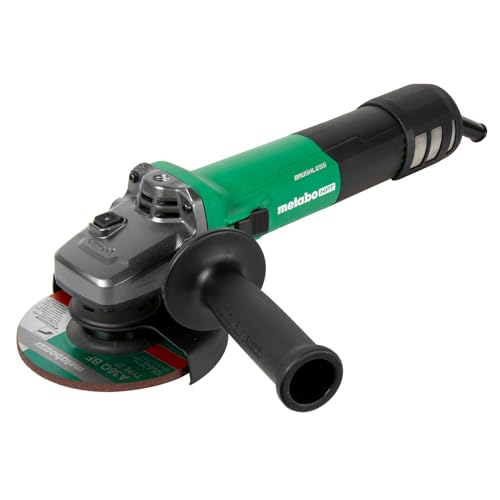
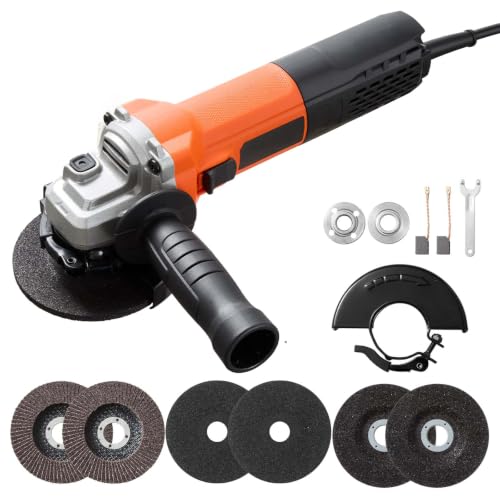
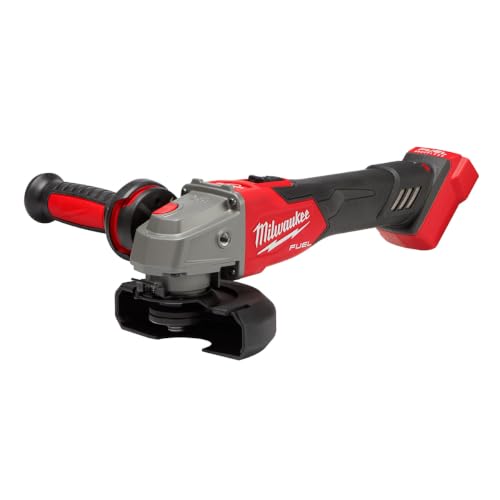
This guide walks through the features that separate clean cuts from ruined tile, the technique that matters most, and the mistakes that send people back to the tile store. The comparison table below lays out the key specs side by side, so you can see which class of grinder fits the tile work you have planned.






Who Should Buy Which Angle Grinder for Tile?
Bathroom Remodelers Cutting Porcelain Floor Tile
Porcelain is dense and unforgiving, so you need a grinder with enough power to hold speed through long rip cuts without bogging down. A corded model or a strong cordless model on a large battery suits floor work, and variable speed helps you slow down near the end of a cut where corners like to break. Pair the tool with wet cutting if your bathroom layout lets you manage the water.
Backsplash Installers Cutting Ceramic and Glass Tile
Backsplash work means short cuts, outlet notches, and delicate glazed surfaces that chip if the blade grabs. A compact, lighter grinder you can guide with one or two fingers of pressure is the better tool here. Glass tile demands the smoothest continuous rim blade you can find and slow, patient passes, since glass chips more readily than ceramic and shows every flaw against the light.
Homeowners Cutting Pavers and Natural Stone
Outdoor projects use thicker material, so cutting depth becomes the deciding factor. A 4 1/2 inch grinder handles most pavers with cuts from both sides, while a 5 or 6 inch model finishes thick stone in fewer passes. Dust matters less outdoors, but a segmented blade works better on concrete pavers than on tile, so plan on owning two blade types if your projects mix both materials. In other words, the best angle grinder for cutting tile indoors is not automatically the best one for pavers outdoors, and the blade is the part that changes.
Key Features to Compare
Wheel Size and Cutting Depth
Almost every tile job runs on a 4 1/2 inch grinder, which gives you roughly an inch of usable cutting depth with a diamond blade. That covers wall tile, floor tile, and most porcelain without trouble. Larger 5 and 6 inch grinders add depth for thick stone and pavers, but they grow heavier and harder to steer on delicate glazed work. Smaller is not a compromise here. The standard size offers the widest blade selection, the lowest blade prices, and the control you want when a cut ends two inches from a finished edge.
Diamond Blade Type
The blade decides cut quality more than the grinder does. A continuous rim diamond blade has an unbroken cutting edge, so it slices tile smoothly with minimal chipping, and it is the correct default for ceramic, porcelain, and glass. Segmented blades cut faster in concrete and masonry but their gullets hammer the edge of tile and leave chips. Turbo rim blades sit between the two, cutting quicker than continuous rim with slightly rougher edges. Buy the continuous rim first, check that its arbor matches your grinder spindle, and confirm the blade speed rating exceeds your grinder maximum speed. Even the best angle grinder for cutting tile will chip porcelain with the wrong blade, so treat the blade as part of the tool purchase, not an afterthought.
Variable Speed Control
A fixed speed grinder spins at full speed or nothing, which is fine for rough work but harsh on fragile tile. Variable speed models let you start a cut slowly, creep up to corners, and reduce heat on glass and thin porcelain. Slowing down near the exit of a cut is the single easiest way to prevent the corner blowouts that ruin otherwise good work. If tile is your main use, our guide to the best variable speed angle grinder explains the dial ranges and switch layouts worth comparing before you buy.
Corded or Cordless Power
Corded grinders deliver steady power for long floor sessions and never pause for a battery swap, which is why many tile setters still prefer them. A guide to the best corded angle grinder covers the amp ratings and cord lengths that matter in a work area full of water and extension leads. Cordless models remove the trip hazard and work well for backsplash jobs with many short cuts, but tile cutting drains batteries faster than grinding does, so budget for a second pack if you go that route.
Dust Control and Wet Cutting Options
Dry cutting tile throws up silica dust, which you must not breathe, so dust control is a health feature, not a convenience. Some grinders accept cutting shrouds that connect to a shop vacuum and capture most dust at the blade. Wet cutting goes further by suppressing dust almost completely and cooling the blade, and it produces the cleanest edges on porcelain. Look for models that accept water feed attachments, and always plug wet setups into a GFCI outlet. If you compare overall classes before narrowing down, the hub guide to the best angle grinder outlines which designs support shrouds and water kits.
How to Cut Tile With an Angle Grinder
Mark your line on the face of the tile, then score the glaze with a light first pass before cutting deeper in two or three passes. Support the tile fully on a flat surface with the cut line over a gap, because a tile that flexes under the blade will snap. Keep the guard on and the blade spinning at full chosen speed before it touches the tile.
For outlet holes and L shaped notches, plunge cut each side of the shape from the face, then finish the corners with short overlapping passes. Curves are possible by nibbling with the edge of the blade, working in small bites instead of forcing one deep arc. If you also cut steel with the same tool, swap to a proper abrasive disc and read our guide to the best angle grinder for metal for the different guard and disc rules that apply there.
Wet cutting gives the best finish: feed water to both sides of the blade, cut slowly, and let the diamond do the work. Dry cutting works for a few pieces, but wear a fitted respirator and eye protection, and cut outdoors or with vacuum extraction whenever you can.
Common Mistakes to Avoid
- Using a segmented masonry blade on glazed tile, which hammers the edge and leaves chips you cannot hide under grout.
- Removing the guard to see the line better, which exposes your hands to the blade and to flying fragments if the disc breaks.
- Forcing the grinder through the cut, which overheats the blade, warps thin tile, and causes the exit corner to blow out.
- Cutting dry indoors without a respirator, which fills the room with silica dust that settles on every surface and harms your lungs.
- Resting tile on an uneven surface, so the piece flexes mid cut and snaps along a line you did not choose.
- Running a blade rated below the grinder speed, which risks the blade coming apart at full revolutions.
How to Make Your Angle Grinder Last Longer
Blow dust out of the motor vents after every tile session, because tile and grout dust is abrasive and coats the windings and switch. A soft brush and low pressure air work well. Rinse water feed lines after wet cutting so mineral deposits do not clog the nozzles, and dry the tool before storage.
Inspect diamond blades before each use: a blade that wobbles, has a cracked core, or has lost segments should be retired at once. Store blades flat and dry, keep the grinder in a case away from site dust, and on corded models check the brushes when power starts to fade, since worn brushes are a cheap fix that prevents motor damage.
FAQ
What size angle grinder is best for cutting tile?
A 4 1/2 inch grinder is the best size for nearly all tile work, since it matches the most common diamond blade size and stays light enough for controlled cuts. Step up to a 5 inch model only if you regularly cut thick stone or pavers that exceed the smaller blade depth. Compact size also means cheaper blades, which matters when a project needs separate blades for porcelain and natural stone.
Should you cut tile wet or dry with an angle grinder?
Wet cutting produces cleaner edges and almost no airborne dust, so choose it whenever the work area allows water. Dry cutting is acceptable for a handful of cuts with a respirator and vacuum extraction. One point many guides skip: if you wet cut, dry the tile completely before thinset, because a soaked tile body can weaken the bond on some installations.
What blade do you need to cut porcelain tile with an angle grinder?
You need a continuous rim diamond blade rated for porcelain, since porcelain is harder than ceramic and chips under segmented blades. Check the arbor before ordering: many tile blades have a 7/8 inch arbor hole and include a reducer ring to fit 5/8 inch spindles. A blade marketed for glass and porcelain with a finer diamond grit leaves the smoothest edge on polished material.
Can an angle grinder cut curves and outlet holes in tile?
Yes, an angle grinder handles curves and outlet cutouts better than most wet saws. Plunge cut the straight sides, then nibble curves with the blade edge in shallow passes. For round holes, score a circle from the back of the tile and work outward in small bites, or drill the corners with a diamond hole saw first and connect them with straight cuts to reduce the risk of cracks.
Why does tile chip when you cut it with an angle grinder?
Chipping usually comes from vibration, heat, or a blade that is wrong for the material. A worn continuous rim blade with exposed core metal will chip even porcelain, so replace blades that start leaving rough edges. Supporting the tile fully and slowing down for the last inch of the cut removes most vibration, and wet cutting removes the heat, so combining all three fixes nearly every chipping problem.
Final Thoughts
Tile rewards patience more than power. Match a 4 1/2 inch grinder to a continuous rim diamond blade, control your speed, manage the dust, and the best angle grinder for cutting tile is simply the one you can guide steadily through the last inch of every cut. Compare the classes in the product table above against your material list, and you will pick the right setup the first time.


