
Best Angle Grinders for Rust Removal in 2026: A Buying Guide
Disclosure: We may earn a commission when you buy through links on this page, at no extra cost to you. As an Amazon Associate I earn from qualifying purchases. Learn more

Choose the best angle grinder for rust removal by matching speed control and wire or abrasive accessories to car, trailer and equipment restoration.
Rust removal is surface work, and surface work rewards control more than brute power. The best angle grinder for rust removal is the one that spins wire wheels and stripping discs at safe, adjustable speeds without overheating thin metal or tearing through your budget on accessories. This guide covers the grinder traits that matter for this job and the accessory system that does the actual rust removal.
Below you will find the restorer groups who do this work, the features that separate a good rust removal setup from a frustrating one, and a section on matching accessories to rust severity. The comparison table below summarizes the grinder classes, and the FAQ covers technique, lifespan and cleaning. Prices are approximate, and for this job your accessory budget matters nearly as much as the tool budget.
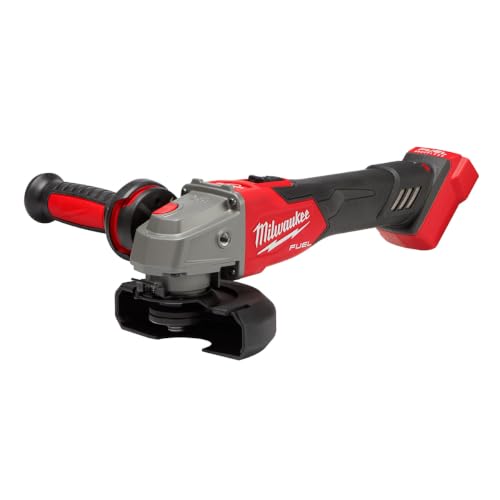


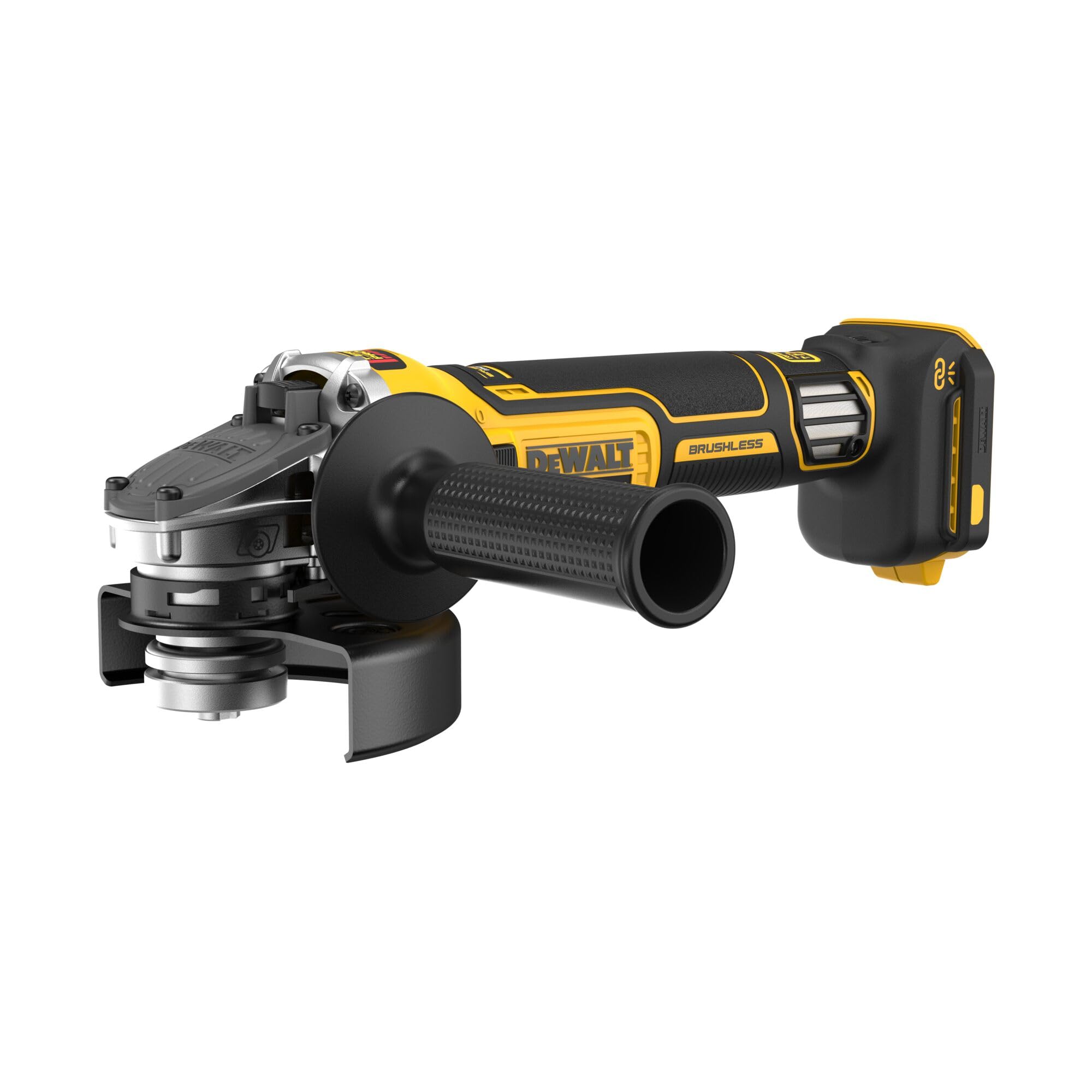


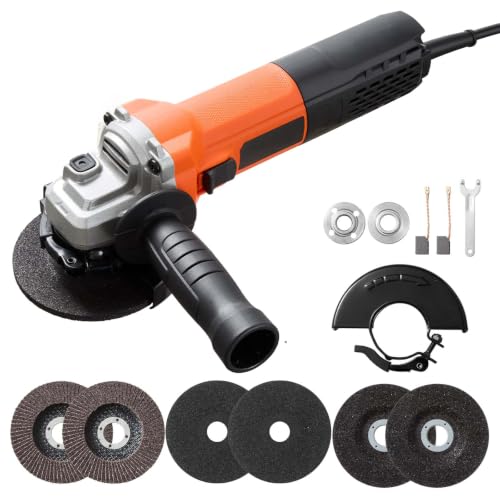

Who Should Buy Which Angle Grinder for Rust Removal?
Car and Truck Restoration Hobbyists
Body panels punish the wrong setup: too much speed or the wrong wheel heats thin sheet metal, warps it, or grinds through sound metal around the rust. You want variable speed above almost everything, plus a slim 4 1/2 inch body that follows panel curves. Corded power suits garage work, since a full floor pan or frame can take hours of stripping. Plan to work panel by panel and prime bare metal the same day, because freshly stripped steel flash rusts overnight in humid air.
Farm, Trailer and Equipment Owners
Trailers, gates, tractor implements and outdoor equipment carry thick rust on thick steel, where speed matters more than delicacy. A stronger grinder around 11 amps with a wire cup brush clears scale and loose paint from frames and hitches efficiently. Cordless earns a place here for equipment parked far from outlets, though a corded tool at the barn still finishes big jobs faster. Your accessory of choice is the knotted wire wheel, which hits heavy rust harder than crimped wire while lasting longer on rough surfaces.
Furniture and Metalwork Restorers
Cast iron skillets aside, metal furniture, railings and garden pieces need a gentler touch that preserves detail and edges. A compact grinder with speed control and surface conditioning discs removes rust and old paint while leaving the underlying profile intact. You will swap accessories often on a single piece, so a tool free guard and quick spindle lock save real time across a project. Finish matters here, because these pieces get clear coat or paint that shows every gouge the grinder leaves behind.
Key Features to Compare
Variable Speed for Wire Wheel Safety
Speed control is the headline feature for this job. Wire wheels and cup brushes carry maximum speed ratings, and spinning a wire wheel faster than its rating sheds wires dangerously and wears the wheel out in minutes. Surface conditioning discs also work best at moderate speeds, where they strip without gouging. A grinder with a dial that holds speeds in the roughly 2,800 to 11,000 RPM range covers delicate and aggressive work with one tool. This is why our best variable speed angle grinder class overlaps so strongly with rust removal needs.
Power Source and Runtime for Large Surfaces
Stripping is continuous work, and continuous work is where cordless grinders drain packs fastest. A car body, trailer frame or set of steel doors can take several hours of wheel time, which favors a corded tool at about 7 to 11 amps. Cordless makes sense for spot repairs, field equipment and small pieces. If you go cordless, budget for at least two large batteries and a fast charger. The best corded angle grinder class is the stamina benchmark for this kind of session work.
Accessory Fit: Wire, Flap and Surface Conditioning
The grinder must accept the standard 7/8 inch arbor accessories in 4 1/2 inch size, which covers crimped and knotted wire wheels, wire cup brushes, flap discs and non woven surface conditioning discs. Each attacks rust differently: wire removes rust from pits without removing much sound metal, flap discs level and blend but can cut into the surface, and conditioning discs strip paint and light rust with the least damage. A spindle lock that works with one hand free speeds swaps between these. Keep at least one of each type on hand, since rust severity changes across a single panel.
Body Size and Control on Curved Surfaces
Rust lives on curves: fenders, pipes, railings and frames. A slim barrel body in the 4 1/2 inch class follows those curves with your wrist instead of your whole arm, which keeps the wheel flat and prevents edge digging. Heavy 6 inch tools tire you out and bridge across curves, touching only at two points. Weight around 4 to 5 pounds is the sweet spot for hours of surface work. A side handle you can move between positions helps on vertical surfaces like trailer sides and gate frames.
Heat Management on Thin Metal
Grinding rust off thin sheet builds heat fast, and heat warps panels and blues the metal, weakening it and telegraphing through paint later. Lower speeds, light pressure and constant motion are the technique side; the tool side is a motor that does not need full throttle to work and an accessory that strips without friction grinding. Surface conditioning discs run cooler than flap discs, which is one reason restorers favor them on bodywork. If a panel is too hot to hold your hand on, stop and let it cool rather than pushing through.
Matching the Accessory to the Rust
Light surface rust and failing paint come off with surface conditioning discs, which leave the best finish for primer. Moderate rust with pitting responds to crimped wire wheels, which reach into pits without leveling the surface. Heavy scale and thick flaking rust need knotted wire or a flap disc first pass, followed by conditioning discs to prepare for coating. Whatever you strip, plan the coating step before you start, because bare steel begins oxidizing immediately. For broader comparisons of grinder types beyond this job, see the best angle grinder overview and the best angle grinder for metal guide.
Common Mistakes to Avoid
- Running a wire wheel above its rated speed, so wires shed toward your face and body.
- Stripping a whole car side to bare metal, then leaving it unprimed for a week while flash rust blooms.
- Using a flap disc on thin body panels, which thins and waves the metal around every rust spot.
- Skipping the respirator because rust dust looks harmless, when it also carries old paint and coating particles.
- Grinding near glass or chrome without masking, since sparks and wire fragments pit both permanently.
- Pressing the wheel hard to go faster, which overheats the surface and glazes the accessory instead of cutting.
How to Make Your Angle Grinder Last Longer
Rust dust is abrasive and slightly corrosive, so blow out the vents after every stripping session and wipe the housing before storage. Store wire wheels dry and flat, since damp storage rusts the wires themselves and weakens them at speed. Retire wire wheels when they lose wires steadily or feel unbalanced, because a disintegrating wheel is both ineffective and unsafe. Keep the spindle and flange faces clean so discs seat flat after gritty work. If the tool sits between projects, a closed case keeps shop humidity off the motor and switch contacts.
FAQ
What is the best angle grinder for rust removal?
The best setup pairs a 4 1/2 inch grinder with variable speed, around 7 to 11 amps if corded, with a starter accessory set of wire wheels and surface conditioning discs. Car restorers should weight speed control most heavily, while equipment owners can trade some delicacy for power. Use the product table above to compare classes, and reserve part of your budget for accessories and a respirator. The tool is only half this purchase; the wheels decide your results.
What should I look for in an angle grinder for rust removal?
Look first for true variable speed with a low end near or below about 3,000 RPM, because wire accessories and conditioning discs both work best and safest below full speed. Next, confirm standard 4 1/2 inch accessory fit, a one handed spindle lock for fast swaps, and a body slim enough to follow curves. Finally, match power source to surface size: corded for bodies and frames, cordless for spot work. Skip headline amp numbers beyond the mid range, since excess power adds nothing to surface work.
How long does an angle grinder last in restoration use?
A mid range grinder used for weekend restoration typically lasts many years, because stripping loads are moderate compared with heavy grinding. The wear items are brushes on corded models, bearings exposed to rust dust, and switches. Cleaning dust out after sessions is the habit that most extends life in this dirty application. Accessories, by contrast, are consumables: expect wire wheels and conditioning discs to wear out across a single large project, and budget for them as supplies rather than equipment.
Is an angle grinder worth it for rust removal?
Yes, for anything beyond small spots. Hand sanding a trailer frame or car floor takes days, while a grinder with the right wheels finishes in hours with a better surface for coating. The worth depends on using the correct accessory, since a grinding wheel alone makes rust removal slow and damaging. Chemical rust removers still win for small, delicate or intricately shaped parts that a wheel cannot reach. Many restorers own both approaches and pick per part.
How do you clean an angle grinder after rust work?
Disconnect power, remove the accessory, and blow rust dust from the vents, guard and spindle area with dry air, ideally outdoors and wearing your respirator. Wipe the housing with a dry cloth, and check the flange faces for embedded grit before the next disc goes on. Rust dust left inside a stored tool attracts moisture, so a thorough clean matters more after this job than after cutting. Finish by inspecting the cord or battery contacts for the fine dust that causes intermittent power.
Final Thoughts
For rust, buy control first: variable speed, a slim body and an accessory set matched to your rust severity. Confirm the classes in the product table above against your projects, protect your lungs and eyes, and prime what you strip the same day. Set up that way, the best angle grinder for rust removal turns the worst looking steel into a surface paint can hold onto. Prices and availability can change, so check the product page before ordering.


