
Best Bidirectional OBD2 Scanners in 2026: A Buying Guide
Disclosure: We may earn a commission when you buy through links on this page, at no extra cost to you. As an Amazon Associate I earn from qualifying purchases. Learn more

Understand active tests, system coverage and update costs so you can choose the best bidirectional OBD2 scanner for serious home or shop diagnostics.
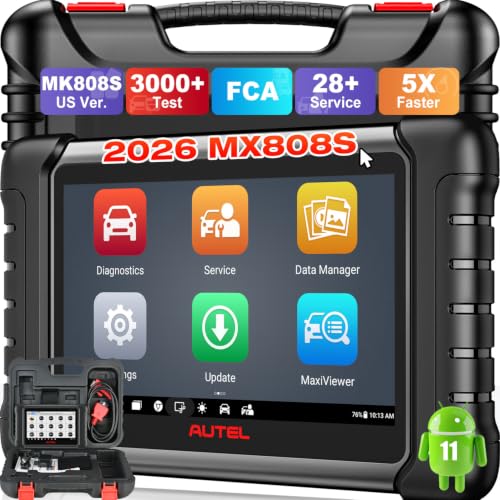
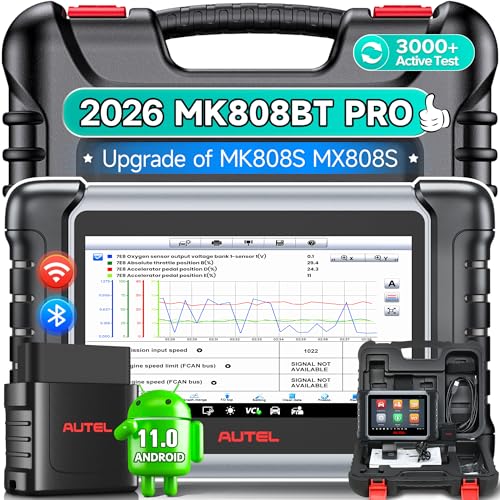
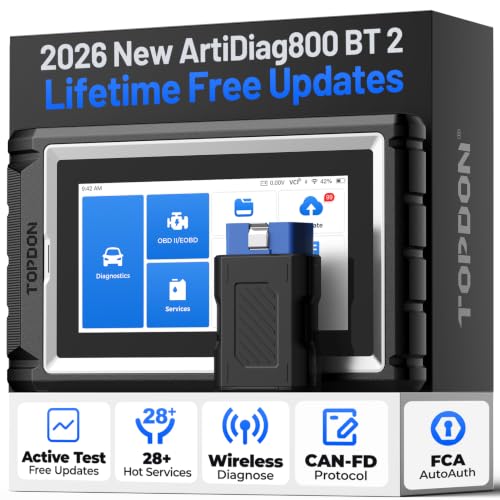
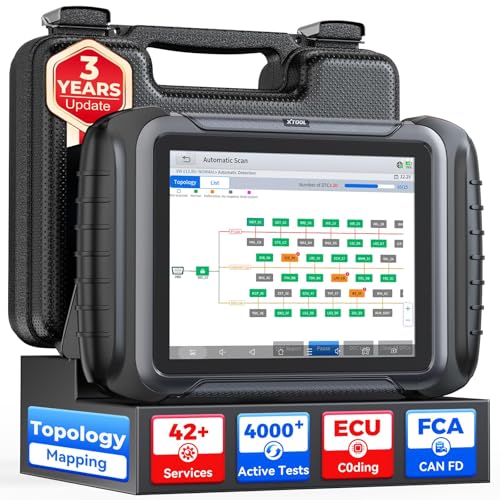
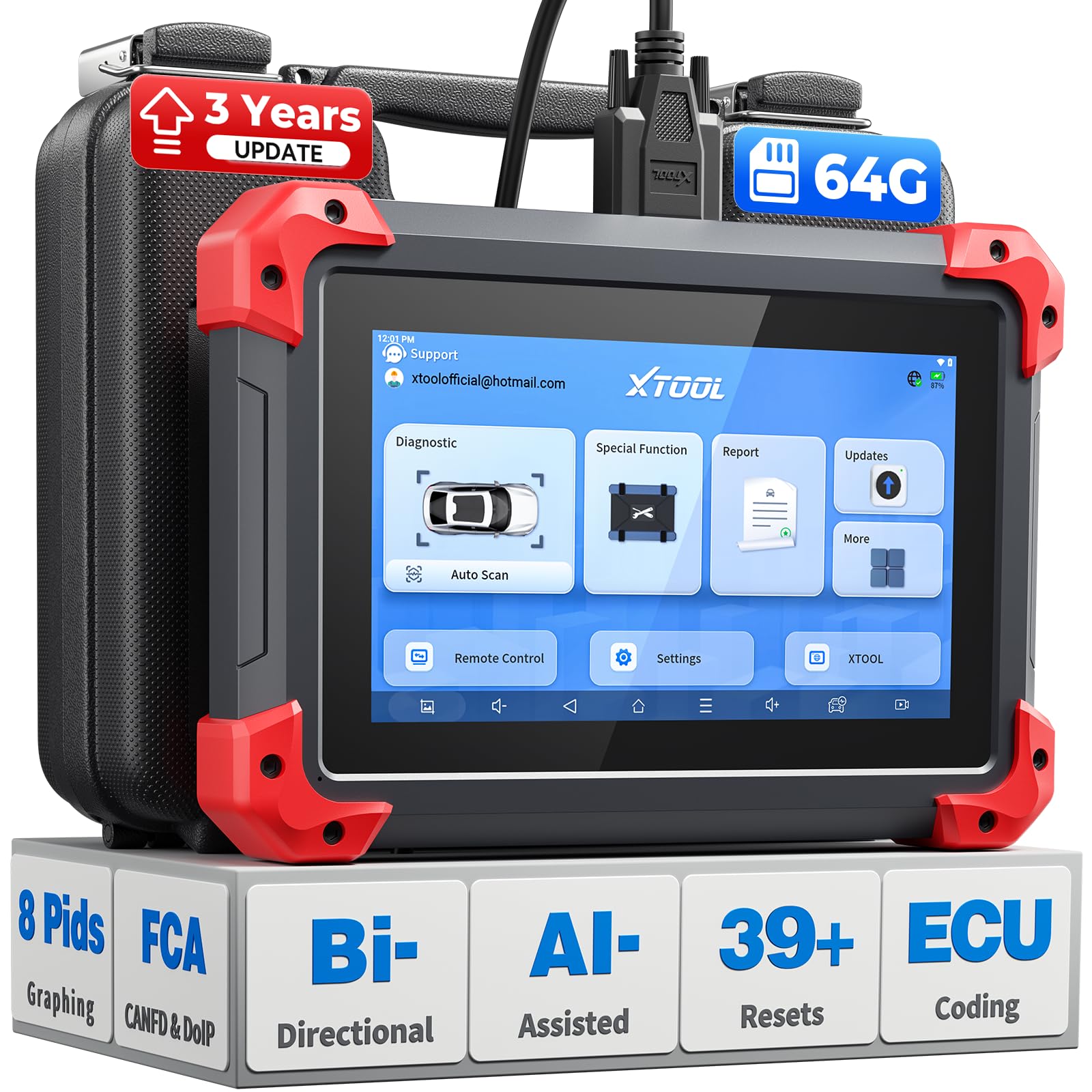
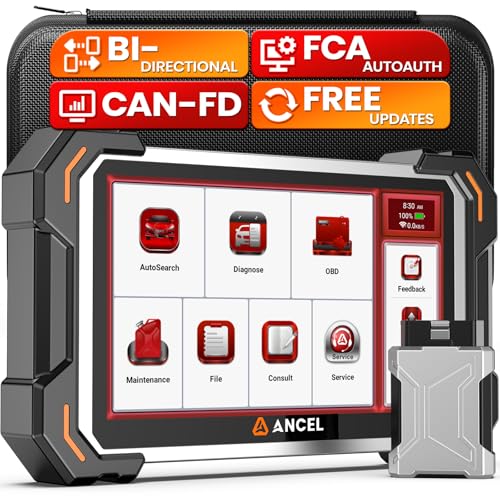
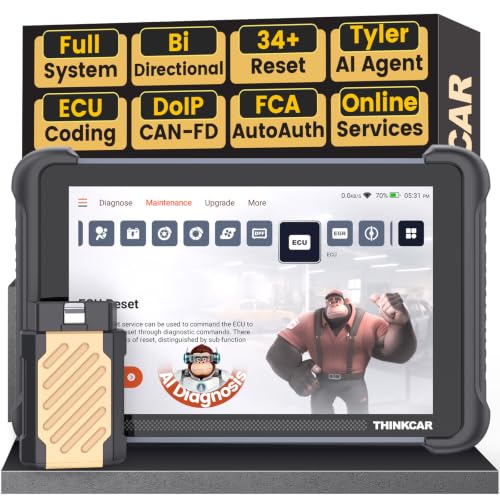
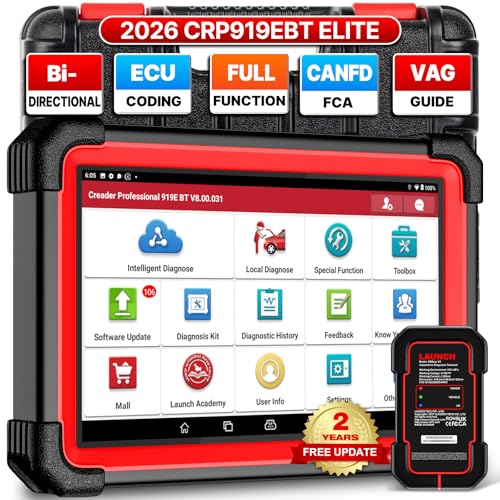
A basic code reader tells you what the car already knows; a bidirectional scanner lets you talk back. Choosing the best bidirectional OBD2 scanner means finding a tool that can command components during testing, like cycling an ABS pump, retracting an electric parking brake, or running an EVAP leak test, instead of only reading fault codes. That two way control is what separates a diagnostic tool from a code guesser.
The product table covers the main classes, from Bluetooth adapters with advanced apps to full tablet scan tools. This guide explains which active tests matter, how system coverage differs, and what update subscriptions really cost over the years you will own the tool.

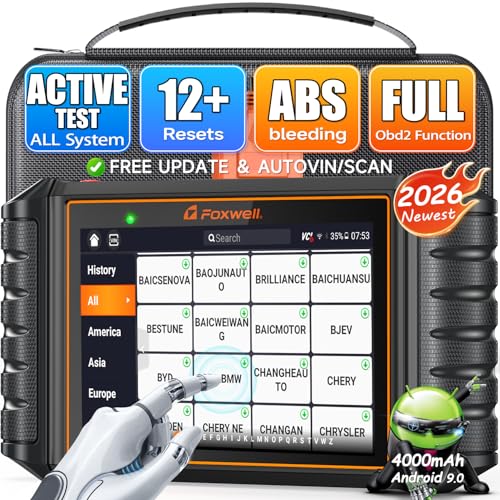
Who Should Buy Which Bidirectional OBD2 Scanner?
Advanced DIY Owners Who Fix Their Own Cars
If you already handle brakes, sensors, and electrical faults at home, a mid range bidirectional tool pays for itself the first time it runs an ABS bleed or a throttle relearn that would otherwise mean a shop visit. Start with the general best OBD2 scanner category to see the baseline, then step up to active test coverage for your specific makes. Prioritize the brands in your driveway over long feature lists for cars you will never scan.
Mobile Mechanics and Small Shop Technicians
Working techs need all system coverage, fast boot times, and bidirectional tests that reach body and chassis modules, not just the engine. A dedicated tablet with a wired or robust wireless link suits daily use. Our best professional OBD2 scanner guide covers the shop grade end of the range, including the support and durability differences that matter when the tool earns money.
Owners of One Brand Who Want Deep Access
Some scanners specialize by make, reaching manufacturer specific functions that generic tools skip, such as battery registration or service resets on European cars. If your household runs one brand, a focused tool can outperform a broad one for less money. Drivers of German cars, for example, should look at the coverage detailed in the best OBD2 scanner for BMW guide before buying a generalist tool.
Key Features to Compare
Active Tests and Bidirectional Control
Bidirectional control means the scanner commands a component on and off while you watch or listen for the response: fuel pump, cooling fans, windows, door locks, solenoids, and more. This turns guessing into testing, because a fan that runs on command clears the motor and points you at the control side. Coverage varies wildly by make and year, so check the maker coverage chart for your exact vehicle before buying, not after.
System Coverage Beyond the Engine
Cheap tools read engine and emissions codes only. Bidirectional tools should reach ABS, airbag, transmission, body, and steering modules as a starting point. A fault in the electric parking brake or the climate system is invisible to an engine only reader. When comparing, look for the phrase all system diagnostics and verify the module list for your car, because some tools cover all systems on one brand and only the engine on another.
Special Functions and Service Resets
Service functions handle the jobs modern cars demand after routine work: oil and inspection resets, electronic parking brake retraction for rear pads, steering angle calibration, battery registration, DPF regeneration on diesels, and key related functions on some makes. Count the functions you will actually use, since a long menu for systems your car does not have adds no value. These resets are also where bidirectional tools most clearly earn their price for home users.
Live Data, Graphing, and Recording
Good live data shows several parameters at once with graphing, so you can watch a sensor sweep as you wiggle a harness or blip the throttle. Recording and playback help catch intermittent faults that never appear in the bay. Fast refresh rates matter on modern networks, where a slow tool smooths over the very glitch you are hunting. A clear, readable screen in bright light is worth more than a huge parameter count you cannot follow.
Connection Type and Platform
Tablet tools run their own software and work the moment they boot. Phone based tools pair a Bluetooth adapter with an app, costing less and updating through the store, and our best Bluetooth OBD2 scanner guide covers that format in depth. The trade is dependence on your phone and app subscriptions. Wired tools never drop a connection mid flash or test, which some technicians still prefer for long sessions.
Update Policy and Total Cost of Ownership
Many bidirectional tools include one or more years of updates, then charge a yearly fee that can rival the tool price over time. Others include lifetime updates but narrower coverage. Work out the three year cost before comparing sticker prices, because a cheaper tool with pricey renewals often loses. Updates also add coverage for newer models, so an owner who keeps cars a long time should weigh the update policy heavily.
Safety Rules for Running Active Tests
Bidirectional commands move real parts, so set the parking brake, chock the wheels, and keep hands clear before running fan, pump, or starter related tests. Never command fuel system components with an open line or a fuel smell in the bay. Some tests, like ABS pump runs, draw heavy current, so connect a battery maintainer during long sessions to keep voltage steady and modules happy. If a test behaves unexpectedly, stop it and back out rather than repeating the command, and never run actuator tests with the vehicle in gear or supported only by a jack.
Common Mistakes to Avoid
- Buying by the advertised function count, then finding none of the advanced tests work on your make and year.
- Clearing codes before recording freeze frame data, erasing the exact clue that would have found the fault.
- Letting the car battery sag during long key on testing, which creates false communication codes in other modules.
- Skipping the coverage chart check and assuming bidirectional means every test on every car.
- Ignoring the renewal fee, so the tool loses coverage a year later when the budget is spent.
How to Make Your Bidirectional Scanner Last Longer
Keep the software and firmware updated while your plan is active, because updates also fix bugs that can mimic tool faults. Store the tool and its cable in the case, since the OBD connector pins and the cable strain relief are the most common physical failures. Wipe the screen with a soft cloth and avoid leaving a tablet tool in a hot car, which ages the battery fast. Coil the cable loosely rather than wrapping it tight around the unit, and register the product so warranty and update records stay tied to your account.
FAQ
What does bidirectional control actually mean on a scanner?
It means the scanner sends commands to the car as well as receiving data, so you can switch components on and off from the tool. Examples include cycling the ABS pump during a brake bleed, opening an EGR valve, or running a cooling fan. This two way testing confirms whether the part, its wiring, or its controller is at fault, which a read only tool cannot separate.
Will a bidirectional scanner work on every car?
No tool covers every function on every make and year. Basic code reading is universal on OBD2 vehicles, but active tests and special functions depend on maker support that varies by model. Always check the manufacturer coverage list for your exact year and model before buying. European and newer vehicles often need stronger coverage than older domestic ones for the same functions.
Can a bidirectional scanner damage my car?
Used carelessly, a command can run a pump dry, move a component you are touching, or drain the battery during a long session. Following the on screen prompts, keeping the area clear, and using a battery maintainer removes most risk. The tools themselves include safeguards for sensitive procedures on many makes. Treat active tests like any shop equipment: powerful, safe with attention, and unforgiving of shortcuts.
Do I need a subscription for a bidirectional scanner to keep working?
The tool keeps working with the software it has, but updates stop when the plan lapses, which freezes coverage at that point. On cars you already own, an expired tool still performs its existing functions. The subscription matters when you buy a newer vehicle or need a function added later. Some brands include lifetime updates, so read the policy as part of the price comparison.
Is a phone based bidirectional tool as good as a tablet?
For many home users, yes, because the adapter and app deliver the same commands at a lower entry price. Tablets win on screen size, durability, and having no phone interruptions during a test. The real difference is coverage depth and update terms, which vary by brand more than by format. Choose the platform you will actually carry to the car every time.
Final Thoughts
Use the product table to compare active test coverage and update terms for the makes in your driveway, not just the longest feature list. The best bidirectional OBD2 scanner for you is the one whose commands actually work on your cars and whose renewal cost still makes sense three years from now. Coverage for your vehicle beats coverage for every vehicle.


