
Best Booster Pumps for Water Pressure: Matching the Right Model to Your Routine
Disclosure: We may earn a commission when you buy through links on this page, at no extra cost to you. As an Amazon Associate I earn from qualifying purchases. Learn more

Whole house, well and single fixture booster pumps compared, with sizing and install tips.
Weak showers, a dishwasher that takes forever to fill and sprinklers that barely reach the lawn usually point to low water pressure. A booster pump adds pressure after the water enters your home or from a tank or well, so every tap runs stronger. The best booster pumps for water pressure are sized for your household's flow, start and stop automatically, run quietly and include protection against dry running and overheating.
This guide matches booster pump types to different needs, explains the features worth comparing and lists the mistakes that lead to noisy, short lived pumps. Before buying, check local plumbing rules: some water utilities require backflow prevention or restrict pumps on municipal lines, and installation is best done by a licensed plumber.



Who Should Buy Which Booster Pumps?
For Whole House Pressure
If every faucet and shower is weak, you need a whole house pump with variable speed control that holds a constant pressure. The Aquastrong Smart 45 lists automatic variable speed, up to 80 PSI, a stainless steel impeller rated for water up to 175°F, about 55 dB(A) in typical use and protections for supply failure and dry running. Premium options like the Davey BT20-30 with its Torrium II controller suit homeowners who want a long established pump brand.
For Value Seekers and Single Fixtures
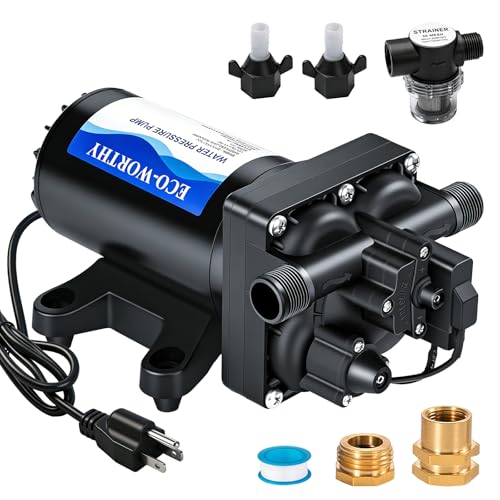
For one bathroom, a garden hose or an RV, compact diaphragm pumps cost far less. The ECO-WORTHY lists 5.5 GPM at a 70 PSI pressure switch, self priming up to 9.8 vertical feet and thermal overload protection. The Tdrsuper lists 5.0 GPM, automatic start and stop with the tap and a 50 mesh filter in the box. These are not designed to supply a whole house.
For Wells, Tanks and Gardens
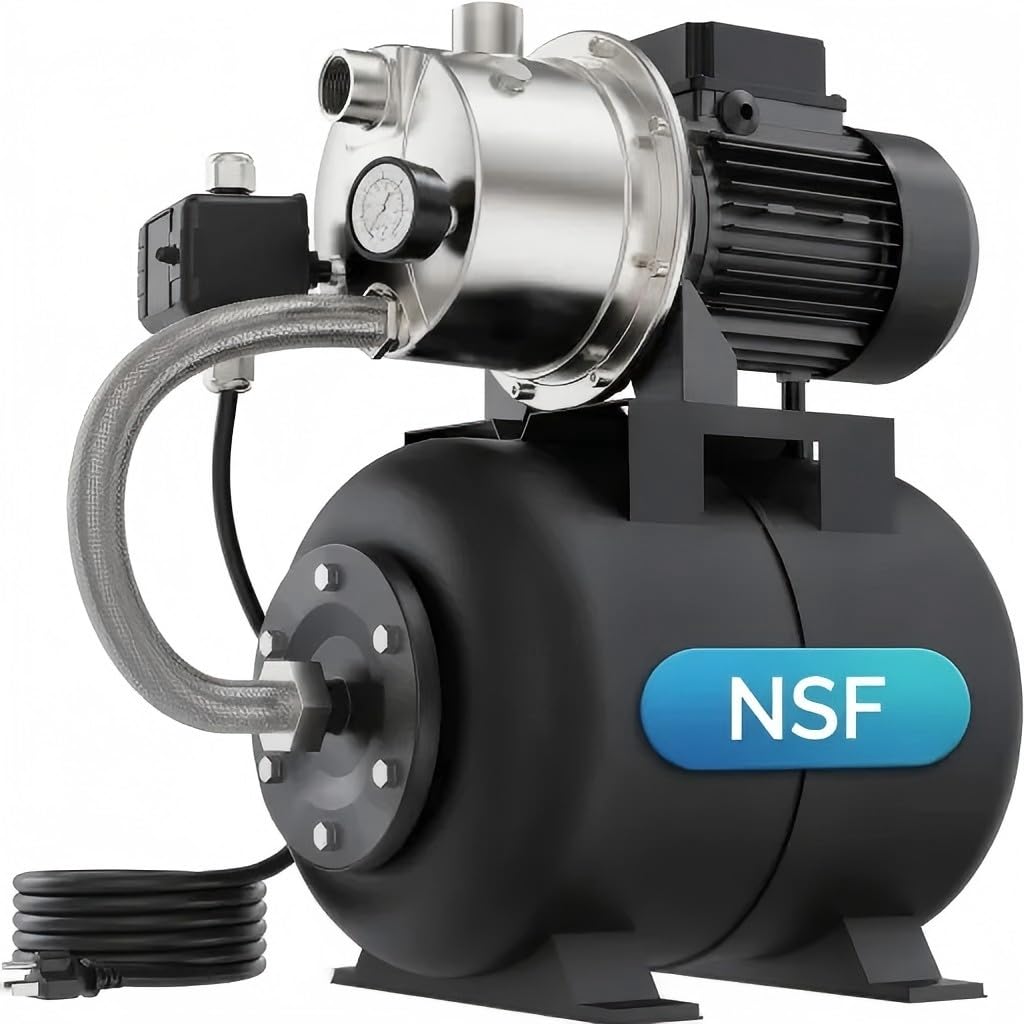
Homes drawing from a shallow well or storage tank need a self priming pump with a pressure tank. Aquastrong's shallow well jet pump lists 1,320 GPH with a stainless steel body and pressure tank, suitable for gardens, irrigation and home supply from shallow sources.
Key Features to Compare
Build Quality and Materials
Stainless steel impellers and housings resist corrosion and last longer than plastic. For drinking water, confirm the pump is suitable for potable use. Sealed, air cooled or water cooled motors run quieter and handle long run times.
Features That Matter for Water Pressure
Flow rate (GPM) and pressure (PSI) are the key numbers. A typical home uses several fixtures at once, so whole house pumps need a higher flow than single fixture pumps. Variable speed or constant pressure control, like the Aquastrong Smart 45, adjusts motor speed to demand so pressure stays steady when someone opens a second tap. Dry run protection shuts the pump off if water supply fails.
Intended Use and Who It's For
Match the pump to the job: whole house constant pressure pumps for city water or tanks, jet pumps for shallow wells, and diaphragm pumps for RVs, boats, garden hoses and single fixtures. Using a small diaphragm pump for a whole house leads to short cycling and noise.
Warranty and Customer Support
Booster pumps run every time someone uses water, so warranty and parts availability matter. Davey and Aquastrong are established pump brands; smaller brands like CrestWave may offer lower prices with less history. Keep receipts and register the pump.
Top Booster Pump Options
- Aquastrong Smart 45: whole house variable speed constant pressure pump, 80 PSI, quiet operation, around $749.
- Davey BT20-30 with Torrium II: premium home pressure booster pump, around $1,242.
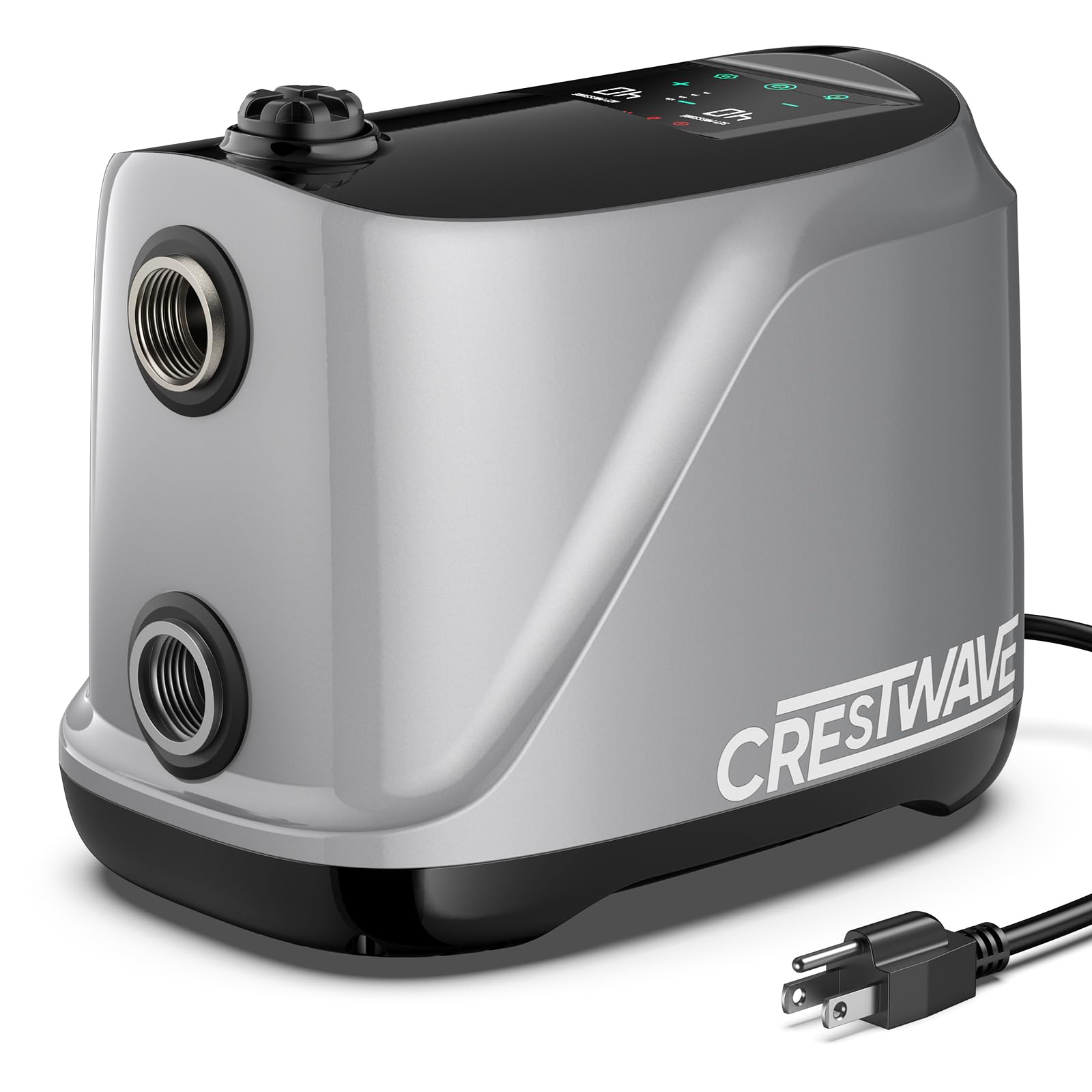
- CrestWave Whole House Booster Pump: 80 PSI, 115V, lower cost whole house option, around $280.
- Aquastrong Shallow Well Jet Pump: 1,320 GPH stainless pump with pressure tank, around $250.
- ECO-WORTHY Diaphragm Booster: 5.5 GPM, 70 PSI, self priming, around $90.
- Tdrsuper Diaphragm Booster: 5.0 GPM, automatic start and stop, around $62.
Prices change often, so treat these figures as approximate. For other home water equipment, see our guides to hot water recirculating pumps and water pumps.
Common Mistakes to Avoid When Buying Booster Pumps
- Undersizing flow: a pump that cannot keep up with two showers will still feel weak.
- Ignoring the real cause: clogged aerators, a failing pressure regulator or a partially closed valve can mimic low pressure; check these first.
- Skipping dry run protection: running without water can destroy a pump.
- Installing without permits: check utility rules and backflow requirements.
- Placing the pump where it freezes: protect it from freezing temperatures.
Choosing the Best Booster Pumps for Water Pressure in Your Home
Start by measuring your current pressure with an inexpensive gauge on an outdoor spigot. Most homes feel comfortable around 40 to 60 PSI. If yours is well below that, count the fixtures that might run at once and estimate the flow you need. For whole house use, choose a constant pressure pump sized for that flow. For a single fixture or RV, a diaphragm pump is enough.
Consider noise and location too. Pumps are best installed in a garage, utility room or basement near the main water line, with shutoff valves on each side for service. Quiet, variable speed models suit installations close to living areas.
How to Make Your Booster Pump Last Longer
- Install a sediment filter: grit wears seals and impellers.
- Check for leaks: inspect fittings every few months.
- Keep it ventilated and dry: motors need airflow.
- Protect from freezing: drain or insulate in cold climates.
- Watch for short cycling: frequent on and off cycles can signal a leak or pressure tank issue.
FAQs
What features matter most in booster pumps for water pressure?
Flow and pressure ratings matched to your home, constant pressure control, dry run protection, corrosion resistant materials and suitability for potable water.
Are expensive booster pumps worth it?
For whole house use, often yes. Variable speed pumps from established brands run quieter, hold steady pressure and last longer than cheap fixed speed units.
How much should I spend on a booster pump?
Around $60 to $100 for single fixture or RV diaphragm pumps, $250 to $450 for basic whole house or well pumps and $700 or more for premium constant pressure systems, plus installation.
How do I maintain a booster pump?
Clean or replace inlet filters, check fittings for leaks, keep the area dry and ventilated and follow the maker's service schedule.
How long does a booster pump last?
Many quality pumps last several years or more with clean water and proper sizing. Short cycling, grit and dry running shorten life.
Do I need a pressure tank with a booster pump?
Fixed speed pumps usually need a pressure tank to avoid switching on for every small draw. Variable speed constant pressure pumps, like the Aquastrong Smart 45, adjust motor speed instead, so a small tank or none may be needed; follow the maker's installation guide.
Will a booster pump raise my water bill?
It does not add water by itself, but stronger flow can increase use if you shower longer. Electricity use is modest for most residential pumps.
Our Verdict
Size the pump to your household flow and choose constant pressure control for whole house use. For the best booster pumps for water pressure, consider the Aquastrong Smart 45 for quiet whole house boosting, the Davey BT20-30 for a premium option and ECO-WORTHY or Tdrsuper diaphragm pumps for single fixtures and RVs. Compare current prices in the product table above.


