
Best Bosch Cordless Drills: Which Model Fits Your Projects? (2026)
Disclosure: We may earn a commission when you buy through links on this page, at no extra cost to you. As an Amazon Associate I earn from qualifying purchases. Learn more

Choose the best bosch cordless drill for your projects. Compare the compact 12V line, the 18V brushless range, FlexiClick attachments and battery options.
Bosch builds cordless drills along two clear paths: a compact 12V line loved by installers and cabinet makers, and an 18V line that runs from household work to heavy site use. That split is exactly why buyers get stuck. The spec sheets overlap, the model names blur together, and the right answer depends entirely on the size of your work. If you are trying to pick the best bosch cordless drill for your bench or job site, this guide explains how the two platforms differ, what the brand's signature features actually do in your hands, and which line fits the projects you have planned.
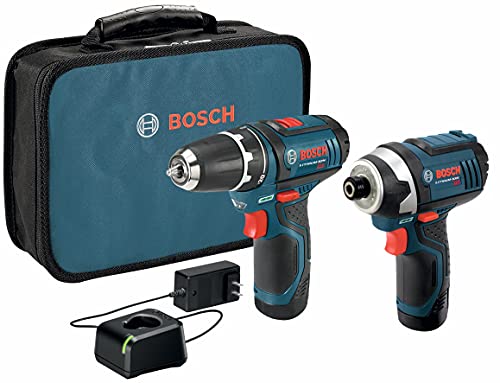
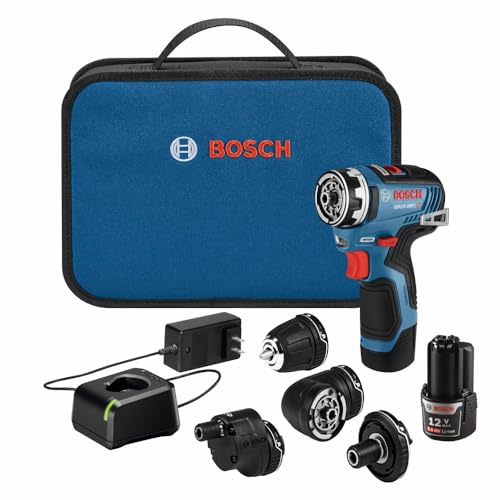
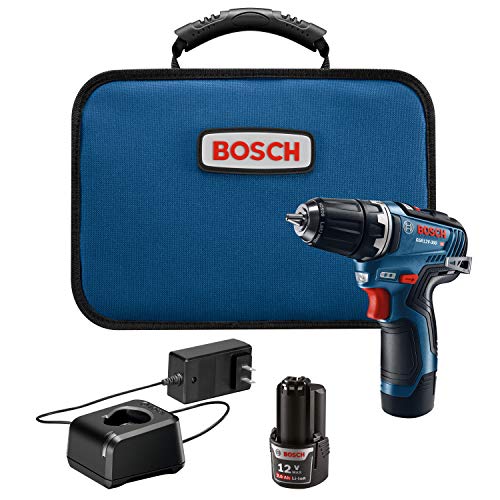
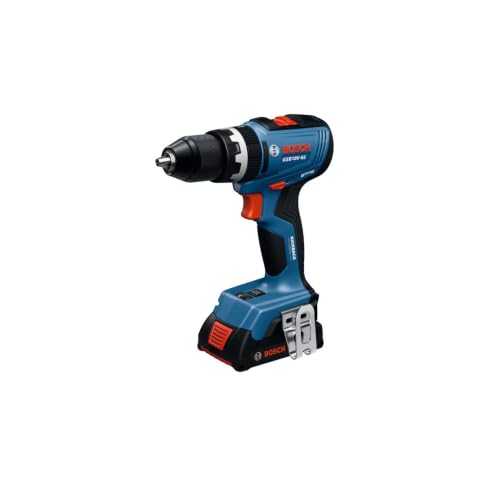
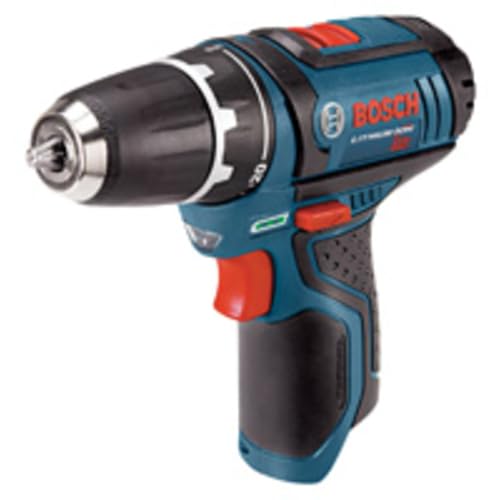
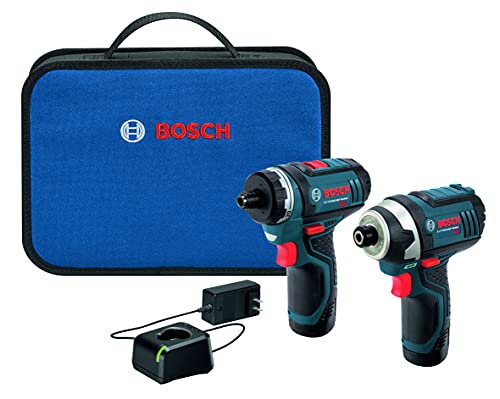
The product table gathers current Bosch kits in one view. As you scan it, note the voltage line first and the torque second, because choosing the platform is the real decision. Everything else, from attachments to batteries, follows from that choice.



Who Should Buy a Bosch Cordless Drill?
Bosch buyers usually arrive with a preference for compact tools and precise control. Three groups get the most from this brand.
Cabinet and Furniture Makers
Fine woodworking punishes clumsy drills. You drive small brass screws that snap if the clutch jumps, and you bore inside assembled cabinets where a long tool body will not fit. The Bosch 12V line, and especially its flexible attachment system, was built for exactly this work. Short head lengths reach into carcasses, and the clutch steps are fine enough to seat hardware without damage. If your projects live in the shop rather than on the roof, start your search with the compact line before you look at anything larger.
Installers and Electricians Working in Tight Spaces
Pros who spend their day inside electrical panels, above ceilings, and under sinks value a drill that disappears into the work. Compact Bosch drills ride on a belt without dragging, and the brand's angled attachments turn fasteners in bays where a straight drill cannot line up. Battery swaps are quick, and the 12V packs charge fast enough to rotate through a day. For this group, the question is rarely Bosch or another brand; it is which Bosch body shape fits the hand best. Try both grip styles before buying.
Homeowners Who Want One Precise Drill
Some buyers would rather own one refined tool than a shelf of stronger ones. The Bosch 18V household kits suit that mindset: moderate size, smooth controls, and batteries that also run the brand's sanders, lights, and garden tools sold in the same system. If your work is hanging, assembling, and the occasional renovation weekend, an 18V mid range kit covers it without the bulk of trade tools. Our guide to the best cordless drill for home use shows where Bosch sits among household options.
Key Features to Compare in the Bosch Lineup
The 12V Line vs the 18V Line
This is the decision everything else hangs on. The 12V drills are pocketable, light, and strong enough for assembly, cabinet work, and holes up to about 3/4 inch in wood, with torque in the region of 265 to 300 inch pounds on the stronger models. The 18V line starts around household duty and climbs to professional hammer drills with several times that torque and much larger batteries. Runtime follows the same split: 12V packs suit intermittent work, while 18V packs run saws and all day drilling. Pick by your largest routine job, and let occasional heavy work be the exception you borrow for.
FlexiClick Attachments: One Drill, Several Heads
The feature that sets Bosch apart is its click on attachment system for the compact line. The chuck head removes and swaps for an offset head that drives screws flush against a wall, a right angle head for between stud work, and an eccentric head for edges. Each attaches with a positive lock and keeps the clutch function working. For installers and furniture makers, this replaces a second specialty tool entirely. Check that the kit you buy includes the heads you need, because bundles differ and individual heads cost real money later. No rival system in this size class matches it.
Brushless EC Motors and Precision Clutch
Bosch marks its brushless models with an EC motor designation, and in this lineup the practical gain is control as much as power. The electronic clutch on many Bosch drills disengages cleanly at the set torque instead of ratcheting harshly, which keeps small fasteners safe. In practice, you feel it as a soft stop rather than a jolt. For delicate work that matters every day. When comparing two Bosch drills with similar torque, favor the one with more clutch positions and the electronic clutch if your work involves hardware, hinges, or finished surfaces.
KickBack Control on the 18V Models
Larger Bosch drills add an electronic safety system that watches for the sudden rotation that happens when a big bit binds, then shuts the motor down before the tool can twist your wrist. It is the same class of protection found on premium drills from rival brands, and it matters most with hole saws and augers in framing. If your work is small bits and screws, you will never trigger it. If you bore large holes in studs, treat it as a requirement rather than a bonus, and still use the side handle on the biggest work.
CORE18V Batteries and Charger Speed
The 18V platform runs on compact packs for light work and larger CORE18V packs that deliver stronger sustained output for demanding tools. For a drill, a 4.0 amp hour class pack balances runtime and weight well, while compact 2.0 amp hour packs keep the tool light for overhead driving. Charger speed varies by bundle, so check whether the kit includes a rapid charger or the slower standard unit. Our broader best cordless drill guide compares how Bosch batteries stack up against rival platforms for buyers building a full cordless kit.
Choosing Between the Bosch Lines for Real Work
The cleanest way to decide is by material and hole size. Assembly, flat pack, cabinet hardware, and holes under about 3/4 inch in wood belong to the 12V line, which does them with less fatigue and better access. Framing, deck hardware, masonry anchors, and holes beyond 1 inch belong to the 18V line. Many serious hobbyists end up owning both, starting with the 18V kit for the house and adding the compact drill for the shop. If the budget forces one tool, the 18V mid range model is the safer single purchase, and it can be paired with the brand's hammer version if your walls demand it, as our best hammer cordless drill guide explains.
Common Mistakes to Avoid
- Buying the 18V drill for cabinet work. The larger body cannot reach inside carcasses, so shelves and hinge cups turn into struggles the compact line avoids.
- Assuming attachments fit every model. The click on heads fit specific compact models only, and buying the wrong body locks you out of the system.
- Mixing up the two battery lines. Bosch 12V and 18V packs do not interchange, so a bargain second tool on the other platform needs its own batteries and charger.
- Judging the compact line by torque alone. Its value is access and control, and the spec sheet cannot show you a screw driven flush in a corner.
- Overlooking kit differences. Two kits with the same drill can differ by a battery, a rapid charger, and the attachment heads, which is why the best budget cordless drill advice to read the full bundle list applies here too.
Care and Maintenance for Bosch Drills
Keep the attachment interface clean: the click on heads rely on a precise mating surface, and a film of sawdust there makes swaps gritty and loose over time. Wipe the contacts on batteries with a dry cloth when swaps feel stiff. Store the compact drills with the chuck head attached to protect the interface threads. For the 18V tools, blow out the vents after dusty work and let large packs rest before charging after heavy drilling. Bosch service runs through authorized centers, so keep your proof of purchase with the manual, and register the tool to make any warranty claim painless.
Frequently Asked Questions
Are Bosch 12V batteries compatible with Bosch 18V drills?
No. The two lines use different pack shapes, voltages, and chargers, and nothing swaps between them. This is normal across the industry, but it means your platform choice is a commitment. If you already own Bosch garden or household tools on one line, let that ownership steer the drill purchase. Buying into the second line makes sense only when the work truly differs, as it does for many woodworkers who keep a compact shop drill alongside an 18V site drill.
What is the Bosch FlexiClick system used for?
It lets one compact drill accept interchangeable front ends: a standard chuck, an offset head for screws tight against a surface, a right angle head for driving between studs or inside cabinets, and a bit holder for close work. The practical win is access. Jobs that would need a second specialty tool, or an awkward two hand workaround, become simple one tool tasks. Watch the kit contents carefully, because the drill is sold with different head combinations at different prices.
Is a Bosch cordless drill good for drilling into concrete?
The 18V hammer models handle brick, block, and mortar joints well with carbide bits, which covers most anchor work in houses. Poured concrete is slower going, and a rotary hammer remains the right tool for repeated holes in it. The standard drill models without a hammer setting should not be forced into masonry at all, since the bit just polishes the surface and overheats. Match the mode to the wall and the drill will feel capable; mismatch them and even a strong tool feels weak.
How does Bosch quality compare with other major drill brands?
Bosch competes at the professional level in Europe and in the pro consumer tier in the United States, with a reputation for compact design, refined controls, and durable motors. Its American retail presence is smaller than some rivals, which mainly affects how easily you find batteries and accessories locally. Online availability is broad. Buyers who value precision and compact size tend to stay with the brand for years, while buyers chasing maximum torque per dollar sometimes land elsewhere. Neither answer is wrong; they reflect different priorities.
Which Bosch cordless drill is best for a small workshop?
The compact brushless 12V model with the attachment system is the workshop favorite, because bench work rewards control and access over raw power. It drives hardware all day on one small pack, reaches into assemblies, and its electronic clutch treats small screws gently. Pair it with a bench mounted drill press later if you need dead accurate holes, and the little Bosch still keeps its job for everything handheld. For most small shops, the best bosch cordless drill is the smallest one that covers your largest bit.
Final Thoughts
Bosch rewards buyers who decide by access and control rather than by headline numbers. Scan the kits in the product table, choose the voltage line that matches your largest routine job, and value the attachment system if your work happens inside furniture and tight bays. Picked that way, the best bosch cordless drill becomes the tool that feels tailor made for your bench, and its precision will show in every hinge, handle, and hole you finish with it.


