
Best Brushless Circular Saw for 2026: What the Motor Change Really Buys You
Disclosure: We may earn a commission when you buy through links on this page, at no extra cost to you. As an Amazon Associate I earn from qualifying purchases. Learn more

Match the best brushless circular saw to your work with a guide to blade size, power, runtime, dust control, safety and price tiers before you buy.
Brushless motors have taken over the cordless saw shelf, and the upgrade is real, but it is not magic. The best brushless circular saw earns that label by holding speed under load, stretching battery runtime and cutting true, not by the word brushless on the box. This guide explains what the motor change actually changes in the cut, and which saw specs deserve your money instead.
Almost every brushless circular saw is a battery model, so your choice also picks a battery platform for years of future tools. The product table shows the main saws side by side, and the sections here break down the details.






Who Should Buy Which Brushless Circular Saw?
Framers and Deck Builders Cutting All Day
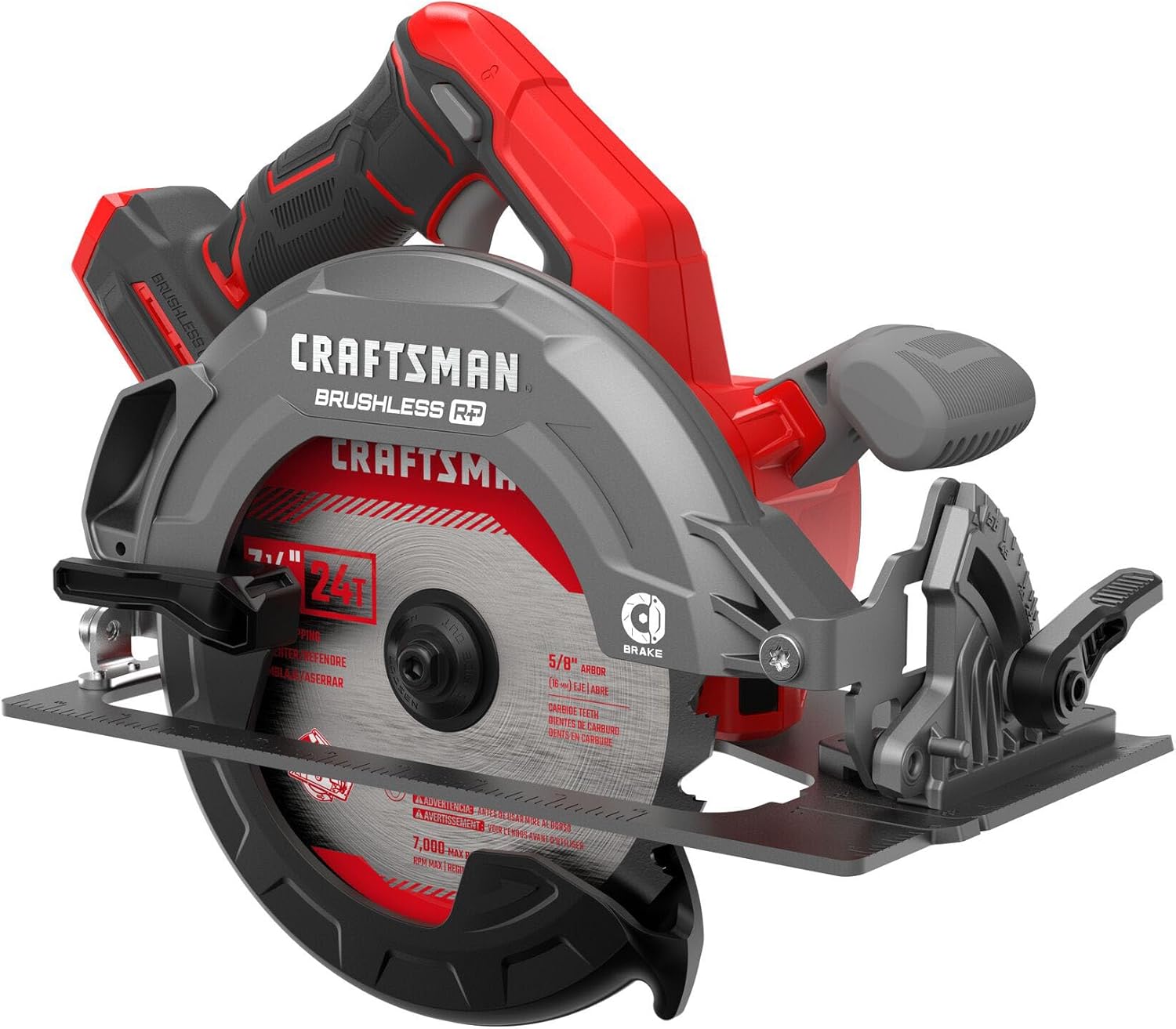
You need a full size 7 1/4 inch saw with the strongest motor your platform offers and at least two large batteries in rotation. Brushless efficiency matters most to you, because ripping LVL and cutting wet treated lumber is exactly where brushed motors bog down and drain packs. Depth, bevel range and a rafter hook matter more than a light body.
Remodelers Who Cut Sheet Goods and Trim Stock
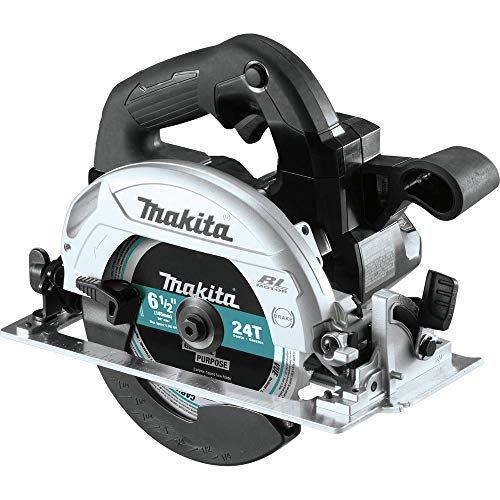
A 6 1/2 inch brushless saw is the sweet spot for remodel work. It handles two by material and plywood with ease, weighs less for overhead and ladder cuts, and leaves cleaner edges on finish stock when paired with a fine tooth blade. Our main guide to the best circular saw shows how these mid size saws stack up against full size models.
DIYers Replacing an Old Corded Saw
If your corded saw dies and you already own batteries from a drill kit, a brushless saw on the same platform is the painless upgrade. Buy the largest battery you can afford with it, because a saw is the hungriest tool on any platform. One warning: if you own no batteries at all, price the full kit before assuming cordless beats a cord.
Key Features to Compare
What Brushless Actually Changes in the Cut
A brushed motor wastes energy as heat and friction at the carbon brushes, while a brushless motor uses electronic control to feed current only as the load demands. In a saw, that means three practical gains. The blade holds its speed deeper into a rip cut instead of slowing and burning the wood. Runtime per battery grows, often by a third or more on long cuts. And the motor needs no brush changes, ever. What brushless does not change is blade quality, shoe flatness or your cutting line, so do not let the motor badge excuse a flimsy base plate.
Blade Size and Cutting Depth
The 7 1/4 inch class cuts about 2 1/2 inches deep at 90 degrees, enough to slice two by lumber at a 45 degree bevel in one pass. The 6 1/2 inch class cuts roughly 2 1/4 inches deep, which still handles two by stock square on, but bevel cuts in thick material may need a second pass from the other side. Smaller 5 3/8 and 5 1/2 inch saws suit sheet goods and flooring. Match blade size to your thickest regular cut, because a bigger blade also means a heavier saw and pricier blades.
Power Ratings and Speed Under Load
Cordless saw power is hard to compare across brands, since some publish watts, some publish RPM and some publish nothing useful. No load speed around 5,000 to 5,800 RPM is typical for full size brushless saws. The number that matters in practice is how little the saw slows when the blade enters dense material, which is where brushless control shines. If you cut engineered lumber, concrete board or thick hardwoods weekly, step up to your platform flagship model. Casual users cutting pine and plywood will not feel the difference and can save the money.
Battery Platform, Runtime and Charge Time
A circular saw can drain a compact 2.0 amp hour battery in a handful of long rips, so plan on 5.0 amp hour packs or larger for real work. High output battery lines feed brushless motors better and run cooler under load. Runtime claims in ads assume ideal lumber and sharp blades, so treat them as best case figures. Also weigh charger speed, since a rapid charger turns a two battery rotation into all day cutting. If you already own a platform, staying on it is usually smarter than chasing a rival saw with slightly better specs.
Bevel Capacity, Shoe Quality and Sight Lines
Most brushless saws bevel to 45 degrees, and better ones reach 50 to 57 degrees for roof and trim work. Detents at common angles speed up setup, but check that the bevel scale is stamped or printed where you can read it in bright light. The shoe should be flat, rigid and wide enough to ride a straightedge without rocking. Magnesium shoes cut weight while staying stiff. Finally, look down the blade line from your normal stance. A clear view of the cut line and a blower that clears dust off it will improve your accuracy more than any gadget.
Electric Brake, Dust Port and Handling Details
An electric brake stops the blade within a couple of seconds of releasing the trigger, which matters when you set the saw down between cuts all day. A dust port that fits a standard vacuum hose keeps sheet good cuts visible and your lungs happier, especially indoors. Rafter hooks, on board blade wrench storage and a spindle lock for fast blade changes round out the details that separate a pleasant saw from an annoying one. Weight with the battery fitted is the honest figure to compare, since a bare tool weight hides a pound or more of pack.
Brushless Cordless or a Corded Saw: Which Fits Your Shop?
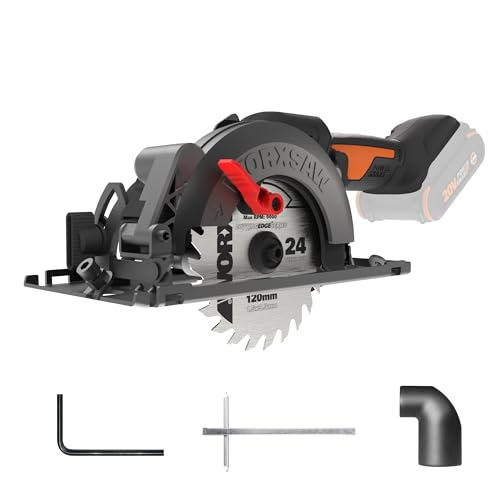
Brushless motors live almost entirely in cordless saws, so choosing brushless usually means choosing batteries. That trade is worth it for site work, roof work and any job far from an outlet. But a stationary shop that cuts thick hardwood for hours can still favor a plug, and our guide to the best corded circular saw covers that case. At the other end of the size range, compact brushless models overlap with the best mini circular saw class for flooring and laminate work, while rear handle brushless saws borrow the layout of the best worm drive circular saw for framers who want the blade on the left.
One honest expectation check: a brushless saw will not rescue a dull blade or a wobbling shoe. If your current cuts burn or wander, fix the blade and the guide setup first. The motor upgrade improves power delivery and runtime, and those gains show up only when the rest of the cutting system is sound.
Common Mistakes to Avoid
- Buying a brushless saw kit with small 2.0 amp hour batteries, then blaming the saw when it stalls in long rips.
- Paying for the flagship motor but cutting with the coarse blade in the box, which leaves splintered edges.
- Choosing a 6 1/2 inch saw for beveled two by cuts, then discovering the depth runs short at 45 degrees.
- Ignoring shoe flatness at the store, so every guided cut rocks and wanders off the line.
- Mixing battery platforms across brands, which doubles your chargers and strands packs when a line is dropped.
How to Make Your Circular Saw Last Longer
Brushless motors remove brush wear from the list, but bearings, gears and electronics still age. Keep the blade sharp, because a dull blade forces the motor to work at high load and high heat, which is what cooks control boards. Blow sawdust out of the vents and the guard pivot after dusty work, and check that the lower guard snaps back freely before every session. A sticky guard is both a safety hazard and a sign that resin is building up inside.
Store batteries indoors at a partial charge and keep the saw itself dry, since runtime electronics dislike damp garages. Support long sheets properly so the offcut cannot pinch the blade at the end of a cut. Pinching causes kickback and side loads the arbor bearings, and repeated side loads are what turn a true running saw into a wobbling one.
FAQ
Are brushless circular saws worth the extra cost?
For anyone who cuts regularly, yes. You get longer runtime per battery, steadier blade speed in thick stock and a motor with no brushes to replace. The premium over a brushed model is usually modest within the same platform. If you cut a few sheets a year, a brushed or corded saw still does the job, and the savings buy better blades.
What is the best brushless circular saw size for a homeowner?
A 6 1/2 inch saw covers nearly all home cutting, from two by framing to plywood, while staying lighter and cheaper than the full size class. Move to 7 1/4 inch if you plan to bevel cut two by lumber often or build a deck. The smaller saw on a high output battery surprises many owners with how much it handles.
How long does a brushless circular saw last?
The motor itself can outlast the rest of the tool, since there are no brushes to wear down. In practice the saw lasts as long as its batteries stay available and its shoe stays flat, often a decade of home use. Bearings and the guard mechanism are the usual wear points. Buying into a large, stable battery platform protects the saw from early obsolescence.
Can a brushless circular saw cut as well as a corded saw?
Modern full size brushless saws match corded models in depth and speed for lumber and sheet goods, and they hold that pace on high output batteries. Corded saws still win on endless runtime and lower cost when the work never leaves the shop. For a full day of framing, the cordless saw needs a battery rotation, while the corded saw simply keeps going.
How do you keep a brushless circular saw cutting straight?
Straight cuts come from the setup, not the motor. Clamp a straightedge guide for long rips, support the sheet so it cannot sag or pinch, and let the saw reach full speed before the blade touches wood. Check the blade for warp by spinning it slowly against a fixed mark. A saw that still wanders with a sharp blade and a guide usually has a bent shoe or a worn arbor.
Final Thoughts
Buy the platform first, the size second and the motor badge last. A brushless saw on batteries you already own, sized for your thickest regular cut, will feel like a bargain every time it holds speed through a long rip. Scan the product table for the saws that fit, and you will land on the best brushless circular saw for your work without paying for power you never use.


