
Best Brushless Reciprocating Saw in 2026: A Buying Guide
Disclosure: We may earn a commission when you buy through links on this page, at no extra cost to you. As an Amazon Associate I earn from qualifying purchases. Learn more
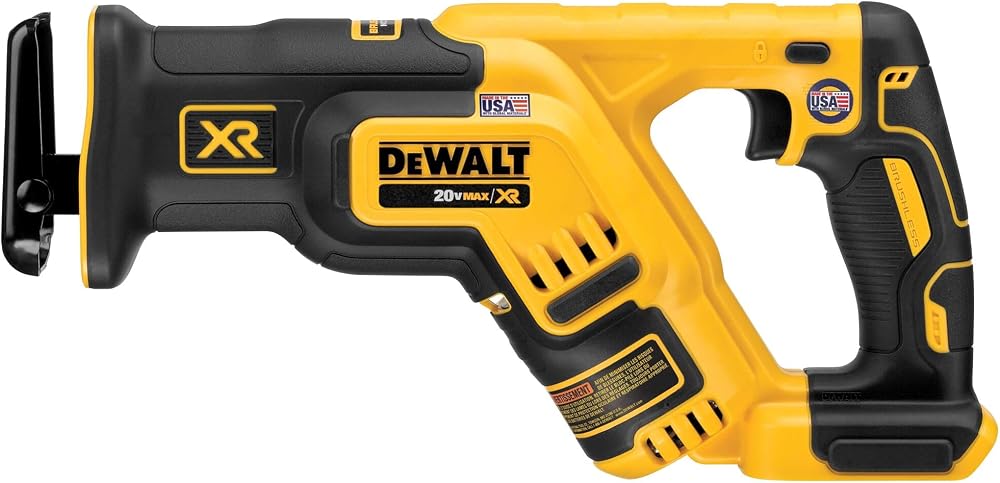
Learn how to pick the best brushless reciprocating saw by stroke length, speed control, vibration and battery size, with blade and care guidance included.
A brushless motor changes how a reciprocating saw works through a cut. Instead of wearing carbon brushes and wasting energy as heat, the motor adjusts power electronically, so the saw pulls harder in thick material and sips battery on light cuts. Choosing the best brushless reciprocating saw means matching that smarter motor to the right stroke, speed control and battery for the demolition and rough cutting you actually do.
The gains are real but not automatic: a brushless saw with a short stroke or a small battery still disappoints on framing tear outs. The comparison table below lines up the core specs, and this guide explains which numbers deserve your money and which ones are marketing filler.
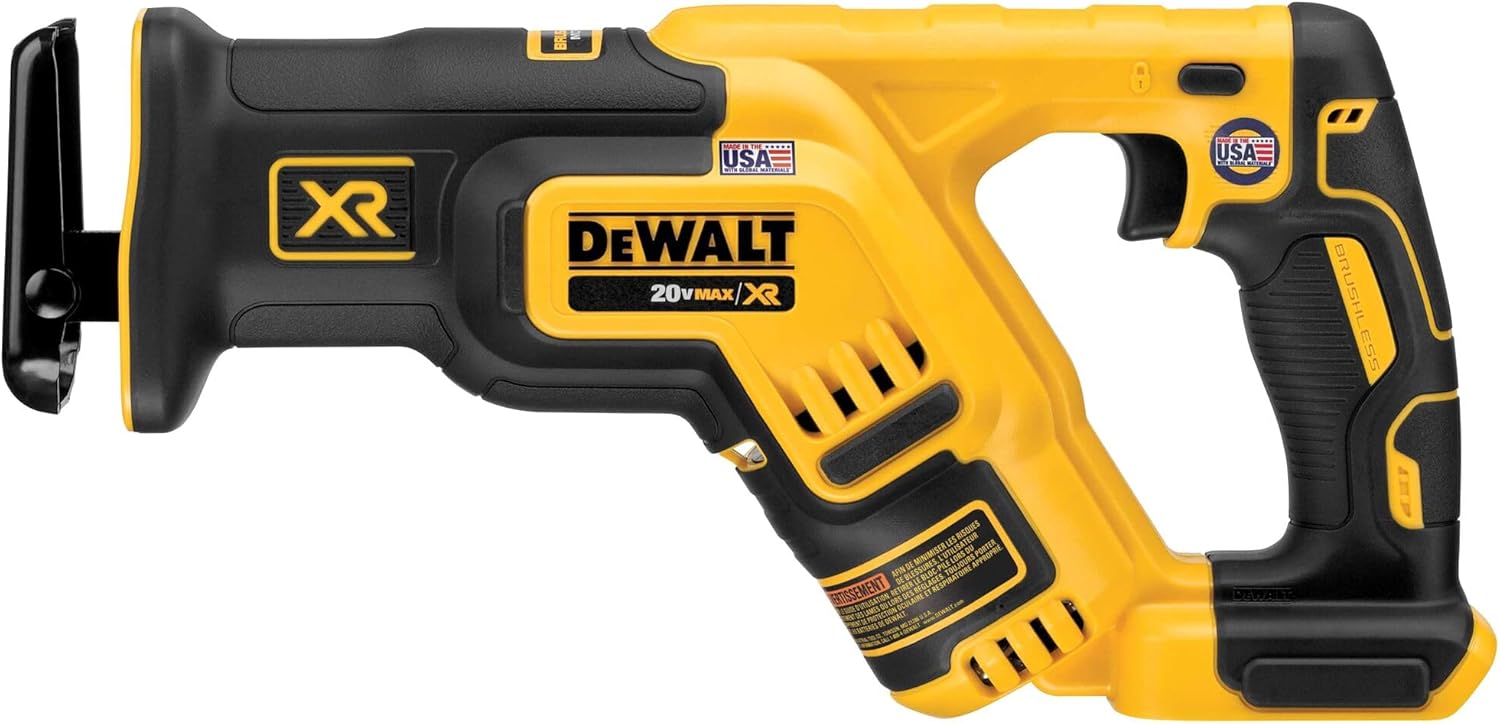
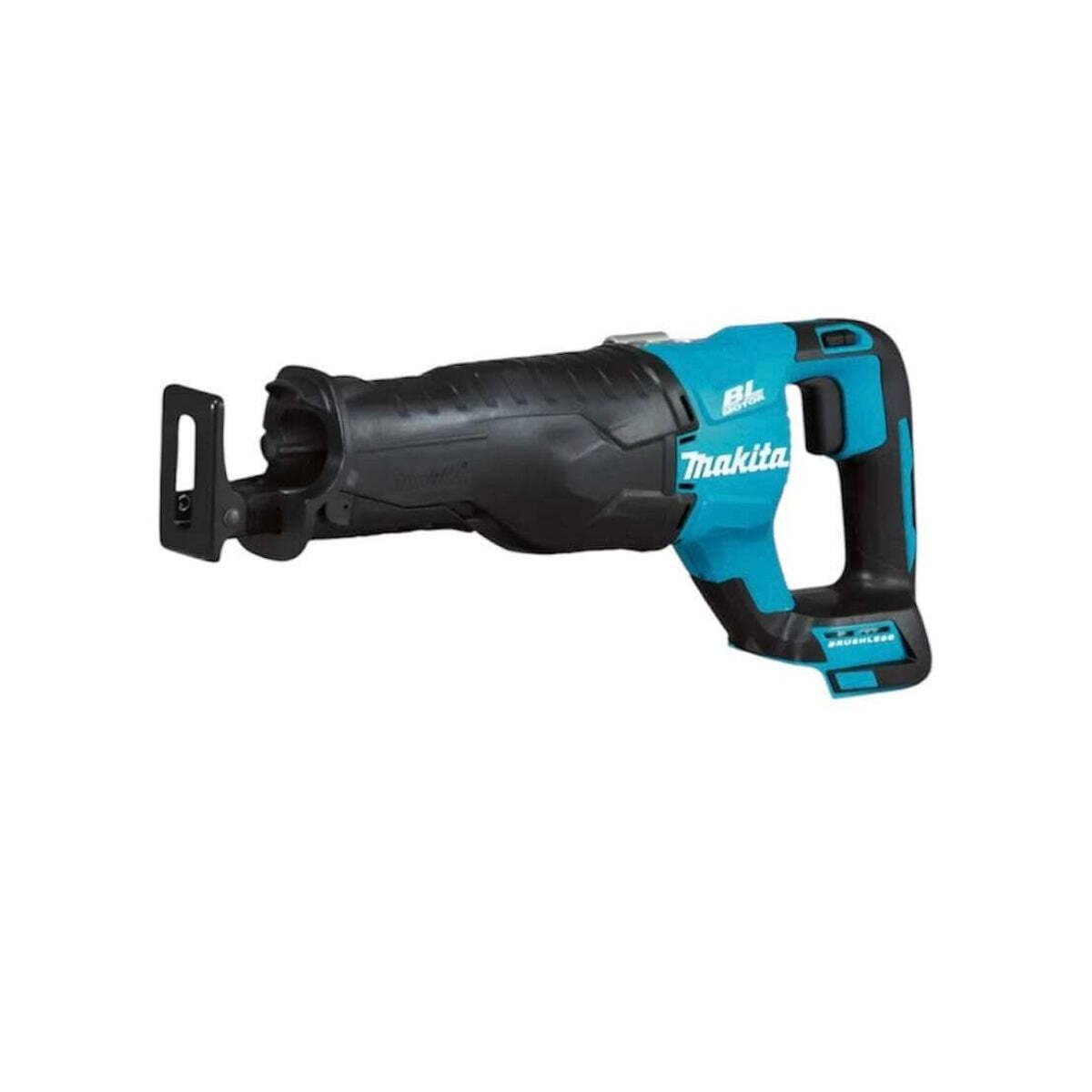


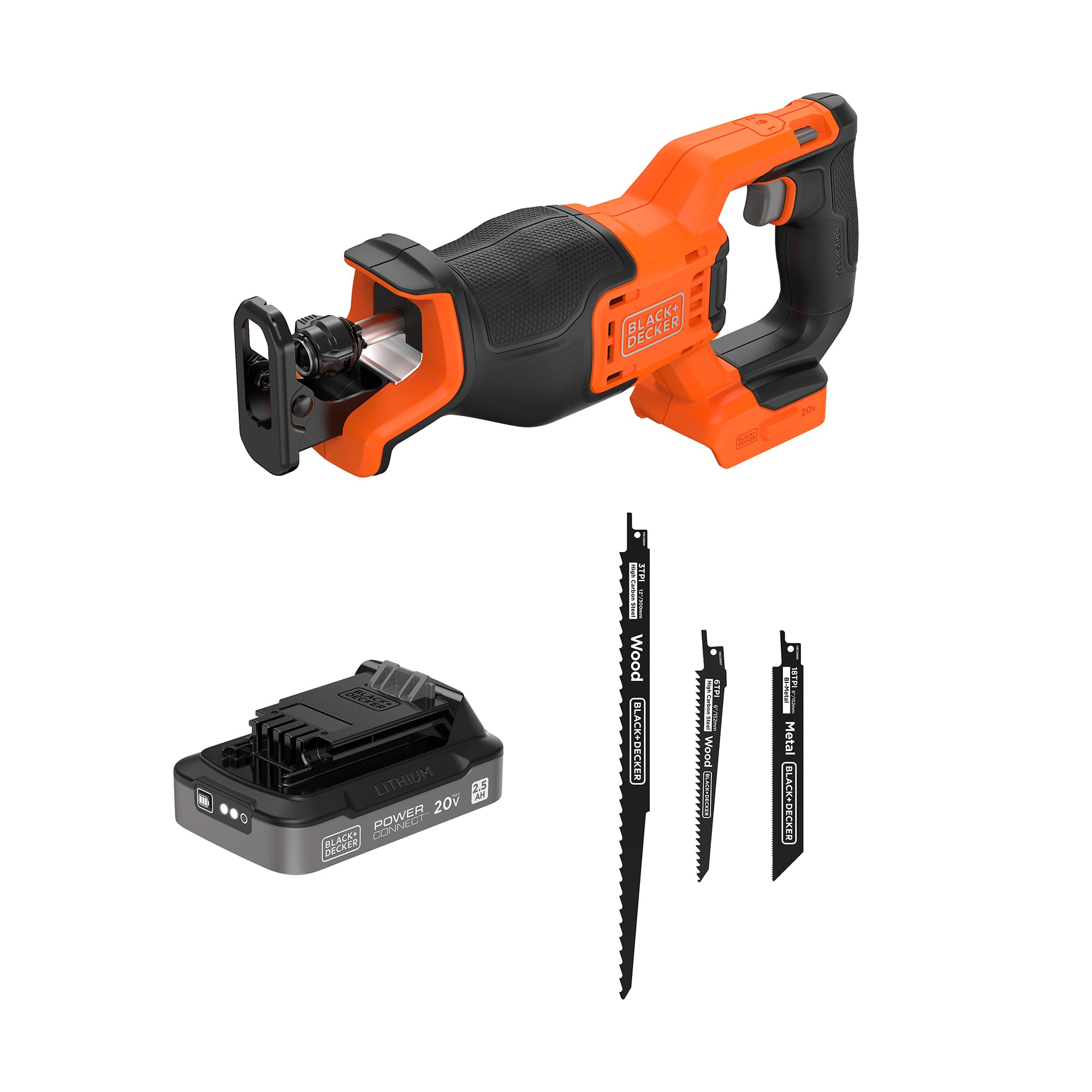
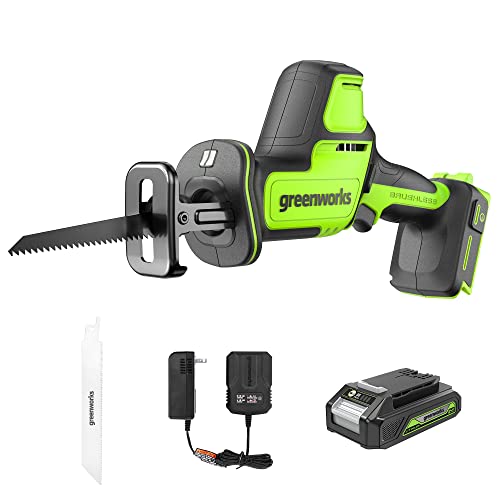

Who Should Buy Which Brushless Reciprocating Saw?
Remodelers Who Cut Demo All Week
If tearing out walls, roofs and decks is your living, brushless power pays for itself in runtime and motor life. You want a full size saw with a 1 1/4 inch stroke, a high capacity battery and vibration control that keeps your hands working past lunch. Pros already invested in one battery line should start with our best reciprocating saw overview, then filter for the brushless model on their platform, since batteries and chargers usually cost more than the bare saw itself.
Tradespeople Who Cut Pipe, Conduit and Strut in Tight Spaces
Plumbers and electricians often cut overhead or inside stud bays, where a compact saw beats a long heavy one. A best one handed reciprocating saw design with a brushless motor gives you one hand control for pipe and conduit while the other hand steadies the work. Stroke is shorter on these models, around 7/8 inch, but the electronic motor still delivers cleaner starts and better battery life than a brushed compact saw doing the same cuts.
Homeowners Replacing an Old Corded or Brushed Saw
For occasional pruning, pallet breaking and renovation projects, brushless mainly buys you convenience: no cord, longer stretches between charges and a motor that needs no brush changes. A mid size saw on a common 18 or 20 volt platform covers nearly every home job. Our best reciprocating saw for home use guide goes deeper on home focused sizing, but plan on at least one 5 amp hour battery, since demo work drains small packs quickly.
Key Features to Compare
Brushless Motor Efficiency and Runtime
A brushless motor replaces physical brush contact with electronic switching, so less energy turns into heat and friction. In practice you get more cuts per charge, stronger sustained cutting under load and a motor that does not wear out brushes in dusty demo conditions. The electronics also protect the tool, backing off power before a stall cooks the windings. The trade off is price and repair cost: a failed control board costs more than a set of brushes. Frequent users gain the most, because runtime and durability compound across hundreds of cuts.
Stroke Length and Cutting Speed
Stroke length, usually 1 1/8 or 1 1/4 inches on full size saws, decides how much blade bites per pass and how fast wood and nails disappear. Longer strokes clear chips better and cut faster, but they also shake more and can feel rough on thin metal. Speed is rated in strokes per minute, often up to about 3,000, yet the rating with no load matters less than how well the saw holds speed in material. For metal, you will run far below the top speed anyway, so judge a saw by its control at low speed, not just its maximum number.
Speed Control and Orbital Action
A variable speed trigger is the minimum; better saws add a speed dial or selectable modes so you can cap the stroke rate for steel and plastic. Consistent speed protects thin blades from overheating and keeps cuts in PVC from melting shut. Some brushless models add orbital action, which moves the blade in a slight oval for faster wood cutting. Orbital helps in rough demo and pruning, but turn it off for metal and finish work, since the aggressive path widens the cut and adds vibration you do not need there.
Blade Clamp and Pivoting Shoe
You will change blades constantly, so the clamp should release a hot blade fast without tools and grip standard shank blades firmly. A loose clamp lets the blade chatter and snap at the tang. The pivoting shoe braces against the work and adjusts how much blade you expose, which stretches blade life because you can move worn teeth out of the cut. Check that the shoe locks solidly at each setting. A shoe that creeps under pressure turns precise starts into wandering cuts, especially on pipe where the blade wants to skate.
Vibration, Weight and Balance
Reciprocating saws punish your hands more than almost any other tool, and brushless models often add counterbalance systems that cancel much of the shake. Compare weight with a real battery fitted, not the bare tool figure, since a big pack changes the balance completely. A saw that balances near the grip lets you guide cuts overhead and in awkward corners without fighting the tool. Rubber overmolds help, but internal vibration control helps more. If you cut for hours, this factor protects your grip strength and accuracy as much as any motor spec.
Choosing Blades for a Brushless Reciprocating Saw
The best motor cannot rescue the wrong blade. For nail embedded wood, choose demolition blades around 6 to 10 teeth per inch with a thick body that resists bending. Clean wood and pruning blades run coarser, near 5 to 6 teeth per inch, and longer blades around 9 inches reach through branches and wall cavities. Metal cutting blades run fine, about 14 to 24 teeth per inch depending on thickness, and they need slower speeds to survive. Keep the blade long enough to clear the material with stroke to spare, and replace blades when cuts slow down, because a dull blade forces the motor to work harder and drains the battery you paid extra to extend.
Common Mistakes to Avoid
- Buying a brushless saw with a small 2 amp hour battery, so the runtime gain disappears on the first demo job.
- Running full speed in steel, which overheats fine tooth blades and strips their teeth in seconds.
- Forcing the saw through a cut instead of letting the stroke work, bending blades and tripping motor protection.
- Ignoring the shoe setting, so the same worn blade section does all the cutting and dulls early.
- Paying for brushless power but keeping dull blades, which cancels the efficiency you bought the motor for.
How to Make Your Brushless Reciprocating Saw Last Longer
Blow dust out of the vents and blade clamp after demo work, since fine drywall and concrete dust migrate toward the motor housing. Store batteries at a partial charge in a dry place rather than leaving them on the charger for weeks. Let the electronics do their job: if the saw cuts power under a heavy load, back off and let the blade clear instead of restarting into the same stall repeatedly.
Inspect the shoe and clamp for play every few months, and replace worn blades before they start hammering the drive mechanism. Keep the tool out of rain, dry it before storage if the job got wet, and avoid dropping it onto concrete from ladders, since cracked housings let in the dust that shortens motor life. A brushless motor has no brushes to service, but bearings and seals still reward basic care.
FAQ
What is the best brushless reciprocating saw?
The best brushless reciprocating saw for most buyers is a full size model with a 1 1/4 inch stroke, variable speed control and a battery of at least 5 amp hours on a major platform. Remodelers should weight vibration control and runtime highest, while occasional users can step down in size. Because batteries lock you into a platform, the right answer often starts with the tools you already own. Compare the specs in the product table above against your main jobs before deciding.
Are brushless reciprocating saws worth it?
Yes, for anyone who cuts regularly, because the motor returns its higher price through longer runtime, stronger cutting under load and no brush replacements. The value shows up most in cordless work far from outlets, where every extra cut per charge saves a trip to the charger. Occasional users who cut a few branches a year gain less, and a basic brushed saw may suit them. Think in cuts per year: the more you cut, the clearer the brushless advantage becomes.
What size battery does a brushless reciprocating saw need?
A 5 amp hour battery is the practical sweet spot for a brushless reciprocating saw, balancing runtime and weight for demo and pruning. Compact saws run acceptably on 2 to 4 amp hour packs for pipe and conduit work. High output or large format packs extend heavy demolition sessions but make the saw noticeably heavier overhead. Whatever size you choose, keep a second battery rotating on the charger, because even efficient brushless motors drain packs quickly in nail filled lumber.
How long does a brushless reciprocating saw last?
A brushless reciprocating saw typically lasts longer than a brushed equivalent, because the motor has no brushes to wear and runs cooler under load. With normal job site care, years of regular service are realistic, and the battery platform usually ages out before the motor does. Abuse shortens that story: stalled cuts, water exposure and dust packed vents kill electronics early. Treat the saw well and its working life is measured in projects, not seasons.
How do you clean a brushless reciprocating saw?
Remove the battery and blade, then blow out the clamp, vents and shoe area with dry compressed air or a soft brush. Wipe the housing with a damp cloth and dry it fully before storage. Never wash the tool or use solvents near the vents, since liquid reaches the electronics that make brushless motors work. A clean clamp grips blades properly, so this quick routine also prevents the chatter that snaps blades at the shank.
Final Thoughts
A brushless motor rewards buyers who cut often, with more work per charge, cooler running and no brush maintenance. When you shop for the best brushless reciprocating saw for your jobs, weigh stroke length, low speed control and vibration alongside the motor, and size the battery generously. The product table above lays those specs side by side so you can compare honestly. Match the saw to your platform and your heaviest regular cut, and it will feel like an upgrade every time it starts.


