
The Best Carb Compliant Generators for 2026: A Clear Buying Guide
Disclosure: We may earn a commission when you buy through links on this page, at no extra cost to you. As an Amazon Associate I earn from qualifying purchases. Learn more

Legal to buy in California and sized for your loads: what to check on CARB labels, watts, fuel, noise and safety features.
If you live in California, you cannot simply buy any generator that ships in the United States. State air rules require models sold there to meet stricter emission limits, and that is where CARB certification comes in. Shoppers hunting for the best carb compliant generators need two things at once, a machine that is legal to buy in California and a machine that actually covers their loads. This guide explains how to confirm compliance, then how to size and choose with confidence.
We will walk through watt math, fuel choices, home connection, and the safety habits that matter with any gasoline powered unit. The comparison table below collects current compliant options in one view. Keep your appliance list beside you as you read, because the right choice follows from your loads, not from the largest number on a box.
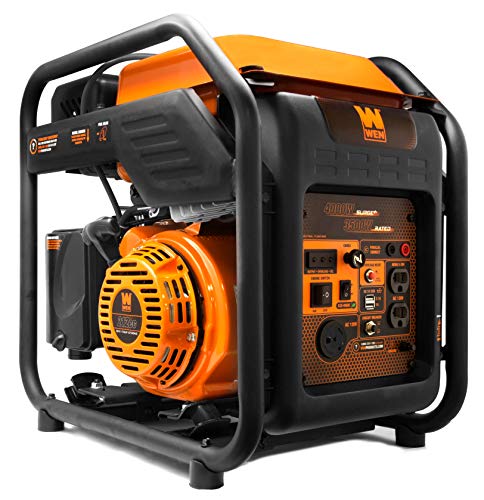
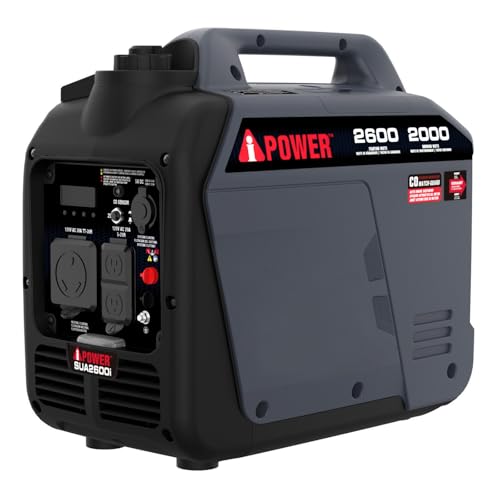
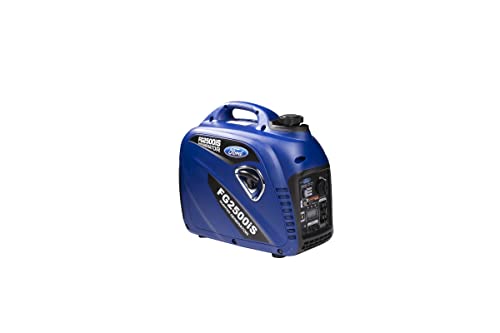
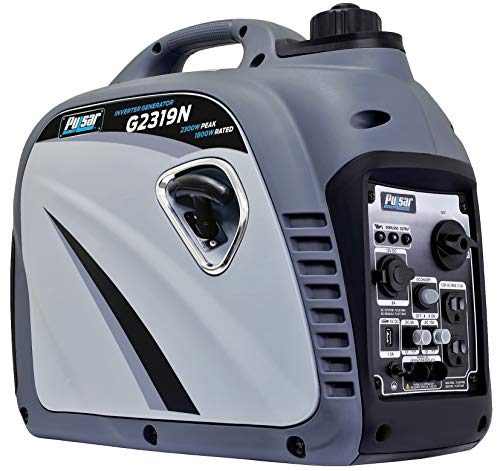
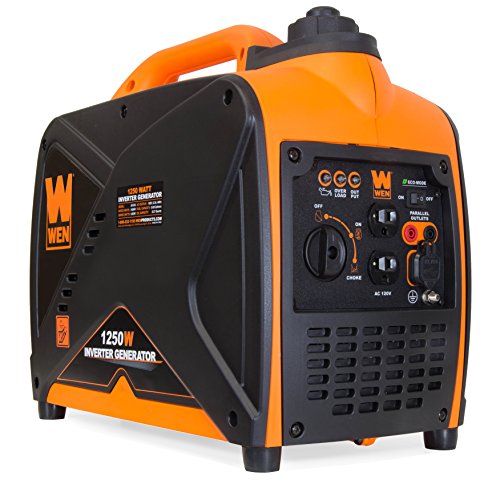


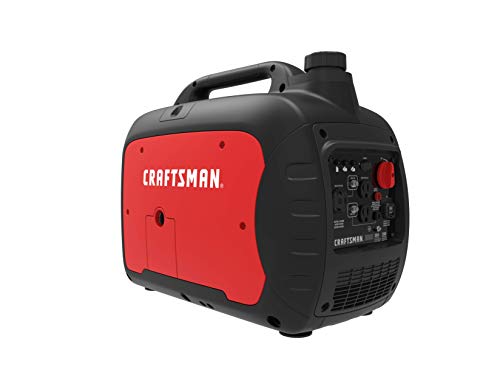
Who Should Buy Which Carb Compliant Generator?
CARB compliance is the entry ticket, not the finish line. Within the compliant pool, very different machines serve very different homes, so start by placing yourself in one of these groups.
California Homeowners Covering the Essentials
You want the refrigerator, a freezer, lights, phone chargers, and a furnace blower or a few fans through an outage. A midsize portable or inverter model in the range of about 4000 to 7000 running watts usually covers that list with room to spare. Prioritize electric start, a clear fuel gauge, and a runtime of around 10 hours at half load. If you mainly need portability with compliance, the guide to best carb compliant portable generators compares the portable formats in detail.
Homeowners Who Want Whole Home Comfort
If your goal includes central air conditioning, an electric range, or a clothes dryer, you are shopping in standby territory or at the top of the portable range. Permanently installed units connect through a transfer switch and start on their own when the grid drops. Shoppers comparing formats for a full house should also review the best household generators to see how sizing changes with each added circuit. Budget for installation by a licensed electrician and for permits, which California cities commonly require.
Renters and Apartment Dwellers With Limited Options
You cannot install a standby unit, and you may not be allowed to run a gasoline engine near your building at all. A battery power station charged from a wall outlet or solar panels may serve you better for lights, laptops, and a small fridge for a few hours. If your landlord and local rules allow engine use outdoors, choose a compact inverter model that stores in a closet and rolls out easily. Check your lease and local noise rules before you spend anything.
Key Features to Compare
Every factor below decides whether a compliant model fits your home once the label question is settled. Work through them in order and you will narrow the field quickly.
Confirming Real CARB Certification
Compliance lives on the label, not in the marketing copy. Look for an emission label on the engine or in the manual stating that the model meets California Air Resources Board requirements for its class and year. Some brands sell two near identical versions, one compliant and one not, and only the compliant version can ship to a California address. If a listing is vague about certification, contact the seller before ordering. A noncompliant unit returned after delivery costs you time during fire season and storm season alike.
Wattage: Running Watts Versus Starting Watts
Add the running watts of everything you plan to power at once, then add the largest starting surge on top. A refrigerator might draw about 150 running watts yet surge to around 1200 watts for a second when its compressor starts. A sump pump, a well pump, and a furnace blower each bring their own surges. Leave a margin of about 20 percent so the engine is not straining at its limit. Oversizing wastes fuel and money, while undersizing means tripped breakers at the worst moment.
Fuel Type and Storage Reality
Gasoline delivers the most power for the size, but it degrades in storage within a few months without stabilizer. Propane stores almost indefinitely and runs cleaner, which pairs well with the low emission spirit of a CARB purchase, though it yields slightly fewer watts on most dual fuel models. Diesel suits long run times but appears mostly in larger units. Think about what you can store safely at home. A dual fuel model gives you a fallback when one supply runs out mid outage, and that flexibility often beats a small edge in peak output.
Clean Power, Noise, and Inverter Technology
Inverter models produce clean power with low total harmonic distortion, which protects laptops, televisions, and modern appliance control boards. They also throttle down under light loads, so they sip fuel and run far quieter than conventional units, often near conversation level at a distance. Conventional models cost less per watt and handle rough tool loads happily. California neighborhoods tend to be close together, so noise matters more than many buyers expect. If the unit will run overnight near bedroom windows, yours or a neighbor's, weight noise heavily in your choice.
Home Connection and Safety Features
Feeding house circuits requires a transfer switch or an interlock installed by a licensed electrician, and backfeeding through a dryer outlet is dangerous and illegal. Look for a CO shutoff sensor that stops the engine when carbon monoxide accumulates nearby, plus low oil shutdown to protect the engine. GFCI protected outlets matter for outdoor use. For a bigger picture of outage setups, the guide to the best backup generators explains how portable and standby systems differ in daily use. Wheel kits and folding handles decide whether you can move the unit alone at midnight.
Types of Carb Compliant Generators at a Glance
Portable conventional models are the budget workhorses, best for tools and basic home loads where noise is acceptable. Expect prices around $400 to $900 for home sized units. Portable inverter models cost more, often about $700 to $2000, and repay it with quiet, clean power for electronics and camping as well as outages. Standby models start around $3000 before installation and deliver automatic, whole home coverage for owners who never want to touch a pull cord. Power stations built on LiFePO4 batteries are silent and legal anywhere indoors, but they store limited energy and suit short, light duty needs. Readers drawn to automation can compare the best automatic generators for hands off startup.
Common Mistakes to Avoid
- Assuming every generator sold online can ship to California, because noncompliant models are blocked or, worse, arrive and create a return headache.
- Sizing from running watts alone, because motor surges from pumps and compressors will trip an exactly sized unit.
- Running any gasoline generator in a garage with the door open, because carbon monoxide still drifts into living spaces and can kill.
- Storing untreated gasoline for a year, because stale fuel gums carburetors and turns a storm night into a repair night.
- Connecting through a homemade cord into a wall outlet, because backfeeding endangers utility workers and violates electrical codes.
- Ignoring local noise and placement rules, because a citation or an angry neighbor can shut down your backup plan.
How to Make Your Carb Compliant Generator Last Longer
Run the generator under a real load for about 20 to 30 minutes every month, because regular exercise keeps seals moist and fuel moving. Change the oil on the schedule in the manual and check the level before every start. Use fuel stabilizer in stored gasoline, or run the carburetor dry before long storage. Keep the air filter clean, since dusty California conditions clog filters faster than owners expect. Store the unit dry, covered, and out of direct sun, and keep at least 20 feet between the running engine and any door or window.
FAQ
Can a carb compliant generator run a refrigerator?
Yes, a carb compliant generator can run a refrigerator with ease. Most fridges need about 100 to 200 running watts and a brief surge near 1200 watts at compressor startup. Even a small inverter model handles that load, which makes refrigeration the easiest win in any outage plan. Keep the fridge door closed to stretch both food safety and fuel.
How long can a carb compliant generator run continuously?
A typical portable model runs about 8 to 12 hours per tank at half load. During a multi day outage, pause once a day to check the oil and let the engine cool before refueling. Standby units on natural gas can run much longer between service checks. Continuous duty for days without any pause shortens engine life on any portable design.
Do I need a transfer switch with a carb compliant generator?
You need a transfer switch or an approved interlock only if you want to power hardwired house circuits. Feeding a panel any other way risks backfeeding the grid. If you run extension cords directly to appliances instead, no switch is required. Have a licensed electrician handle any panel work, and pull permits where your city requires them.
Should I choose an inverter or a conventional carb compliant generator?
Choose an inverter model for quiet running, clean power for electronics, and better fuel economy at light loads. Choose a conventional model when raw watts for tools and pumps matter more than noise. Many California homes sit close to neighbors, so the inverter advantage grows at night. Your load list and your lot size should settle the question.
What size carb compliant generator do I need to power a house?
Essential loads alone often fit within about 5000 to 7500 running watts. Adding central air conditioning or an electric water heater can push the need past 10000 watts and toward a standby system. Write down each load, add the largest motor surge, and keep a margin. When in doubt between two sizes, the larger unit runs calmer and quieter at the same load.
Final Thoughts
Start by verifying the certification label, then size from your real load list, then weigh fuel storage, noise, and safe connection. Those steps will lead you to the best carb compliant generators for your home far more reliably than any headline watt figure. Compare the finalists in the product table above, confirm that your chosen model can ship to your California address, and check the product page before ordering since prices and availability can change.


