
Best Carb Compliant Portable Generators for 2026: Types Compared and How to Choose
Disclosure: We may earn a commission when you buy through links on this page, at no extra cost to you. As an Amazon Associate I earn from qualifying purchases. Learn more

Compare the best carb compliant portable generators by type, watts, fuel and runtime, with clear tips on size, noise and safe home connection.
Portable generators that meet California air rules come in more shapes than most shoppers expect. Conventional open frame units, quiet inverter models, dual fuel machines, and battery power stations all sit under the same broad label, yet they serve very different days. If you are sorting through the best carb compliant portable generators, the fastest path is to compare types first and brand names second. This guide does exactly that, in plain language.
You will see how each type trades power, noise, weight, and cost, and how to match those tradeoffs to a home outage, a campsite, or a job site. The comparison table below lists current compliant portable options together. Read the type comparison first, then use the table to check the models that fit your type.
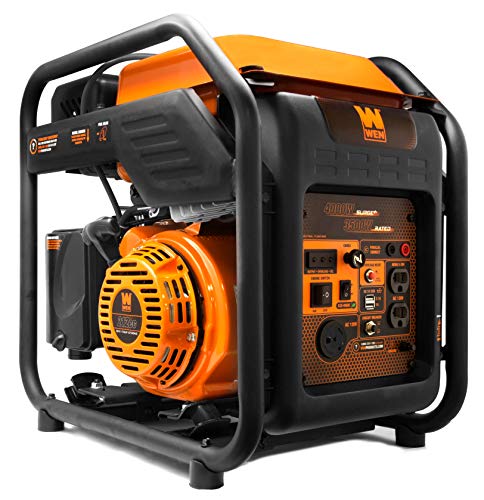
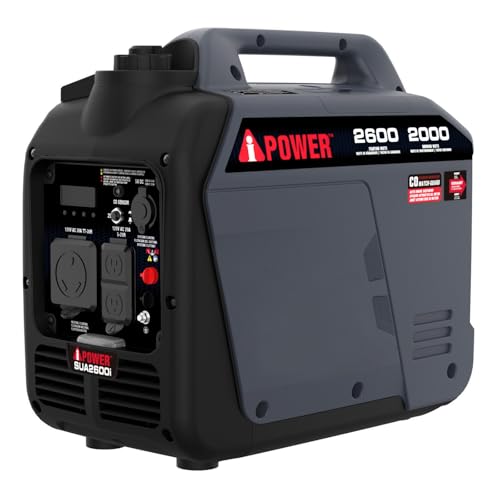
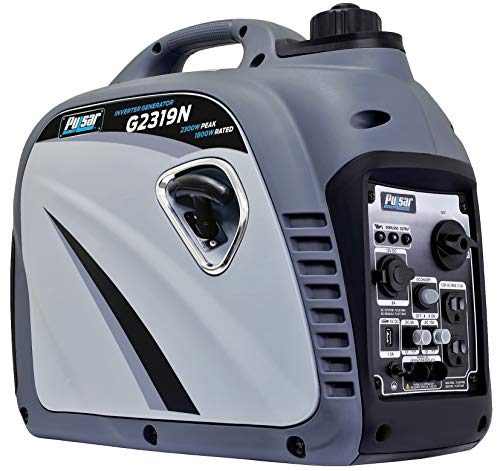
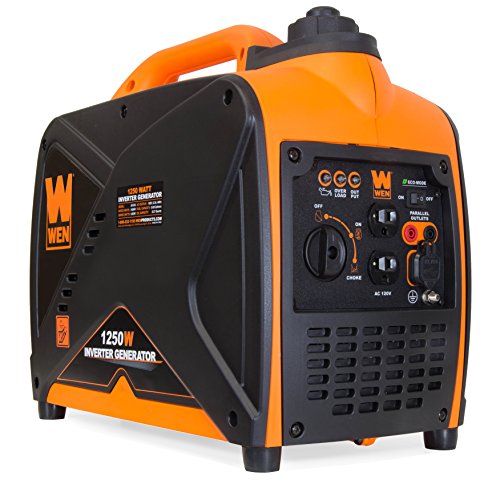
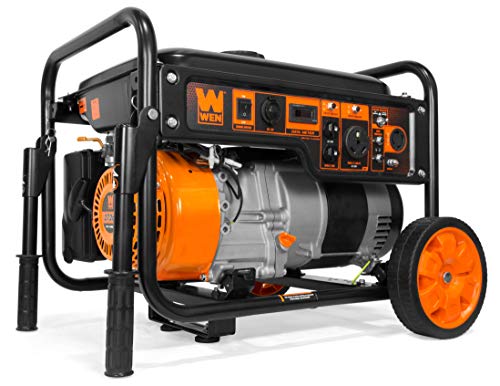

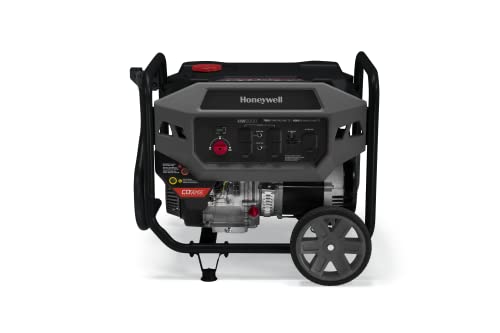
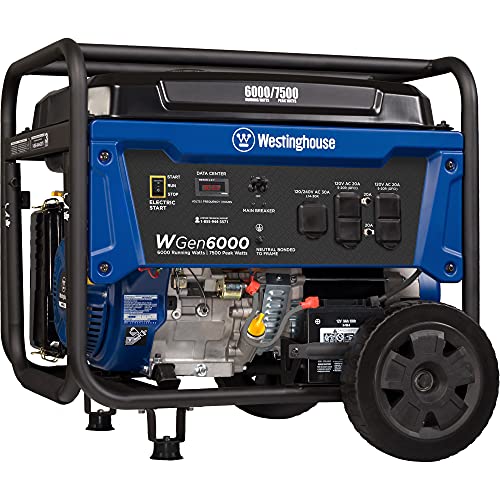

How the Portable Types Compare
Three questions separate the types cleanly. How much power do you need, how close will people be while it runs, and how will you move and store it between uses?
Conventional Portable Generators Versus Standby Units
A conventional portable gives you the most watts per dollar and rolls wherever you need it, from a backyard to a barn. A standby unit stays fixed at the house, starts on its own, and powers hardwired circuits through a transfer switch, but it costs far more and never leaves home. Choose the portable when outages are occasional and budgets are modest. Choose standby when medical equipment, a home business, or frequent travel makes automatic power worth the installation cost. For many California households comparing the two paths, the wider guide to best carb compliant generators covers standby sizing in more depth.
Dual Fuel Portable Generators Versus Single Fuel Models
A dual fuel portable runs on gasoline or propane with a selector switch, so you can start an outage on gasoline and finish it on a propane tank that stores for years. Propane output is a little lower on most models, and tanks add storage bulk. A single fuel gasoline model is simpler and slightly lighter, but its fuel goes stale in storage without stabilizer. If your outages stretch past a day, fuel flexibility usually wins. If you use the machine weekly for tools, simple gasoline refueling usually wins instead.
Inverter Portable Generators Versus Conventional Models
An inverter portable cleans its output to a smooth sine wave with low total harmonic distortion, so laptops, televisions, and variable speed furnace blowers run happily. It also throttles with the load, which cuts noise and fuel use at partial power. A conventional portable holds a fixed engine speed, costs less per watt, and shrugs off rough handling and dirty job site air. Campers and close neighbors argue strongly for the inverter. Crews powering saws and compressors all day usually pick the conventional frame. Shoppers who want owner scores across the inverter field can browse the best rated portable inverter generators for a sense of which sizes hold up.
Who Should Choose Which Portable Type?
Suburban homeowners facing one or two outages a year usually land on a midsize inverter or dual fuel portable, since both balance noise, storage, and enough watts for core circuits. Rural owners with wells, barns, and longer outages lean toward larger conventional or dual fuel units with big tanks. Campers and RV owners should start with a light inverter model that can pair with a twin for more power when needed. Anyone whose main loads are lights, phones, and a laptop for a few hours should price a battery power station too, as the guide to best portable solar generators shows how solar charging stretches those quiet systems. Renters who cannot store gasoline at all often find the battery route is the only practical one.
Key Features to Compare
Size, Weight, and Real Portability
Portable is a promise you test with your own back. A unit near 50 pounds lifts into a truck bed with care, while one past 100 pounds truly needs its wheel kit and two hands on the handle. Measure your storage spot and the doorway or gate it must pass through, because a wide frame that fits the garage may not fit the side yard. Folding handles and never flat tires sound minor until you move the machine on wet ground at night. Choose the smallest size that covers your loads with margin, since every extra watt usually adds pounds.
Wattage: Running Watts Versus Starting Watts
Match the running watts to the total of everything plugged in at once, then confirm the starting watts cover your largest motor surge. A well pump or sump pump can surge to two or three times its running draw for a second. Inverter models often add parallel kits, letting two small units combine instead of forcing you to haul one huge unit year round. That flexibility suits owners whose storm loads dwarf their camping loads. Write your load list before you shop, because guessing leads to returns. For cross brand owner feedback on sizes, see the best rated portable generators overview.
Fuel Choice and Runtime per Fill
Runtime claims only mean something at a stated load, so compare hours at half load across models. A larger tank buys sleep through the night without a refuel trip in the rain. Dual fuel owners should note that propane runtime depends on tank size, and a common 20 pound tank holds roughly a day of moderate use. Gasoline owners should plan stabilizer and rotation of stored fuel. Power stations swap this whole question for battery capacity in watt hours, where a LiFePO4 pack of about 1000 to 2000 watt hours covers lights and devices through an evening.
Noise, Outlets, and Safety Details
Noise ratings in decibels decide whether you can run the unit overnight in a dense neighborhood. Look for a CO shutoff sensor, low oil shutdown, and covered outlets that shed rain. Count the outlets you truly need, including a 240 volt receptacle if you plan a transfer switch connection to a well pump or small air conditioner. USB ports and clear digital displays for fuel and load are small comforts that add up during a long outage. Electric start earns its keep in cold weather and for family members who cannot pull a recoil cord with force.
Common Mistakes to Avoid
- Buying the largest portable on sale, because excess weight and fuel use punish you on every trip out of storage.
- Trusting a headline watt number without checking running watts, because the steady figure decides what stays on.
- Forgetting that a noncompliant twin of the same model exists, because only the CARB certified version can ship to California.
- Placing the running unit just outside an open window, because exhaust drifts indoors even when the engine sits outside.
- Skipping a parallel kit check on inverter models, because two paired units may fit your life better than one oversized machine.
- Storing the generator with old untreated fuel inside, because varnish in the carburetor is the top cause of no start calls.
How to Make Your Carb Compliant Portable Generator Last Longer
Exercise the engine monthly under a moderate load for about 20 minutes so internal parts stay oiled and the battery on electric start models stays charged. Change oil on schedule, clean or replace the air filter each season, and inspect the spark plug yearly. Drain or stabilize fuel before storage longer than a month. Roll the unit out on its wheels rather than dragging it, and store it on a dry surface off cold concrete. Keep the manual and a small kit of oil, a plug, and a funnel with the machine, because storm nights are poor times to hunt for supplies.
FAQ
What size portable generator do I need to power a house?
Most homes can protect the essentials with about 5000 to 7500 running watts from a portable unit. That covers refrigeration, a furnace blower, lights, a well or sump pump, and device charging. Whole home comfort with central air conditioning usually needs a larger unit or a standby system. Build your number from a written load list rather than from house square footage.
Do I need a transfer switch with a portable generator?
You need a transfer switch or an approved interlock if the portable will feed your electrical panel. That hardware keeps your power from flowing back into utility lines. If you run cords straight from the generator to individual appliances, no switch is involved. Panel connections also unlock 240 volt loads such as well pumps, which cords cannot serve.
Can a portable generator run a refrigerator?
Yes, and it is one of the easiest loads to serve. A refrigerator draws roughly 100 to 200 running watts with a short startup surge. Even compact inverter portables carry it, which is why food protection anchors most outage plans. Give the compressor surge room by avoiding a unit that is already loaded to its limit.
Should I choose an inverter or a conventional portable generator?
Pick the inverter when quiet running and clean power for electronics sit at the top of your list. Pick the conventional model when you need the most watts for the money and noise is a minor concern. Runtime at light loads also favors the inverter, since its engine slows down. Your setting, more than any spec sheet, should make this call.
How long can a carb compliant portable generator run continuously?
Expect about 8 to 12 hours per tank at half load from most models. For longer outages, stop daily to check oil, let the engine cool, and refuel safely. Portable engines are built for outage duty in stretches, not for weeks of nonstop running. A standby system remains the better tool for truly continuous coverage.
Final Thoughts
Compare types before brands, size from a written load list, and let weight and noise veto any model that fails your daily reality. Do that, and the best carb compliant portable generators for your home will narrow to a short list fast. Check those finalists against the product table above, and for engine free alternatives the guide to the best portable electric generators is a useful detour. Confirm compliance and price on the product page before ordering.


