
Best Caulking Guns of 2026: A Complete Buying Guide
Disclosure: We may earn a commission when you buy through links on this page, at no extra cost to you. As an Amazon Associate I earn from qualifying purchases. Learn more

Thrust ratio, drip control and cartridge size decide which caulking gun suits bathrooms, windows and siding, from manual to powered.
A caulk bead tells on the gun that laid it. Too little force and thick sealant comes out in fits, too much and the bead floods the joint, and a gun that keeps oozing after you stop ruins an otherwise clean line. The shelves mix three dollar ratchet guns with pro tools that cost twenty times more, with little explanation between them. Choosing the best caulking gun comes down to thrust ratio, drip control and the cartridge size your work uses.
This guide explains those three factors, the difference between manual, dripless and powered designs, and how to size a tip cut. Look over the comparison table below for the main types, then match a gun to the sealants and joints on your list.
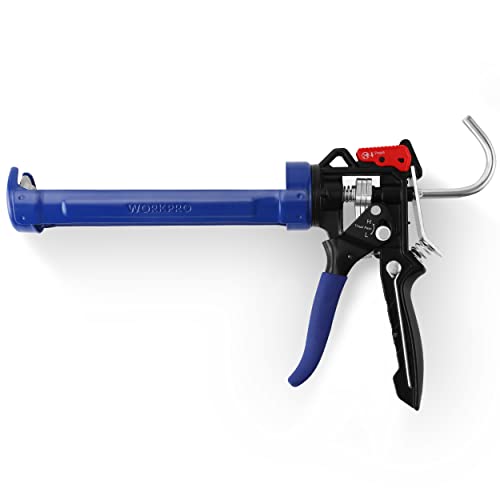

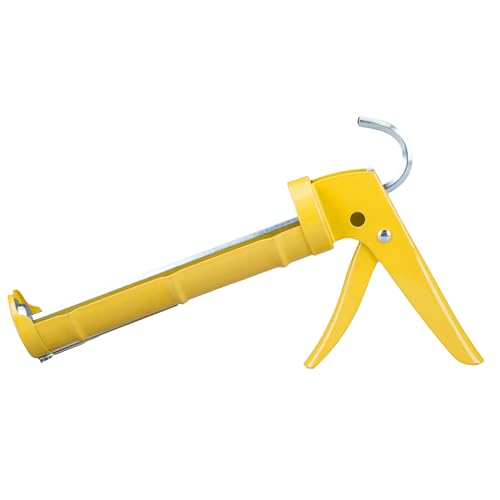
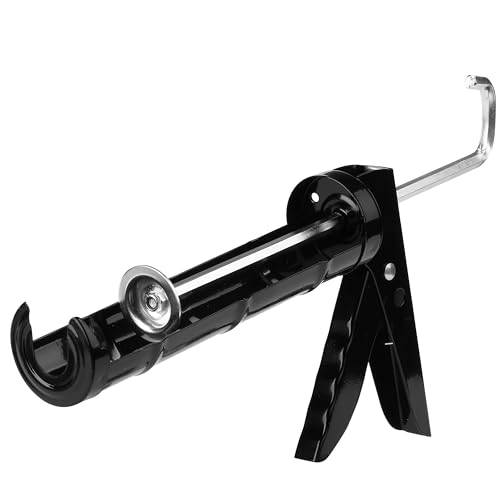
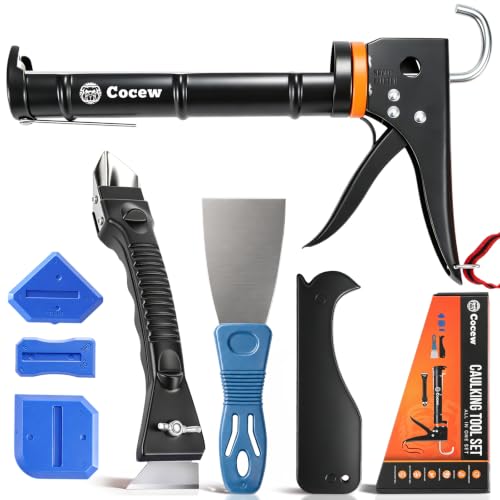

Who Should Buy Which Caulking Gun?
Homeowners Resealing Bathrooms and Kitchens
For a tub surround, a sink rim and a few window edges each year, a smooth rod manual gun with a mid range thrust ratio is all you need. Silicone and latex caulks flow easily, and control matters more than force. The best manual caulking gun designs add a seal puncture tool and spout cutter so one tool handles the whole job.
DIYers Laying Thick Adhesives and Sealants
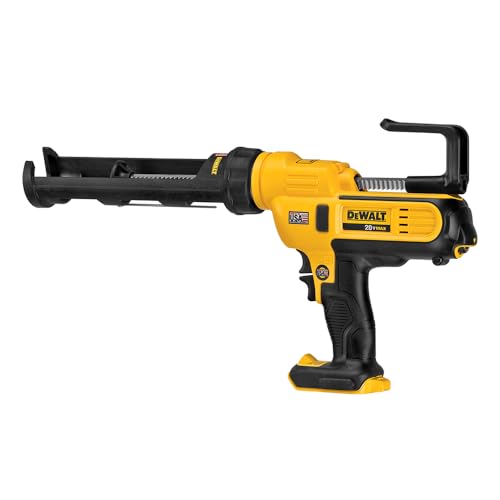
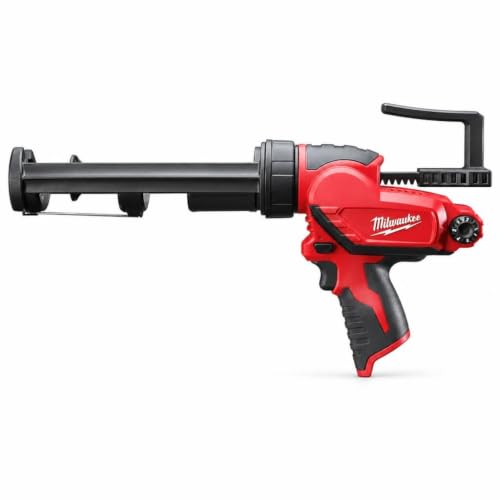
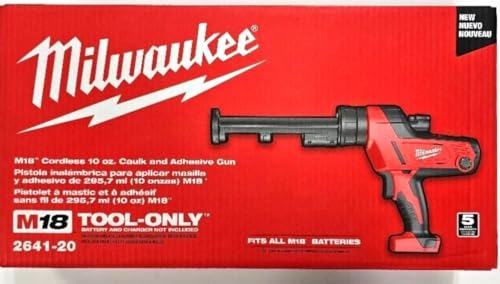
Construction adhesive, roofing sealant and cold butyl are stiff, and a weak gun makes your hand ache before the tube is half empty. If you set subfloor adhesive, anchor bolts or landscape block regularly, powered dispensing changes the job completely. Our guide to the best cordless caulking gun covers the force and speed control these guns offer for high viscosity material.
Pros and Frequent Users Running Sausage Packs
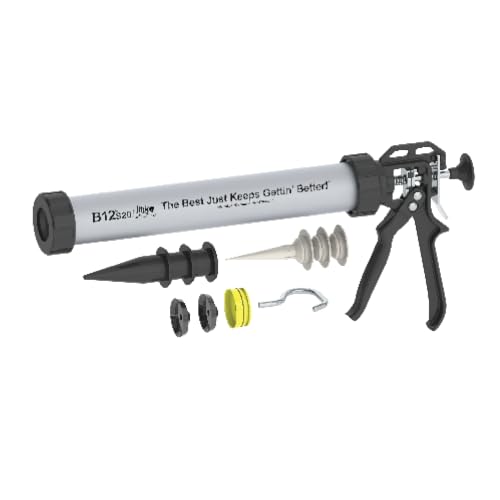
Sausage packs cost less per ounce than cartridges, produce less waste and dominate commercial glazing and siding work. They need a barrel gun with the right pistons and nozzles, sized for 20 ounce packs. If your supplier sells sealant in sausages, the best sausage caulking gun options are the ones built around that format rather than adapted to it.
Key Features to Compare
Thrust Ratio and Material Thickness
Thrust ratio describes how much force the trigger multiplies: at 10:1, ten pounds of squeeze becomes about one hundred pounds of push on the plunger. Thin latex caulk flows happily at low ratios. Thick polyurethane, butyl and construction adhesive want 18:1 or higher, especially in cold weather when every sealant stiffens. Higher ratios move material slower per squeeze, which is a fair trade for control. Match the ratio to the thickest product you use, because a gun that strains on adhesive will also wear your hand out on every other job.
Dripless Control
A standard gun keeps pushing for a moment after you release the trigger, because pressure stays trapped in the tube, and that ooze is what smears beads and wastes sealant. Dripless designs retract the rod slightly the instant you let go, relieving pressure so the flow stops clean. On finish work like tubs and trim, that difference is visible in every corner. Our comparison of the best dripless caulking gun models explains the mechanisms, from spring retraction to instant release levers, and who benefits most.
Frame Style and Barrel Rotation
Skeleton frames are light and cheap but flex under high thrust. Cradle frames support the tube along its length and track straighter, and full barrel guns are required for sausage packs. A rotating barrel earns its keep on corner joints, because you can turn the cut tip to keep the bevel aligned with the joint as you change direction, instead of twisting your wrist. On long runs of baseboard or siding, that small feature keeps beads consistent and your forearm fresh.
Tube and Pack Sizes
Most consumer caulk comes in cartridges around 10 ounces that fit standard frames, while pro adhesives also come in larger 28 to 29 ounce tubes that need a bigger frame and are cheaper per ounce. Sausage packs, usually 20 ounces, load into barrel guns and flatten as they empty, so there is no rigid tube to throw away. Before buying a gun, check what your usual products actually come in at your supplier; a gun sized for the wrong format is a paperweight no matter how good its ratio is.
Built In Cutter and Puncture Tool
Nearly every job starts with two small tasks: cutting the nozzle to size and piercing the inner foil seal. Guns with a built in spout cutter give a clean, repeatable cut at the marked sizes, and a fold out puncture pin reaches the seal without hunting for a nail. These sound like minor conveniences, but the tip cut sets bead size, and a ragged cut from a utility knife is a common cause of lumpy beads. A cutter that trims square, consistent tips pays off on every tube.
Cutting the Tip and Loading the Tube
Cut the nozzle smaller than you think you need, at a shallow angle, because you can always trim more off and a too large opening floods the joint. The opening should be slightly narrower than the joint itself, so the bead is forced into the gap rather than laid on top of it. After cutting, pierce the inner seal fully; a half opened seal surges and sputters. Load the tube, squeeze until sealant just reaches the tip, wipe, and start the bead in an inconspicuous corner while you settle your pace. When you stop mid run, release the rod pressure at once and wipe the tip, or the trapped pressure will keep feeding sealant onto your finished work.
Common Mistakes to Avoid
- Cutting the nozzle too wide at the start, because an oversized opening lays a fat bead that cannot be tooled neatly.
- Forgetting to release rod pressure at the end of a run, because trapped pressure keeps oozing sealant onto the joint.
- Using a low ratio gun on thick adhesive, because your hand tires, the flow turns uneven and the bead breaks.
- Caulking over dusty, wet or soap filmed joints, because sealant sticks to the contamination instead of the surface and peels early.
- Storing a part used tube with the nozzle open, because the sealant cures inside and plugs the tube for the next job.
- Tooling the bead with a dry finger, because dry skin drags and tears the surface instead of smoothing it.
How to Make Your Caulking Gun Last Longer
Wipe the rod, plunger and frame before sealant cures on them, because cured silicone and polyurethane build up fast and jam the mechanism. A little paste wax or a wipe of light oil on the rod keeps it sliding and resists rust in damp garages. Store the gun unloaded with the rod released, so the spring and clutch are not held under tension for months. Clean the cutter blade and puncture pin as well, since a gummed cutter starts tearing tips instead of slicing them. If the trigger begins to slip, check the rod teeth and clutch plate for wear before assuming the gun is finished.
FAQ
What thrust ratio do I need for thick construction adhesive?
Choose at least 18:1 for construction adhesive, polyurethane and roofing sealants, and higher if you work in cold conditions. Temperature matters more than most people expect: a tube that flows fine in a warm garage can feel twice as stiff on a winter job site. Warming the tube to room temperature before loading, and storing tubes indoors overnight, makes any gun feel stronger and gives a smoother bead.
Why does caulk keep coming out after I stop squeezing the trigger?
The tube is pressurized, and the sealant keeps flowing until that pressure bleeds off. Releasing the rod with the thumb lever the moment you stop breaks the pressure on a standard gun. Dripless guns do this automatically by backing the rod off a fraction. Technique helps too: end each run by pulling the gun away with a quick twist as you release, which cuts the strand cleanly instead of dragging it across the joint.
Can one caulking gun handle both tubes and sausage packs?
Some barrel guns can, with a conversion kit that swaps the piston and front cap between formats. They cost more than a basic cartridge gun but make sense if your work mixes retail tubes with pro packs. Check the barrel length before buying, because packs and tubes come in different lengths, and a gun that fits one size may not close on the other. Dedicated guns still handle their format best.
How long does a caulking gun last?
A steel framed manual gun can last for decades, because there is little to wear beyond the rod and clutch. Smooth rod designs tend to outlast ratchet rod guns, whose teeth round off and begin to slip under load. Powered guns depend on their battery platform, but the dispensing mechanism itself is durable. The usual end of life sign is slipping or jerky advance that no cleaning fixes, which means the drive parts are worn.
Is a cordless caulking gun worth it for one bathroom?
For a single bathroom, usually not. A decent manual dripless gun costs little, needs no charging and gives you full control around a tub and vanity. Cordless guns earn their price when the bead count climbs: whole house window sealing, fleets of adhesive tubes on a framing job, or anyone whose grip strength makes long trigger work painful. If your project list is growing in that direction, the upgrade stops being a luxury.
Final Thoughts
Pick the gun by the thickest sealant you use, insist on real drip control for finish work, and size the frame to the format your supplier stocks. Those three decisions matter more than brand or color. Compare the main types in the product table above, cut your tips small, and the best caulking gun for your work will lay beads that need a single light tooling pass and nothing more.


