
Best Cordless Caulking Guns in 2026: A Practical Buying Guide
Disclosure: We may earn a commission when you buy through links on this page, at no extra cost to you. As an Amazon Associate I earn from qualifying purchases. Learn more

Compare cordless caulking guns by push force, speed control, anti drip action and tube size, and learn when powered dispensing beats a manual gun.
Squeezing a manual gun through a long run of construction adhesive is a forearm workout with a messy side effect: the bead surges every time your hand tires. A powered gun removes the effort and, more importantly, keeps the flow steady. Choosing the best cordless caulking gun comes down to push force, speed control, and drip management, because those three decide whether your bead is a clean line or a cleanup project.
This guide compares cordless models on the factors that matter at the joint: dispensing force for thick products, variable speed for fine work, anti drip behavior, tube and sausage pack compatibility, and battery platform. The comparison table below lines up the essentials, and the following sections explain how to match them to your sealing and gluing work.
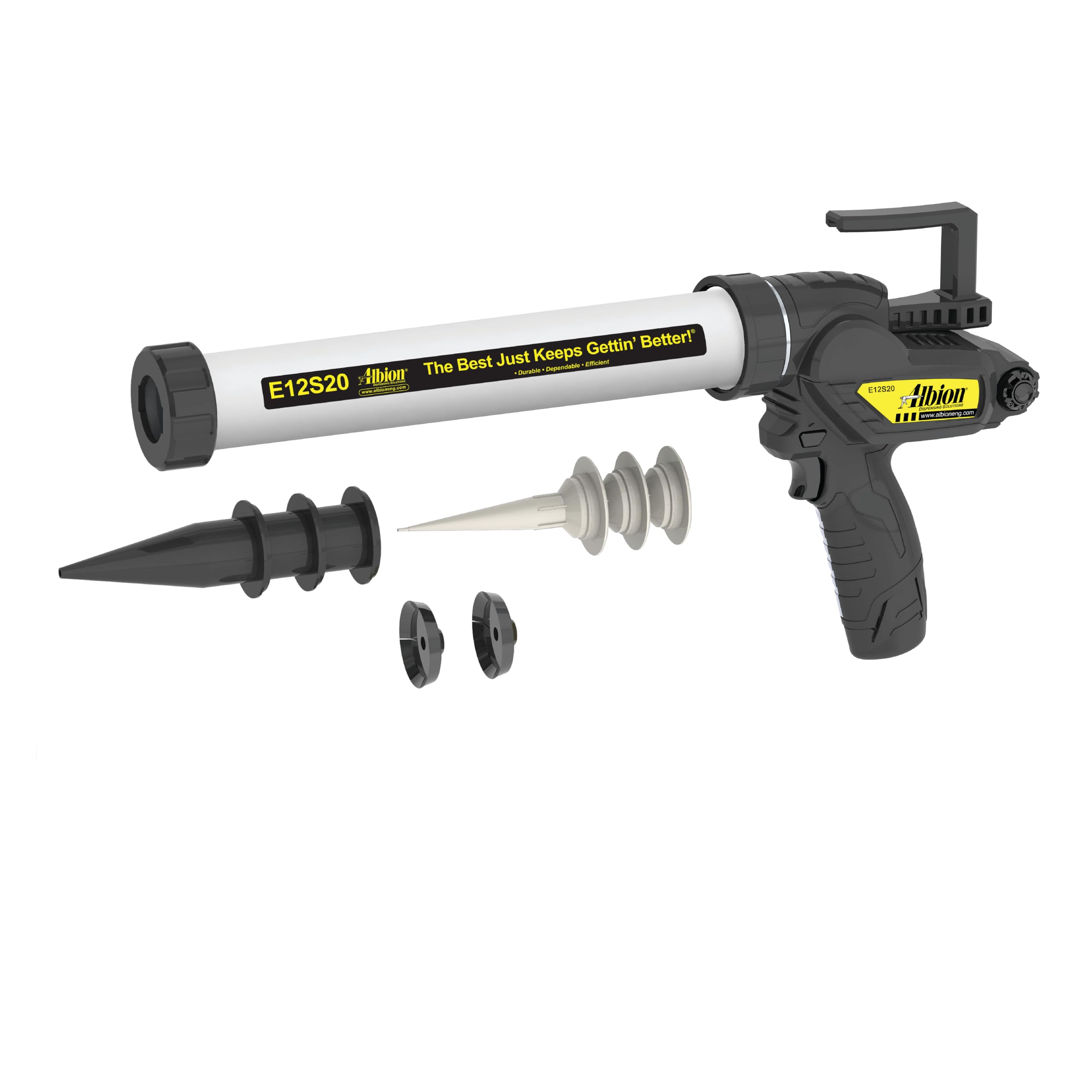
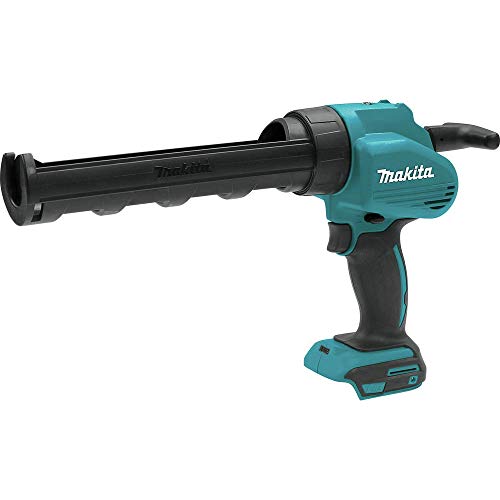


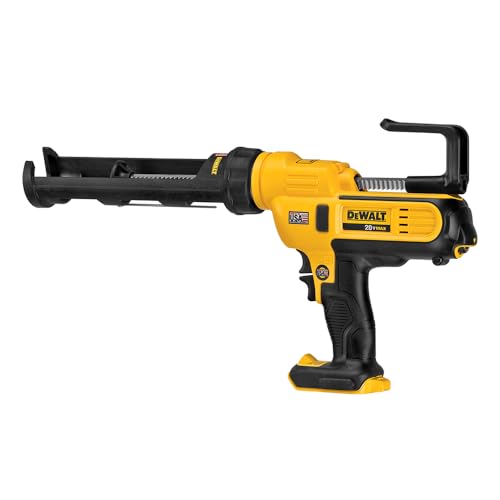
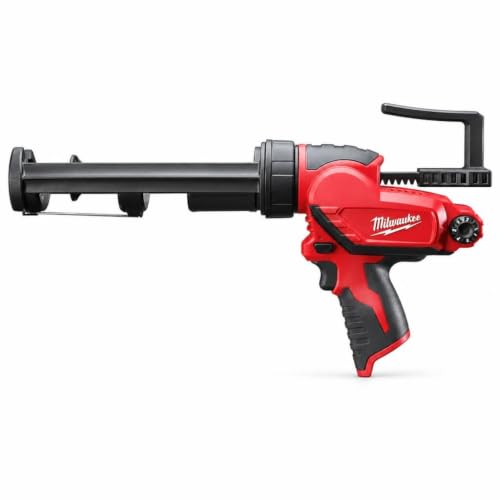

Who Should Buy Which Cordless Caulking Gun?
Contractors running long beads all week
If you seal windows, fit trim, or lay subfloor adhesive daily, powered dispensing pays for itself in speed and consistency within the first week. Choose a gun with high push force, a speed dial you can set and forget, and a battery platform that matches your other tools. Your comparison point is the hand tool class in our guide to the best caulking gun overall, where cordless models now sit at the top for production work.
Homeowners facing a big one time project
A house full of windows to reseal, a bathroom remodel, or a deck to build can justify a cordless gun even for a single season. The bead quality difference is largest for beginners, because the tool handles pressure while you focus on aim and movement. If your project list is genuinely one tube a year, a quality manual model from our guide to the best dripless caulking gun may be the smarter spend, since drip control is what most casual users actually need.
Users dispensing thick adhesives and sealants
Construction adhesive, roofing sealant in cold weather, and high viscosity urethanes can defeat a cheap manual gun and an underpowered cordless one alike. If your tubes are thick products, push force is your headline spec, and you should also check whether the gun accepts larger cartridges or bulk sausage packs, which our guide to the best sausage caulking gun covers for high volume work.
Key Features to Compare
Push force and motor power
Push force, rated in pounds, decides the thickest material the gun can move at a useful speed. Light duty models in the 400 pound class handle latex caulk and silicone easily. Guns rated around 800 pounds or more push cold construction adhesive and stiff urethane without straining. Force you never use costs weight, so match the rating to your thickest regular product. Also note that force and speed trade against each other: many guns slow down automatically under heavy load, which is normal and preferable to a stalled motor.
Speed control and trigger feel
A steady bead is a speed problem, not a pressure problem. Look for a variable speed trigger backed by a maximum speed dial, so you can cap the flow for fine bathroom joints and open it up for long adhesive runs. Test the lowest speed if you can: a gun that creeps smoothly lays hairline beads, while one that lurches at startup floods the joint. Lock off features matter too, because a bumped trigger in a tool bag wastes material and makes a memorable mess.
Anti drip action and rod retraction
When you release the trigger, pressure inside the tube keeps pushing material out. Good cordless guns reverse the rod a fraction the instant you let go, stopping the bead cleanly. This single feature separates pro grade tools from toys, and it matters most with runny silicones. Compare the manual benchmark in our guide to the best manual caulking gun options, where drip control depends on your thumb; powered auto retract does the same job every time, tired or not.
Tube size and sausage pack compatibility
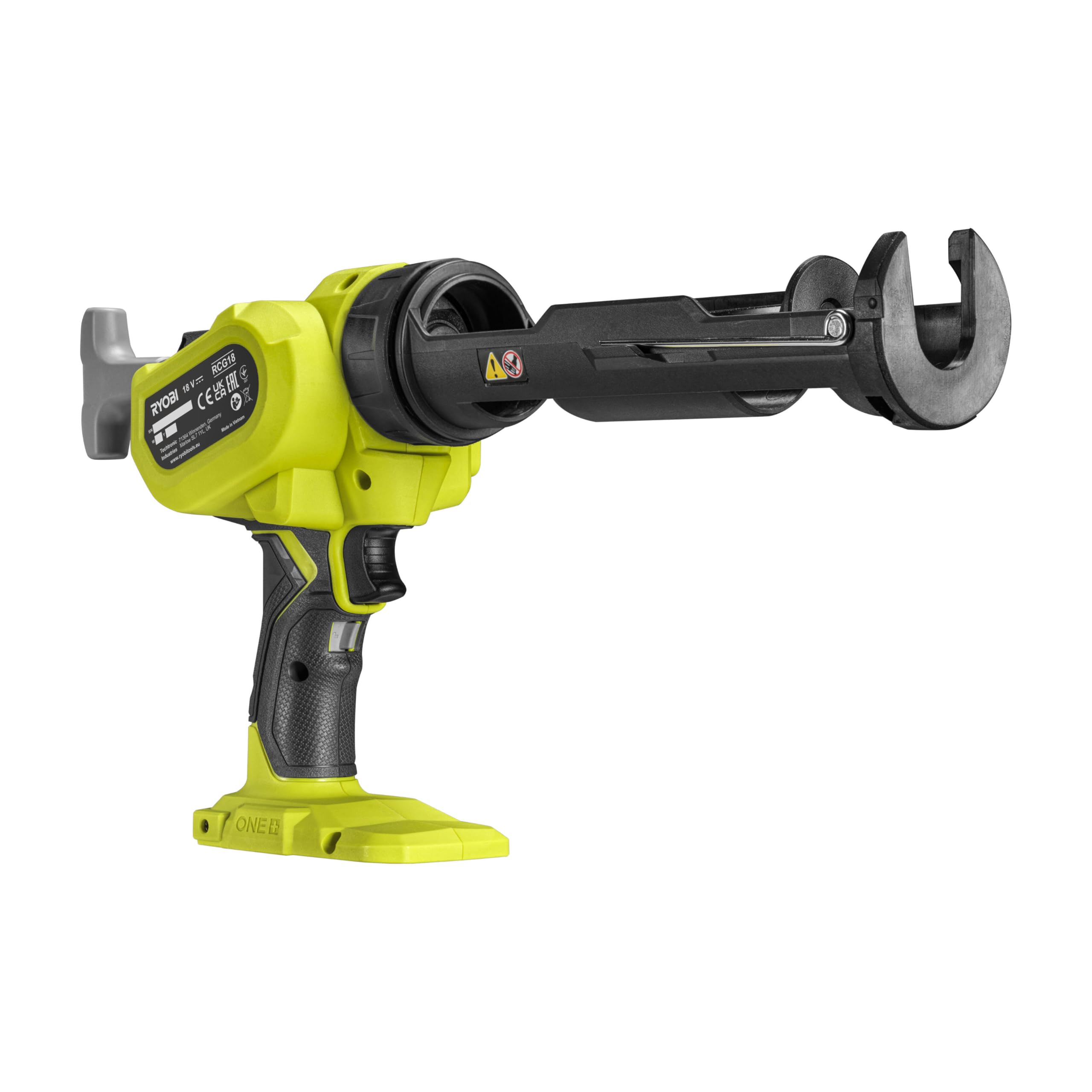
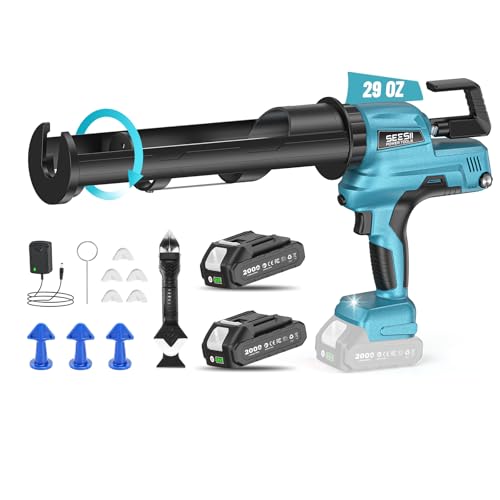
Most cordless guns are built around standard 10 ounce cartridges. Some accept 29 ounce quart tubes for big adhesive work, and some convert to sausage packs with a barrel swap. Check what your gun fits before buying material in bulk, because the wrong format strands you mid project. A rotating carriage helps on corners, letting you turn the tube so the nozzle cut angle stays right as you change direction. Puncture tools and nozzle cutters built into the gun are small conveniences you will use on every tube.
Battery platform, weight, and balance
Caulking is overhead, vertical, and one handed work, so balance beats raw runtime. A compact battery keeps the gun light at the wrist during ceiling joints, while a large pack turns long floor level adhesive runs into a no fatigue job. Staying on your existing platform saves the cost of a second charger ecosystem. Total weight with a mid size battery runs roughly four to six pounds; handle one before buying if you can, because spec sheet weight excludes the tube, which adds meaningful heft at the front.
Cordless Versus Manual: An Honest Split
Manual guns win on price, simplicity, and silence, and a skilled hand with a good ratchet gun lays beads that shame beginners with powered tools. Cordless wins on volume, thick materials, and consistency across a whole day, and it is far kinder to hands with arthritis or grip problems. The crossover point is roughly a few tubes per project: below that, manual is rational; above that, powered stops being a luxury. Many pros carry both, using the cordless gun for production runs and a small manual gun for one joint touch ups where setup time matters more than flow.
Common Mistakes to Avoid
- Cutting the nozzle too large for the joint: excess flow from a powered gun floods fast, so cut small, test, and trim more only if the bead starves.
- Running full speed on finish caulk: high speed lays more material than a bathroom joint can hold, and the cleanup takes longer than the job.
- Skipping the speed dial and riding the trigger: finger fatigue makes flow uneven, while a capped dial keeps the bead steady at any trigger pressure.
- Leaving a tube in the gun between jobs: sealant cures in the nozzle and can skin over inside the carriage, so remove tubes and cap them for storage.
- Forcing cold adhesive without warming the tubes: even strong guns strain on near freezing product, so store tubes indoors the night before big work.
How to Make Your Cordless Caulking Gun Last Longer
Sealant is the enemy of the tool that dispenses it. Wipe the rod, plunger, and carriage after every session, before residue hardens, using the solvent the sealant maker recommends. A thin smear of petroleum jelly on the rod keeps cured drips from bonding to it. Clean the nozzle seat so tubes sit flat, and check the puncture seal area for buildup that can tilt a cartridge. Store the gun without a tube loaded, rod retracted, and battery removed. If flow weakens over time, inspect the rod for dried adhesive ridges before suspecting the motor, since a fouled rod slips in its drive and mimics power loss.
FAQ
Are cordless caulking guns worth it for homeowners?
For a single tube a year, no. For a bathroom remodel, a window resealing project, or any deck build, yes, because the bead quality jump is immediate and the hand fatigue savings are real. The math improves if you already own batteries on the same platform, since a bare tool costs far less than a full kit. Renting is another option for one big weekend. Buy when your project list crosses roughly ten tubes in a season.
What size tubes fit a cordless caulking gun?
Most models take standard 10 ounce cartridges, the size sold everywhere for caulk, silicone, and adhesive. Larger guns accept 29 ounce quart tubes, and convertible models swap barrels for 20 ounce sausage packs. Check the product listing for your exact gun rather than assuming, because carriage length differs by brand. Buying material in the wrong format is the most common first week frustration with these tools, and it is entirely avoidable with one measurement of your current tubes.
Can a cordless caulking gun handle construction adhesive?
Yes, provided the push force rating is up to it. Look for ratings in the higher part of the range, around 800 pounds of force, for cold or stiff adhesives. Warm tubes to room temperature before use, cut a generous nozzle opening, and run a moderate speed so the motor works steadily instead of surging. Thin latex and silicone products ask far less of the tool, so if adhesive is your main use, buy for adhesive and everything else becomes easy.
How do you stop a cordless caulking gun from dripping?
Start with a gun that has automatic rod retraction, then support it with technique: release the trigger a moment before the end of the bead, keep the nozzle moving as flow stops, and wipe the tip. Material choice matters too, since thin silicones ooze more than stiff acrylics. If your gun lacks auto retract, manually ease the rod back with the release lever at each stop. Practise on cardboard with a new product to learn its run on behavior before touching finish work.
How long does a battery last in a cordless caulking gun?
Far longer than most users expect, because dispensing draws modest power. Makers often rate output in tubes per charge, and figures in the range of one hundred or more standard tubes on a mid size pack are common for latex products. Thick adhesive cuts that sharply. In practice, one charged battery outlasts a full day of residential sealing for most people. Keep a second pack only if you run adhesive all day or work where charging is impossible.
Final Thoughts
Match push force to your thickest product, insist on real speed control and automatic drip stopping, and buy into the battery platform you already own. That formula makes choosing the best cordless caulking gun straightforward, and the product table above shows how current models divide on those points. Your hands, and your finish lines, will notice the difference on the very first tube.


