
Best Caulking Guns for Silicone in 2026: A Complete Buying Guide
Disclosure: We may earn a commission when you buy through links on this page, at no extra cost to you. As an Amazon Associate I earn from qualifying purchases. Learn more

Silicone needs steady pressure and a clean stop. Thrust ratio, dripless release and frame style decide which gun lays a smooth bead.
Silicone is less forgiving than latex caulk. It skins over fast, sticks to everything it touches, and keeps oozing from the tube after you let go of the trigger, so a sloppy gun turns a simple reseal job into a smearing cleanup. The best caulking gun for silicone gives you steady pressure, a clean stop at the end of each bead, and enough control to lay one smooth line instead of three wobbly ones.
This guide focuses on the specs that change how silicone behaves in the gun: thrust ratio, dripless release, drive type, frame style and tube size. Use the comparison table below to see how current models line up, then read on to match a gun style to the size and pace of your sealing work.
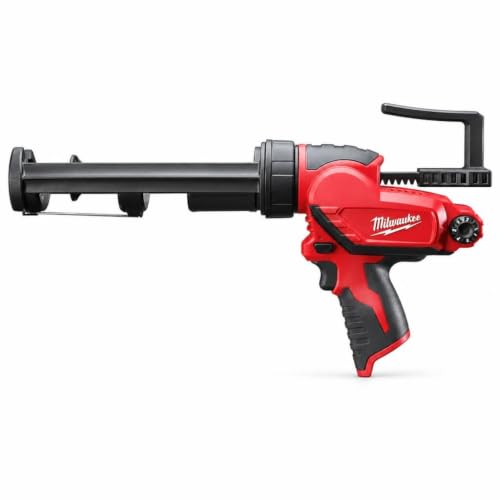
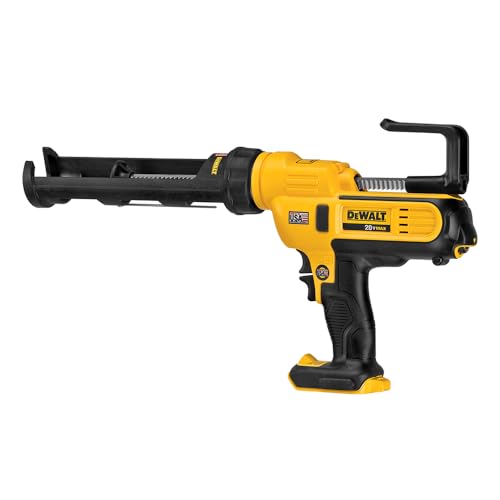
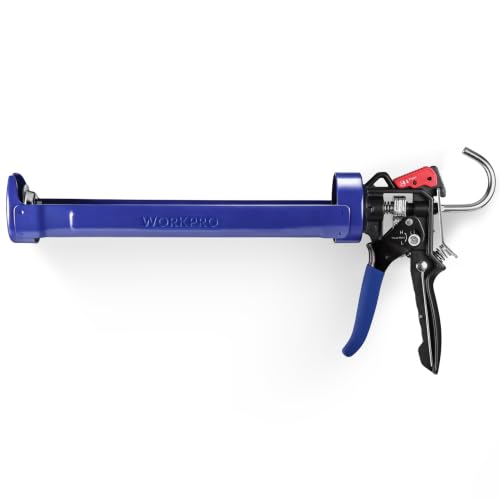
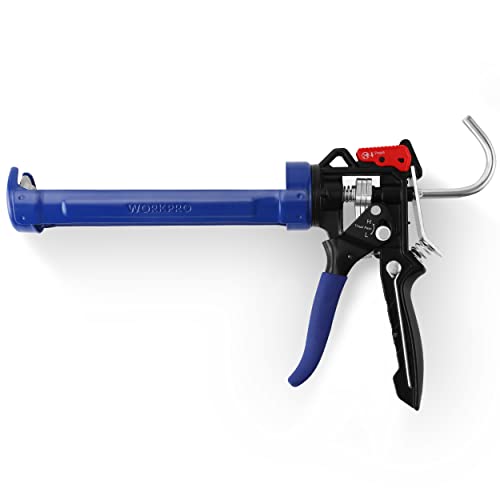

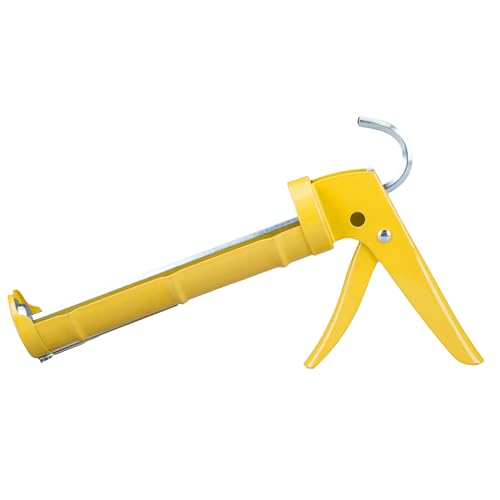
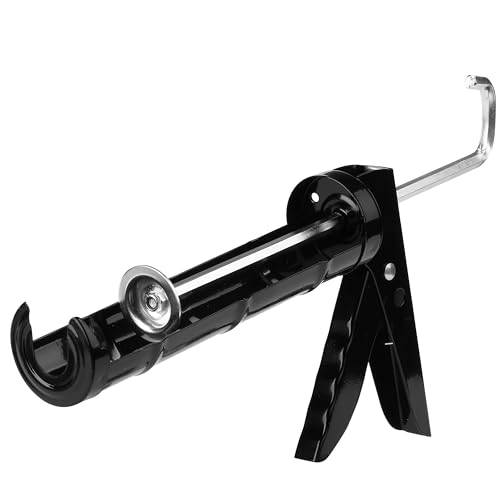
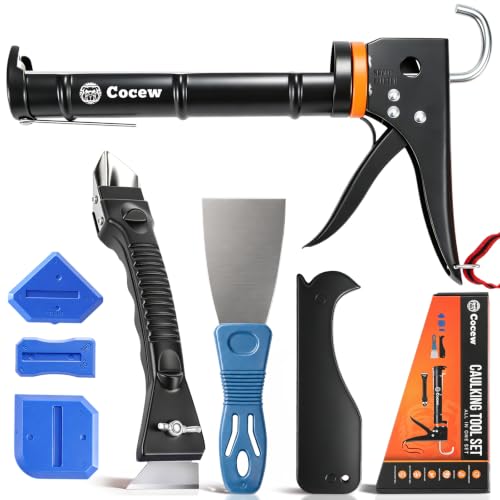


Who Should Buy Which Caulking Gun for Silicone?
Caulking guns look similar on the shelf, but the right choice depends on how much silicone you run and how long your beads are. If you want the broader picture first, our guide to the best caulking gun covers every sealant type, while the three groups below focus on silicone work in particular.
Homeowners resealing one bathroom or kitchen
If your jobs are a tub surround, a kitchen sink and a backsplash every few years, a manual dripless gun is all you need. Beads are short, so hand effort stays low, and the pressure release matters more than power because it stops silicone from creeping out while you reposition. Guns in this class cost around $15 to $30, store in a drawer, and pair well with standard 10 oz tubes from any hardware store.
Window, door and shower installers
Installers run long, unbroken beads where a single pause or surge shows in the finished line. A rotating barrel helps here, because the angled nozzle can follow corners and frames without twisting your wrist. Cold silicone on winter jobs also pushes back harder, so a higher thrust ratio or a cordless gun with a steady feed rate keeps the bead uniform from the first foot to the last.
Landlords and maintenance crews sealing many units
When you reseal showers and sinks across dozens of units, cleanup time costs more than the gun does. Cordless models with variable speed and automatic retraction lay beads at a repeatable pace and stop cleanly at every corner, which cuts wiping and rework. Crews also benefit from guns that swap tubes fast, since a half empty tube change mid bead is where most silicone mess starts.
Key Features to Compare
Five specs decide how a gun handles silicone. Compare these before you look at prices, because two guns at the same price can behave very differently once a tube is loaded.
Thrust ratio and pushing force
Thrust ratio describes how much pushing force one trigger squeeze creates. A 12 to 1 ratio moves the rod a short distance with moderate force, which suits most silicone at room temperature. Higher ratios such as 18 to 1 or 26 to 1 trade feed speed for force, and they shine with thick formulas or cold tubes that resist flowing. Because silicone flows more easily than construction adhesive, control matters more than brute force, and most users are happiest in the 12 to 1 to 18 to 1 range.
Dripless release and rod style
Silicone stays under pressure inside the tube, so it keeps pushing out after you stop squeezing. Dripless designs solve this by retracting the rod slightly the moment you release the trigger, and our guide to the best dripless caulking gun explains the release mechanisms in detail. Rod style matters just as much: a smooth rod driven by friction plates feeds evenly, while a notched ratchet rod advances in clicks that surge and stall, which is exactly what a visible silicone bead cannot hide.
Manual, cordless and pneumatic drive
Manual guns are cheap, light and give direct feel, but your hand sets the pace and fatigue shows on long runs. The better designs in our guide to the best manual caulking gun reduce that effort with strong frames and smooth rods. Cordless guns hold a constant feed rate you set with a speed dial, which is why pros favor the style covered in our guide to the best cordless caulking gun for all day work. Pneumatic guns need a compressor and suit shop settings more than bathrooms.
Frame style and rotating barrels
Skeleton frames are light and cheap, but they can flex under load and let the tube shift. Cradle or half barrel frames support the tube along its length, so pressure goes into the sealant instead of bending the gun. A rotating barrel takes this further by letting you turn the tube inside the frame, keeping the angled nozzle flat against the joint as you move around corners, frames and fixtures without changing your grip.
Tube size, loading and built in tools
Most guns accept standard 10 oz tubes, while longer frames also fit 29 oz quart tubes that cut changeovers on big jobs. Check that the rod travel matches the tube length you plan to run. Two built in tools save real frustration: a seal punch that opens the foil inside the nozzle neck, and a tip cutter that trims the nozzle to size. Guns built for sausage packs use a different barrel system, so confirm the format before you buy if you use foil packs.
Setting Up the Gun for a Clean Silicone Bead
Good beads start before the trigger moves. Cut the nozzle tip to match the joint width, since an opening that is slightly smaller than the gap lets the bead fill without spilling onto both faces. Pierce the inner foil seal fully with the seal punch, because a half opened seal makes the flow pulse and spit as pressure builds and releases.
Load the tube, advance the rod until silicone just reaches the tip, and wipe that first dab away. For wide or highly visible joints, run tape along both edges so any excess lifts off with the tape. Then work in one steady pass at a consistent speed, and tool the bead with a wet finger or a shaping tool within a few minutes, because silicone skins over quickly and dragging a dry skin tears the surface.
Common Mistakes to Avoid
- Choosing a cheap ratchet rod gun for silicone, so the bead surges and stalls instead of flowing in one even line.
- Leaving the rod pressure on at the end of a run, which lets silicone keep oozing and smear the next surface you touch.
- Cutting the nozzle opening too large, which lays more silicone than the joint can hold and doubles your cleanup.
- Using a low thrust gun with cold or thick silicone, so hand fatigue makes your squeeze uneven halfway through long beads.
- Piercing the foil seal only once or not at all, which causes pulsing flow and air pops along the bead.
How to Make Your Caulking Gun Last Longer
Silicone is easy to remove while wet and stubborn once cured, so wipe the rod, plunger and frame with a dry rag as soon as you finish a tube. A clean rod matters because the friction plates and the rubber plunger seal grip it directly, and a film of cured sealant makes both slip. A drop of light oil on the rod once in a while keeps the drive smooth and slows rust on steel parts.
Store the gun with the pressure released and the rod pulled back, which keeps the plunger seal from taking a permanent set against a tube. Hang it by its hook or lay it flat rather than tossing it into a toolbox where the frame can bend. If the plunger gasket cracks or the cutter dulls, replace those small parts before blaming the whole gun, since they drive most late life complaints.
FAQ
What is the best caulking gun for silicone?
The right choice is a gun with a smooth rod, a working dripless release and a thrust ratio of at least 12 to 1. Manual models in that spec suit occasional bathroom and kitchen work, while cordless models earn their price when you run long beads daily. A rotating barrel is the one upgrade worth seeking out if your joints turn many corners.
What thrust ratio does a caulking gun need for silicone?
At room temperature, 12 to 1 handles most silicone comfortably. Silicone thickens in cold weather, so a gun working in an unheated garage or on winter window jobs feels smoother at 18 to 1. Very high ratios slow the feed rate, which makes small touch up beads tedious, so match the ratio to your coldest and thickest typical job rather than buying the highest number.
Why does silicone keep coming out after I release the trigger?
The tube stores pressure while you squeeze, and that pressure keeps pushing sealant out until it equalizes. Dripless guns solve this by backing the rod off automatically. On a basic manual gun, press the release plate and pull the rod back slightly at the end of each bead, a habit that stops most nozzle drool between runs.
Can one caulking gun run both silicone and construction adhesive?
Yes, as long as the gun has enough thrust and a frame that will not flex. Adhesive is far thicker than silicone, so look for 18 to 1 or higher and a sturdy cradle frame. Wipe the rod clean when switching products, because dried adhesive on the rod can score the plunger seal and cause slipping later.
How do you remove cured silicone from a caulking gun?
Let stray silicone cure fully, then peel and scrape it off with a plastic scraper, since cured silicone releases from smooth metal in pieces. Avoid soaking the whole gun in strong solvents, which can attack plastic handles and the rubber seal. Prevention is easier: cap or tape the nozzle between uses so the tip does not cure into a plug inside the gun.
Final Thoughts
Silicone rewards control far more than power. Match the thrust ratio to the thickest and coldest sealant you run, insist on a smooth rod with a real pressure release, and pick the drive type that fits your longest typical bead. Check the product table above for current models that fit those specs, and the best caulking gun for silicone for your work will be the one whose bead you can stop exactly where you intend to.


