
The Best Centrifugal Water Pumps: Buying Guide and Top Picks for 2026
Disclosure: We may earn a commission when you buy through links on this page, at no extra cost to you. As an Amazon Associate I earn from qualifying purchases. Learn more

Compare the best centrifugal water pumps by flow, head height, priming, and build, with sizing and care tips to match a pump to your water job.
A centrifugal pump looks simple from the outside, yet the wrong one can move too little water, lose prime at the worst moment, or wear out a season too soon. Shoppers comparing the best centrifugal water pumps usually need one clear answer: how much water will this pump move, how high, and how reliably at my site. This guide walks through the specs that decide that answer, in plain language you can use while you shop.
You will learn how to match flow and head to your job, why priming and materials matter more than a big horsepower number, and which mistakes shorten pump life. Use the comparison table below to narrow your shortlist, then check each model against the sizing steps in this guide before you order.
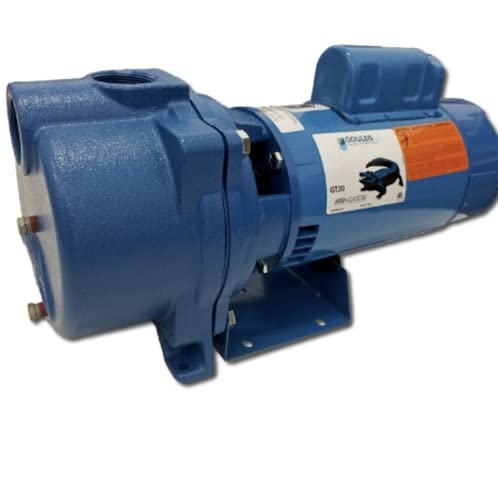
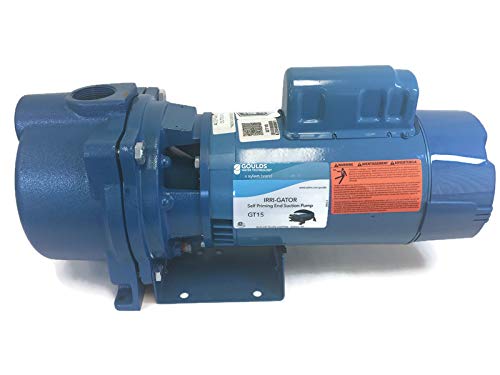

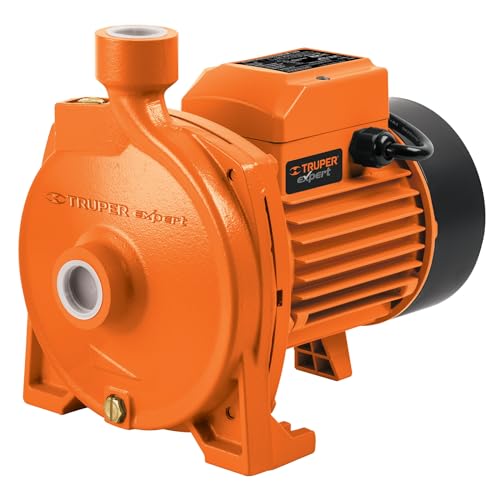


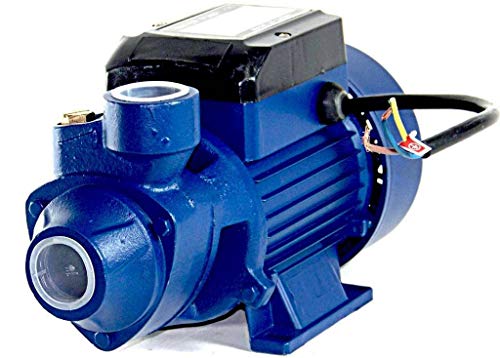

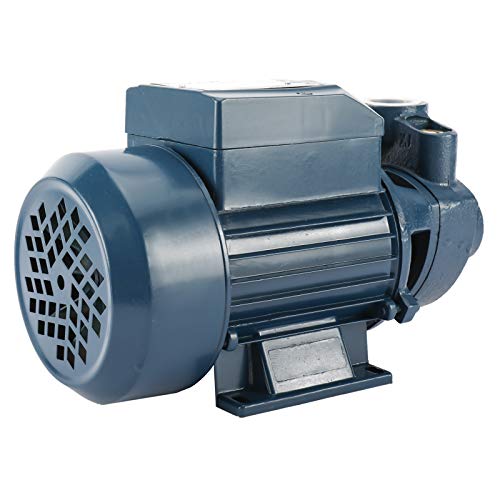

Who Should Buy Which Centrifugal Water Pump?
Homeowners Who Move Water Around the Property
You are draining a low corner of the yard, emptying a rain barrel, filling a stock tank, or pulling water from a shallow well or cistern for household use. A mid size electric model with moderate flow and a sturdy cast iron or thermoplastic housing usually fits, and quiet running matters if the pump sits near living space. If your source sits below the pump, pay special attention to priming and suction limits, because that single detail decides whether the pump starts easily or frustrates you every time.
Garden and Small Farm Irrigation Users
You need steady flow to sprinklers, drip lines, or long hoses across beds and small fields. Your priority is flow at real pressure over distance, not the peak flow printed in large type, since sprinklers only pattern well when pressure stays up at the far end of the line. Look for a pump rated for continuous duty, with an impeller material that tolerates gritty pond or ditch water. A slightly larger motor that runs comfortably below its limit will usually outlast a smaller pump pushed hard all day.
Contractors and Owners Who Drain and Transfer Often
You move water often, from flooded basements and job sites to tanks and ponds, and downtime costs you money. Portability, fast setup, and parts you can replace in the field matter as much as raw flow, and you can compare task specific options in our guide to the best water transfer pumps. Choose a frame mounted or wheeled model with protected controls and a seal design your local shop can service. For you, warranty support and a dealer network nearby can be worth more than a small price saving.
Key Features to Compare
Flow Rate and What It Means at Your Job
Flow rate, listed in gallons per minute or gallons per hour, tells you how much water the pump moves when conditions are ideal. That peak number drops as you add lift, hose length, elbows, and filters, so a pump that looks generous on paper can feel weak at the end of a long line. Start by timing your real need, such as how fast a tank must fill or a flooded area must drain, then pick a pump that still meets that need after losses. Buying far beyond your need wastes money and can stir up sediment that clogs lines.
Total Head and Lift Height
Head is the total height and resistance the pump must push water against, and it is the spec buyers most often get wrong. It combines the vertical lift from the water surface to the outlet, the drop in pressure from friction in hoses and fittings, and any pressure you still need at the nozzle or sprinkler. Every pump has a shutoff point where flow falls to zero, and useful flow lives well below that point. Match your working head to the middle of the pump curve, where flow stays strong and the motor runs cool and steady.
Priming and Suction Ability
Most centrifugal pumps are not self priming in the strict sense, and even self priming models need the pump case filled with water before the first start. Suction lift is limited by physics, and in practice most surface pumps pull reliably only from about 20 to 25 feet above the water, with less at high altitude or with warm water. A foot valve at the end of the suction line helps hold prime between runs. If your source is a deep well, a surface pump is the wrong tool, and our guide to the best water well pumps covers the submersible and jet options built for that job.
Impeller, Housing, and Seal Materials
Materials decide how the pump handles grit, chemicals, and years of wet storage. Cast iron housings shrug off knocks and hold alignment well, while thermoplastic housings resist rust and weigh less, which suits portable use. Impellers come in cast iron, brass, stainless steel, and engineered plastic, and abrasive water wears soft plastic fastest. The mechanical seal is the part that most often ends a pump service life, so ceramic and carbon seal faces are a good sign. If you pump sandy water often, ask about replaceable wear plates before you buy.
Inlet and Outlet Size and Power Source
Port size limits flow more than many buyers expect, because a small outlet chokes a strong pump the way a narrow hose chokes a faucet. Match hose and pipe size to the ports, and avoid reducing the suction line, since starved suction causes noise, vibration, and cavitation damage inside the impeller. Power choice also shapes use: electric models suit fixed sites near an outlet, gas models free you from cords on remote land, and our guide to the best solar water pumps explains where sun powered models make sense for remote tanks and ponds.
How to Size and Set Up a Centrifugal Pump
Start with three numbers from your site: the height from the water surface to the pump, the height from the pump to the highest outlet, and the length of hose or pipe between them. Add the pressure you need at the end, such as enough to run a sprinkler, and you have a working estimate of total head. Then read the pump curve, not just the headline specs, and confirm the pump delivers your target flow at that head. This five minute check prevents the most common sizing error, which is buying on peak flow alone.
Place the pump as close to the water source and as low as you safely can, because a short, straight suction line primes faster and holds prime better. Keep the suction line airtight, sloping gently up toward the pump with no high spots where air can collect. Fill the case fully before starting, open the discharge, and let air purge until a solid stream flows. If the pump will sit outdoors, give it a ventilated cover that sheds rain while letting heat escape, and set it on a firm pad that keeps vibration and mud away from the motor.
Common Mistakes to Avoid
- Buying on peak flow alone, so the pump delivers too little water once lift and hose friction are added.
- Running the pump dry, so the mechanical seal overheats and fails within minutes.
- Reducing the suction hose size, so the impeller cavitates and pits from the inside.
- Placing the pump too far above the water, so it loses prime and needs constant attention.
- Ignoring grit in the source water, so an unprotected impeller wears until flow drops off sharply.
- Skipping a foot valve or check valve, so the suction line drains and every start becomes a repriming chore.
How to Make Your Centrifugal Water Pump Last Longer
Most centrifugal pump wear is slow and preventable, and a short routine after each season of use pays off in years of service. Drain the case fully before freezing weather, since ice expansion can crack a housing in a single cold night. Flush clean water through the pump after moving pond, ditch, or flood water, because grit left inside keeps grinding at the impeller and seal while the pump sits. Store the pump dry, indoors where you can, with ports capped to keep insects and debris out.
During the working season, listen for new noises, since a rising whine or rattle often warns of cavitation, a worn bearing, or debris in the case long before flow drops. Check the suction screen and foot valve monthly in heavy use, and clear leaves and sediment before they starve the pump. Keep spare seals and gaskets on hand if your pump works daily, and record the model and serial numbers in your phone so parts orders take minutes. For a broader view of pump types and upkeep, see our guide to the best water pumps.
FAQ
What features matter most when buying a centrifugal water pump?
Flow at your real head height matters most, followed by priming reliability and materials. A pump curve tells you more than headline numbers, so check flow at the lift and distance of your site. One point buyers miss: check the duty rating, because a pump built for occasional transfer may overheat in daily irrigation even when its flow numbers look right.
How long does a centrifugal water pump last?
A centrifugal water pump often lasts about 8 to 15 years in home use when it stays primed, runs within its curve, and gets drained before freezes. Daily commercial use shortens that span. The seal and bearings usually wear first, and both are replaceable on many mid range models, so a pump that still has good housing and impeller condition is often worth repairing rather than replacing.
Are expensive centrifugal water pumps worth it?
Expensive models are worth it when you pump often, pump gritty water, or cannot afford downtime during a flood or irrigation window. You pay for better seals, thicker housings, and parts support rather than higher peak flow. A useful test is cost per season: a pump that lasts twice as long and needs one seal change usually beats a cheap pump replaced twice, even before you count the jobs it saved.
How do I maintain a centrifugal water pump?
Basic maintenance is flushing after dirty water, draining before freezes, and keeping the suction screen clear. Beyond that, check mounting bolts and hose clamps each season, since vibration loosens hardware slowly and a small suction leak can mimic a failing pump. If flow falls, inspect the impeller eye for wrapped string or debris first, because that simple blockage causes many service calls that owners could have cleared in ten minutes.
How much should I spend on a centrifugal water pump?
Most homeowners spend about $100 to $300 for a dependable electric model, while heavy duty cast iron and gas powered pumps run about $300 to $700. Spending more mainly buys durability, seal quality, and service support. Before you stretch your budget, price the hoses, foot valve, and fittings too, because a complete setup often adds about $50 to $150 to the pump price and skimping there undermines a good pump.
Can a centrifugal water pump run dry safely?
No, a standard centrifugal water pump should not run dry, because the water inside cools and lubricates the mechanical seal. Even a few dry minutes can warp seal faces and start a leak that grows with every run. If your site risks dry running, such as a tank that can empty, choose a model with dry run protection or add a float switch that cuts power when the source runs low.
Final Thoughts
The right pump is the one whose curve fits your site: enough flow at your real head, reliable priming from your source depth, and materials that suit your water. Compare the product table above against those three checks, and favor seal quality and parts support over a headline horsepower number. Chosen that way, the best centrifugal water pumps stop being a gamble and become simple plumbing math.
Prices and availability can change, so check the product page before ordering.


