
Best Chlorine Generators: Matching the Right Model to Your Routine for 2026
Disclosure: We may earn a commission when you buy through links on this page, at no extra cost to you. As an Amazon Associate I earn from qualifying purchases. Learn more

Pick a salt chlorine generator by pool size, pump schedule and cell life, so you get the right fit the first time.
A chlorine generator, usually called a salt chlorinator, turns dissolved pool salt into chlorine inside a cell plumbed into your return line, so your pool sanitizes itself a little at a time instead of relying on daily doses of tablets or liquid. The best chlorine generators are not the ones with the longest feature list. They are the ones sized correctly for your pool, matched to your pump schedule, and easy for you to adjust through the season.
This guide matches each type of system to a real routine, and the comparison table below collects the current options in one place so you can check sizing and prices side by side.
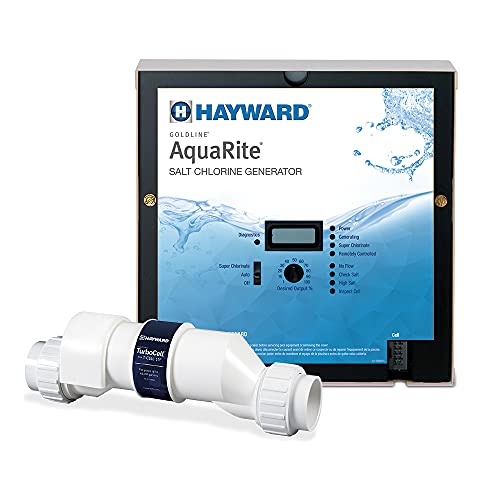

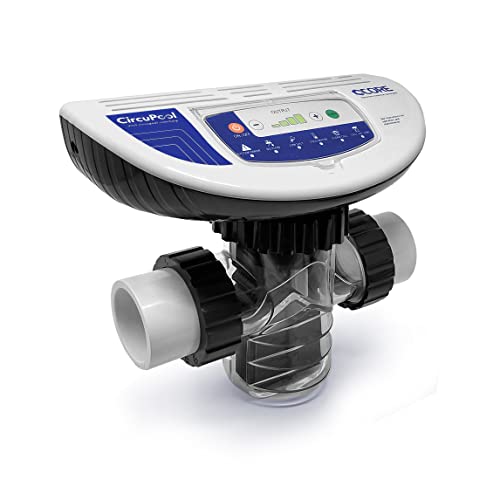


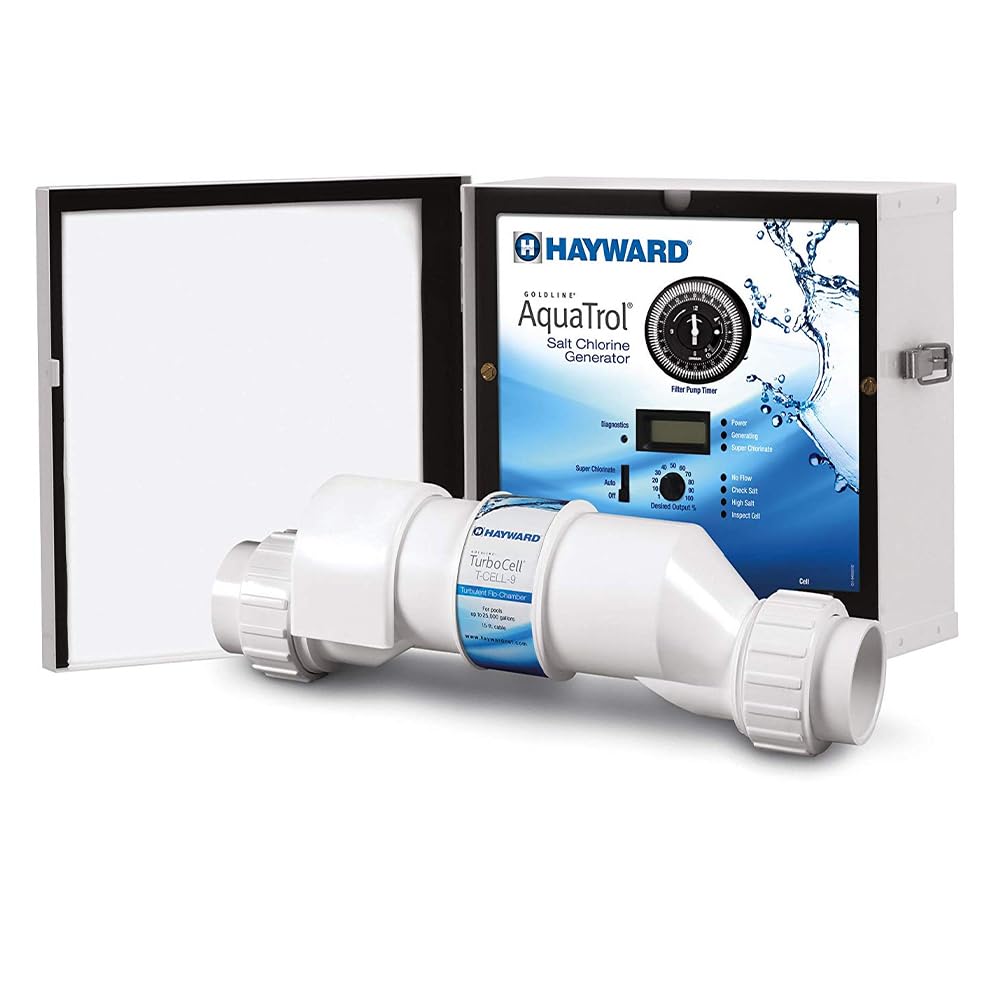

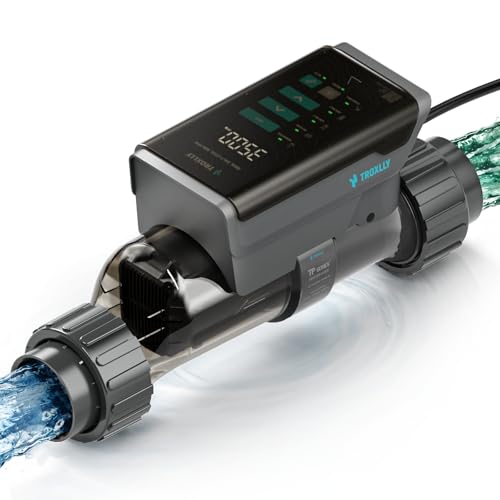
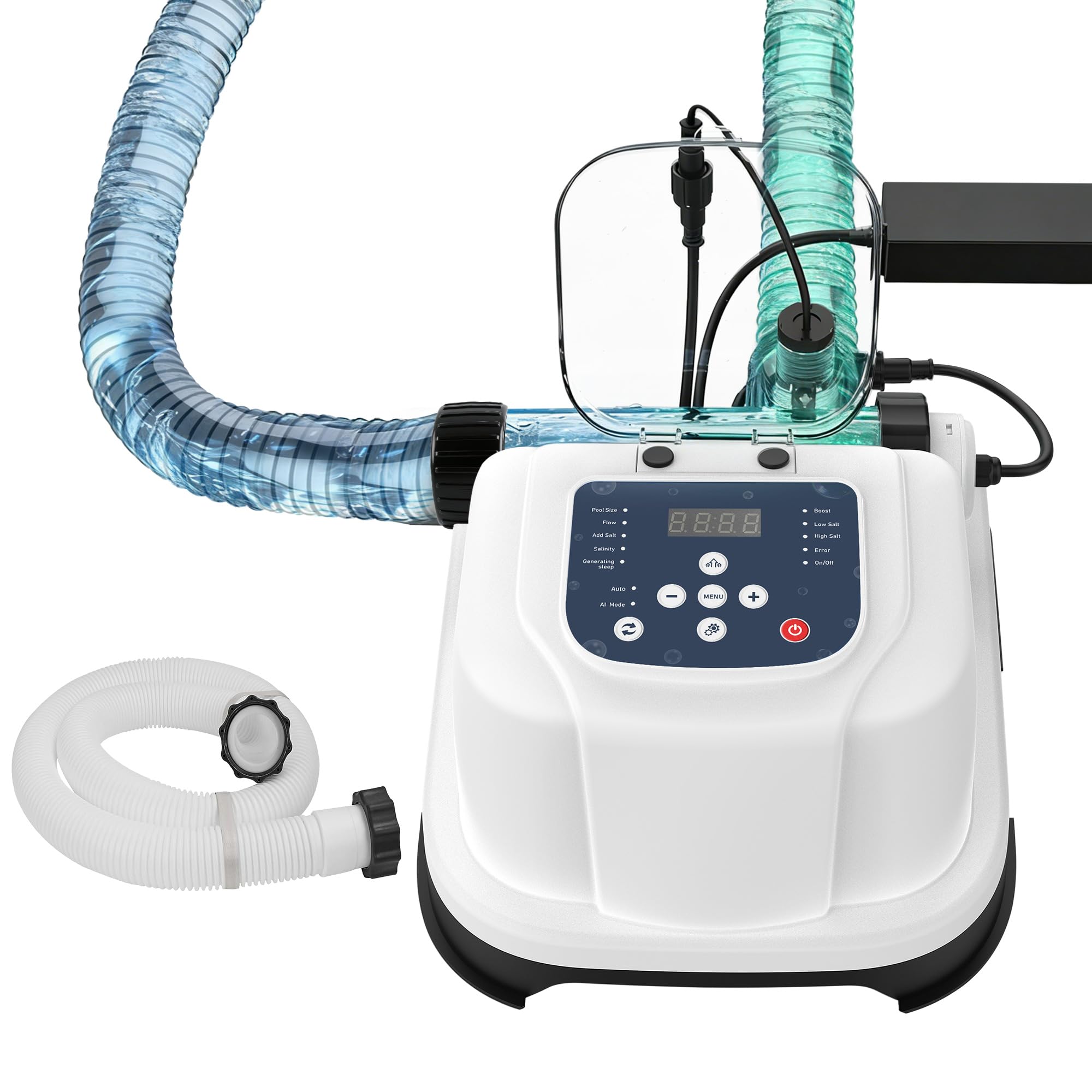
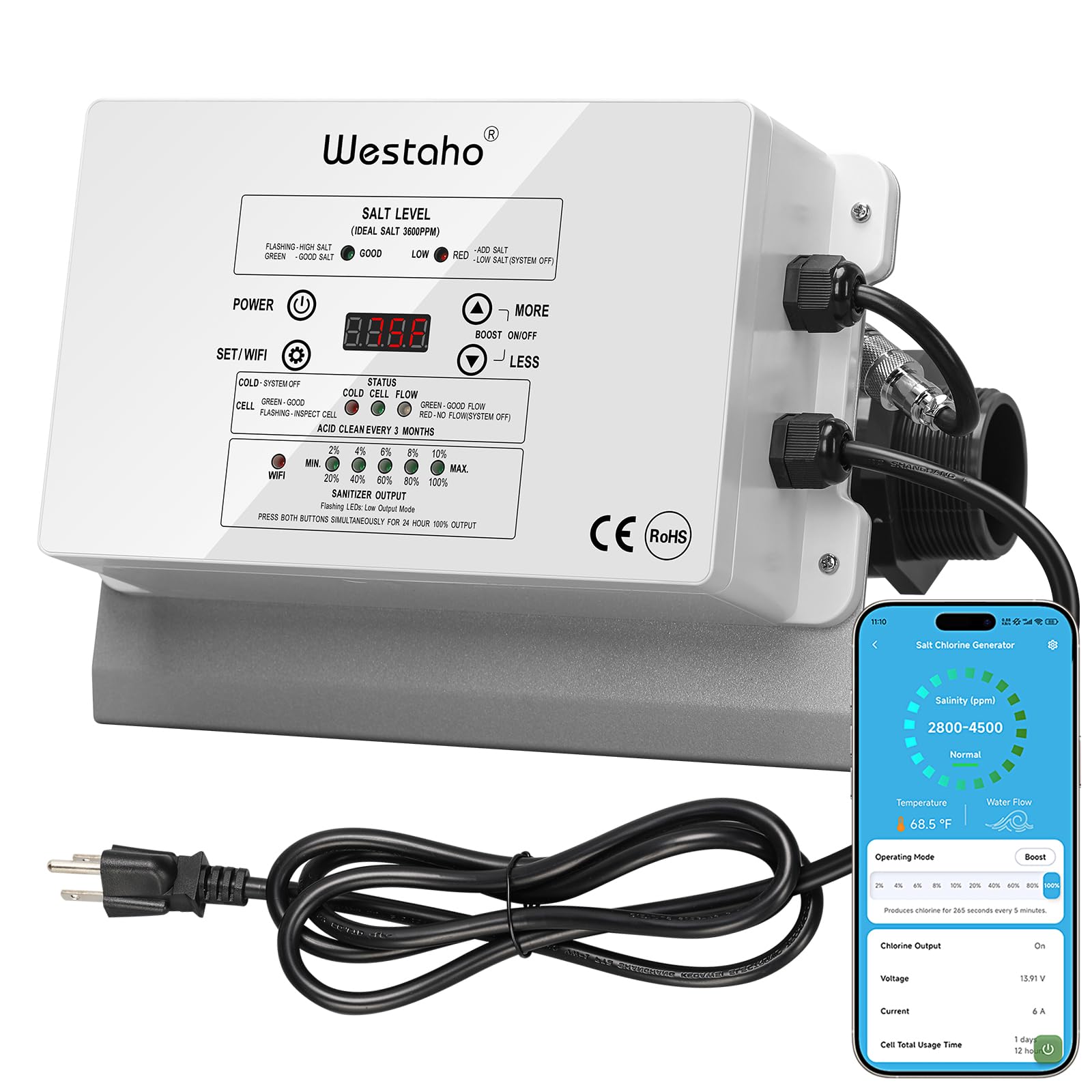
Who Should Buy Which Chlorine Generator?
Owners of Small Pools and Above Ground Pools
If your pool holds under about 15,000 gallons and you open it for a few months each year, a compact system rated a little above your volume is usually enough. You run shorter pump cycles, so look for a cell that produces its rated output without needing the pump on all day. Simple dial controls suit you well because you adjust output only when the weather changes. A clear salt reading and a low salt warning protect you from the one mistake small pool owners make most, which is letting the salt level drift.
Busy Families With Midsize Inground Pools
For a family pool of about 15,000 to 30,000 gallons that gets daily use all summer, steady output matters more than peak output. Choose a system rated well above your volume, since a larger cell running at a lower percentage lasts longer and holds chlorine steady through heat waves and swim parties. A boost mode helps after heavy use, and a digital display showing salt level and output percentage saves guesswork.
Owners Who Want Automation and Hands Off Care
If your pool already has an automation system controlling the pump, heater, and lights, pick a chlorinator built to communicate with that same platform. The automation panel can then raise or lower output, report salt level, and flag a dirty cell without you opening the equipment pad. This group should also value long cell warranties and widely available replacement cells, since you plan to keep the setup for many seasons. A larger rated cell helps here too, because automated pools often run pumps at low flow for long hours.
Key Features to Compare
Chlorine Output and Pool Size Rating
Output is the heart of the comparison. Manufacturers rate each system by maximum pool volume in gallons and by chlorine production per day, often stated in pounds per day at full output. Treat the volume rating as a ceiling for mild climates, not a target. In hot sunny regions, or with heavy daily use, choose a system rated for roughly one and a half times your pool volume. A bigger cell loafing along at 40 percent output will outlast a small cell pushed at 100 percent, and it gives you spare capacity after a storm or a party, when demand spikes.
Salt Level Range and Readings
Most salt chlorinators work in a band of about 2,700 to 3,400 parts per million of salt, with a sweet spot near 3,200, but the exact range varies by brand, so confirm it before you buy. A system that displays the actual salt level in numbers is far easier to live with than one with only low and good indicator lights, since you can add the right amount of salt in one trip. The sensor infers salt from water conductivity, so cold water can make the reading look low. Test with a strip before adding salt in spring, or you may overshoot and face draining to fix it.
Self Cleaning Cells and Plate Design
Calcium builds up on cell plates as chlorine is produced, and a scaled cell makes less chlorine while drawing more power. Most modern systems fight this with reverse polarity, which flips the electrical charge on the plates at set intervals and sheds the scale. Adjustable reversal intervals help in hard water areas. A clear cell housing lets you see scale at a glance, and union fittings mean you can remove the cell for inspection in minutes without cutting pipe.
Controls, Boost Mode, and Scheduling
Daily control is a percentage dial or digital setting that tells the cell how much of each hour to spend producing chlorine. Finer steps, such as 5 or 10 percent increments, make it easier to hold a steady level. A boost mode runs the cell at full output for a set period, useful after heavy rain dilutes the pool. The cell only works while water flows, so your real control is pump hours combined with output percentage. Shorten pump time and you must raise the percentage to keep the same daily dose.
Flow Requirements and Plumbing Fit
Every cell needs a minimum flow rate to trigger its flow switch and cool the plates, commonly around 20 to 30 gallons per minute, and variable speed pumps running on low speed sometimes fall short. Check the stated minimum against your pump curve, especially if you plan long low speed runs for energy savings. Cells are built for 1.5 inch or 2 inch pipe, and many include unions for both. Measure your return line before ordering, and plan space after the filter and heater, since the cell should be the last piece of equipment before water returns to the pool.
Cell Life and Replacement Cost
The cell is a wear item. Its coated plates slowly erode, and typical rated life is about 8,000 to 10,000 hours of production, which works out to roughly three to five seasons for most home pools. Price the replacement cell before you buy the system, since a low priced unit with a costly cell can end up more expensive over five years than a midrange system with a modest cell price. Longer cell warranties signal that the maker expects the plates to last.
How to Size a Chlorine Generator for Your Pool
Start with your true pool volume. If you do not know it, calculate from length, width, and average depth, since every sizing decision depends on that number. Next, weigh your conditions: hours of direct sun, midsummer water temperature, swimmers on a busy day, and pump hours. Hot sun and heavy use burn chlorine fast, so they push you up a size. Choose a system whose daily output meets your peak day demand at about 60 percent of its capacity. That headroom keeps the water clear in August without shocking every week.
Finally, confirm that your pump delivers the minimum flow the cell needs and that your plumbing has room for the cell and its unions. If you are comparing complete salt systems with add on cells, our guide to the best salt chlorine generators explains how those formats differ.
Common Mistakes to Avoid
- Buying a system rated exactly at your pool volume, so the cell runs at full output all summer and wears out early.
- Adding salt based only on the control box reading in cold spring water, which can push the true salt level far too high.
- Letting pH drift upward for weeks, since salt pools naturally push pH up and high pH makes your chlorine far less effective.
- Skipping stabilizer outdoors, so summer sun destroys the chlorine the cell makes before it can sanitize the water.
- Installing the cell before the heater, which exposes heater parts to concentrated chlorine and shortens their life.
- Ignoring a flashing inspect cell light, so scale builds until output drops and the water turns cloudy.
How to Make Your Chlorine Generator Last Longer
Keep the water balanced and the cell will reward you. Test chlorine and pH twice a week in swim season, keep stabilizer in the range your manual states, and hold salt near the middle of the rated band rather than at the edge. Balanced water slows scale, so the plates stay cleaner between inspections. When you do inspect, soak a scaled cell in a diluted acid solution only as the maker directs, and never scrape the plates with metal tools, since the coating is thin and easy to damage.
Seasonal habits matter too. In regions with freezing winters, remove the cell or fit the dummy cell the maker supplies, drain it, and store it indoors so ice cannot crack the housing. Log your output percentage and salt readings once a month. A slow rise in the percentage you need, at the same salt level and temperature, is the earliest sign that the cell is aging or scaling, and catching it early lets you clean or plan a replacement before the water suffers.
Power interruptions are the other quiet threat. A salt cell stops producing the moment the pump stops, and a long outage can leave the pool unsanitized. Homeowners who protect the pump circuit with backup power keep filtration and chlorination running together, which is why some readers also review the best backup generators sized for pool equipment. If you want that protection to start on its own during an outage, compare the best automatic generators as well, and have an electrician confirm the setup is safe for your panel.
FAQ
How much salt does a chlorine generator pool need?
Most systems need about 2,700 to 3,400 parts per million, and a pool starting from zero salt needs roughly 30 pounds of pool salt per 1,000 gallons to reach the middle of that range. Add a little less than your calculation, let it dissolve for a full day with the pump running, then test and top up. Adding salt in stages avoids overshooting, which matters because the only way to lower salt is to drain and refill.
Can a chlorine generator keep up with a pool party?
Yes, if the system is sized with headroom and you plan ahead. Raise the output percentage the day before a big swim day and use boost mode that evening, since a crowd adds sunscreen, sweat, and debris that consume chlorine quickly. Test the water the next morning rather than guessing. A correctly sized cell recovers a clear pool within a day, while an undersized one needs help from a liquid chlorine dose to catch up.
Why does pH keep rising in a salt chlorinated pool?
The cell reaction itself pushes pH upward as a byproduct of making chlorine, and aeration from returns and water features adds to the climb. This is normal for salt pools, not a fault. Test pH twice a week and lower it with small regular acid doses instead of rare large ones. Keeping total alkalinity near the lower end of the recommended range slows the rise, so you spend less time adjusting and the chlorine you make works at full strength.
How do I know when a chlorine generator cell needs replacing?
The clearest sign is falling chlorine output at settings that used to work, with salt level, stabilizer, and water temperature all confirmed normal and the plates clean. Many control boxes also track cell hours and show a warning when the rated life is near. Inspect the plates as well. If the coating looks thin, patchy, or the edges are eroding, output will keep dropping. Replace the cell with the exact model for your system, since look alike cells may fit the housing but mismatch the control box.
Can I run a chlorine generator with a variable speed pump?
Yes, and the pairing is common, but you must confirm flow at your lowest speed. The cell flow switch needs a minimum flow, often about 20 to 30 gallons per minute, and some low speed settings fall below it, which pauses production without any error beyond a no flow light. Solve it by raising the low speed a little, scheduling a daily higher speed window for chlorination, or choosing a cell rated for lower flow. Check the flow light after any schedule change.
Final Thoughts
The right choice comes down to three things: output headroom for your hottest and busiest days, a cell you can inspect and afford to replace, and readings clear enough that you always know your salt level. Match those to your routine and daily care shrinks to quick tests and small adjustments. Use the product table above to compare the best chlorine generators for your pool size, then confirm the replacement cell price before you order, since that number shapes your cost for years.


