
Best Circular Saws Under $50 (2026): Picks Built for Real Projects
Disclosure: We may earn a commission when you buy through links on this page, at no extra cost to you. As an Amazon Associate I earn from qualifying purchases. Learn more

A corded circular saw at this price handles shelves, beds and repair cuts. See which specs still matter and what the budget leaves out.
A sheet of plywood for garage shelves or a few boards for a raised bed does not justify a pro grade saw, yet renting or borrowing gets old fast. That is exactly the gap the best circular saw under 50 is meant to fill. At this price you are buying a simple corded tool that makes straight cuts safely, not a fleet of features.
The comparison table below lays out the current options side by side. This guide explains what the budget forces you to give up, which specs still matter, and how to spot the rare cheap saw that is genuinely worth owning.

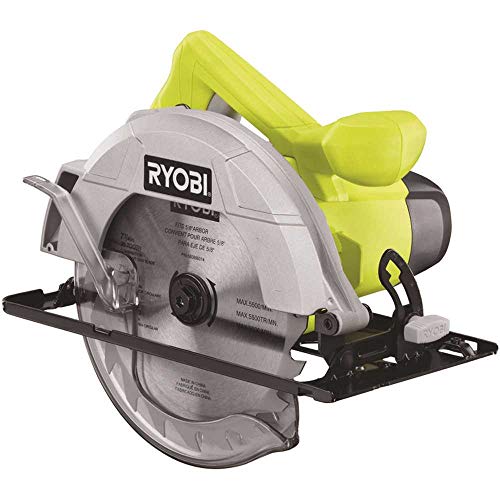
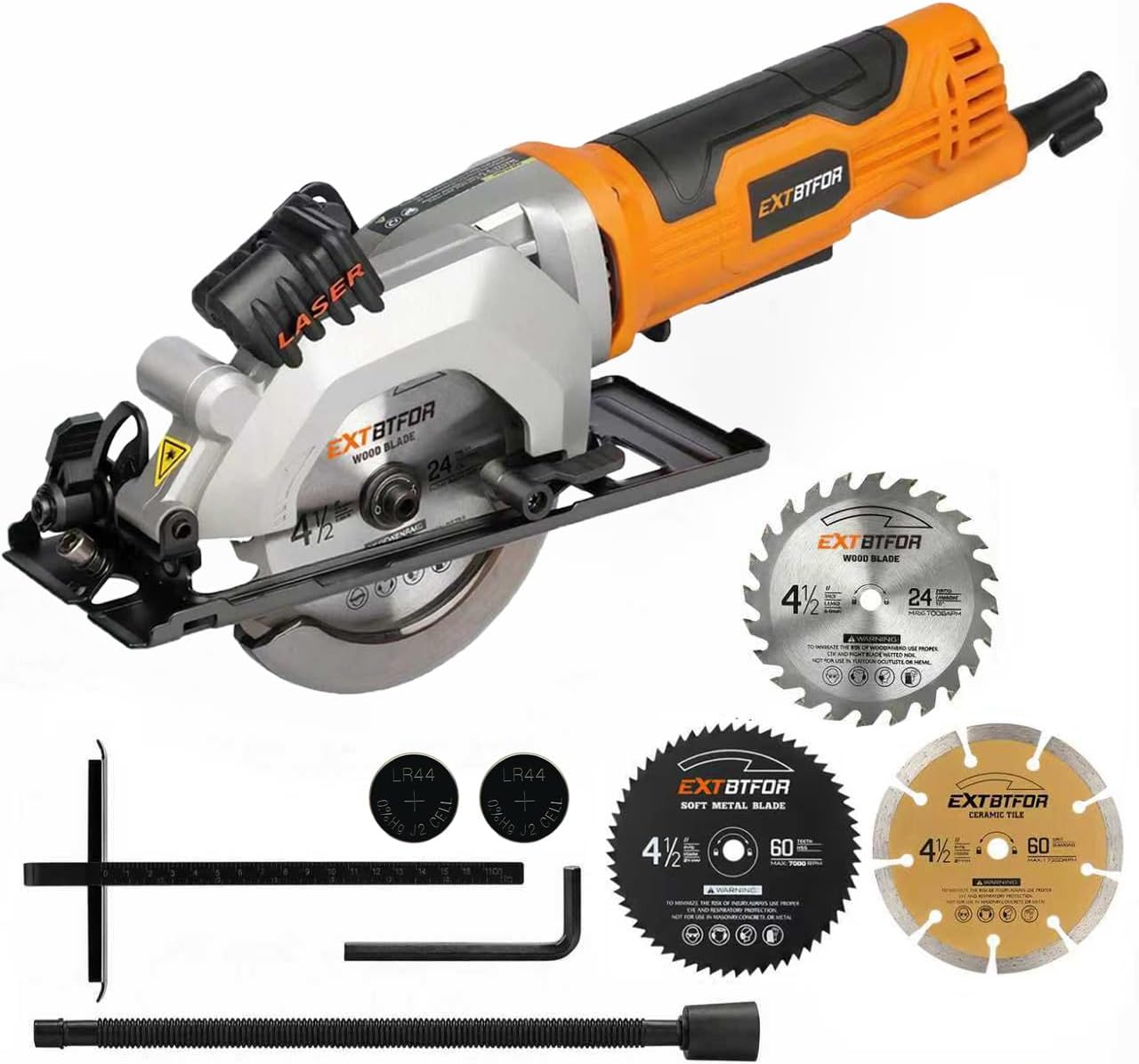
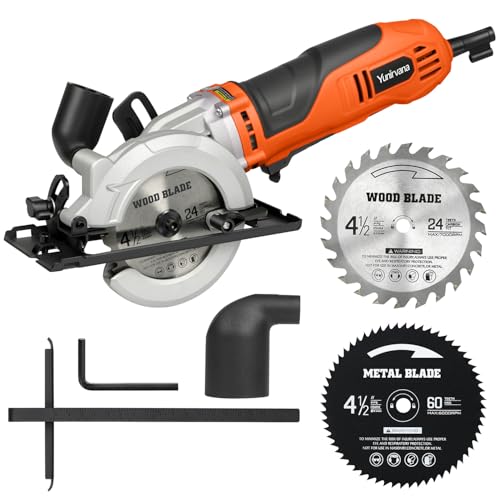
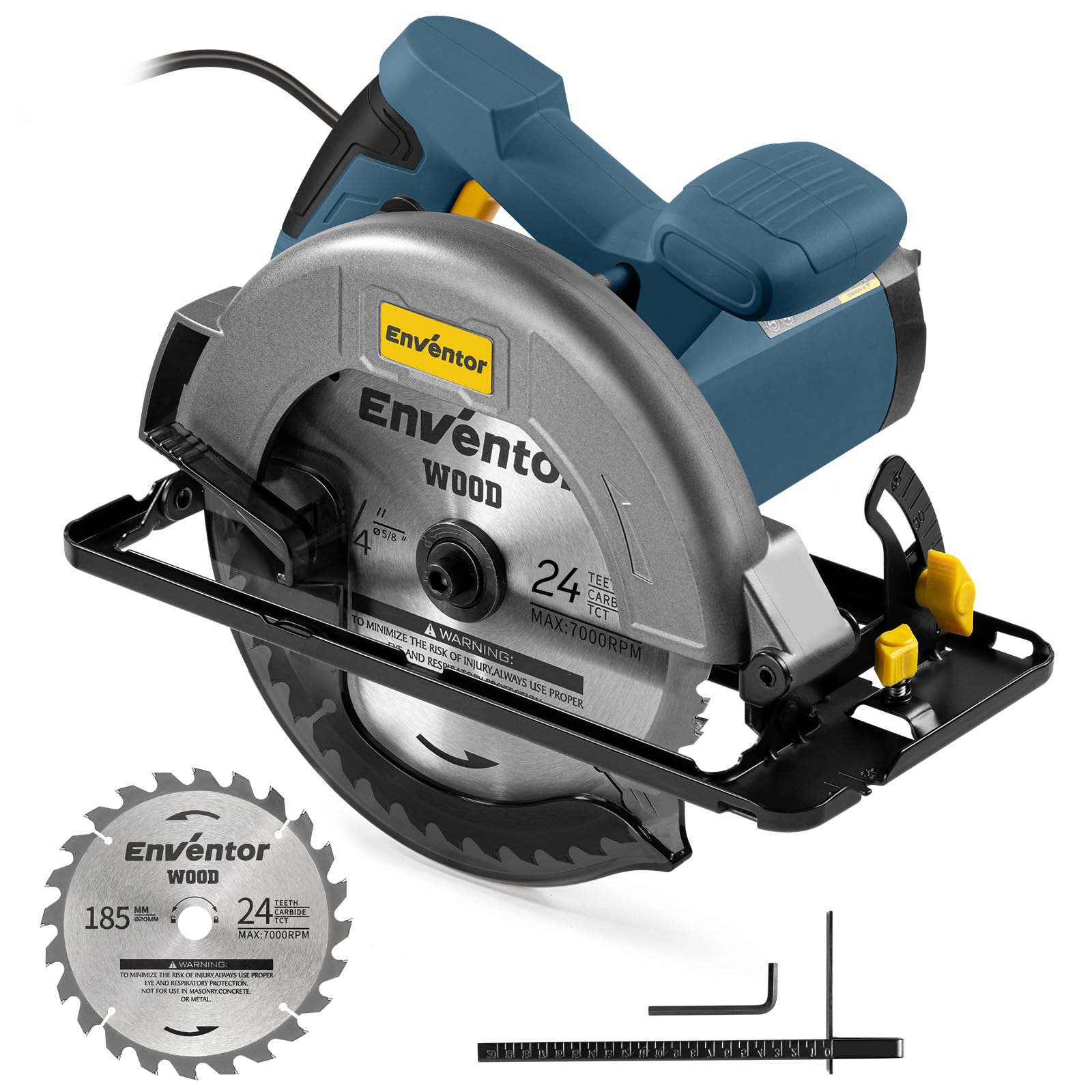
Who Should Buy a Circular Saw Under $50?
Homeowners with a short and simple cut list
If your projects are shelf boards, fence pickets, and the odd sheet of plywood, a basic corded saw covers the work. You cut a few times a month, store the tool in a closet, and care more about a straight result than about speed. A simple sidewinder layout with a clear blade view suits you, and our wider guide to the best circular saw shows how these entry tools compare with the full market.
Apartment dwellers building flat pack furniture and storage
Small spaces favor small tools. A compact saw that rips plywood and trims boards for closet organizers earns its shelf space without demanding a workbench. Weight matters more than raw power for you, because most cuts happen on a balcony or in a parking area with the board resting on foam insulation or sawhorses.
New tool owners learning on a low stakes saw
A first circular saw teaches you setup, support, and safe habits. Learning on an inexpensive tool softens the cost of early mistakes such as a pinched blade or a scarred shoe. Choose a model with a smooth guard action and a readable depth scale, then put the money you saved toward a good blade and proper eye and ear protection.
Key Features to Compare
Under $50, spec sheets shrink, so every remaining number carries more weight. The five factors below decide whether a cheap saw cuts cleanly or fights you on every board.
Blade size and depth of cut
Most saws at this price spin a 7 1/4 inch blade, which cuts about 2 3/8 inches deep at 90 degrees and slices through two inch lumber in one pass. Smaller 6 1/2 inch and 5 1/2 inch models feel lighter and suit sheet goods, but they can run short of depth on thick stock at a bevel. If your work is mostly plywood and trim, the compact end of the range that also appears among the best mini circular saw options may fit your hands better than a full size frame.
Motor amps and blade speed
Corded saws at this level rate power in amps, and most land between 11 and 13 amps with speeds near 5,200 to 5,800 RPM. Amps tell you how hard the motor can keep pushing when a knot slows the blade. A 13 amp tool recovers from a heavy feed better than a weak one, yet feed technique matters more than the last amp. Push steadily, let the blade reach full speed before contact, and the cut stays straight.
Shoe construction and guide marks
The shoe, or base plate, rides on the work and sets the quality of every cut. Budget saws often use stamped steel, which flexes if you lean on the saw and can arrive slightly bent from the factory. Set the shoe on a flat counter and check for rocking before your first cut. Clear notches at 0 and 45 degrees on the front edge help you follow a pencil line, and a shoe that locks its bevel setting without creep saves real frustration.
The blade included in the box
Nearly every saw under $50 ships with a coarse 18 or 24 tooth framing blade. That blade rips framing lumber well and tears plywood edges, so plan on it being half the purchase. A 40 to 60 tooth finishing blade costs around $15 and transforms cut quality on sheet goods. Keep the stock blade for rough work and demolition, and fit the fine blade for anything that will show. Blade swaps take a minute with the included wrench, so owning two blades is painless.
Guard action and switch safety
The lower guard must snap back over the blade the instant a cut ends. Test it by hand with the saw unplugged: retract the guard and release it several times, and reject any saw where it drags or hesitates. A lock off button that prevents accidental starts is common even at this price and worth insisting on. Electric brakes, by contrast, are almost never fitted here, so build the habit of waiting for a full stop before setting the saw down.
What the Under $50 Budget Changes
Cordless freedom is the first casualty. A bare cordless saw alone usually costs more than your whole budget, and a kit with battery and charger costs far more, so this price band belongs to corded tools. That is not a hardship for garage and yard work near an outlet, and the range of the best corded circular saw market shows how much steady power a cord still buys for little money.
Heavy layouts sit even further away. A best worm drive circular saw candidate costs several times this budget, because the geared drive, magnesium housing, and oil bath parts are built for daily framing crews. Under $50 you also give up magnesium shoes, electric brakes, dust ports that fit a vacuum, and long warranties. What remains is a motor, a blade, and a shoe, which is honestly all a straight cut requires. That trade defines the best circular saw under 50 as a category: simple, corded, and clear about its limits.
Common Mistakes to Avoid
- Judging a saw by its peak amp claim alone, because a flexing shoe and a dull blade ruin more cuts than a modest motor ever will.
- Cutting plywood with the stock framing blade, because the coarse teeth splinter the face veneer and leave edges that no sanding fully rescues.
- Setting the blade far deeper than the board, because excess exposed blade adds tear out and raises the stakes if the saw kicks back.
- Letting the offcut drop unsupported, because the closing kerf pinches the blade and is the most common cause of kickback for new users.
- Skipping the guard check to save a minute, because a lazy guard leaves a spinning blade exposed the moment the cut ends.
How to Make Your Circular Saw Last Longer
Blow dust out of the motor vents after dusty sessions, since packed vents overheat a small motor quickly. Wipe pitch and resin off the blade with a household cleaner and a stiff brush, because a coated blade drags, burns wood, and mimics a weak motor. Inspect the cord for nicks before each use and never carry the saw by it. Store the saw with the blade guard closed and the depth lock set shallow, ideally in a case or on a shelf where the shoe cannot get bent by heavier tools. If your saw uses a brushed motor, check the carbon brushes when power fades; replacements cost a few dollars and restore much of the original pull.
FAQ
Can you get a good circular saw for under $50?
Yes, if good means accurate straight cuts in lumber and plywood for home projects. You get a corded saw with a basic shoe and blade, and cut quality depends heavily on the blade you fit. What you cannot get at this price is cordless convenience, an electric brake, or pro durability. For weekend use with realistic expectations, a careful pick here serves well for years.
Should you buy a used circular saw instead for under $50?
A used mid range saw can beat a new budget saw, but only after checks. Spin the blade by hand and listen for rough bearings, confirm the guard snaps shut, lay the shoe on glass to test flatness, and inspect the cord near the strain relief. Walk away from any saw with a bent shoe or a repaired cord, because those faults cannot be fixed cheaply and both affect safety.
Can a circular saw under $50 cut plywood without splintering?
Yes, with three habits working together. Fit a fine tooth blade, score or tape the cut line to support the veneer fibers, and place the good face down on most sidewinder saws, since the blade exits upward. Support the sheet fully on foam board so the offcut cannot sag and tear at the end. These steps cost almost nothing and matter more than the price of the saw.
How long does a cheap circular saw last?
For home use, often five years or more, because the duty cycle is light. The motor brushes and the switch wear first, followed by a shoe bent in storage. Blades are consumables and say nothing about saw life. A saw that starts cleanly, runs without sparking at the vents, and keeps a flat shoe is still healthy, whatever its price was.
Is a circular saw under $50 safe for a first time user?
It is as safe as the habits behind it. Wear eye and ear protection, clamp or firmly support the work, keep both hands on the saw until the blade stops, and never reach under the board. Take the first cuts in scrap plywood to learn how the saw sounds when the feed rate is right. If a cut feels wrong, release the trigger and let the blade stop in the kerf before backing out.
Final Thoughts
The product table above shows what the tightest budget in the category currently offers. Judge each candidate by shoe flatness, guard action, and the blade you will fit, rather than by headline amps. Chosen that way, the best circular saw under 50 handles shelves, beds, and repair cuts with confidence, and it leaves money in your pocket for the blade and safety gear that make the real difference.


