
Best Cordless Drills for Concrete (2026): A Practical Buying Guide
Disclosure: We may earn a commission when you buy through links on this page, at no extra cost to you. As an Amazon Associate I earn from qualifying purchases. Learn more

Hammer mode, impact rate, torque and batteries decide the best cordless drill for concrete, from basement anchors to tapcon screws.
A standard drill spins. Concrete does not care. To bore into concrete, a drill has to hammer the bit forward thousands of times a minute while it turns, chipping the material away instead of polishing a hot, useless hole. The best cordless drill for concrete is a hammer drill driver with real impact rate, low gear torque and a chuck that grips masonry bits under vibration. Buy a drill without hammer mode and even a small anchor hole becomes a test of patience.
This guide explains which specs actually move a bit through concrete, where a drill driver reaches its limits, and when a rotary hammer is the honest answer instead. Compare the field in the comparison table below, then match the tool to the holes on your list.


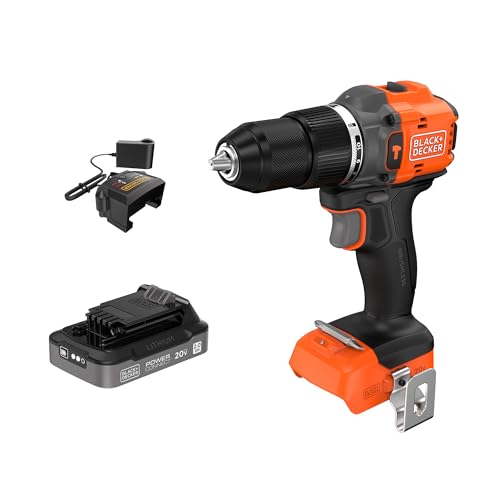
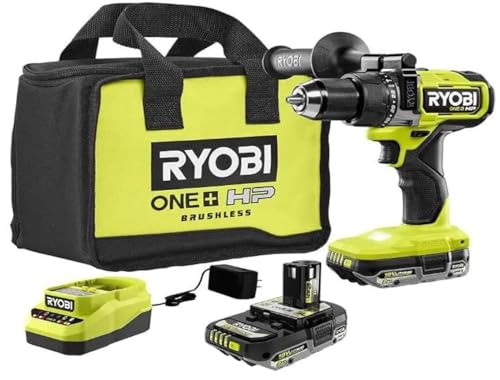
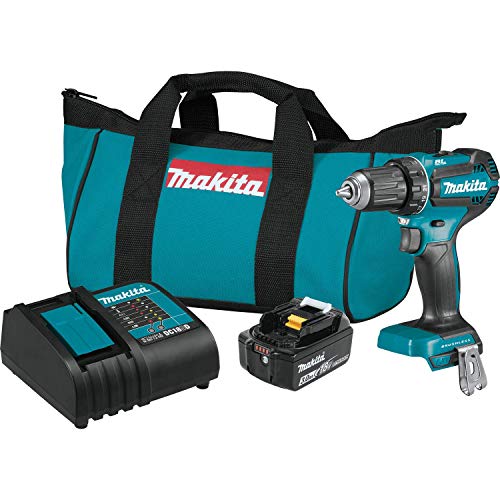
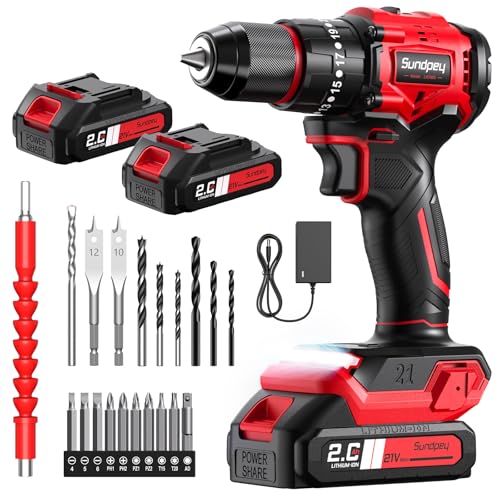


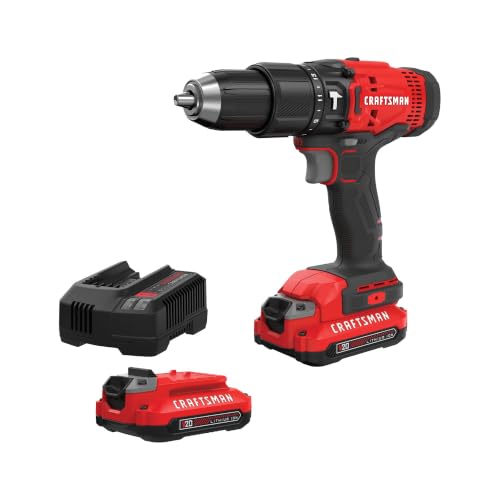
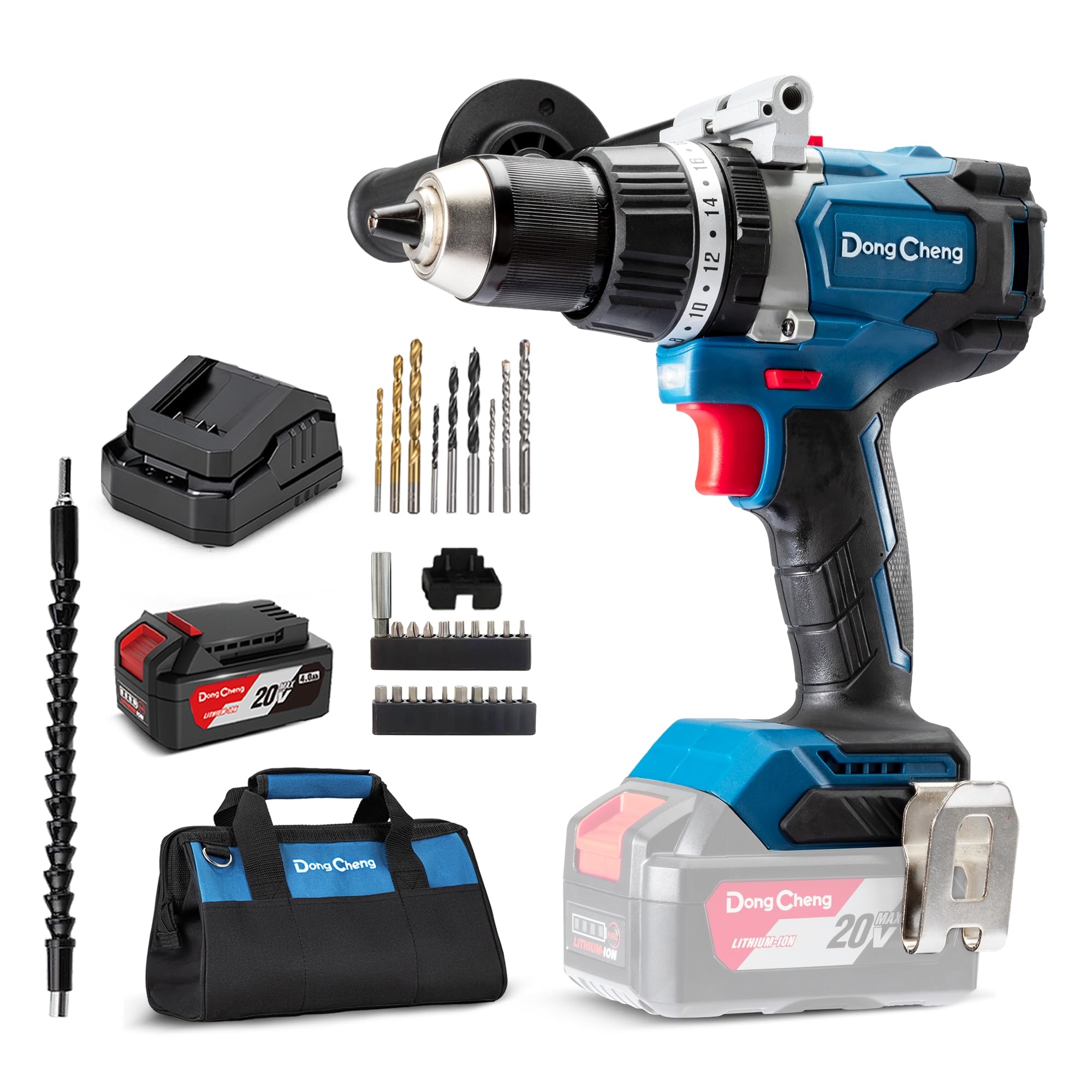
Who Should Buy Which Cordless Drill for Concrete?
Most buyers need a drill that also drives screws and bores wood the rest of the year. Our guide to the best cordless drill covers the general category, while the groups below focus on concrete work specifically.
Homeowners mounting into basement and garage concrete
Shelving standards, TV mounts, hose reels and workout equipment all anchor into foundation walls, and the holes are usually 1/4 to 3/8 inch. A mid range 18 volt or 20 volt class hammer drill driver handles these comfortably and still runs the household jobs, which is why dual purpose tools in our guide to the best cordless drill for home use often include a hammer setting. Two batteries matter more than top torque at this level.
DIY builders setting anchors and tapcon screws
Framing a basement means rows of pilot holes for concrete screws through sill plates and furring strips. Here impact rate and low gear torque decide your pace, and a brushless motor stays cooler across a long run of holes. You will also drill pilot holes all day on one battery size up from the compact packs, so platform and charger speed deserve attention before brand loyalty.
Pros deciding between a drill driver and a rotary hammer
If your holes run past 1/2 inch, go deep, or number in the hundreds, a drill driver is the wrong tool and a rotary hammer with SDS bits is the right one. Pros still carry a hammer drill driver for the small anchor range and for its driving and wood boring talents, but they size it as a companion tool. Knowing that boundary before you buy is what this guide is for.
Key Features to Compare
Concrete exposes weak specs quickly. These are the numbers and designs that predict whether a drill will bore or burn.
Hammer mode and impact rate
Hammer mode adds a percussive blow behind each rotation, measured in blows per minute. Higher rates, commonly in the range of about 25,000 to 35,000 BPM on capable models, chip concrete faster and keep the bit cutting instead of rubbing. This is the single feature that separates the tools in our guide to the best hammer cordless drill from plain drill drivers, and it is non negotiable for concrete: a drill without it can only scratch soft mortar and lightweight block.
Torque and two speed gearing
Torque turns the bit against the friction of a deep hole, and concrete work lives in low gear, where gearing multiplies torque and keeps speed in the efficient range. Look for a two speed gearbox and torque figures quoted in inch pounds, then favor the drill that pairs strong low gear torque with a metal chuck. High top speed looks impressive on a box but mostly serves wood drilling, which is not why you are buying the hammer setting.
Chuck and bit shank reality
A drill driver chuck grips round and hex shank bits, so your concrete bits will be carbide tipped masonry bits with those shanks. They work well up to about 1/2 inch in concrete. SDS shank bits, which lock into rotary hammers and transfer far more impact energy, do not fit a standard chuck, and adapters waste the hammer action. A keyless metal chuck with a locking feature matters because vibration slowly loosens lesser chucks mid hole.
Battery platform, capacity and runtime
Hammer drilling drains batteries far faster than driving screws. A 4.0 or 5.0 amp hour pack delivers noticeably more holes per charge than a compact 2.0 pack, and it holds voltage better under load, which keeps impact rate up. Platform choice also locks you into a charger and future bare tools, so pick the ecosystem you want to grow. Two packs and a fast charger turn battery swaps from a work stoppage into a non event.
Motor type, side handle and vibration control
Brushless motors run cooler and longer under the sustained load of concrete drilling, and they protect themselves electronically instead of cooking. A detachable side handle is near essential for larger holes, because a bit that catches on aggregate can twist the drill hard enough to hurt a wrist. Rubber overmold grips and a balanced body reduce the buzz that numbs hands across a long anchor session.
Drilling Concrete with a Drill Driver: Technique and Limits
Technique decides half your results. Start the hole in rotary only for a few seconds to seat the bit, switch to hammer mode, and lean in with steady pressure while letting the hammer action do the cutting. Back the bit out every few seconds to clear dust, because packed dust insulates the tip and slows the cut. For anchor holes, blow the dust out fully before setting the anchor, or the fastener seats in powder instead of concrete.
Respect the limits. Holes up to about 3/8 inch are a drill driver home turf, 1/2 inch is a sensible ceiling in hard concrete, and anything larger, deeper or more numerous belongs to a rotary hammer. If your hole list is honestly a dozen small anchors a year, the capable end of our guide to the best budget cordless drill covers it for less. Wear eye protection and a dust mask or respirator rated for fine dust, keep the work area ventilated, and stop if you strike metal, which usually means rebar that a masonry bit will not pass.
Common Mistakes to Avoid
- Buying a drill driver without hammer mode for concrete, then burning bits and blaming the bits.
- Drilling in high gear, which polishes the bit tip against concrete instead of chipping through it.
- Pushing with full body weight, overheating the bit because the hammer blows cannot do their work.
- Leaving drilling dust in anchor holes, so screws and anchors seat in powder and hold poorly.
- Skipping the side handle on larger holes, and taking a wrist wrenching twist when the bit catches.
How to Make Your Cordless Drill Last Longer
Concrete dust is abrasive and conductive trouble for vents and chucks. Blow the tool clean with dry air after masonry sessions, wipe the chuck jaws, and spin the chuck open and closed a few times to shed grit before it grinds the threads. Store bits separately so carbide tips do not chip each other in a loose pouch.
Batteries suffer most from heat, so let a hot pack cool before charging and avoid leaving packs in a sun baked truck. Run the drill briefly in each gear once in a while if it sits for months, which keeps grease distributed. A hammer drill treated this way keeps its impact rate and chuck grip for years, and its most common repair stays a worn bit, not a worn tool.
FAQ
What is the best cordless drill for concrete?
A brushless hammer drill driver in the 18 volt or 20 volt class, with an impact rate near the top of its category, strong low gear torque, a metal ratcheting chuck and at least one 4.0 amp hour or larger battery. That specification covers anchor and tapcon holes up to about 3/8 inch all day. Larger or deeper holes call for a rotary hammer instead.
Can a regular cordless drill without hammer mode drill concrete?
Only in the loosest sense. It might creep through soft mortar or cinder block with a masonry bit and a lot of time, but in poured concrete it mostly heats the bit and dulls the carbide. The hole also tends to wander oversize. If concrete is even an occasional task, the hammer setting is worth paying for once.
Why does my drill bit stop cutting and just spin in the hole?
Two causes cover most cases. The bit has likely hit hard aggregate or steel rebar, which a masonry bit cannot cut, so move the hole if the layout allows. Or the carbide tip has overheated and glazed from drilling in high gear or with packed dust in the hole, in which case a fresh bit, low gear and regular dust clearing restore the cut.
How many holes can one battery charge drill in concrete?
It depends on hole size, depth and how hard the concrete is, but as a planning figure a 5.0 amp hour pack on a brushless hammer drill typically delivers a few dozen 1/4 inch anchor holes. Doubling hole diameter cuts that count sharply. For a full day of anchor work, plan on two large packs cycling through the charger rather than one compact pack.
What size drill bit should I use for concrete screw anchors?
Match the bit to the screw exactly as the fastener maker specifies, commonly a 5/32 inch bit for 3/16 inch concrete screws and a 3/16 inch bit for 1/4 inch screws. Drill about a quarter inch deeper than the screw embedment so dust has somewhere to go, and clean the hole before driving. An undersized or shallow hole snaps screws; an oversized one strips.
Final Thoughts
Concrete work is a spec game: hammer mode with a strong impact rate, low gear torque, a chuck that holds under vibration, and batteries sized for the load. Stay honest about the half inch ceiling and a drill driver will reward you across anchors, screws and every other job in the house. Match your hole list to the models in the product table above, and the best cordless drill for concrete for your work will be easy to pick.


