
Best Craftsman Shop Vacs for 2026: Which Type Fits Your Projects?
Disclosure: We may earn a commission when you buy through links on this page, at no extra cost to you. As an Amazon Associate I earn from qualifying purchases. Learn more

Finding the best Craftsman shop vac means matching tank size, hose diameter, and filtration to your mess. Compare the lineup classes in this guide.
Craftsman sells shop vacs in sizes from a carry anywhere mini to a rolling drum that lives in the corner of the garage, and they all wear the same red color. The best Craftsman shop vac for you is decided by the mess you clean most: sawdust at a bench, water from a basement floor, or the daily grit of a working garage. Tank size on the box is only the start of that decision.
This guide breaks the lineup into its size classes and covers the specs that actually predict cleaning power, including airflow, hose diameter, and filtration. The comparison table below shows the classes at a glance.
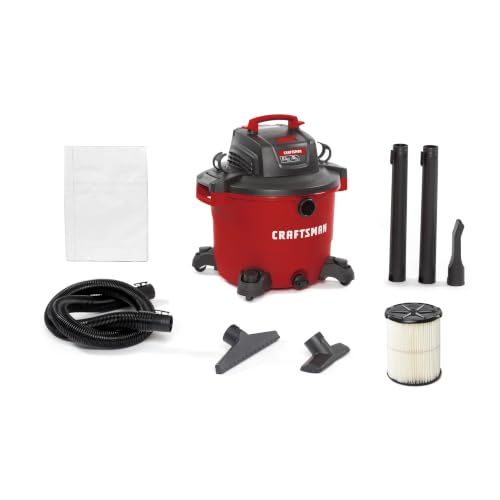
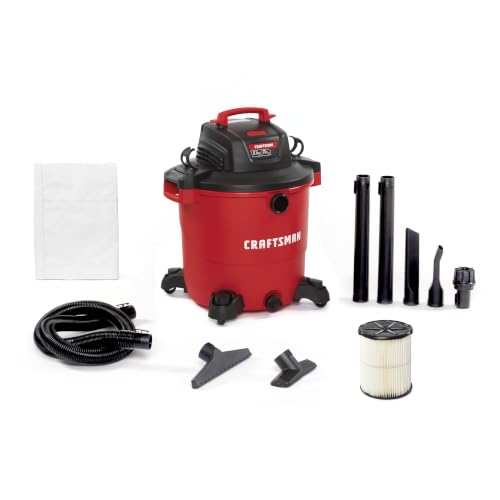
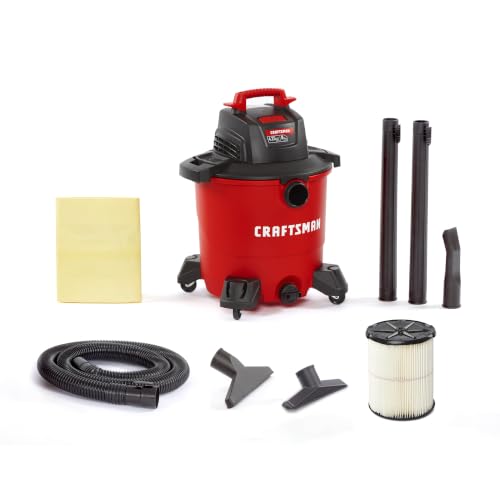
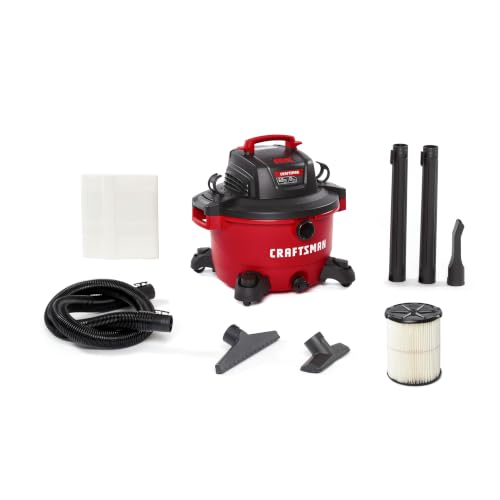
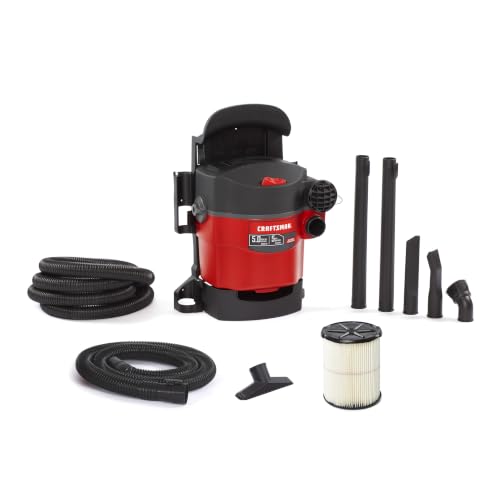
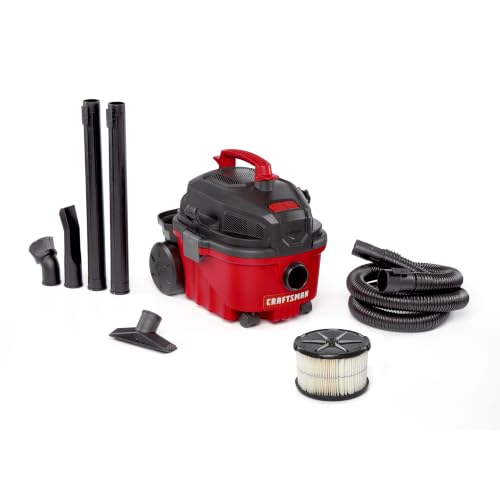


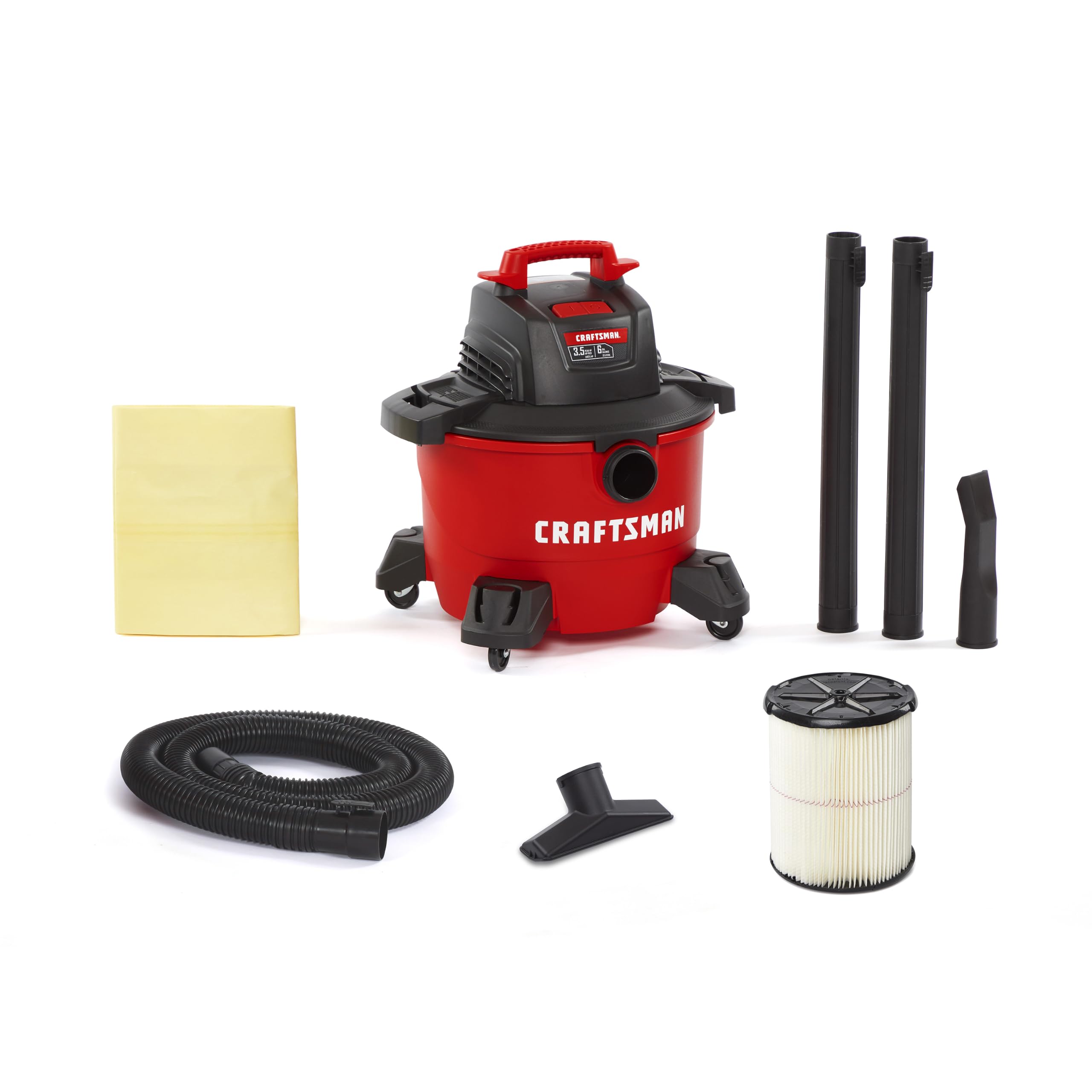
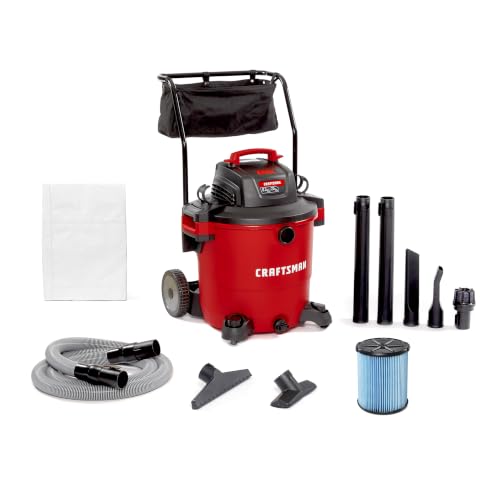
Who Should Buy Which Craftsman Shop Vac?
Garage and Driveway Cleaners
Your mess is leaves in the corners, grit under the cars, spilled soil, and the occasional puddle. A mid size class vac, roughly 9 to 12 gallons, gives you strong suction, a floor nozzle that covers ground quickly, and a tank you can still lift to dump. This is the class most households should buy first. Compare it against the whole market in our guide to the best shop vac models if you are not set on one brand.
Car Detailers and Interior Cleaners
Car work is hose reach and nozzle work, not raw tank volume. A compact class vac with a long hose and a crevice tool reaches under seats without dragging a drum around the driveway, and the smaller tank is plenty for crumbs and pet hair. If the car is your main job, our dedicated guide to the best shop vac for car detailing focuses on the attachments and reach that matter there.
Workshop Users Feeding Dust Collection
If the vac will park beside a saw or sander, suction under restriction is your spec, because filters and long hoses choke airflow. Choose a larger class with a 2.5 inch hose port and plan on filter bags to protect the cartridge filter from fine dust. The big tank earns its floor space by stretching the time between emptying. Small bench messes, on the other hand, are exactly what the best small shop vac class exists for, so match the tool to the bench rather than the room.
Key Features to Compare
Tank Size Class and How It Matches the Mess
Craftsman classes run from about 2 to 4 gallons in the portables, 6 to 12 in the mid range, and 16 to 20 in the large drums. Bigger tanks hold more debris and water between dumps, but a full 16 gallon tank of wet debris is a heavy, awkward lift to a drain or trash bin. Dry messes favor volume; wet messes favor a size you can still carry when full. Most garages land happily in the middle: big enough for a Saturday of cleanup, small enough to roll into a corner and forget.
Suction Specs: Read Past the Horsepower Number
The peak horsepower printed on shop vacs is a best case motor rating, not a measure of cleaning power at the nozzle. Airflow, stated in CFM, and sealed suction, stated in inches of water lift, predict real performance far better. Higher airflow moves bulky debris like leaves and shavings; higher lift pulls grit from carpet and water from low spots. Compare those two numbers across the Craftsman classes and ignore the horsepower race. A mid class vac with honest airflow will outclean a bigger drum whose numbers are all motor marketing.
Hose Diameter and Length
Hose size quietly decides what the vac can swallow. The common 2.5 inch hose passes wood chunks, leaves, and shop debris without clogging, while the slim 1.25 inch hose on compact models clogs on anything bigger than crumbs but reaches into cars and tight corners beautifully. Some models include both or accept adapters. Length matters the same way: a longer hose lets the drum stay parked while you work a whole bench or car. Measure your typical working circle and buy the hose that covers it without dragging the tank behind you.
Filtration and Filter Bags
Every Craftsman vac uses a cartridge filter, and the smart upgrade is disposable filter bags in front of it. Bags catch the fine dust that cakes a cartridge, so suction stays strong longer and emptying becomes a tidy bag swap instead of a dust cloud over the trash can. For drywall dust, ash, or other fine material, bags are close to mandatory, and a finer rated cartridge adds protection. Wet pickup requires removing the paper bag and often the dry filter setup per the manual, so check how the changeover works on the class you are eyeing.
Wet Pickup, Drain, and Blower Features
All of these vacs pick up water; the differences are in how you get it out. Large drums add a bottom drain valve so a tank of water empties through a hose instead of a tip over. Mid and small classes rely on lifting and pouring, which is fine for a spilled bucket and miserable for a flooded corner. Some models also detach or replumb the motor as a blower for leaves and dust, a bonus worth having for patios. Check that the float shutoff works freely; it is the small part that stops water from reaching the motor.
Corded Drums Versus the Cordless Class
Nearly the whole Craftsman shop vac lineup is corded, and for garage and shop duty that is the right call, because suction this strong eats batteries. The brand does offer compact cordless vacs on its 20 volt platform for quick car and bench cleanups, where five minutes of grab and go suction beats twenty minutes of drum power. Judge the cordless class as a companion, not a replacement: it handles the daily small messes so the big drum only comes out for real work. Our roundup of the best cordless shop vac options shows what that class does well across brands. Cord length on the corded drums deserves a glance too, since a short cord chains a big vac to one outlet.
Common Mistakes to Avoid
- Buying the largest drum for status, then avoiding it because a full tank is too heavy to dump.
- Judging models by peak horsepower alone, when airflow and sealed suction predict cleaning power far better.
- Vacuuming fine drywall dust without filter bags, which cakes the cartridge and strangles suction in minutes.
- Picking up water with a paper filter bag still installed, soaking it into a soggy plug.
- Letting the tank sit with wet debris inside, which grows odor and corrodes the drum and hardware.
- Yanking the vac around by its hose, cracking hose cuffs and tipping the drum onto your car door.
How to Make Your Craftsman Shop Vac Last Longer
Empty the tank before debris reaches the fill line, not after suction fades, and shake or rinse the cartridge filter outdoors where the dust cloud harms nothing. Wash a reusable filter only if the manual allows it, and let it dry completely before reinstalling, since a damp filter grows mildew and clogs fast. Inspect the hose cuffs and the float cage each season; the float must move freely or wet pickup can flood the motor. Store the vac with the tank empty and the lid cracked open so the inside dries. Wind the cord loosely instead of wrapping it tight around the handle, which kinks the insulation over time.
FAQ
What size Craftsman shop vac is best for a home garage?
The 9 to 12 gallon mid class is the garage sweet spot for most homes. It swallows leaves, soil, and renovation debris, carries a full tank without a struggle, and rolls into a corner when parked. Go smaller only if storage is tight and messes are light, and go larger only if you regularly clean a workshop or pick up water in volume. Size for the mess you clean monthly, not the worst day of the year.
Can a Craftsman shop vac pick up water safely?
Yes, that is core shop vac duty. Remove paper filter bags first, confirm the float shutoff moves freely, and keep the motor head dry. Plug into a ground fault protected outlet when working around standing water, and never stand in the puddle while running the vac. Empty and dry the tank the same day; a drum left full of dirty water will smell and corrode long before the motor wears out.
Why does my shop vac lose suction so quickly on fine dust?
Fine dust seals itself against the cartridge filter like plaster, and airflow falls off a cliff. Filter bags solve it by catching the dust in a cheap paper layer before it reaches the cartridge. With bags fitted, suction stays near new for the life of the bag. Without them, expect to clean the cartridge often, and expect each cleaning to restore a little less performance than the last.
Are Craftsman shop vac filters and bags interchangeable across sizes?
Not always. Cartridge filters and bags are sized by the vac's gallon class and filter family, and a filter that almost fits will leak dust around its seal. Match the replacement to the size class printed for your model and keep one spare cartridge and a pack of bags on the shelf. The vac you can service in two minutes on a Saturday is the vac that stays in service for years.
Is the blower function on a shop vac worth using?
For patios, garage thresholds, and blowing dust out of corners before vacuuming, yes. A detachable or port switched blower moves leaves and light debris well, though it will not match a dedicated leaf blower for yard work. Treat it as a bonus that saves dragging out a second tool for small jobs, and wear eye protection, because a blower turns floor grit into fast moving grit.
Final Thoughts
Match the class to your most common mess and the specs will fall into place. The mid size drum is the best Craftsman shop vac for most garages, the compact class serves car and bench duty, and the big drums earn their space in workshops and flood prone basements. Use the product table above to compare airflow, hose size, and tank class, and keep filter bags in the budget from day one.


